REVIEW · OSAKA
Discover Osaka Cuisine through Cooking Class Experience
Book on Viator →Operated by Cook, Taste and Enjoy Osaka · Bookable on Viator
Osaka food has a special gravity, and this class leans into it. You’ll learn the soul-food basics from an elderly Osaka mother who’s lived there for over 60 years, with cooking tips plus practical pointers on where to go beyond the obvious. The whole thing is small-group, fast-paced, and focused on real technique rather than just sitting and watching.
I love the hands-on setup: you’ll actually make Osaka staples (not just see them). I also like that the lesson includes the food background, so takoyaki and okonomiyaki feel like part of daily Osaka life, not random tourist snacks. One consideration: this isn’t a full traditional culture course—your time goes into making two of the three dishes (takoyaki, okonomiyaki, yakisoba), so you won’t cover all three.
In This Review
- Key things to know before you cook Osaka classics
- Osaka Soul Food, Cooked at a Local-Home Pace
- What You’ll Actually Make: Takoyaki, Okonomiyaki, and Yakisoba
- Meeting in Nishishinsaibashi and Getting Oriented Fast
- Inside the 1.5-Hour Class With an Osaka Mother
- Takoyaki Technique: Choosing Fillings and Getting the Texture Right
- Okonomiyaki and Yakisoba: Why the Background Makes You Better
- Price and Value: Is $65.04 a Smart Pick?
- Drinks, Eating Style, and What Costs Extra
- A Practical Tip: Pair This With Your Osaka Days
- Who This Cooking Class Is Best For
- FAQ
- FAQ
- What dishes will I cook in this class?
- How long is the cooking class?
- Who teaches the class?
- How many people are in the group?
- Is water included, and are drinks included?
- Where do I meet for the class?
- Can I get a refund if I need to cancel?
- Should You Book This Osaka Cooking Class?
Key things to know before you cook Osaka classics
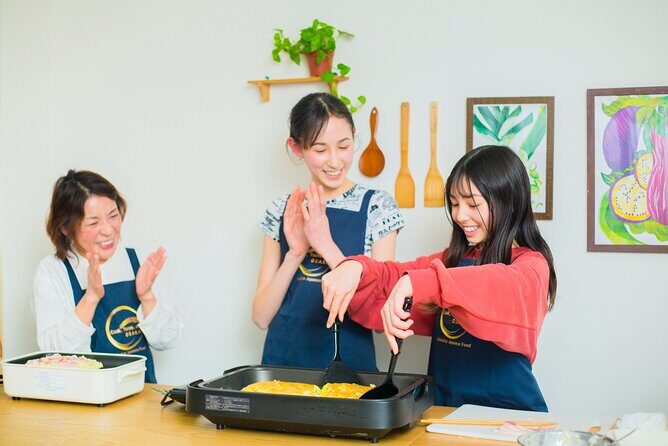
- Small group of up to 8 people so questions don’t get swallowed.
- An instructor who’s lived in Osaka for 60+ years, bringing street-level context to the recipes.
- You’ll cook two out of three: takoyaki, okonomiyaki, and yakisoba.
- You can choose fillings for your takoyaki, which makes the food feel personal.
- Bottled water included, with other drinks (and alcohol) paid separately.
- Mobile ticket check-in and a meeting point in Nishishinsaibashi near public transport.
Osaka Soul Food, Cooked at a Local-Home Pace
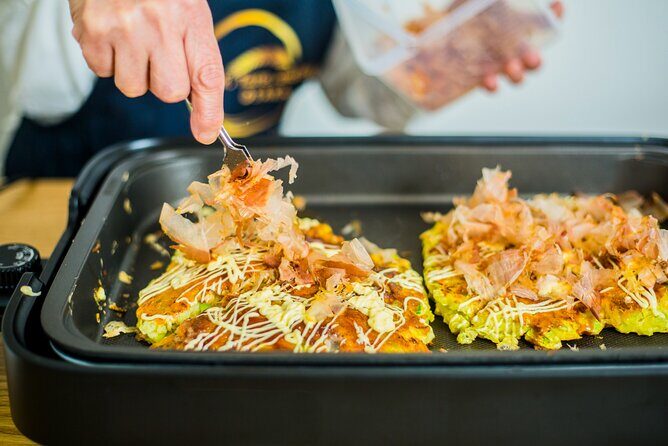
If Osaka has a “signature” way of eating, it’s comfort food that’s built for sharing. This class fits that vibe. Instead of a big, showy production, you get a small, guided cooking session shaped by an Osaka mother’s perspective—what matters, what doesn’t, and how the dish should come together.
The best part for me is the balance of technique and context. You’re not only learning how to make food. You’re also learning why people in Osaka treat it like everyday life—fast, flavorful, and social. And because the instructor knows Osaka well, you’ll also get pointers for less obvious places to check out, which is exactly what you want after you’ve finished the main sights.
You can also read our reviews of more cooking classes in Osaka
What You’ll Actually Make: Takoyaki, Okonomiyaki, and Yakisoba
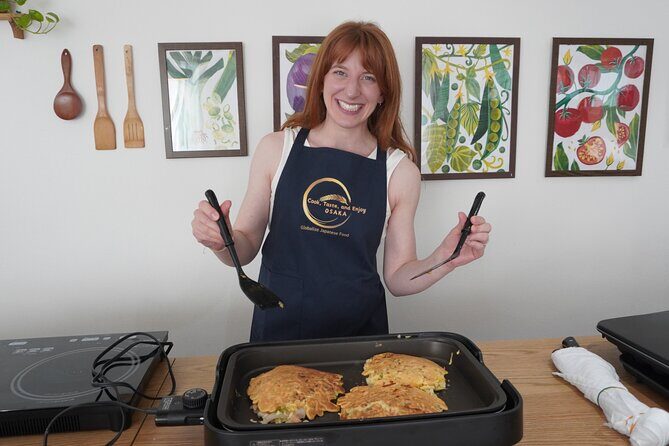
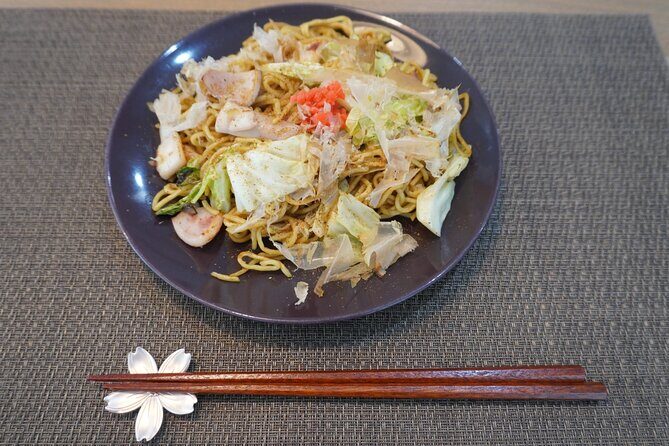
This is a food-focused class with a clear structure: you’ll make two of Osaka’s three soul-food standouts—takoyaki, okonomiyaki, and yakisoba. That’s why the price is relatively affordable for a cooking lesson with an instructor who’s clearly invested in teaching.
Here’s how to think about it before you book:
- If you’re set on one dish (say, takoyaki), you’re still likely to end up with an extra dish in the class. The exact pair isn’t listed in the details you have, but the format is designed around choosing two.
- If you want a broad “cover everything” experience, note that yakisoba and okonomiyaki don’t all get cooked in the same session—your time is intentionally split.
The reviews you can look into point toward takoyaki and okonomiyaki showing up often, and they mention that participants can choose their own takoyaki fillings. That choice matters. It turns the class from a recipe demo into something closer to customizing your own Osaka snack.
Meeting in Nishishinsaibashi and Getting Oriented Fast
You meet at 2-chōme-13-16 Nishishinsaibashi, Chuo Ward, Osaka, 542-0086. The class ends back at the meeting point, so you’re not dealing with a multi-stop food crawl.
Nishishinsaibashi is a practical base. It’s the kind of area where you can connect to the rest of Osaka easily once your cooking time ends. Also, because the class is described as near public transportation, you shouldn’t need a complex plan to get there—just make sure you leave a little buffer for finding the exact spot.
If you’re the type who likes to get bearings quickly, you’ll probably appreciate the setup: arrive, check in (you’ll have a mobile ticket), learn, cook, and you’re back out into Osaka without losing half a day to logistics.
Inside the 1.5-Hour Class With an Osaka Mother
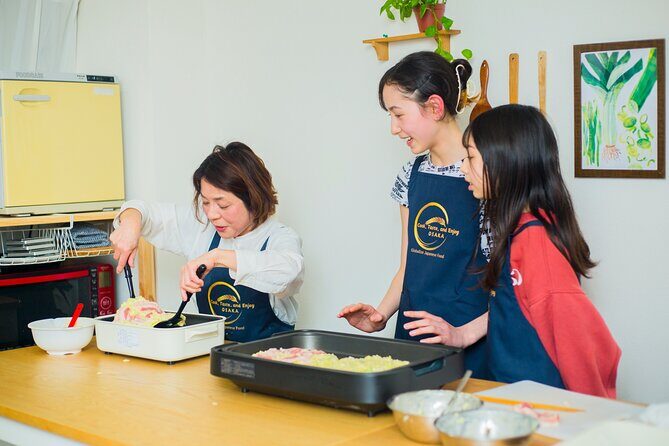
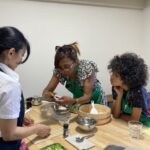
The session runs about 1 hour 30 minutes, and it’s led by an elderly mother who has lived in Osaka for more than 60 years. That detail changes the whole feel of the class. She isn’t teaching from a script. She’s explaining how people in Osaka think about food—what to watch for, and what makes the dish feel right.
In terms of what happens during the class, you can expect:
- A clear explanation of how to make the selected dishes
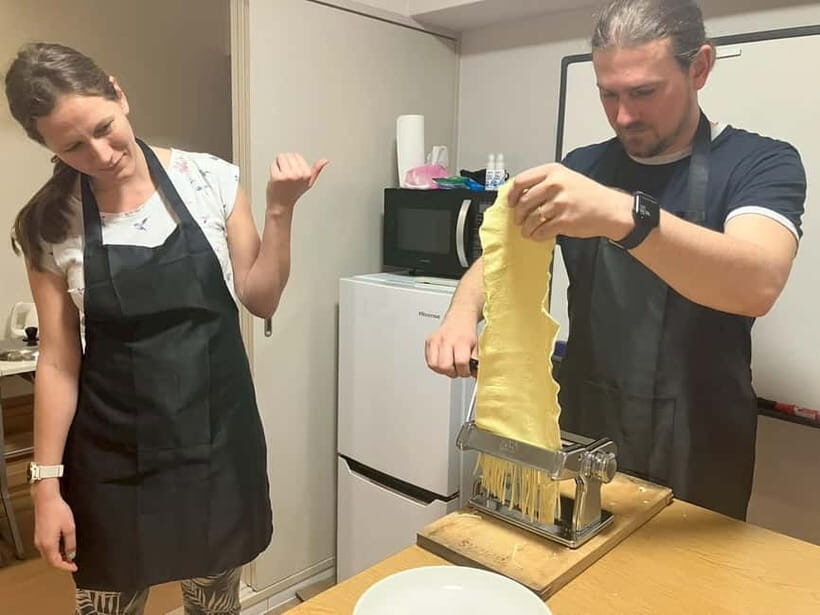
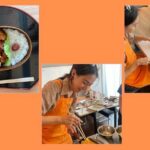
- Time for you to participate in the cooking process (this is not a sit-and-watch class)
- Background on Osaka food—what the dish is, how it’s used in local eating habits, and what to remember when you cook again later
And even if your Japanese is limited, the teaching style seems built for communication. One of the strongest pieces of feedback is that the staff/instructor can be welcoming and easy to talk to in English, and you still get real value even when you don’t speak a lot of Japanese.
Takoyaki Technique: Choosing Fillings and Getting the Texture Right
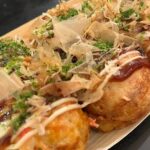
Takoyaki is the headline dish for many Osaka first-timers. You’ll see it on street corners, and you’ll probably crave it once you smell it. The point of this class is not just that you make takoyaki—it’s how you learn the logic behind it.
One review highlights a key perk: you can choose your own takoyaki fillings. That means the class has room for personal taste rather than forcing everyone into the same flavor profile. If you’re cooking with someone else, this is a fun way to split tastes—different fillings, different approaches, same Osaka base batter.
While the details don’t list exact technical steps, the class format is clearly designed for you to understand:
- how the batter comes together
- how the shape and cooking process work
- how to aim for the finished look and doneness you’ve been seeing at stalls
If you’ve ever wondered why some takoyaki looks crisp and golden while other versions feel soft or uneven, a good cooking class helps you learn what to adjust—heat control, timing, and method.
A few more Osaka tours and experiences worth a look
Okonomiyaki and Yakisoba: Why the Background Makes You Better
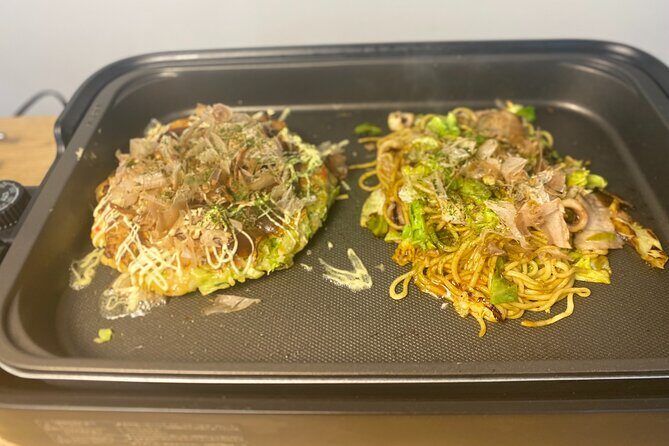
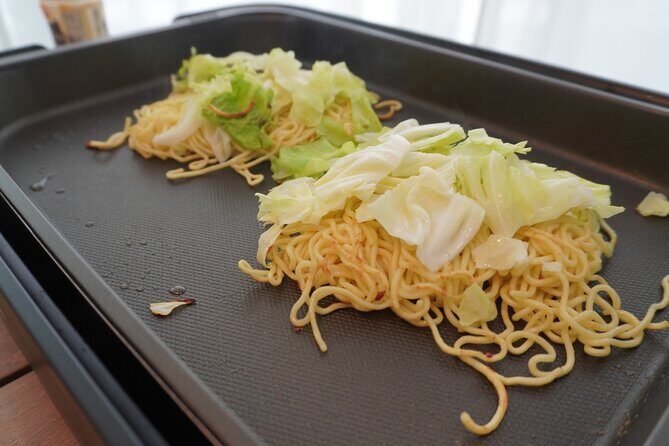
Okonomiyaki and yakisoba both have that Osaka “comfort food” energy, but they’re also surprisingly technical when you want them to come out well. This class keeps you from treating them like mystery dishes.
Because your instructor includes background on Osaka food, you’re not only following instructions—you’re learning what local people pay attention to. That’s the part that makes future meals easier. You start to recognize what matters when you order (or attempt cooking yourself later).
Even though this class doesn’t promise a traditional culture add-on, it still gives you context. It’s the kind of cultural understanding that shows up immediately at the table: how people think about savory food, how they share it, and how the dishes fit into Osaka’s everyday eating rhythm.
Price and Value: Is $65.04 a Smart Pick?
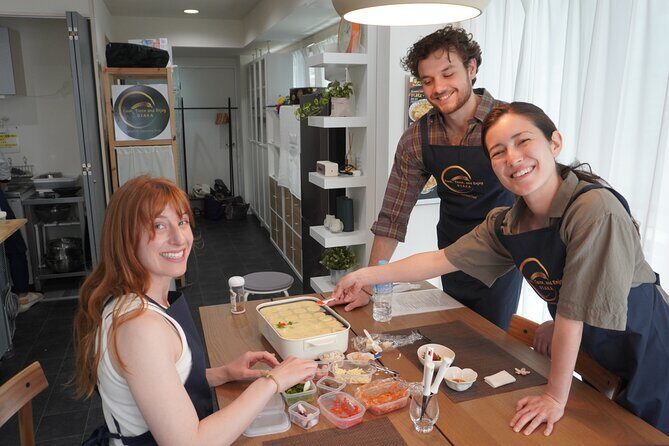
At $65.04 per person for about 1.5 hours, this class is priced to feel accessible compared with the more expensive multi-hour food tours. The value logic is simple:
- You’re paying for instruction plus a small-group experience (max 8).
- You’re cooking actual dishes (not only observing).
- Bottled water is included, which keeps the class basics covered.
It also helps that the class is intentionally focused. You aren’t paying for a full traditional culture component. Instead, the product directs your budget toward cooking two of the three dishes. If what you want most is a practical, hands-on Osaka food lesson, that focus is a win.
One more practical value clue: it’s often booked around 48 days in advance on average. That doesn’t guarantee quality, but it does suggest the class has consistent demand—small-group cooking classes don’t usually stay open forever.
Drinks, Eating Style, and What Costs Extra
The class includes bottled water. Other beverages cost extra during the session, and alcoholic beverages are not included.
That’s a small detail, but it’s one you should plan around. If you’re hoping to make the class feel like a full evening meal with drinks, you’ll need to budget for it. If you’d rather keep things simple and focused, the included water is usually enough for a 90-minute cooking session.
A Practical Tip: Pair This With Your Osaka Days
This class works best when you schedule it for a time you can actually enjoy the food afterward in your own way. Since the class doesn’t describe a multi-location outing, I’d place it as a “day anchor” rather than a replacement for all your sightseeing.
Think of it like this:
- If you’re doing major sightseeing early, use the class later to connect food to what you’ve seen in Osaka.
- If you’re already food-focused, this becomes a technique upgrade—so you can recognize good takoyaki or better okonomiyaki when you see it on menus later.
And because the instructor is local and can share recommendations for hidden tourist spots, it’s also a smart way to get a few off-script suggestions for the rest of your trip.
Who This Cooking Class Is Best For
This is a strong match if you want:
- hands-on food instruction (not a passive experience)
- a small group setting where you can ask questions
- an Osaka-local viewpoint on food culture and where to go
It also looks ideal for couples, families, or friends because you’re cooking together and customizing at least part of the experience—especially with takoyaki fillings. If you like learning by doing, you’ll probably feel satisfied at the end of 90 minutes.
If you only want one specific dish and dislike the idea of cooking two options, you may want to double-check which two dishes the class setup uses on your date. The format is clear, but the pairing isn’t spelled out in the details you provided.
FAQ
FAQ
What dishes will I cook in this class?
You’ll make two of the three Osaka soul foods: takoyaki, okonomiyaki, and yakisoba.
How long is the cooking class?
The experience takes about 1 hour 30 minutes.
Who teaches the class?
The class is taught by an elderly mother who has lived in Osaka for over 60 years.
How many people are in the group?
The class has a maximum of 8 travelers.
Is water included, and are drinks included?
Bottled water is included. Other beverages are not included and cost extra, and alcoholic drinks are also charged separately.
Where do I meet for the class?
You meet at 2-chōme-13-16 Nishishinsaibashi, Chuo Ward, Osaka, 542-0086, Japan. It ends back at the same meeting point.
Can I get a refund if I need to cancel?
Yes. You can cancel for a full refund up to 24 hours before the experience starts.
Should You Book This Osaka Cooking Class?
Yes—if your top goal is learning how to make Osaka’s famous comfort foods in a small, friendly setting. This class has a clear value proposition: hands-on cooking, an Osaka mother who brings real local context, and a short session that doesn’t waste time.
Skip it only if you’re looking for a broader cultural program beyond cooking. This one focuses on making two dishes, not a full traditional culture add-on. If that suits you, it’s an efficient, satisfying way to understand Osaka through food—and walk away with skills you can actually use later.