REVIEW · OSAKA
Osaka: Cooking Class Ramen & Gyoza Course in Nanba
Book on GetYourGuide →Operated by 株式会社XLSWORLD · Bookable on GetYourGuide
You start with flour and end with dinner. In Nanba, this small-group class turns ramen and gyoza into real skills, not just a nice meal, with friendly English support and hands-on guidance from instructors like Nana and Yuriko.
I love the way you learn the core techniques while actually cooking, from prepping ingredients to getting the gyoza fold right and making ramen flour into noodles.
One thing to consider: there’s no hotel pickup, and the meeting point is in a specific apartment building, so you’ll want to arrive on time and follow the entry instructions for Dear Court Semba 303.
In This Review
- Key things I’d focus on before you go
- Why Nanba Works for a Ramen and Gyoza Class
- Finding Dear Court Semba 303 Without Stress
- The 30-Minute Start: Orientation That Actually Matters
- 1.5 Hours of Hands-On Cooking: Ramen and Gyoza From Scratch
- Making ramen: flour to noodles
- Gyoza: vegetables, pork, and the fold
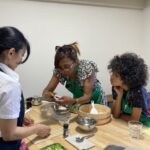
- What the group format feels like
- The Tasting Session: Eat What You Made With Drinks
- Take-Home Recipes: The Real Reason This Class Is Worth It
- Price and Value: Is $70 a Good Deal?
- Who This Class Fits Best (and Who Might Want Something Else)
- Timing, Energy, and What to Wear
- Should You Book This Ramen and Gyoza Class in Nanba?
- FAQ
- How long is the Osaka ramen and gyoza cooking class?
- What will I cook in the class?
- Are drinks included?
- What is included in the price?
- Is hotel pickup included?
- How big is the group?
- What language will the instruction be in?
- Where do I meet the instructor?
Key things I’d focus on before you go
- Small group (up to 8) means you get attention while you chop, roll, and fold.
- Ramen noodles from scratch is the big payoff, including prep and dough handling.
- Gyoza folding practice teaches the shapes that affect how they cook.
- Tasting session with drinks includes sake, beer, and soft drinks alongside what you made.
- Take-home recipes help you repeat the dishes after you’re back home.
- No hotel pickup keeps the price focused on instruction, but puts the onus on you to find the address.
Why Nanba Works for a Ramen and Gyoza Class
Nanba is one of the easiest neighborhoods in Osaka to pair with other food stops, and it’s a good match for a cooking class. You’re close to the energy of the city, but the experience itself stays focused: a real, guided kitchen session designed around ramen and gyoza.
What makes this class feel different is that it’s not just watching. You cook in a group setting with fluent English support (plus Japanese), which helps a lot if your Japanese is limited. The end goal is simple: understand what to do, do it yourself, then eat the result.
You can also read our reviews of more cooking classes in Osaka
Finding Dear Court Semba 303 Without Stress
The meeting point is at Dear Court Semba 303: 4-chōme-3-1 Bakurōmachi, Chuo Ward, Osaka 541-0059, Japan. You’ll enter through the building entrance, then use the doorbell panel at the start.
Here’s the practical method:
- Press 303 on the doorbell panel
- Hit the “Call 呼” button
- Once the door opens, go up by stairs or elevator to Room 303 on the 3rd floor
No hotel pickup means you’re responsible for your own route, but the good news is the instructions are clear. If you want this to go smoothly, give yourself extra time to find the building and get settled before the start.
The 30-Minute Start: Orientation That Actually Matters
Before the cooking gets hands-on, you get a 30-minute orientation and preparation session. This is one of the best parts of the schedule because it sets you up to move confidently once you’re working with ingredients and timing.
In practical terms, the prep time helps you:
- Get comfortable with the tools and workstation
- Learn what you’ll be making and in what order
- Ask questions early, when it’s easiest to get clear answers
You’ll see this same theme in how people describe their experience: the hosts don’t just send you to a recipe. They walk you through the process step-by-step, and instructors like Keiichi, Mimi, and Yuma show patience while you catch up and get started.
1.5 Hours of Hands-On Cooking: Ramen and Gyoza From Scratch
The main cooking block is 1.5 hours of hands-on experience. This is where the class earns its value. Even if you’ve made dumplings before, you’ll likely learn a new method or at least a better way to get consistent results.
Making ramen: flour to noodles
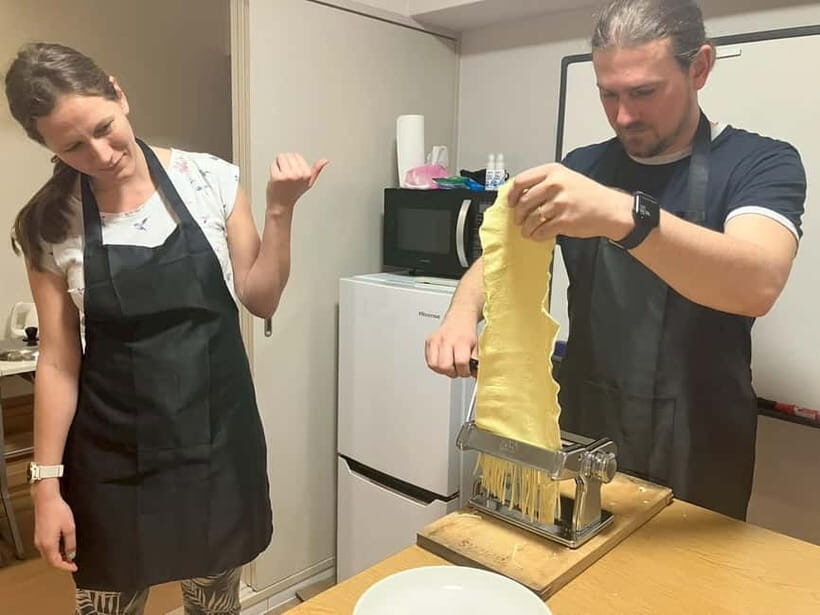
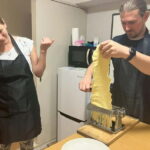
You’re taught to make traditional ramen, and the process includes making the ramen flour and shaping the noodles. That matters because ramen at home is often either store-bought noodles or a vague attempt that doesn’t match what you get in Japan.
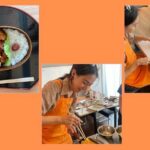
In class, you’re involved in the real steps: prepping, mixing/working the dough, and learning what to aim for as you go. One of the most praised moments is getting the noodles from scratch, because it’s the part that usually feels hardest from outside the kitchen.
A few more Osaka tours and experiences worth a look


Gyoza: vegetables, pork, and the fold
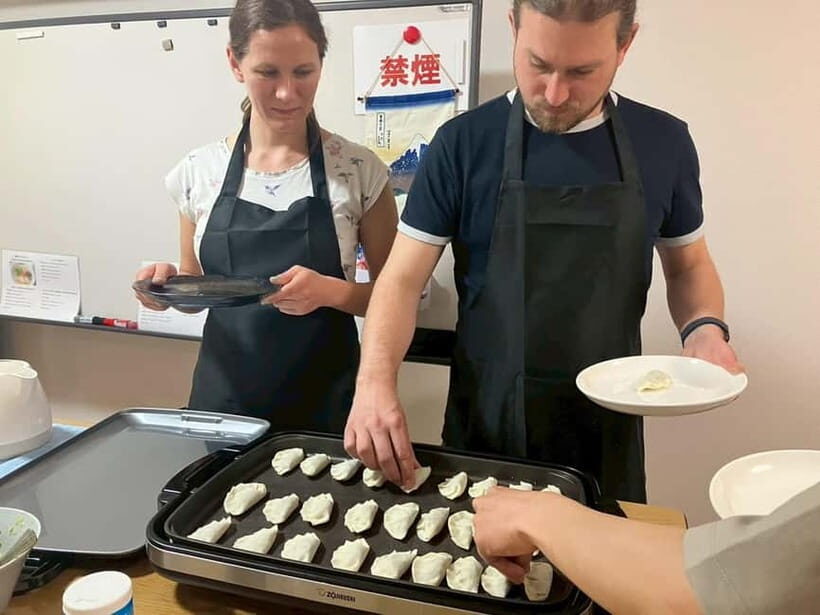
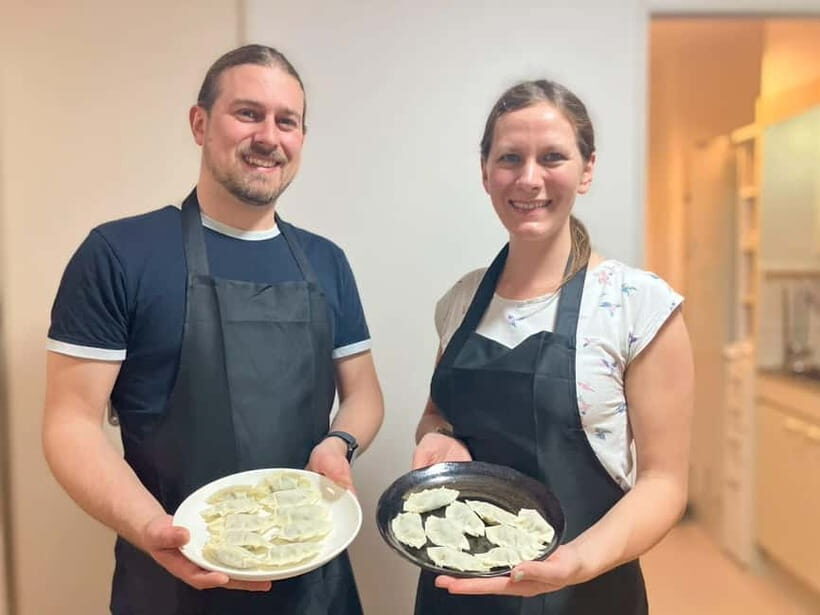
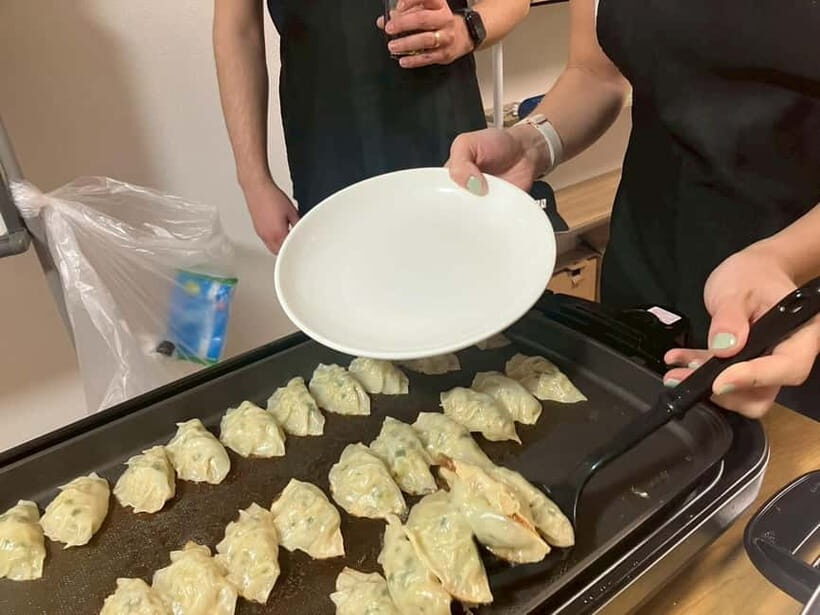
You’ll also make gyoza—vegetable dumplings with pork—plus the techniques that turn a pile of filling into dumplings that cook well. The class focuses on the details of folding, not just filling and sealing.
If you’re the type who likes to get your hands moving, this is your stretch. People consistently highlight how instructors break folding down into a rhythm you can follow, with plenty of correction so you don’t end up with dumplings that open when cooked.
What the group format feels like
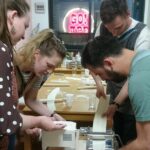
This is a small group experience with a limit of 8 participants. That size is big enough to be social, but small enough that the instructors can check your work. You’re not stuck waiting for help while others get priority.
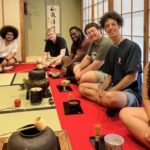
A few people also describe the mood as dinner-with-friends rather than a stiff classroom. That’s not fluff: when you’re learning a hands-on skill, a relaxed tone actually helps you ask questions and keep moving.
The Tasting Session: Eat What You Made With Drinks
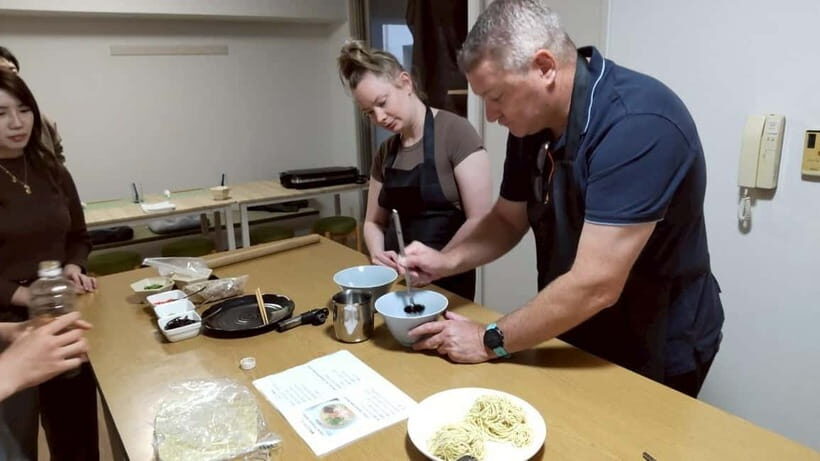
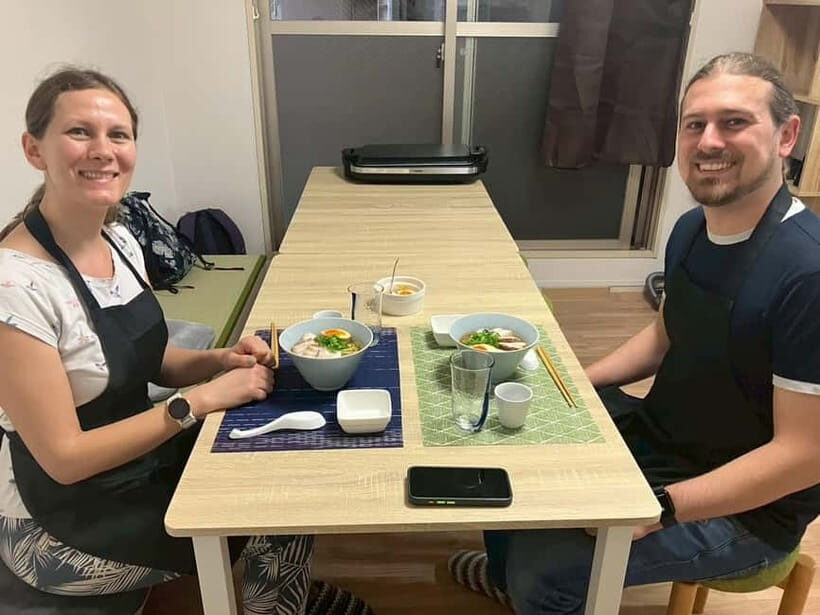
After cooking, you get a 1-hour tasting session. This is the moment that turns skill-building into a full meal experience.
What you’ll enjoy includes what you made—ramen and gyoza—paired with drinks such as:
- sake
- beer
- soft drinks
This structure is great because it gives you a built-in quality check. Once you taste your own ramen and gyoza, you immediately understand what you got right and what you might want to adjust next time (thickness, seasoning balance, and dumpling technique).
Take-Home Recipes: The Real Reason This Class Is Worth It
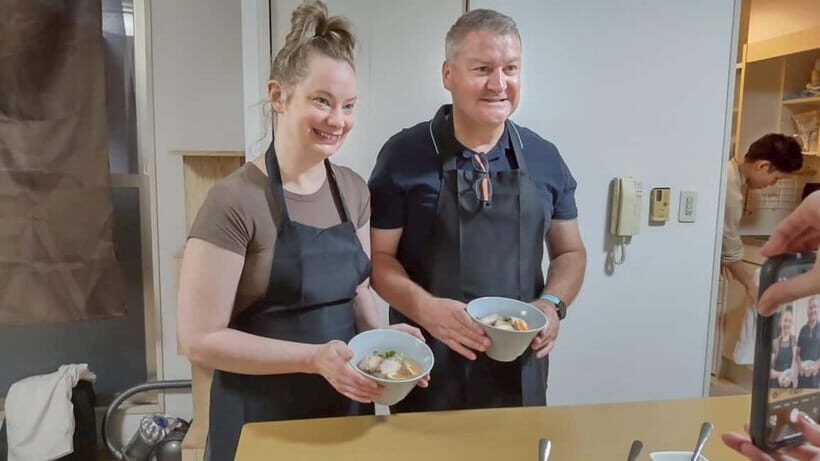
You get recipes to take home, and this is a big deal for value. Most cooking classes end when you leave. This one tries to extend the experience into future dinners.
You can expect recipe cards that help you recreate the dishes without guessing. That’s especially useful for ramen, since the steps and dough handling are the kinds of details people lose track of after the kitchen session ends.
If you cook at home sometimes, this makes the $70 feel more like a focused workshop than a one-off meal. You’re paying for both instruction and a repeatable result.
Price and Value: Is $70 a Good Deal?
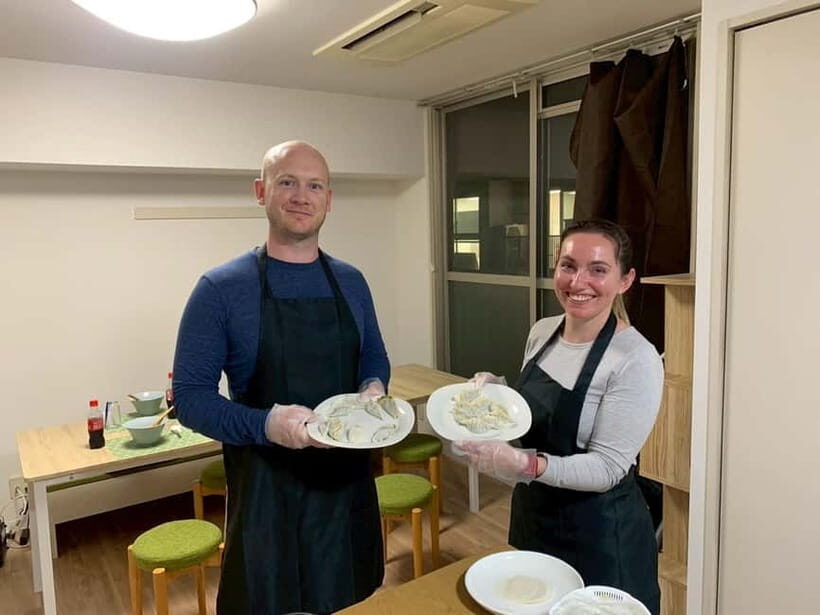
At $70 per person for a total 2-hour experience, you’re paying for more than food. You’re paying for:
- guided instruction from Washoku professionals
- ingredients and tools for cooking
- time and support while you make both ramen and gyoza
- the tasting meal (plus drinks)
- take-home recipes
The value is strongest if you fall into one of these groups:
- You want to cook Japanese food at home, not just eat it out
- You like learning technique, especially dough work and folding
- You’re visiting Osaka and want a hands-on evening activity that isn’t another walking tour
If you only want a quick bite, the price may feel high. But if you want the skills, the ingredients-for-the-process, and a meal you helped make, this is a pretty direct trade.
Who This Class Fits Best (and Who Might Want Something Else)
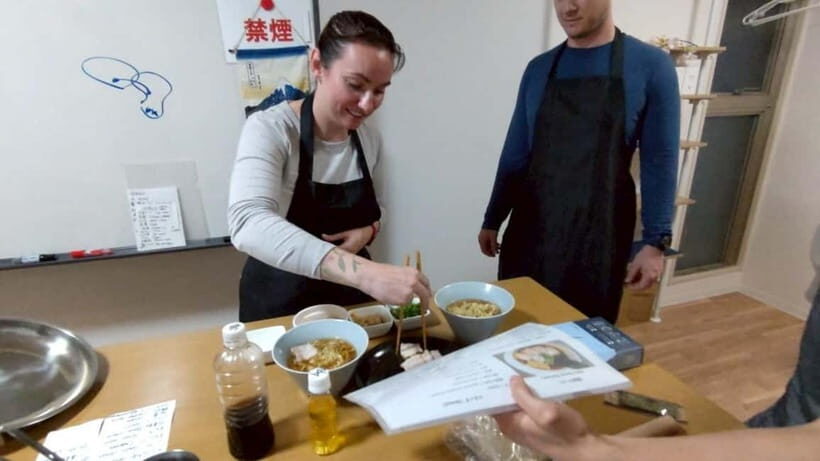
This class is suitable for beginners and food enthusiasts, which is the sweet spot for many visitors. If you can follow instructions and you’re willing to get your hands floury, you’ll be fine.
It also works well for:
- couples or friends looking for an activity that ends in a shared meal
- solo travelers who want structure and conversation
- families—some groups have done it with teens and reported everyone had a good time
One practical note: it’s a group cooking setup. So if you prefer private instruction or quiet solo time, you might feel the group energy. The upside is that the small size helps you still get attention.
On the diet side, you should know that there are indications the team can accommodate vegan requirements. If you have strict dietary needs, ask ahead so they can plan accordingly.
Timing, Energy, and What to Wear
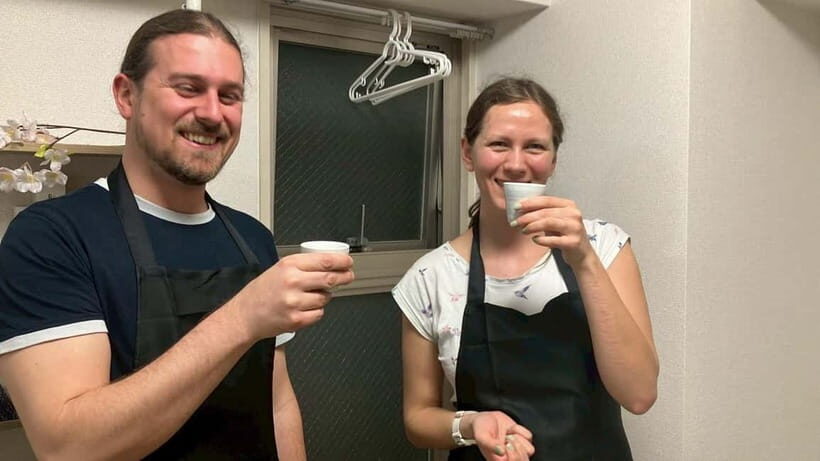
You’re working hands-on for 1.5 hours after a shorter orientation, then you eat during the tasting. That means you’ll want to treat it like a kitchen session, not a light snack stop.
Wear something comfortable for food prep and possibly a little mess. Bring a basic attitude of patience—especially for noodle shaping and dumpling folding. These are skills, and you’ll learn them faster when you focus on doing the step in front of you.
Also, since there’s no hotel pickup, plan to get there early enough to handle elevators/stairs and settle before the session begins.
Should You Book This Ramen and Gyoza Class in Nanba?
I’d book it if you want a real Osaka food experience with hands-on ramen noodles, gyoza folding technique, and a meal that tastes like your work. The take-home recipes plus the tasting with sake/beer/soft drinks make it more than a cooking demo.
Skip it (or consider an alternative) if you hate finding apartment-building meeting points or you only want the simplest food experience without cooking. No pickup is a small tradeoff, but it does mean you’ll need to navigate on your own.
If you’re visiting Nanba and you want one evening that feels practical, fun, and skill-focused, this is a strong choice.
FAQ
How long is the Osaka ramen and gyoza cooking class?
The experience lasts 2 hours total, with a 30-minute orientation and preparation, 1.5 hours of hands-on cooking, and a 1-hour tasting session.
What will I cook in the class?
You’ll make traditional Japanese ramen and gyoza (dumplings with vegetables and pork).
Are drinks included?
Yes. The tasting session includes drinks such as sake, beer, and soft drinks.
What is included in the price?
The price includes all ingredients and tools, expert guidance, the cooking and tasting time, and recipe cards you can take home.
Is hotel pickup included?
No, hotel pickup and drop-off are not included.
How big is the group?
This is a small group limited to 8 participants.
What language will the instruction be in?
Instruction is available in English and Japanese.
Where do I meet the instructor?
Meet at Dear Court Semba 303, 4-chōme-3-1 Bakurōmachi, Chuo Ward, Osaka 541-0059. Enter via the doorbell panel by pressing 303 and the “Call 呼” button, then go to Room 303 on the 3rd floor using stairs or the elevator.