A day in Kyoto can feel chaotic; this one is planned. I like the private setup with hotel pickup and drop-off in Osaka, because it removes the morning scramble and keeps the day moving. You also get an English-speaking driver and a guide who can translate and help with photos, which matters a lot when your Japanese is still in “please” mode.
The best part is the all-in-one route through Kyoto’s headline neighborhoods and icons. You’ll hit Fushimi Inari-taisha, the Arashiyama Bamboo Forest, Kinkaku-ji, Kiyomizu-dera, Gion, and Hokan-ji (Yasaka Pagoda) with a guide who can adjust if there’s time. One consideration: temple entrance fees for several stops are not included, so you should budget a little extra on top of the tour price.
In This Review
- Key points to know before you go
- Private Kyoto from Osaka: why this style works
- Price and value: what you’re actually paying for
- Getting around Kyoto without losing the plot
- Fushimi Inari-taisha: torii gates, stairs, and first-hour magic
- Arashiyama Bamboo Forest: what you should expect in an hour
- Kinkaku-ji Golden Pavilion: entrance ticket, big payoff
- Kiyomizu-dera: UNESCO vibes and a lot of stairs
- Gion and Hokan-ji: finishing with old-street Kyoto feel
- Guide quality matters: what to check before you go
- Who this tour is best for (and who should DIY it)
- Should you book this private Kyoto day from Osaka?
- FAQ
- What time does the tour start?
- What’s included in the tour price?
- Which temple entrance fees are not included?
- Is lunch included?
- Can I wear a kimono during the tour?
- Is this tour private?
- What happens if the tour is canceled due to weather?
Key points to know before you go
- Hotel pickup and drop-off in Osaka saves you from timing trains and transfers.
- A guide who translates and takes photos helps you slow down and enjoy, not just move.
- Fushimi Inari early-day energy gives you a better start before the crowds thicken.
- Arashiyama Bamboo Forest as a scheduled stop (not a random photo dash).
- Golden Pavilion and Kiyomizu-dera need added tickets—plan for the entrance costs.
- Gion plus Hokan-ji lets you end the day with old-street Kyoto vibes.
Private Kyoto from Osaka: why this style works
Doing Kyoto as a day trip usually comes down to one question: do you want logistics to run your day, or do you want Kyoto to? This tour is built for the “I want my day back” crowd. You start in Osaka at 9:30 am and spend about 6 to 10 hours total, which is a realistic range once you factor in driving time, walking time, and the fact that Kyoto sites don’t sit next to each other like they do in a brochure.
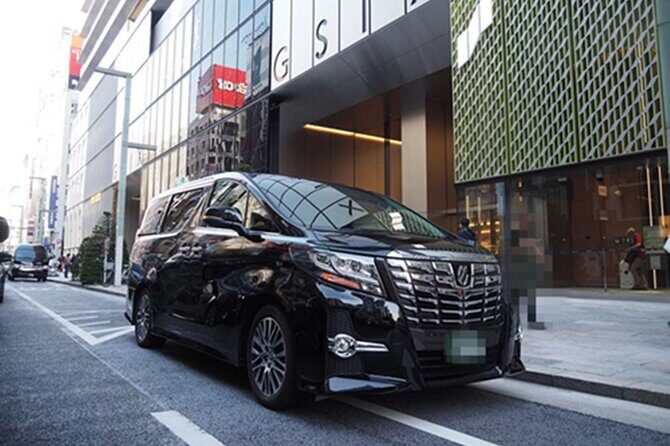
I also like that it’s private. You’re not sharing your schedule with a large bus group, and that means you’re more likely to get pacing that fits your feet and your patience. Add in an air-conditioned vehicle, parking fees, toll fees, and an English-speaking driver, and you’re paying for a lot of the stress to be handled for you.
The route is stacked with major highlights, but the goal isn’t just checkboxes. With a guide staying with you at each stop, you’re more likely to notice the small details that make places feel real—like the way Fushimi Inari’s torii tunnels change from street-level streetscape into a quieter, more shaded corridor.
You can also read our reviews of more private tours in Osaka

Price and value: what you’re actually paying for
At $367.07 per person, this is not a budget tour. The value comes from what’s included: private transportation, parking fees, toll fees, and an air-conditioned vehicle plus an English-speaking driver. You’re also getting a guide who can translate and handle photos, which can save time and reduce the frustration of trying to figure out where to stand for the best angles.
Now the part to plan for: entrance fees are not included for several stops:
- Kinkaku-ji (Golden Pavilion): ¥500
- Hokan-ji: ¥400
- Kiyomizu-dera: ¥400
That’s ¥1,300 total, which is not huge, but it’s the kind of cost that surprises people when they’re comparing “tour price” vs “real total.” Also note that lunch isn’t included, and there’s an optional kimono dress experience in the Kimono Forest area ranging from ¥3,980 to ¥6,000.
So the money question is really this: if you’d otherwise spend time hunting tickets, timing trains, and negotiating meet points, this private setup can feel fair. If you’re the type who enjoys DIY navigation and already knows your way around Kyoto, the price may feel steep.
Getting around Kyoto without losing the plot
The tour includes hotel pickup and drop-off from Osaka, and that matters more than people think. A Kyoto day trip can start shaky if your pickup location is unclear or if you’re arriving late to a meet point. In real-life situations, meeting can get tricky when lodging or addresses aren’t specific—so do yourself a favor and send the exact hotel name and the specific entrance you’ll use.
Also, pay attention to how this day is structured: you’ll have a full sequence of stops, with roughly 1 hour allotted per location. That means you’re not wandering at will for half a day. You’ll get time to see, take photos, and read the vibe—but you should keep expectations realistic about how much you can cover in each stop.
Fushimi Inari-taisha: torii gates, stairs, and first-hour magic
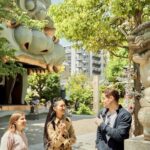
You start at Fushimi Inari-taisha Shrine, built to honor Inari, the Shinto god of rice. This is one of those places where the site is the story: the torii gates form long paths that feel like you’re walking through a living corridor.
You get about 1 hour here, and admission is free. That’s perfect for a first look—especially because you can do two styles of visit in one stop:
- a calmer approach through the gate tunnels and main shrine area
- or a more energetic climb toward viewpoints if you’re up for stairs
Practical tip: wear shoes you don’t mind getting tired in. Even if you don’t go far up, the ground and stairs add up quickly. If you’re the kind of person who wants one “signature” viewpoint photo, this is also the stop where you’ll want to ask your guide where to stand. Getting the gate lines right makes your photos look more Kyoto and less random.
Arashiyama Bamboo Forest: what you should expect in an hour
Next comes Arashiyama, with the star being the Arashiyama Bamboo Forest. This is famous for good reason. The walking path through tall bamboo can feel strangely soothing, like you’ve stepped into a more controlled version of nature.
The stop is about 1 hour, and again admission is free for the forest area. You’ll also want to know the region’s famous Sagano Romantic Train ride is in the Arashiyama/Sagano zone, but your tour time here is focused on the bamboo forest stop itself. In an hour, you’re unlikely to do much more than bamboo, a few side streets, and your photo ops—so keep it simple and enjoy the main attraction.
One thing to keep in mind: Arashiyama is popular. Even with a guide, you may share space with other visitors at the busiest pinch points. Your best move is to treat this like a “walk-through” experience and not a long sit-and-stare session. The bamboo changes as you move.



Kinkaku-ji Golden Pavilion: entrance ticket, big payoff
Then you reach Kinkaku-ji (金閣寺), the Golden Pavilion. This Zen temple’s top two floors are covered in gold leaf, and the shimmer is the point. It’s not subtle. This is Kyoto saying, yes, I’m famous—and I can pull it off.
You get about 1 hour here, and the entrance fee is ¥500 per person. That means you should plan your time tightly: arrive ready, take a few photos from the obvious angles, and also walk for one or two different perspectives. The pond views and surrounding structures affect how the gold reads in your photo, especially in shifting light.
Potential drawback: because it’s an iconic site, it can get busy. A private guide doesn’t magically erase crowds, but it can help you avoid wasting your precious hour standing in the wrong spot. Ask where the best angle is for your group, then set your camera and relax.
Kiyomizu-dera: UNESCO vibes and a lot of stairs
Kiyomizu-dera Temple is next, and it’s part of the Historic Monuments of Ancient Kyoto UNESCO World Heritage site. The appeal here is the scale and the views. This is the kind of place where even if you only have an hour, you still feel like you’ve been to something important.
You’ll spend about 1 hour here, and the entrance fee is ¥400 per person. Expect walking, viewpoints, and crowds moving at different speeds. If you’re prone to leg fatigue, plan to take short pauses. Your guide will help keep you oriented so you don’t end up circling the same areas while others move ahead.
A quick practical note: save energy for this stop. By the time you reach Kiyomizu-dera, you’ve already been walking earlier in the day at Fushimi Inari and Arashiyama. Good shoes still win.
Gion and Hokan-ji: finishing with old-street Kyoto feel
After Kiyomizu-dera, you head to Gion, Kyoto’s most famous geisha area. This stop is about 1 hour and free. Gion is one of those districts where the streetscape itself is the attraction. Even if you don’t see a geisha or maiko up close, the point is the feeling: old wooden streets, traditional atmospheres, and the sense that Kyoto operates on a slower clock.
Then you wrap with Hokan-ji Temple, known colloquially as Yasaka-no-to (Yasaka Pagoda). It’s a 46-meter tall pagoda, with graceful, sloping roofs on each tier. This one is especially good if you like Kyoto’s vertical landmarks—something you can spot, then walk toward, and then photograph as you get closer. The entrance fee is ¥400 here.
What I like about ending on Hokan-ji is that it balances the day. You’ve seen torii gates and bamboo. You’ve seen gold and temple platforms. Ending with a tall pagoda helps the day feel complete—like you didn’t just sprint through highlights.
Guide quality matters: what to check before you go
This tour includes an English-speaking driver, and the overview says your tour guide helps you at destinations as a translator and photographer. That’s a big deal because Kyoto rewards context. Signs can be tricky. Ticket lines can be confusing. And photo spots aren’t always obvious unless someone shows you.
One real concern that can make or break the day is communication and pickup precision. In one case tied to a complicated meeting location, the guide managed the situation and got the group connected anyway. In a different situation, a lack of communication and confidence with driving led to a cancellation right away.
So here’s my advice to protect your time:
- Confirm the exact pickup point with your hotel staff so you’re not hunting outside.
- Be ready before the scheduled meeting time.
- If you have your own wayfinding needs, tell your guide early.
It’s not just safety. It’s also tempo. When everyone is synced from the start, the day feels smooth.
Who this tour is best for (and who should DIY it)
This private Kyoto tour works best if:
- you want multiple iconic sights without planning between them
- you’d rather pay for transport + guidance than manage buses and train timing
- you care about having someone help with translation and photos
- you’re traveling with people who appreciate comfort and predictable pacing
You might prefer a do-it-yourself approach if:
- your group is confident navigating Kyoto and you don’t mind tickets and signage
- you want a more open-ended day with longer wandering in just one district
- you’re happy to handle your own photo locations and timing
Also, keep the day length in mind: 6 to 10 hours is a wide range. If you’re traveling with anyone who tires out easily, you’ll want to be honest about walking stamina before committing.
Should you book this private Kyoto day from Osaka?
If you value time and want a Kyoto hits-the-main-spots day with hotel pickup, private transportation, and a guide who stays with you, I think this is a strong choice. The route is sensible: torii first, bamboo next, then the gold and view-focused temples, finishing with Gion and a towering pagoda.
The only real reasons to hesitate are predictable: extra entrance fees at Kinkaku-ji, Hokan-ji, and Kiyomizu-dera, plus the fact that you only get about an hour per stop. If you’re dreaming of long, slow wandering, this might feel a little structured.
My practical bottom line: book it if you want Kyoto to feel guided, comfortable, and efficient. Don’t book it if you want to linger all day in just one neighborhood.
FAQ
What time does the tour start?
The tour starts at 9:30 am.
What’s included in the tour price?
It includes private transportation, parking fees, an air-conditioned vehicle, an English-speaking driver, fuel surcharge, and toll fees.
Which temple entrance fees are not included?
Entrance fees are not included for Kinkaku-ji (¥500), Hokan-ji (¥400), and Kiyomizu-dera (¥400).
Is lunch included?
No, lunch is not included.
Can I wear a kimono during the tour?
There’s an option for kimono dress in Kimono Forest, ranging from ¥3,980 to ¥6,000, but it is not included.
Is this tour private?
Yes. It’s a private tour/activity, meaning only your group participates.
What happens if the tour is canceled due to weather?
This experience requires good weather. If it’s canceled due to poor weather, you’ll be offered a different date or a full refund.