REVIEW · OSAKA
Osaka Street Food Adventure: Taste Local Flavors with Guide
Book on GetYourGuide →Operated by Cooking Sun · Bookable on GetYourGuide
Osaka street food hits different with a guide. I love how this tour lines up classic bites like takoyaki and kushikatsu with real neighborhood context, not just a food list. The one drawback to plan for: the foods often include meat, seafood, wheat, and dairy, so this isn’t a great fit for people with food allergies.
I also like the small-group feel. You meet at Ebisucho Station (Exit 3) and spend about 3 hours walking Shinsekai and Dotonbori, with a quick subway hop to Namba and a finish near the Glico sign for photos. The guide shares what to order, what to watch for, and where locals tend to linger.
In This Review
- Key reasons this tour works so well
- Meeting at Ebisucho: where the tour starts and how to feel ready
- Shinsekai: croquettes, wagashi, kushikatsu, and the fun of ordering like locals
- Tsutenkaku Tower stop: short photo time, long neighborhood meaning
- Dotonbori tastings: takoyaki, street classics, and the glow of big signage
- Hozenji Yokocho: the alley you walk into, not the one you just read about
- Namba depachika: how the subway snack gap gets filled
- The drink stop: why it matters as much as the food
- What you truly get for $83: value, portions, and “did I eat enough?”
- Who this tour is perfect for (and who should skip it)
- My quick booking checklist: decide fast
- FAQ
- Where do I meet the tour?
- How long is the Osaka Street Food Adventure?
- What’s included in the price?
- Are subway fares included?
- How many people are in the group?
- Is the tour wheelchair accessible?
- What dietary restrictions should I know about?
- What’s the ending point?
- Is smoking allowed?
Key reasons this tour works so well
- Shinsekai + Tsutenkaku context: you get street-food tastings and the neighborhood stories behind them.
- 6 to 10 tastings, not just one bite: you actually leave full (and with new favorites).
- Old-school shops for big-name classics: you’ll taste items tied to long-running eateries and sweets makers.
- Street-to-food-hall mix: you sample handheld snacks and then shift gears to a depachika stop in Namba.
- Lantern-lit Hozenji Yokocho: a classic alley experience without needing to figure out the maze alone.
- Guide flexibility: in at least some groups, extras like old pachinko and other snacks get worked in when timing allows.
Meeting at Ebisucho: where the tour starts and how to feel ready
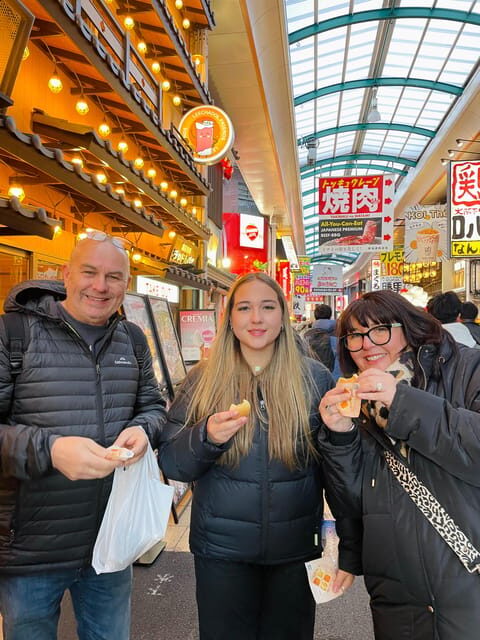
Your morning starts at 11:00 am at Ebisucho Station, ground level at Exit 3, in front of the restaurant Osho. This is the kind of meeting point that saves you time: you’re not wandering around trying to match a vague pin on a map while hungry.
Wear comfortable shoes. This is a walking food tour, and you’ll be on your feet through Shinsekai, parts of Dotonbori, and the alleyways around Hozenji Yokocho. Also note the simple rules: no smoking, and you’ll want to keep your hands free for snacks and small photos.
The group size stays small—up to 8 people—so you don’t feel like you’re part of a slow moving parade. Your guide speaks English (and also Japanese), which matters in Japan when you’re trying to follow what’s being served and why locals order it that way.
You can also read our reviews of more food & drink experiences in Osaka

Shinsekai: croquettes, wagashi, kushikatsu, and the fun of ordering like locals
The tour begins in Shinsekai, a district known for its retro vibe and all-day snacking culture. Right away, you’re not “sampling randomly.” You’re walking with a plan: the guide pulls you into the right shops, at the right time, for the kind of food that locals treat like everyday comfort.
In Shinsekai, you’ll likely hit a mix of savory and sweet. One stop includes fresh croquettes from a historic butcher shop, which is a great way to understand Osaka’s love of crunchy, fried comfort foods. Then there’s wagashi from a confectionery that’s been around for centuries—perfect for slowing down and tasting something delicate after the first wave of salty bites.
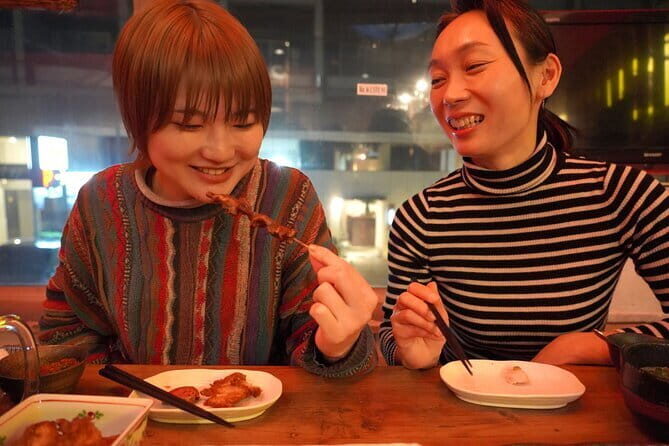
Next comes a classic you can’t fake with store-bought versions: kushikatsu, deep-fried skewers. You’ll enjoy them right where locals eat, which is the real point of the tour. Kushikatsu is simple on the menu, but the technique and the vibe are where the experience lives.
You’ll also get other local-friendly bites along the way, including items described as steamed meat buns, plus more street snacks as the guide builds your tasting lineup. And if you’re curious about how Osaka people talk about food, your guide usually adds stories while you walk—how certain neighborhoods became food stops, and why certain shops still draw a crowd.
What I liked most: Shinsekai isn’t treated like an attraction. It’s treated like a place where people eat. That difference makes you feel less like a tourist and more like you’re joining a normal day.
Tsutenkaku Tower stop: short photo time, long neighborhood meaning
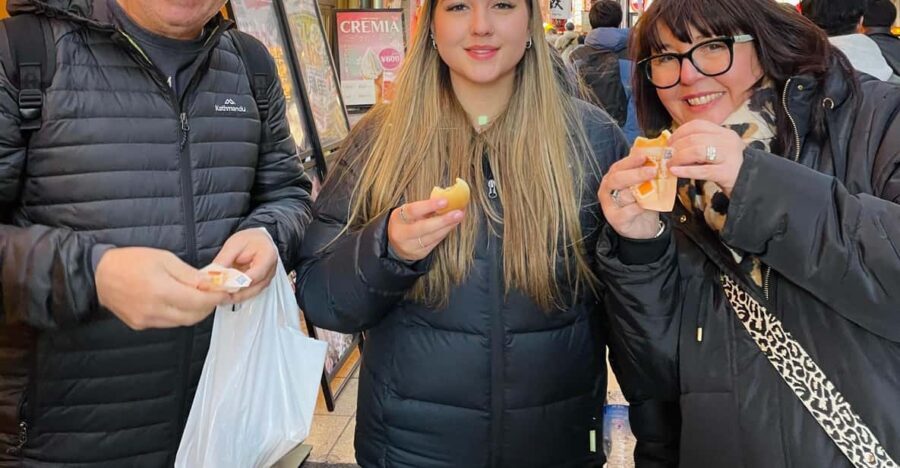
You only spend about 10 minutes around Tsutenkaku Tower, so this isn’t a sightseeing marathon. It’s a quick checkpoint that gives you a visual anchor for everything you just tasted in Shinsekai.
Here’s how I’d think about this stop: Tsutenkaku helps you connect the dots. When you’re eating in a retro district, it’s easier to remember what you saw if you can tie it to one recognizable landmark. Your guide also uses the tower area to explain how Shinsekai’s identity shows up in food and street life.
Don’t expect a long sit-down experience here. Expect a brief pause, a few photos, and then back on the move.
Dotonbori tastings: takoyaki, street classics, and the glow of big signage
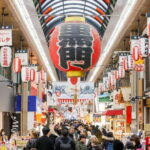
After Shinsekai, you shift toward Dotonbori, one of Osaka’s most famous entertainment and food zones. You’ll get roughly 1 hour of tastings and walking here, with time to notice how people actually behave in a street-food hot spot—standing close to counters, sharing things quickly, and ordering without overthinking it.
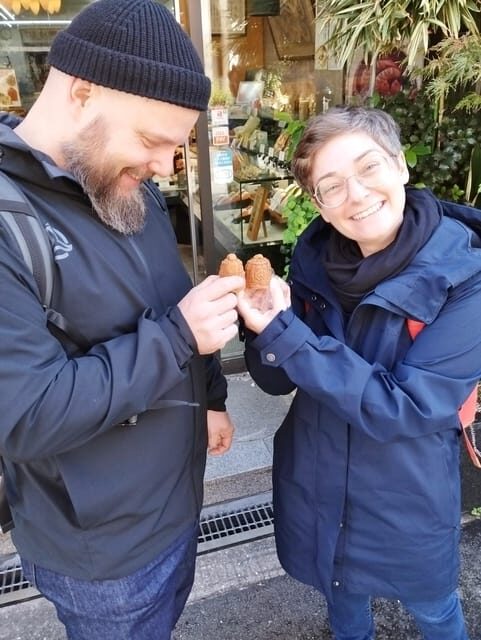
A highlight is takoyaki from what’s described as Osaka’s oldest takoyaki shop. That’s a strong choice for the tour because takoyaki is the one dish nearly everyone wants to try, but most people don’t know where to go. This puts you on a path that makes sense.
You can also expect more than just one “big name” snack. The tour info points to a range of handpicked dishes, and in at least one group, the guide added more Osaka staples like okonomiyaki and even fried eel, plus fun extras like a sushi train stop.
You may also get a drink at a local restaurant. One group specifically mentions Asahi beer paired with fried skewers, which is exactly the kind of practical pairing that makes your taste buds happy instead of waiting around for the next stop.
The best part of Dotonbori on this tour is that you’re not only chasing the famous signs. You’re learning what to order, when to order, and how to keep moving so you don’t end up with a long wait and a cold snack. If you’re the type who wants to maximize time without rushing, your guide’s pacing helps.
Hozenji Yokocho: the alley you walk into, not the one you just read about
Next comes Hozenji Yokocho, a lantern-lit alleyway with old-world charm. You’ll spend about 1 hour here, which is enough time to slow down and actually enjoy the setting instead of treating it like a quick Instagram stop.
This is a great contrast moment. You go from busy street-food energy to something more atmospheric. The tour gives you time to wander, notice the tight lanes and the lighting, and still keep your tasting rhythm going.
If you like the idea of Osaka as more than just neon and fried food, this is where that side shows up. Hozenji Yokocho feels like a place locals drop into for casual drinks and conversation, not a theme set built only for visitors.
Keep your camera handy, but don’t block your route. In alleyways, space is tight and you’ll appreciate moving like a human instead of like a tourist traffic cone.
A few more Osaka tours and experiences worth a look

Namba depachika: how the subway snack gap gets filled
Between street corners, you’ll also get to experience Osaka’s efficient public transport for a short hop into Namba. The subway fare is 190 yen (not included), so just plan to have that ready.
The payoff is a depachika stop. This is a department store food hall, and it’s one of the easiest ways to taste “gourmet snack culture” without hunting down individual shops on your own. You can sample gourmet treats, snack-hunt at your own pace, and see what locals pick when they’re shopping for something special.
If street food is your priority, depachika might feel like a change of gear. But that’s why it works: you get a broader sense of Osaka flavors—things you’d actually want to buy as gifts or bring back later.
This also helps balance the walking-heavy part of the tour. You get a break from constant street wandering while still tasting more foods.
The drink stop: why it matters as much as the food
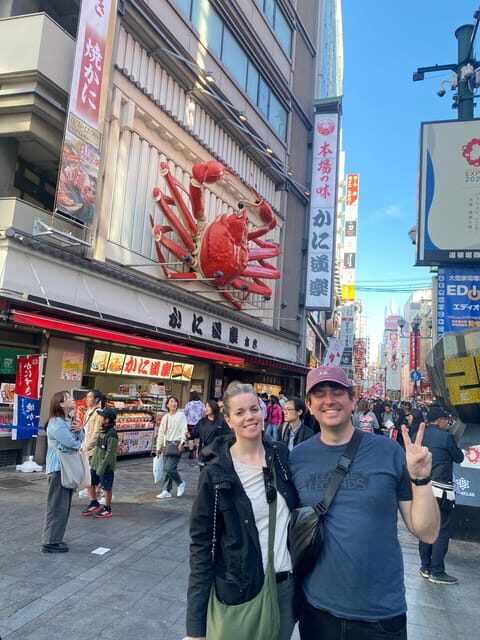
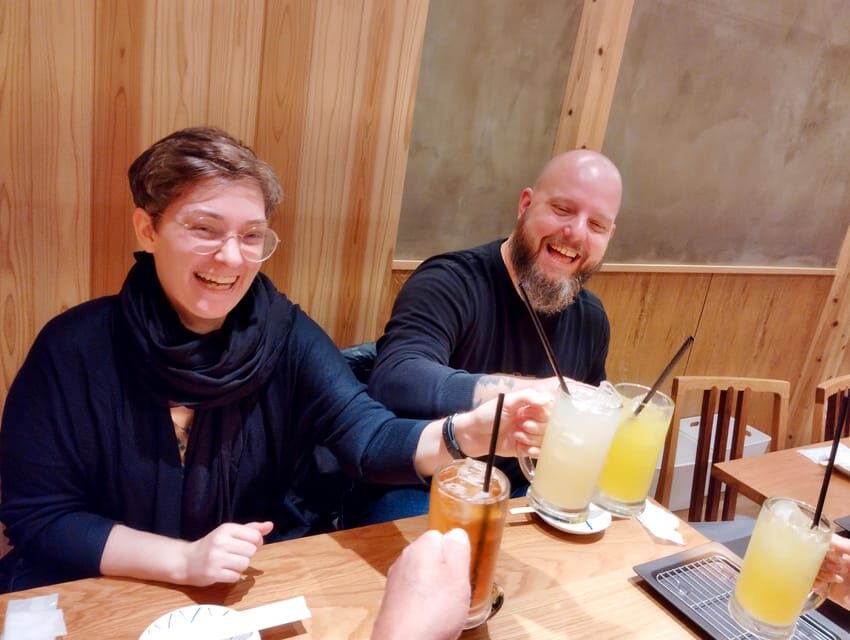
The tour includes one drink at a local restaurant. It’s not just about adding alcohol or refreshment. It’s about pacing your meal so you’re tasting everything at the right temperature and not blowing past your appetite too early.
In the group experience shared, drinks showed up alongside fried foods—like Asahi beer with skewers. That’s a smart pairing because fried snacks and beer are basically built for each other: salty, crisp, and cooling.
If you prefer non-alcoholic options, you might ask your guide on the day. The tour info doesn’t specify drink types, so your best bet is to communicate your preference early when you meet.
What you truly get for $83: value, portions, and “did I eat enough?”
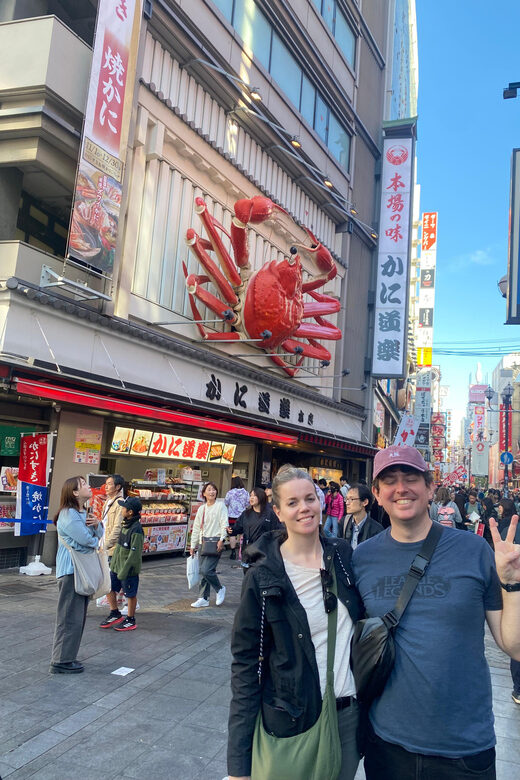
At $83 per person for about 3 hours, this tour is priced around a key idea: you’re paying for access and direction, not just food.
You get 6 to 10 curated tastings (season and availability can vary), plus one drink, plus an English-speaking local guide for the full walk. You also get structure: the guide brings you to specific shops like historic confectioneries and longstanding takoyaki spots, which saves you from the guessing game of “Is this place legit, or just convenient?”
Could you buy the snacks yourself? Sure. But you’d need to:
- figure out which shop to trust,
- find the places that match your taste (sweet, savory, fried, etc.),
- and keep the flow so you don’t waste time between stops.
That’s where the price starts to make sense. The tour is basically selling you time, comfort, and a smarter ordering plan—so you leave with more than one “Osaka photo” and actually feel like you learned how to eat there.
Just don’t forget the small extra costs: transport to/from the tour start, and the 190 yen subway fare for the Namba leg are not included. Add those in your mental budget.
Who this tour is perfect for (and who should skip it)
This is a great fit if you:
- want signature Osaka street foods like takoyaki and kushikatsu without doing your own restaurant research,
- like retro neighborhoods and want real context as you walk,
- enjoy small groups and guided pacing,
- and want a balance of street snacks plus a depachika food hall stop.
It’s not suitable for people with food allergies. That’s stated clearly, and it’s worth respecting. Also, the tour advises that meals may include common allergens like meat, seafood, wheat, and dairy, so if you have restrictions, contact the provider in advance to see what substitutions might be possible.
One more practical note: bring your appetite, but also remember that a food tour means you’ll be eating continuously. If you get overwhelmed by fried foods or you prefer very light meals, consider setting expectations with your guide.
My quick booking checklist: decide fast
Should you book? I’d say yes if you want a low-stress way to taste Osaka’s best-known flavors while still getting local neighborhood flavor.
Book this tour if:
- you’re hungry for takoyaki + kushikatsu and you don’t want to hunt for the right places,
- you like walking and photo stops like Tsutenkaku and the Glico sign,
- you’re comfortable with an eating schedule that includes fried snacks and sweets.
Skip it if:
- you have a serious food allergy,
- you hate walking or prefer a sit-down, single-restaurant experience,
- or you’re trying to eat only one type of food (this tour intentionally mixes savory and sweet).
If you’re the middle-of-the-road kind of eater who wants both fun and guidance, this one is a strong call.
FAQ
Where do I meet the tour?
Meet at Exit 3 of Ebisucho Station, ground level, at 11:00 am, in front of the restaurant Osho.
How long is the Osaka Street Food Adventure?
The tour lasts 3 hours.
What’s included in the price?
It includes 6–10 food tastings (seasonal variation possible), one drink at a local restaurant, and a local guide who speaks English and Japanese.
Are subway fares included?
No. The subway fare is 190 yen for the Shinsekai area to Namba segment.
How many people are in the group?
The group is limited to 8 participants.
Is the tour wheelchair accessible?
Yes, it is listed as wheelchair accessible.
What dietary restrictions should I know about?
This tour is not suitable for people with food allergies. Meals may include meat, seafood, wheat, and dairy, so if you have restrictions, contact the provider in advance.
What’s the ending point?
The tour ends at the Glico sign in Dotonbori.
Is smoking allowed?
No, smoking is not allowed during the tour.