REVIEW · FUKUI PREFECTURE
Private Echizen Knife Making Factory and walking Tour
Book on Viator →Operated by Craft Invitation · Bookable on Viator
Echizen knives are personal, not packaged. This private tour brings you close to the daily work behind famous Echizen cutlery, with time in two workshops and a chance to try part of the process yourself. You’ll also get to talk with the people who make these tools for a living, not just watch from behind glass.
I especially like two things. First, the stop at Yamaken Woodworks focuses on the handle side of the craft, so you understand why wood choice and fit matter as much as the blade. Second, the visit to Ryusen Hamono puts you face-to-face with active blacksmiths and gives you a hands-on moment in the workflow.
One thing to plan for: this is an area-side craft tour that depends on good weather. If it’s rainy or otherwise unsuitable, your day can change, so build in some flexibility.
In This Review
- Key things I’d highlight before you go
- Echizen knife making: why this isn’t the typical factory photo op
- Stop 1: Yamaken Woodworks and the world of knife handles
- Stop 2: Ryusen Hamono and blade making with working blacksmiths
- The “walking” part: how to plan your arrival in Echizen
- Duration, private format, and why 2.5 hours feels right
- Price and value: is $163.30 a good deal?
- Language help: do you need an English guide?
- What to bring and how to get the most out of it
- Who this tour is best for
- Should you book the Private Echizen Knife Making Factory and walking tour?
- FAQ
- Is this a private tour?
- How long is the tour?
- What’s included in the price?
- Is an English guide included?
- Where do we meet?
- What if the weather is bad?
Key things I’d highlight before you go
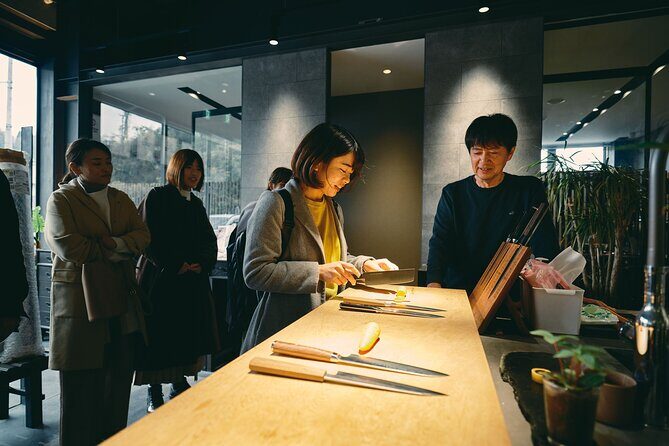
- Two-factor craft focus: handles at Yamaken, blades at Ryusen Hamono, so you see more than the “blade only” version.
- You can talk to the makers: direct conversations with craftsmen, not just a one-way demonstration.
- Hands-on time is part of the experience: you’ll do a portion of the knife making process, not only look around.
- Shop time with real inventory: you can see and shop the finished work at each stop.
- It’s private for your group: only your group participates, which makes questions and pacing easier.
- A walk-through-the-area option: if you start from Oshio Station, plan for a countryside walk that can be exposed to wind.
Echizen knife making: why this isn’t the typical factory photo op
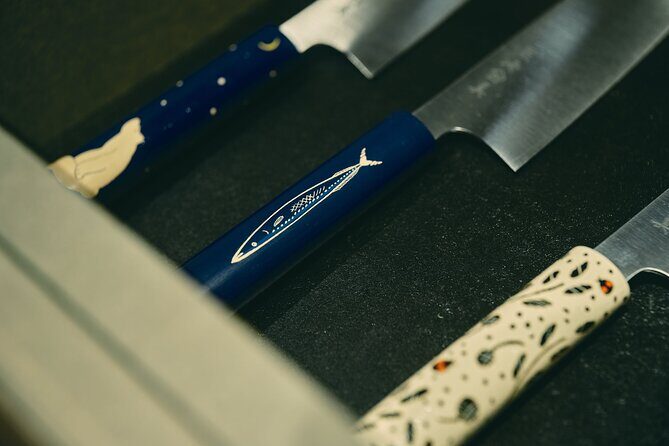
Echizen, in Fukui Prefecture, has a reputation for knives because the craft is practical. These aren’t “museum objects.” They’re made for use, and that changes how the work feels when you’re actually standing near it.
What makes this tour worth your time is that it’s built around two key parts of the tool. You’ll spend time with knife handles made at Yamaken Woodworks, then move to blade making at Ryusen Hamono. Most knife tours stop at the blade story. Here, you get the rest of the equation: how the handle shapes comfort, balance, and long-term feel.
The “private” format also matters more than you might think. In a small group, you can ask the simple questions that don’t fit into a scripted group explanation: What wood is used for, how the parts come together, and what makers care about day to day.
If you’re a knife lover, this is the kind of tour that makes you notice details fast—like why handle work has its own craft discipline instead of being an afterthought.
You can also read our reviews of more walking tours in Fukui Prefecture
Stop 1: Yamaken Woodworks and the world of knife handles
Yamaken Woodworks is the handle-focused part of your day, and I like that it starts there. A lot of knife people obsess over steel (fair), but handles are where a knife becomes personal. That first stop is designed to help you see the craft as whole-tool design, not just the blade.
During your time here, you’ll explore the factory side where the handles are made. You can also expect the atmosphere of woodwork—so yes, you’ll get that wood smell that comes with real material work, not a showroom display.
The best part is the chance to speak with the craftsmen directly. That matters because handle making isn’t just “carve and attach.” You’re learning about the careful steps that go into shaping and preparing the handle parts. Even if you know knives already, hearing how a maker thinks about fit and finishing gives you a more realistic picture of why certain knives feel right in hand.
You’ll also get to check the shop next to the factory, where you can look at the handles produced there. That’s useful because you can connect what you saw in production to what’s available as finished pieces. If you’re considering a purchase later, this is where you start forming a clearer sense of quality.
Watch-out / drawback: if you’re only interested in blades and sharpening, you might feel like handles are “extra.” I don’t think they are. But if that’s your mindset, be ready for the tone of the day to start on the woodcraft side.
Stop 2: Ryusen Hamono and blade making with working blacksmiths
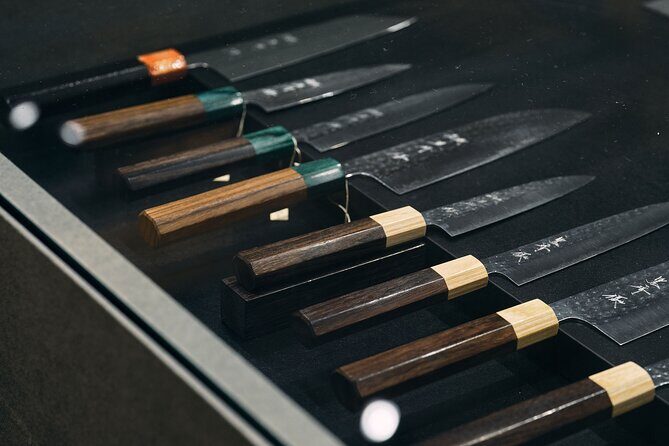
Then you shift from wood to steel at Ryusen Hamono. This is the part of the tour that knife lovers tend to remember most, because you’re in a space full of high-quality cutlery and you get to interact with actual knife making blacksmiths.
Here, the tour focuses on the process behind creating quality knives. You’ll see how the shop and factory side connect: the work happens where the blades are made, and then the store shows you the results. That’s a smart setup because you can compare “process in progress” to the finished inventory while it’s fresh in your mind.
One highlight is the interaction. You’re not limited to watching a demonstration. You’ll learn how the process works and get a chance to experience part of it yourself. The listing doesn’t spell out every step you’ll do, but it’s clear you’ll try a portion of the knife making process—enough to create a real sense of what’s involved, not just a quick photo moment.
At the shop, you’ll see a wide assortment of knives. This is where you can connect what you learned about the blades with the finished products on display. If you’re hoping to buy something, this is also where you can take your time to examine options without feeling rushed.
Potential drawback to keep in mind: this is a craft environment. If you’re expecting a flashy show with lots of English explanations, plan for a more practical, hands-on style instead. There is an English guide option (details below), but part of the value is the direct maker experience.
The “walking” part: how to plan your arrival in Echizen
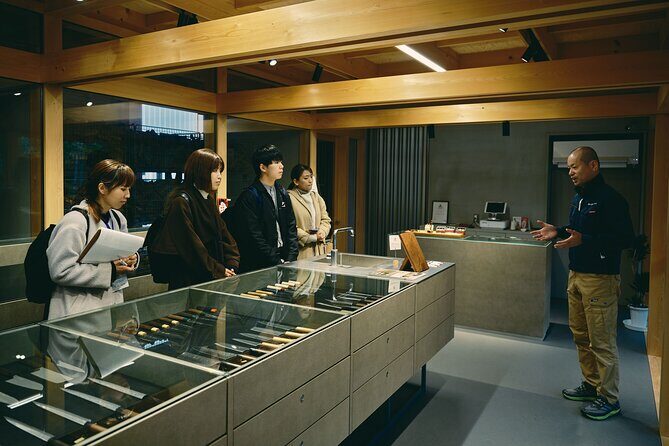
This is a walking tour in the sense that you’re moving between points in the Echizen area, not that you’ll be hiking a mountain. The meeting point is:
48-6-1 Ikenokamichō, Echizen, Fukui 915-0873, Japan
It’s also listed as near public transportation, so you should be able to reach the starting area without needing a car. Still, the area has a countryside feel, and that’s part of the charm.
In particular, one review mentioned a 35-minute walk from Oshio Station through rice fields. That sounds lovely, but it’s not “effortless sightseeing.” You’ll want to dress for wind and weather, and bring shoes you trust on local paths.
My practical tip: if you’re going to walk, check the day’s wind and rain forecast. Even if the route looks easy on paper, Echizen weather can be the difference between a pleasant stroll and an annoying slog.
Duration, private format, and why 2.5 hours feels right
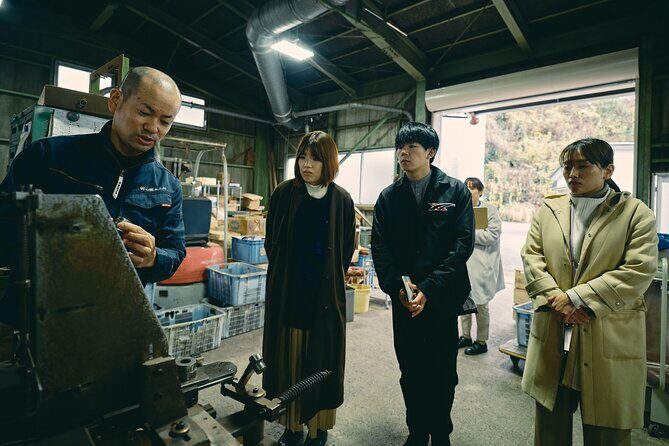
The tour runs about 2 hours 30 minutes. It’s long enough to include two stops, talk with craftsmen, and still have time to look around shops without feeling like you’re speed-running.
Each factory segment has its own tempo:
- Yamaken Woodworks runs about 1 hour
- Ryusen Hamono runs about 1 hour 10 minutes
- The in-between time supports movement and your hands-on participation
The private setup is also a big deal for timing. Your group can ask questions at a natural pace instead of compressing everything into a tight group schedule. For a craft like knife making, that helps. The best questions often aren’t the ones you planned on asking—they come out while you’re watching someone work.
Because it’s a private tour/activity, only your group participates. If you’re traveling with someone who’s equally curious (or if you’re the only knife fan in the group), private format lets you control the balance of observation and questions.
You can also read our reviews of more private tours in Fukui Prefecture
Price and value: is $163.30 a good deal?
At $163.30 per person, this tour isn’t a cheap add-on. But it’s also not priced like a “drive-by” attraction.
Here’s what you’re actually paying for, based on what’s included:
- Factory tour at each stop
- Shop tour where you can see finished work
- An experience where you try part of the knife making process
On top of that, you’re getting something many tours skip: you can talk with the craftsmen. That human access is where the value tends to come from—because the craft isn’t just a product. It’s a skill set.
Also, the tour is in a real production context, not just a staged room. You’re seeing how handles and blades fit together as part of the same overall tool story. When you compare that to tours that only show one step (usually blade-only), this one gives you a more complete mental model.
If you’re a serious knife person, the value is easier to justify. If you’re “just curious,” the price might feel steeper. In that case, decide based on whether you want hands-on time and real maker conversation, or whether you just want pretty shops.
Language help: do you need an English guide?
The tour notes that an English guide is not included. The cost is ¥10,000 per person.
So you have two workable approaches:
- If your Japanese is limited, or if you want deeper conversation with the craftsmen, budget for the English guide.
- If you’re okay with a more observational tour—watching the process, looking closely at materials, and asking a few key questions—you might manage without extra translation.
Either way, this is still a craft tour first. Even with an English guide, the pace is about what you’re seeing and doing, not about a theatrical lecture.
What to bring and how to get the most out of it
This type of workshop visit is best when you show up prepared to look closely and ask questions.
Bring:
- Comfortable shoes for walking between points
- A weather-ready layer (since good weather is required)
- Any basic questions you want to ask about handles, blades, and what matters in quality
When you’re at Yamaken Woodworks, lean into the wood side. Ask what changes the feel of a handle, how makers think about finishing, and what customers tend to care about once they hold a finished piece.
At Ryusen Hamono, shift your attention to the blade process and pay attention to the role of the blacksmiths and the shop-factory connection. Then use the shop time to match what you learned to what you see for sale.
And if you’re thinking about buying, keep notes in your phone: how a knife feels in hand, what details catch your eye, and which parts seem most carefully made.
Who this tour is best for
This is a great fit if you:
- Love Echizen knives or want to understand why they have a reputation
- Care about the tool as a whole, not just the blade
- Want hands-on learning and direct maker conversation
- Like small-group experiences where questions matter
It might be less satisfying if you want:
- A highly scripted, English-heavy museum-style explanation
- A big sightseeing loop with lots of landmarks
- A purely shopping-focused trip (shops are there, but the craft work is the core)
Should you book the Private Echizen Knife Making Factory and walking tour?
If you’re a knife lover—or even a “steel curious” person—this is an easy yes. The biggest reason is simple: you get both sides of the craft story, handles and blades, plus the chance to speak with makers and try part of the process yourself. That combo is rare.
It’s also a smart choice if you want an authentic Echizen experience away from the generic stops. The high rating and the fact that it’s recommended by a large share of past visitors says the experience lands well for people who care about craftsmanship.
I’d book it if you can handle the format: a real workshop day, not a theme park. And if the weather is questionable, have a backup plan in your schedule—because good weather matters here.
If you want one sentence to guide your decision: book it when you want to understand knives by seeing how they’re actually made, with real people in the room.
FAQ
Is this a private tour?
Yes. It’s a private tour/activity, so only your group participates.
How long is the tour?
It’s about 2 hours 30 minutes (approx.).
What’s included in the price?
The tour includes a factory tour, a shop tour, and an experience as part of the knife making process. Food and drinks are not included.
Is an English guide included?
No. An English guide is available for an additional ¥10,000 per person.
Where do we meet?
The meeting point is 48-6-1 Ikenokamichō, Echizen, Fukui 915-0873, Japan, and the tour ends back at the meeting point.
What if the weather is bad?
The experience requires good weather. If it’s canceled due to poor weather, you’ll be offered a different date or a full refund.