REVIEW · FUKUI PREFECTURE
Experience Private Washi Paper Making at Ryozo Washi Paper Mill
Book on Viator →Operated by Craft Invitation · Bookable on Viator
Handmade paper starts with patience. At RYOZO Yanase Washi Paper Mill in Echizen, Fukui, you get a real look at how washi used in things like sweets packaging is made, then you make your own paper step-by-step. It’s traditional craft work, not a photo stop.
What I love is how personal the experience feels. The factory tour led by Mr. Yanase gives you a behind-the-scenes view of a working mill, and the hands-on portion with Ms. Yanase teaches you techniques you can actually use right away.
One thing to plan for: the session is about 2 hours, so it’s not a full-day production. Also, it needs good weather, so if conditions are bad the plan may shift.
In This Review
- Key highlights to look for
- RYOZO Yanase Washi Paper Mill: why Echizen matters
- Meeting Mr. Yanase and Ms. Yanase face-to-face
- The factory tour: seeing washi built for real use
- Your washi project: making a tapestry-ready piece
- The hands-on step-by-step feel (and how to enjoy it)
- How the tour works logistically (without the headache)
- Price and value: what $130 is actually buying
- Weather, timing, and why they matter here
- Who should book this washi workshop
- Should you book this private washi paper making?
- FAQ
- FAQ
- Where does the tour start?
- How long does the private washi paper making experience take?
- Is this a private experience?
- What will I do during the tour?
- Who leads the factory tour and who teaches the workshop?
- Is the meeting point near public transportation?
- Does the experience depend on weather?
- When will I get confirmation after booking?
- What’s the cancellation rule for a full refund?
Key highlights to look for
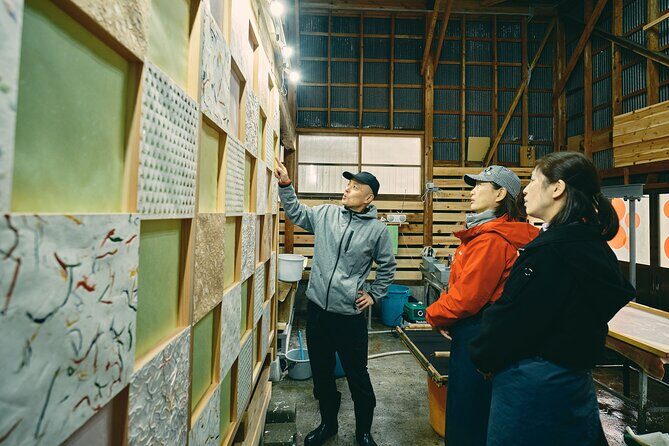
- A private factory tour with the Yanase family at a real washi mill in Echizen
- Mr. Yanase’s guided walkthrough of how paper is produced for commercial uses
- Hands-on washi making with Ms. Yanase, taught in a practical, calm way
- A finished piece designed for home display, including a tapestry-ready look
- Helpful on-the-ground guidance, including translation support such as Yoshie-san in at least one setup
- A focus on process, not just handing you a souvenir and moving on
RYOZO Yanase Washi Paper Mill: why Echizen matters

Echizen in Fukui is one of Japan’s washi craft zones, where paper isn’t just a product. It’s a local skill built over time. Coming to a mill here matters because you’re seeing washi made in context—where the raw materials, tools, and work rhythm are all part of everyday life.
At RYOZO Yanase Washi Paper Mill, the setting feels like a working place, not a staged workshop. That difference shows up in how the tour flows and how the instructors talk about the work: practical, focused, and rooted in routine.
This is also a good fit if you care about the “how,” not just the “what.” Washi is easy to take for granted when you only see it in packaged goods or stationery. In Echizen, you’ll see how much craft is hiding inside a sheet of paper.
You can also read our reviews of more private tours in Fukui Prefecture
Meeting Mr. Yanase and Ms. Yanase face-to-face
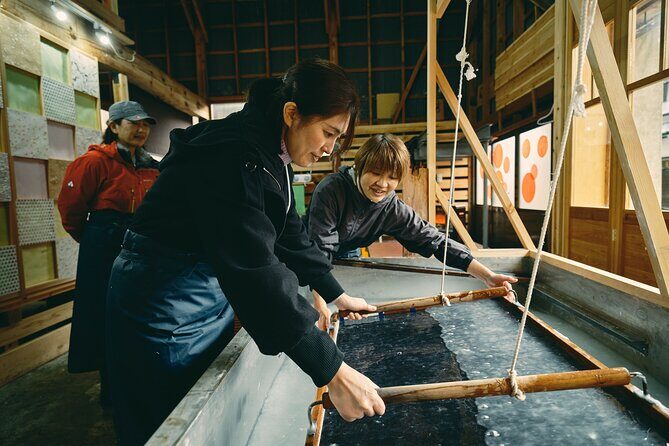
This tour is run by the mill owners, Mr. and Ms. Yanase, and that’s a big part of the value. You’re not watching a script. You’re getting instruction from people who live with this craft.
In the factory portion, Mr. Yanase leads the walkthrough. You should expect clear explanations and a working mindset—what gets done first, what tools matter, and why certain steps affect the final texture.
Then Ms. Yanase takes over for the hands-on making. The tone shifts to coaching you through your own sheet. In one experience I reviewed, the guidance included “tremendous encouragement,” which makes sense: washi paper making can feel intimidating until someone helps you pace yourself.
If you’re the type who worries about messing up, you’re in the right place. A polite staff call mentioned in a review is exactly the kind of support that can turn nervous energy into calm focus.
The factory tour: seeing washi built for real use
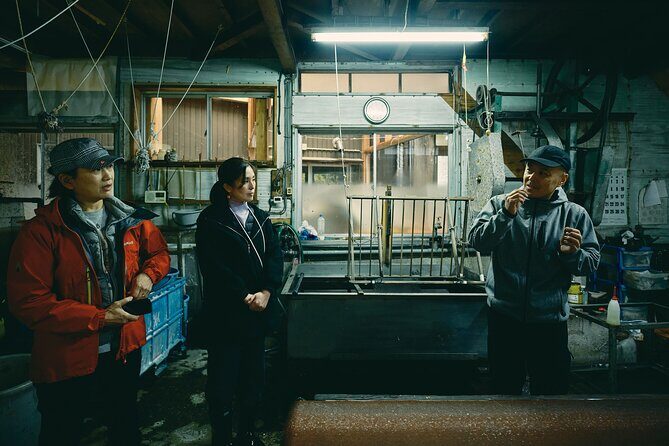
The factory tour is where this experience earns the label authentic. You’ll visit the washi making factory and watch how paper is produced for real commercial needs. The tour specifically includes paper fit for packaging, such as protective paper used in Japanese sweets packaging.
That detail matters because it sets expectations. Washi isn’t just for art prints or calligraphy. It has practical uses where texture and strength matter.
A lot of guided craft experiences stop at general descriptions. Here, you can expect to see how the workshop is organized and how the process leads to different results. In one setup, a guide introduced the group to people working at the mill, which helps you understand it as a team craft, not a one-person “magic trick.”
One small note: the tour is limited to about 2 hours total for the whole experience. So you’ll get meaningful viewing and explanation, but don’t expect a deep, hour-by-hour breakdown of every production stage. Think “best hits” plus hands-on practice.
Your washi project: making a tapestry-ready piece
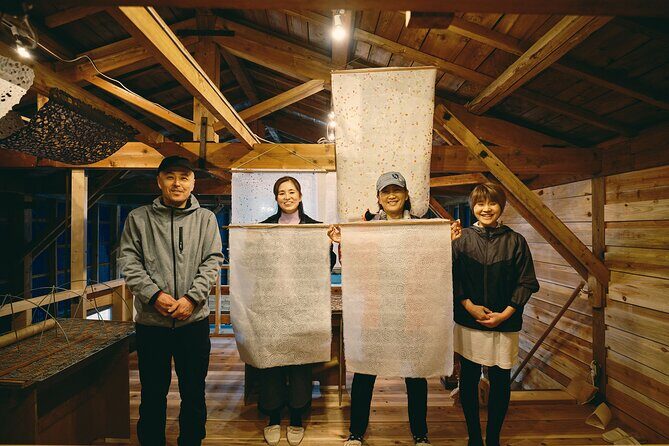
After the tour, you move into the workshop part with Ms. Yanase’s instruction. The goal is a beautiful washi piece described as perfect for a tapestry-style finish. Translation: you’re making something meant to be shown, not tucked away.
You’ll use traditional techniques, and you’ll learn enough structure to understand what you’re doing instead of just copying a motion. That’s what makes it more satisfying than a basic craft class. You’ll leave with a piece that looks intentional because you controlled the key steps.
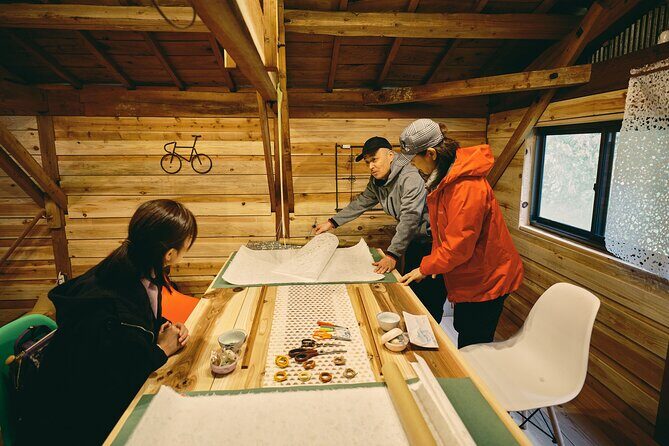
In at least one account, the experience included making several decorative papers and multiple patterns. You may see a similar approach depending on the group setup, especially since the workshop involves guidance through different paper styles and patterns.
Also, there’s mention of a unique mold that impressed someone who made paper there. That’s exactly the kind of detail you want to pay attention to during the hands-on portion. Tools shape texture, and texture is where washi gets its personality.
The hands-on step-by-step feel (and how to enjoy it)
Washi paper making isn’t just about mixing fibers and calling it done. It’s about timing, pressure, and handling the materials in a way that lets fibers form a paper sheet with the right character.
In this workshop, the emphasis is on learning through doing. Ms. Yanase’s guidance is described as professional and heartfelt, with encouragement when people feel unsure. That coaching matters because paper-making skills build fast when you get immediate feedback.
Here’s how I’d approach it so you get the most out of the session:
- Go in ready to be slightly messy. You’re working with fibers and process tools, so comfortable clothing is smart.
- Slow down during the “make” steps. If you rush, the sheet quality usually shows it.
- Focus on the mold and pattern decisions. If you’re offered different patterns, treat that as part of the instruction, not extra time.
If you’re coming with a partner or friend, the private format helps. You’re only competing with the clock, not with a room full of strangers.

How the tour works logistically (without the headache)
This is a private tour/activity, meaning only your group participates. That matters because washi making is hands-on. More attention from the instructor typically means fewer awkward delays and less waiting around for turns.
The meeting point is at 10-1 Ōtakichō, Echizen, Fukui 915-0233, Japan, and the activity ends back at the meeting point. The tour is listed as near public transportation, which is helpful if you don’t want to rely entirely on taxis.
You’ll also get a mobile ticket, which is convenient if you’re traveling with a light phone-first setup.
Duration is about 2 hours, so plan your day around it. This is perfect as a mid-morning cultural stop, or as a standalone experience between bigger sightseeing plans in Fukui.
Price and value: what $130 is actually buying
At $130.07 per person, this isn’t a bargain class. But it also isn’t a generic factory stop.
You’re paying for three things:
1) a visit to a real washi mill in Echizen,
2) instruction from the owners, Mr. and Ms. Yanase,
3) a guided hands-on washi-making session that results in a display-ready piece.
The private format also supports the value. In a craft workshop, the real cost isn’t materials—it’s instructor time, supervision, and the effort to get your results right.
If you love handmade crafts, especially Japanese paper arts, the price starts to make sense fast. You’re buying skills and a finished object with meaning, not just a souvenir sheet.
If you’re only casually interested in washi, you might wonder if this is too specialized. In that case, I’d weigh your interest in texture, process, and making something with your own hands.
Weather, timing, and why they matter here
This experience requires good weather. That’s not random fine print. Paper-making tours can be affected by conditions because the session relies on a workshop flow and the wider environment around the mill area.
If the weather is poor and the tour is canceled, you should expect an offer for a different date or a full refund. That flexibility helps you plan with less stress.
Timing is also tight at about 2 hours. So if your main goal is lots of sightseeing in Fukui, don’t stack too many stops back-to-back. Build in breathing room so you’re not rushing into the workshop.
Who should book this washi workshop
This experience is especially worth it if you fall into one of these categories:
- You want authentic craft instruction from the Yanase family, not a generic demonstration.
- You like hands-on activities where you learn technique and finish with something you can display.
- You’re interested in Echizen’s washi culture and want a real factory visit connected to commercial uses.
It can also work well for couples or small groups because the private setup keeps the experience personal. One person mentioned how nervous they were, and the staff support helped them feel at ease—so if you’re worried you won’t be good at it, don’t let that stop you.
Should you book this private washi paper making?
Book it if you want a short, high-quality craft experience with real-world context. The combination of a factory tour led by Mr. Yanase, and hands-on coaching by Ms. Yanase, is the core reason this feels special.
Skip it (or adjust expectations) if you want a long, deep production tour lasting most of the day. This is about doing and learning in a focused window.
If your schedule allows flexibility for weather and you can handle a 2-hour workshop format, I think you’ll come away with both a better understanding of washi and a piece that feels genuinely made by you.
FAQ
FAQ
Where does the tour start?
The meeting point is at 10-1 Ōtakichō, Echizen, Fukui 915-0233, Japan.
How long does the private washi paper making experience take?
It runs for about 2 hours (approx.).
Is this a private experience?
Yes. It’s a private tour/activity, and only your group participates.
What will I do during the tour?
You’ll tour the washi making factory, and then you’ll make your own washi piece with instructions from Ms. Yanase.
Who leads the factory tour and who teaches the workshop?
Mr. Yanase leads the factory tour. Ms. Yanase provides the instruction during the hands-on paper-making portion.
Is the meeting point near public transportation?
The activity is listed as being near public transportation.
Does the experience depend on weather?
Yes. The experience requires good weather, and if it’s canceled due to poor weather you’ll be offered a different date or a full refund.
When will I get confirmation after booking?
Confirmation is received within 48 hours of booking, subject to availability.
What’s the cancellation rule for a full refund?
You can cancel up to 24 hours in advance for a full refund.
If you want, tell me your travel dates and whether you’re coming from Kanazawa or Kyoto-ish, and I’ll suggest a realistic day plan around the 2-hour workshop time.