REVIEW · FUKUI PREFECTURE
Experience Tasting Fukui’s Local Sake in Lacquered Glasses
Book on Viator →Operated by Craft Invitation · Bookable on Viator
A lacquered cup can change how sake tastes. In Sabae, you’ll try Fukui local sake in specially made lacquered glasses with a choice of junmai or daiginjo styles. I like that the setup is straightforward: pick a plan, taste the sake, then eat the included snack.
The biggest drawback is also the simplest one: this is an alcohol tasting. If you prefer non-alcohol experiences, or you’re sensitive to alcohol, you’ll want to plan your day accordingly.
In This Review
- Key things that make this tasting work
- Sabae’s sake ritual in lacquered glasses
- Kubota Liquor Store: 1914 roots and a no-fuss setup
- Three tasting styles: junmai, daiginjo, and the hybrid
- Junmai plan: wide-open flavor time
- Daiginjo plan: aroma-first precision
- Hybrid plan: the most comparisons per hour
- Why the lacquered glass shape changes what you taste
- Snacking and pacing in a 1-hour tasting
- Price and value for $19.51 in Fukui
- Mobile ticket, private group, and simple logistics
- Weather and minimum numbers: what can affect your date
- What the top feedback is really saying
- Who this Fukui sake tasting is best for
- Should you book this Fukui sake experience?
- FAQ
- How long does the Fukui sake tasting last?
- What does the price include?
- What are the tasting plan options?
- Where does the experience start?
- Is there an English guide option?
- Is this experience private?
Key things that make this tasting work
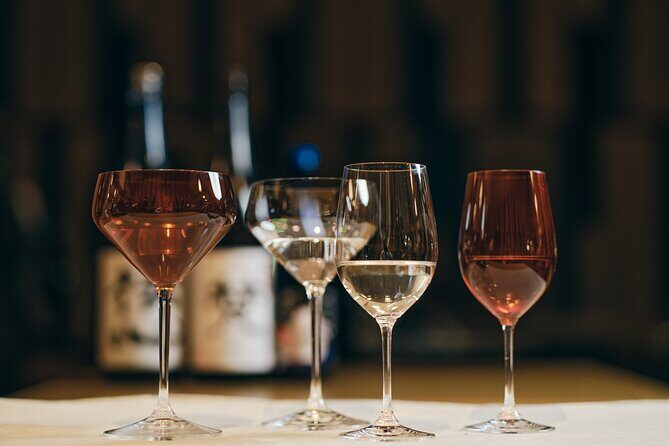
- Lacquered glasses designed for sake so you’re tasting with intention, not just drinking from any cup
- Three plan options: junmai, daiginjo, or a hybrid with more pours
- Clear glass-shape logic: wide opening for junmai flavor vs narrower opening to trap aroma for daiginjo
- Snacks included to keep the tasting comfortable in a 1-hour slot
- Historic local store: Kubota Liquor Store has been operating since 1914
- Private group setup means it’s just your party, not a mixed crowd
Sabae’s sake ritual in lacquered glasses
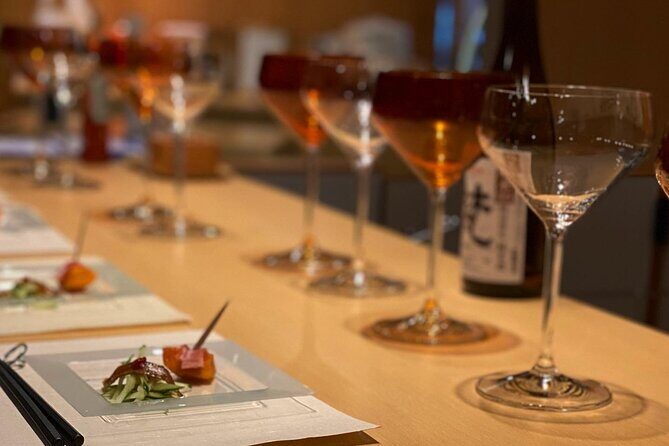
This tasting is built around a simple idea: the container matters. You’re not just sampling Japanese sake in generic cups. At Kubota Liquor Store in Sabae, you’ll drink Fukui local sake using lacquered glasses made specifically for sake, and the shape of each glass is meant to change what you notice first—flavor for junmai, aroma for daiginjo.
I like that it feels like a real local practice instead of a performance. You get to slow down for about an hour, make choices, and compare types of sake in a way that’s easy to follow. And with the included snack, you’re not stuck doing a dry tasting.
One more thing I appreciate: this isn’t trying to overwhelm you with complicated theory. The experience gives you a small set of comparisons (junmai vs daiginjo, or a hybrid), then lets your palate do the judging.
You can also read our reviews of more tours and experiences in Fukui Prefecture.
Kubota Liquor Store: 1914 roots and a no-fuss setup
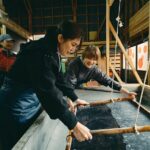
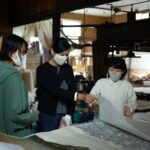
Kubota Liquor Store is a long-established sake shop founded in 1914 (Taisho 3). That matters because it signals something practical: this is a working store with real local routines, not a pop-up tasting room.
The meeting point is at 1-chōme-1-4 Asahimachi, Sabae, Fukui 916-0025, Japan, and the activity ends back there. It’s also close to public transportation, which is useful in Sabae, where you’ll likely be mixing local rail/bus with short walks.
You’re looking at a private format for your group. That’s a big deal for tasting experiences because you can take your time, ask practical questions, and don’t have to compete with a large group for attention. Expect the whole thing to run about 1 hour and use a mobile ticket, which keeps the start simple.
Three tasting styles: junmai, daiginjo, and the hybrid
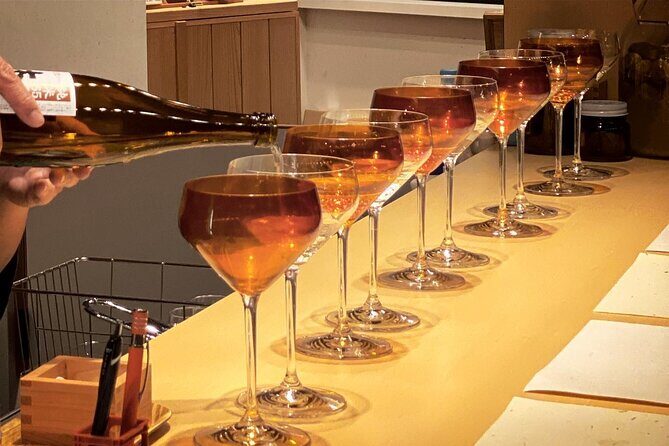
You’ll choose from three plans. Each one is designed to help you compare within a tight time window, and each plan changes the number of pours and snacks.
Junmai plan: wide-open flavor time
With the junmai plan, you get:
- 2 glasses of junmai sake
- 1 snack
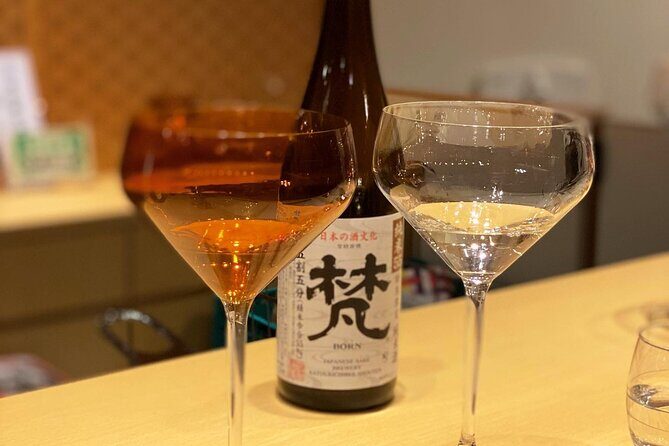
The key detail here is the glass itself. The junmai glasses have a wide opening, so you can enjoy the full flavor profile rather than focusing only on aroma.
Daiginjo plan: aroma-first precision
With the daiginjo plan, you get:
- 2 glasses of daiginjo sake
- 1 snack
Daiginjo has a different “personality” than many everyday styles, and the experience supports that. The daiginjo glasses have a slightly narrower opening to help trap aroma. They also have a shaped depth that’s part of the glass design, not just decoration.
Hybrid plan: the most comparisons per hour
If you want the most variety, choose the hybrid plan. You get:
- 4 glasses of sake
- 2 snack items
This is the plan I’d look at if you’re not sure whether you prefer junmai-style flavor focus or daiginjo-style aroma focus. It gives you more chances to compare within one stop.
Why the lacquered glass shape changes what you taste
Here’s the part that can feel oddly important until you do it. The tasting uses glass shapes that match how each type of sake is meant to be experienced.
- Junmai glasses: wide opening
A wide mouth tends to let more of the full flavor come through naturally. If you lean toward sake where you notice texture, balance, and a fuller palate feeling, this glass design supports that.
- Daiginjo glasses: narrower opening + depth
A narrower opening helps trap aroma, so you’re more likely to smell the nuances before (or alongside) the first sip. Daiginjo often carries more delicate aromatic notes, so this glass makes it easier to notice those.
- Lacquered finish: a sensory detail you can feel
Lacquered glasses bring a distinctive feel in the hand and a refined presentation. Even if you don’t analyze it, it signals that this tasting isn’t casual. You’re meant to slow down.
This is the kind of detail that makes value feel real. You’re not paying just for alcohol. You’re paying for a guided setup that makes your comparison sharper.
Snacking and pacing in a 1-hour tasting
The plans include snacks—1 snack for the junmai or daiginjo plans, and 2 snack items for the hybrid plan. That matters because it helps you keep your taste buds clear and your stomach comfortable during the tasting.
Since the experience runs about 1 hour, it’s also a good fit when you want something memorable but not too time-consuming. You’re not committing to a long workshop or a multi-stop day. It’s a clean add-on to a Sabae itinerary, especially if you’re already in the area.
Practical tip: pace yourself and take small sips while you’re comparing glass styles. The whole point of the lacquerware approach is to notice differences, and that’s easier when you’re not rushing.
Price and value for $19.51 in Fukui
At $19.51 per person, this is priced like an accessible local food and drink experience, not a luxury event. The big value point is what’s included.
You get:
- Alcoholic beverages (multiple pours depending on plan)
- Snacks
That changes the math fast. Roughly speaking:
- Junmai or daiginjo plan: 2 glasses + 1 snack for $19.51
- Hybrid plan: 4 glasses + 2 snack items for $19.51
If you’re someone who likes comparisons, the hybrid plan is often the smarter value because you’re getting more tasting servings in the same time slot and price. If you already know you prefer one style, the single-style plans keep things focused.
One more practical note: the listing shows an average booking window of 32 days in advance. That suggests it’s a popular enough slot that you’ll probably want to book early if your trip dates are set.
Mobile ticket, private group, and simple logistics
This experience uses a mobile ticket, which makes it easier to arrive without printing anything. It also runs as a private tour/activity, so you’re only with your group. That tends to make tastings feel calmer and more personal.
You’ll also have a choice based on language needs. The experience does not include an English guide; an English guide is listed as ¥20,000 per booking. If you’re comfortable tasting without heavy translation, you may not need that add-on. If you prefer full context while you sip, the English option can be worth considering.
Finally, it runs near public transportation, which reduces the stress of getting there in a place where you might not have a car.
Weather and minimum numbers: what can affect your date
Two things can impact whether you attend on your chosen date.
- Good weather is required. If it gets canceled due to poor weather, you’ll be offered a different date or a full refund.
- Minimum traveler requirement. If the minimum isn’t met, you’ll be offered a different experience/date or a full refund.
In practice, that means you should keep some flexibility in your schedule if your trip is tight. It’s not an all-or-nothing gamble, but it’s smart to avoid booking this as the single time window you can’t move.
What the top feedback is really saying
The rating is 5, with multiple short reviews. The repeated theme is enjoyment: people say they enjoyed the sake experience very much and recommend it.
That’s exactly what you hope for with a tasting. This kind of activity works when the format makes you feel successful quickly: you understand what you’re trying, you taste enough to compare, and the glassware turns each sip into a small discovery.
Who this Fukui sake tasting is best for
This is a strong match if:
- you like Japanese sake and want to compare junmai vs daiginjo without a huge time commitment
- you enjoy learning through doing—here, through glass shape and aroma/favor differences
- you want a local activity in Sabae that feels connected to real shops (not a generic tasting counter)
It may be less ideal if:
- you don’t drink alcohol or you’re looking for a non-alcohol cultural activity
- you want a long guided lecture; this is built for tasting and comparison within about an hour
Should you book this Fukui sake experience?
Yes, if you want an easy, high-value way to taste Fukui sake with a real local shop and a smart tasting design. The lacquered glasses are the heart of the experience, and the plan choices (junmai, daiginjo, hybrid) let you tailor the comparisons.
If you’re unsure what style you’ll like, pick the hybrid plan. Four glasses in one stop gives you the most chances to figure out your preference. If you already have a clear favorite, the single-style plan keeps it focused.
Just make sure you’re comfortable with an alcohol tasting format and that your schedule can handle the weather and minimum-number possibility.
FAQ
How long does the Fukui sake tasting last?
It runs for about 1 hour.
What does the price include?
The price includes alcoholic beverages and snacks.
What are the tasting plan options?
You can choose a junmai plan, a daiginjo plan, or a hybrid plan. The junmai and daiginjo plans include 2 glasses and 1 snack, while the hybrid plan includes 4 glasses and 2 snack items.
Where does the experience start?
The meeting point is 1-chōme-1-4 Asahimachi, Sabae, Fukui 916-0025, Japan, and it ends back at the same location.
Is there an English guide option?
An English guide is not included. The listed cost is ¥20,000 per booking.
Is this experience private?
Yes. It’s a private tour/activity, so only your group participates.