REVIEW · FUKUI PREFECTURE
Private Echizen Washi Paper Making Experience and Walking Tour
Book on Viator →Operated by Craft Invitation · Bookable on Viator
Paper has a heartbeat in Echizen. This private tour takes you into the rural washi world—visiting authentic paper mills, chatting with craftsmen, and trying your hand at making Echizen washi that you can take home. You also wrap it up with a shrine visit to the god of paper, including a goshuin.
I especially like the pacing: a full factory experience at Ryozo plus a second washi stop at Osada, so you can compare how different workshops approach the same craft. The other big plus is that it’s private, so your group can ask questions and move at a comfortable speed instead of feeling rushed.
One consideration: the experience requires good weather, and you’re also walking as part of a rural tour, so moderate fitness helps.
In This Review
- Key highlights before you go
- Echizen Washi: Why This Rural Paper Day Feels Worth It
- The 3-Hour Private Format: Pace, Meeting Point, and Real Expectations
- Tip for planning your day
- Stop 1: RYOZO Paper Mill and Making Your Own Echizen Washi
- Stop 2: Osada Washi Factory and the Value of Seeing More Than One Workshop
- Stop 3: Otaki/Okamoto Shrine, Goshuin, and the God of Paper
- What You Learn, What You Take Home, and How to Use It After
- Price and Value: Is It Worth $162.59?
- Should You Book This Echizen Washi Paper Making Tour?
- FAQ
- How long is the Echizen washi private tour?
- Where does the tour start and end?
- What is included in the price?
- Do I get to make paper myself?
- Is an English guide included?
- What are the main stops on the itinerary?
- Is the tour only for my group?
- Does the tour depend on weather?
Key highlights before you go
- Two factory stops with time to talk to washi craftsmen, not just watch.
- Hands-on washi paper making, plus you get to take your paper home.
- Otaki/Okamoto Shrine visit tied directly to the god of paper.
- Goshuin included, so it’s more than a quick photo stop.
- Private tour format with only your group participating.
- Language support is optional, via an English guide add-on.
Echizen Washi: Why This Rural Paper Day Feels Worth It
If you like crafts where the details matter, this is a strong pick. Echizen is known for washi, and this area’s paper culture stretches back 1,500+ years. What makes this tour practical is that it isn’t just a museum-style explanation. You see the work environment, you talk to the people who do the work, and you make a sheet yourself.
I like how the experience is built around three linked ideas: how paper is made, how craftsmen think about their materials and process, and how the culture treats paper as something sacred enough to have a shrine dedicated to it. When you connect those dots, washi stops being a souvenir and starts feeling like a living skill.
You can also read our reviews of more walking tours in Fukui Prefecture
The 3-Hour Private Format: Pace, Meeting Point, and Real Expectations
This tour runs about 3 hours (approx.) and ends where it starts. It’s private, so you’re not sharing the experience with strangers, and that matters for hands-on activities. You’ll meet at 9-21-2 Shinzaikechō, Echizen, Fukui 915-0232, Japan, which is listed as near public transportation—handy if you’re planning your day around trains or buses.
The walking component is part of the “rural craft village” vibe. The physical requirement is listed as moderate fitness, so wear comfortable shoes and plan for light walking between stops. Also note the tour requires good weather; if it’s canceled for weather, you’ll either get another date or a full refund.
Tip for planning your day
Because there’s no food or drinks included, I’d plan a snack and water before you start. You’ll likely want energy for making paper, watching processes, and walking between sites.
Stop 1: RYOZO Paper Mill and Making Your Own Echizen Washi
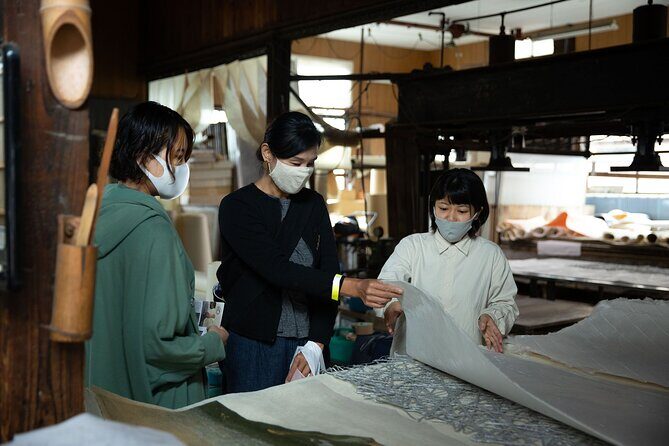
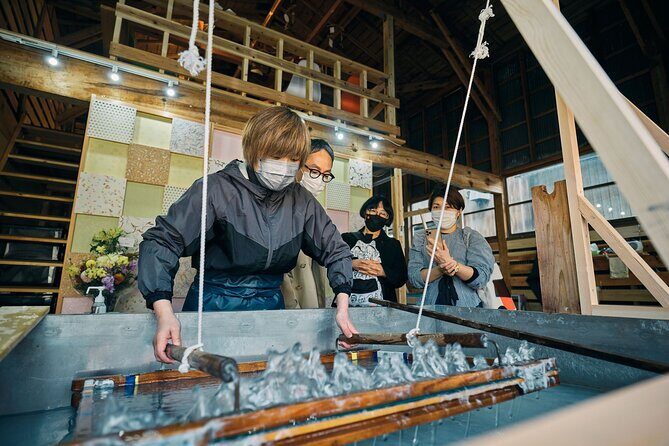
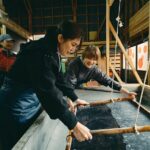
Your first stop is the RYOZO paper mill, where you get a washi factory experience plus an included admission ticket. Time is about 1 hour, and it’s the core of the hands-on part: you’ll make your own washi paper and learn directly from the craftsmen working there.
This is where the tour earns its keep. Many craft tours give you a quick demo and then move on. Here, the structure gives you time to actually try the process, so you can understand why washi feels different from machine-made paper. You’ll also hear how craftsmen think about consistency and texture—especially in a region known for traditional techniques.
The best practical lesson you can walk away with is how to describe washi beyond “it feels nice.” You’ll start understanding that washi is shaped by material choices and careful steps, not just by the final sheet’s look.
In at least one recent private group, guides included Sawyer and Hibiki, and the experience was praised for being guided with attention and Q&A time. That’s a good sign if you want more than a scripted explanation.
Stop 2: Osada Washi Factory and the Value of Seeing More Than One Workshop
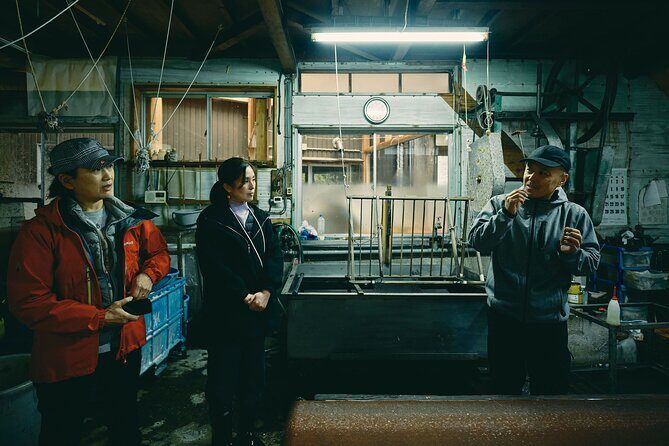
Next up is OSADA WASHI Co., Ltd FACTORY and STORE, about 45 minutes with an included ticket. Even if you already enjoyed the first mill, this second stop is a smart move. Different workshops often handle the craft with slightly different workflows, tools, or emphasis, and seeing more than one place helps you understand washi as a craft ecosystem, not a single demonstration.
You’ll tour the factory area and get the chance to talk with washi craftsmen again. That second conversation tends to stick better than the first, because you’re now actively comparing what you learned during your hands-on making earlier.
One note that can affect expectations: the washi factory may change depending on availability. The tour still centers on authentic washi factories and craftsmen, but if you’re the type who likes to plan every minute, keep a little flexibility for which workshop you visit.
You can also read our reviews of more private tours in Fukui Prefecture
Stop 3: Otaki/Okamoto Shrine, Goshuin, and the God of Paper
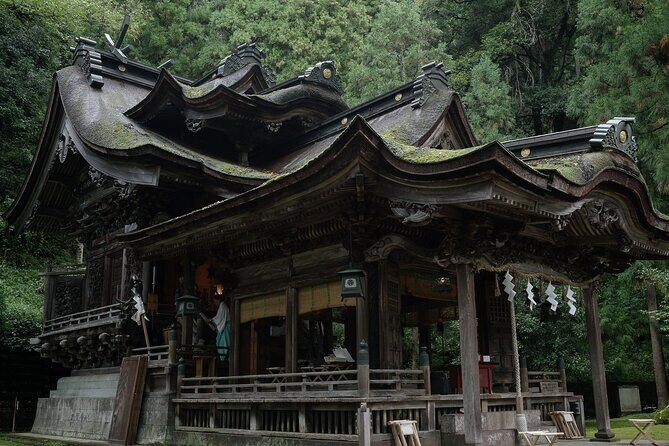
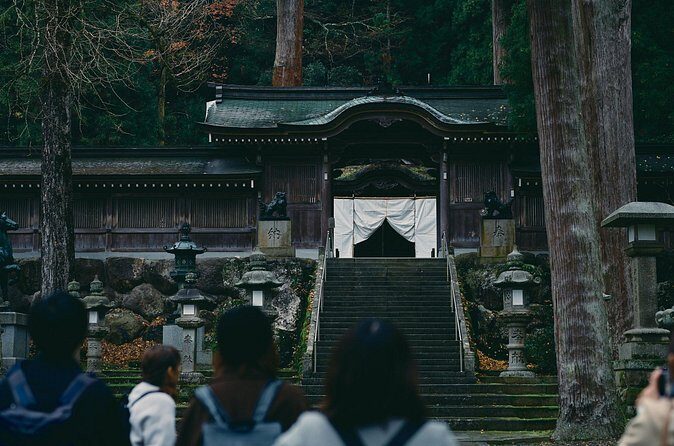
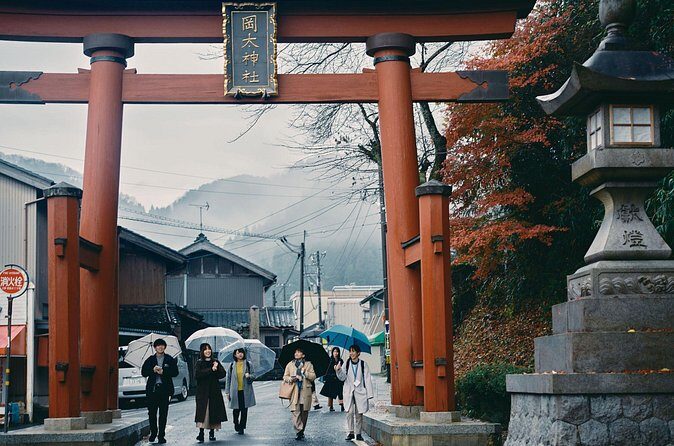
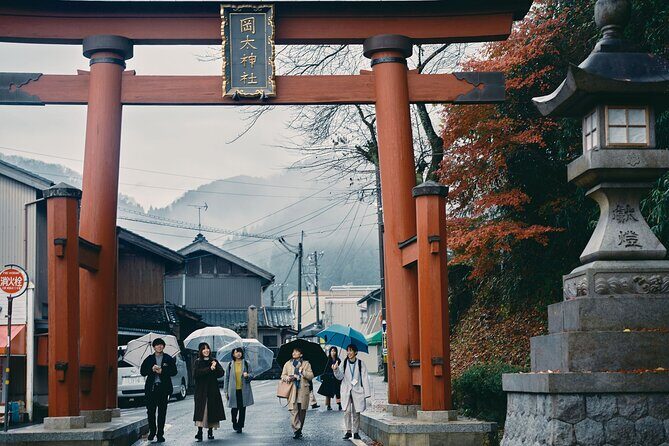
The last stop is the Otaki Shrine / Okamoto Shrine area, with about 30 minutes planned and an included donation fee. This shrine is dedicated to the god of paper, which turns the craft theme into something real and local, not just “cute cultural flavor.”
You’ll also receive a goshuin as part of the tour price. That’s a tangible cultural souvenir tied to the visit itself. And since goshuin collection has etiquette, I recommend you treat this like a respectful stop, not an add-on. Slow down, look carefully, and follow any instructions you’re given on how to participate.
A recent visitor highlighted the shrine’s striking multiple-tiered roofs, which is exactly the kind of detail you’ll appreciate once you stop moving and actually observe. If you’ve ever wanted one foot in craft culture and one foot in living shrine tradition, this is a nice balance.
What You Learn, What You Take Home, and How to Use It After
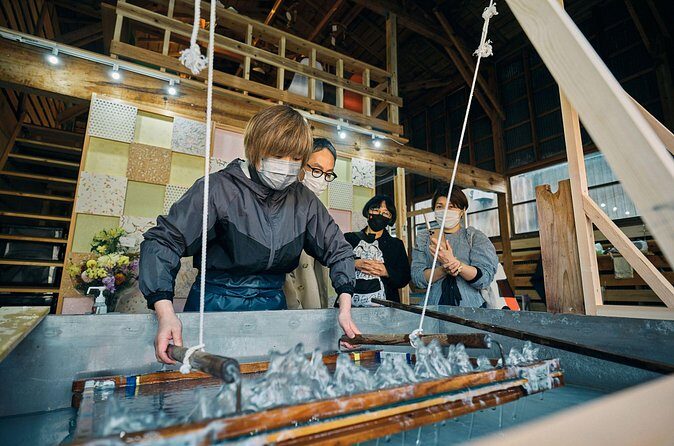
This tour includes making experience and the product is something you can take home. That matters for two reasons.
First, you’ll have a paper sheet you can keep as a reference point. When you see other washi later, you can compare texture and thickness and feel the difference in your hands.
Second, you’ll likely walk away with better questions for the next craft shop you visit. Instead of buying based on color or price, you can ask about process, tools, and the choices that affect the final sheet.
Also, the tour is built around conversation. In earlier private tours, guides such as Haru-san were specifically praised for kindness and attention, and for leading groups through the local village area connected with washi culture. That kind of guided storytelling is what turns a factory trip into a real day in Fukui rather than a checklist.
Price and Value: Is It Worth $162.59?
At $162.59 per person for about 3 hours, the value depends on what you want from a craft day.
You’re paying for:
- A private experience (your group only)
- Hands-on washi making with something you can take home
- Two factory visits with time to talk to craftsmen
- A shrine visit with donation and a goshuin included
A good way to judge this price: if you’re the kind of traveler who wants interaction—questions, hands-on work, and cultural context—this is more “experience value” than “sightseeing value.” If you just want to watch quietly for 10 minutes, you might feel it’s more than you need. But if you like doing and learning, the structure justifies the cost.
Language note: an English guide is not included by default, and the add-on is listed at ¥10,000 per person. If you don’t read Japanese and you really want to maximize what you learn in factory conversations, that add-on can be worth budgeting for.
Should You Book This Echizen Washi Paper Making Tour?
Book it if you want:
- A hands-on washi experience (not just photos)
- Real time with craftsmen across two workshops
- A shrine stop that connects directly to paper culture, including goshuin
- A private format where you can ask questions and set a calmer pace
Skip it (or think twice) if:
- You dislike walking or have limited time for a ~3-hour craft day
- You don’t want weather-dependent plans
- You know you’ll need English support but don’t want to add the ¥10,000 guide option
If your ideal travel day mixes making something with understanding the people and traditions behind it, this is a very solid choice for Fukui.
FAQ
How long is the Echizen washi private tour?
The tour is about 3 hours (approx.).
Where does the tour start and end?
It starts at 9-21-2 Shinzaikechō, Echizen, Fukui 915-0232, Japan and ends back at the same meeting point.
What is included in the price?
You get the washi making experience (you can take your product home), factory tours, and admission components including the shrine donation and goshuin.
Do I get to make paper myself?
Yes. Making experience is included, and you can take home what you make.
Is an English guide included?
No. An English guide is available as an add-on at ¥10,000 per person.
What are the main stops on the itinerary?
You visit RYOZO paper mill, OSADA WASHI Co., Ltd factory and store, and Otaki/Okamoto Shrine.
Is the tour only for my group?
Yes. It’s a private tour/activity, so only your group participates.
Does the tour depend on weather?
Yes. It requires good weather, and if canceled due to poor weather you’ll be offered a different date or a full refund.