REVIEW · NAGOYA
From Nagoya: Hida Takayama & Shirakawago Tour (Small Group)
Book on Viator →Operated by Snow Monkey Resorts Tours (Machinovate Japan Ltd.) · Bookable on Viator
A thatched roof town in a single day. I love the small group size and the way the guide keeps things moving without rushing. I also love that you get to enter a thatched-roof house in UNESCO-listed Shirakawa-go, plus take a short hike for big views. The one thing to consider is the day runs long, and lunch isn’t included, so you’ll want a plan before you go.
This is a practical Nagoya base trip: round-trip transportation, a dedicated guide, and mobile ticket convenience. If you like Edo-era atmospheres and photo stops with explanations (not just sightseeing), you’ll enjoy how the day is paced.
In This Review
- Key Things I’d Watch For
- Why Hida-Takayama and Shirakawa-go Work So Well From Nagoya
- What the Day Feels Like: Timing, Transport, and a Small Group
- Takayama Old Streets: Your Morning Break With a Local Guide
- What to do with that 1-hour window
- Shirakawa-go: Rice Paddies, a Thatched House Visit, and a Viewpoint Hike
- The best way to enjoy Shirakawa-go
- What’s Included, What’s Not, and the Hidden Costs You Should Plan For
- Price and Value: Is $208.53 Worth It?
- Connectable Ending Options: How This Fits Into a Bigger Japan Plan
- Who This Tour Suits Best
- Should You Book This Nagoya Hida-Takayama & Shirakawa-go Tour?
- FAQ
- What time does the tour start?
- Where do I meet the tour?
- How long is the tour?
- What’s the maximum group size?
- What languages are available for the guide?
- Is admission included for Shirakawa-go’s thatched-roof house?
- Is lunch included?
- Is the ticket mobile?
- Is this tour cancellable if plans change?
- Does the tour include a hike?
Key Things I’d Watch For
- Max 12 travelers means more attention and easier photos when you’re stopped in the village streets.
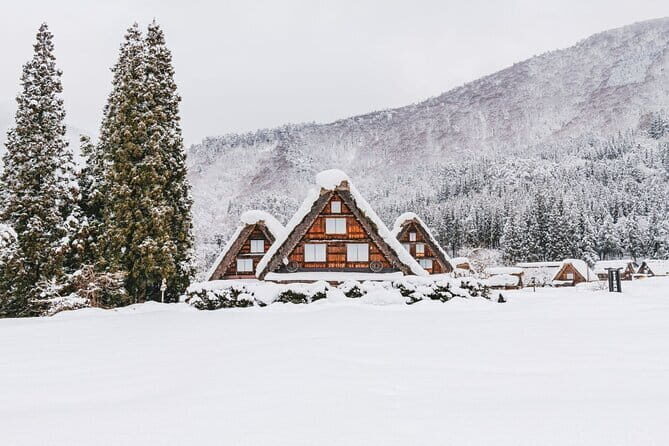
- Thatched-roof house entry in Shirakawa-go is included, not just a look from the outside.
- A short lookout hike gives you a stronger sense of the valley and village layout than flat photo spots.
- Takayama free time for lunch and souvenirs helps you manage your own pace for the morning.
- Mobile ticket keeps last-minute logistics simpler when you’re moving around Nagoya.
- Connectable ending options may let you tie this day into a longer route in Central Japan.
Why Hida-Takayama and Shirakawa-go Work So Well From Nagoya
Nagoya is a handy launch point for Central Japan, and this tour uses that advantage well. You’re not just ticking boxes. You’re pairing a lively old-street stop in Hida-Takayama with the quieter, story-heavy world of Shirakawa-go. The result is a day that feels like two different chapters of the same regional past.
What I like is the balance between guided time and breathing room. Your guide leads you through the streets and sets you up with context, then you get a chunk of free time to eat, browse, and take photos without feeling like you’re always “on duty.”
Also, Shirakawa-go’s preserved village is intentionally small. One review highlights that there are only around 120 or so homes remaining, which is exactly why a guide matters. You don’t want to spend your time wandering aimlessly; you want someone to point out what you’re actually looking at and why it survived in this form.
You can also read our reviews of more tours and experiences in Nagoya.


What the Day Feels Like: Timing, Transport, and a Small Group
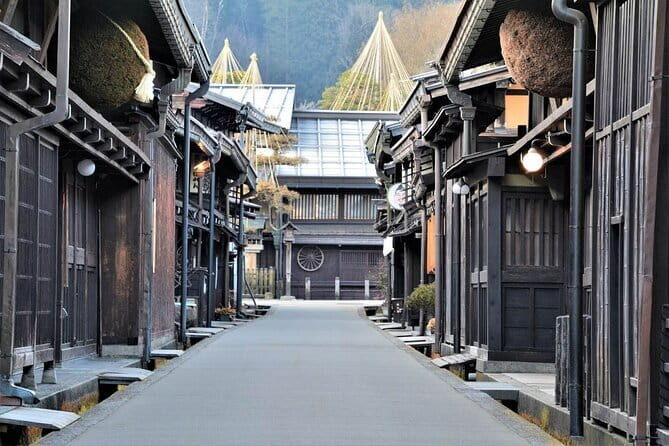
This runs about 9 hours 30 minutes, starting at 8:30 am back at Nagoya Station (1-chōme-1-4 Meieki, Nakamura Ward). The tour notes that most of the remaining time is travel, which is an honest way to frame it. In other words, you’re doing a real day trip, not a quick “nearby” hop.
The good news: the group stays small, with a maximum of 12 travelers. That changes the experience. In a larger bus situation, you can lose time waiting for people, and your photos can be hard when the whole group bunches up. Here, the guide can adjust pacing, keep you together, and help with photo moments at the stops that matter.
Your time together is also structured. Takayama is first, then Shirakawa-go. You’ll get guide-led walking and explanations, plus clear windows for independent exploration—especially in Takayama and again in Shirakawa-go.
Takayama Old Streets: Your Morning Break With a Local Guide
The morning stop is Hida-Takayama, with a guide taking you through the historic district streets. The highlight here isn’t a single building you have to hunt down. It’s the overall “how the town feels” experience: narrow lanes, traditional street shape, and viewpoints where the guide helps you not miss the best angles.
There’s also a practical advantage to the order of the day. You arrive in Takayama and then get about 1 hour of free time. That’s enough time to do the real-life traveler tasks: grab lunch, pick up souvenirs, and get extra photos without feeling like you’re rushing your own meal.
The tour lists admission in Takayama as free for this stop, which matters for value. You’re paying for transportation and guiding, but you’re not stacking extra ticket costs onto your morning.
A small piece of advice: plan your lunch in advance of leaving the meeting point area. Since lunch isn’t included, having a quick target—something you can eat fast and still enjoy—makes your hour free time feel bigger.
What to do with that 1-hour window
- If you’re food-motivated, decide what kind of meal you want before you wander.
- If you’re photo-motivated, pick one or two streets you’ll return to after lunch.
- If you’re souvenir shopping, look for small items you can carry easily, not just big keepsakes.
Shirakawa-go: Rice Paddies, a Thatched House Visit, and a Viewpoint Hike
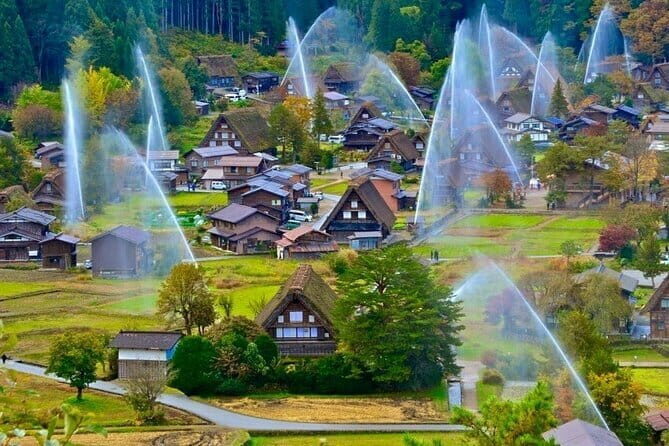
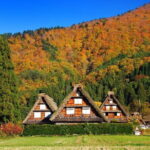
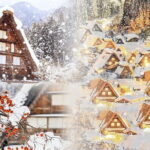
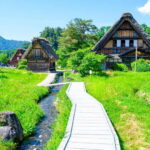
Shirakawa-go is the main event. The tour guides you through rice paddies and quaint village streets, setting the stage for what makes the UNESCO designation feel personal instead of abstract.
Then you step into the part many people travel all this way for: entry into one of the famed thatched-roof houses. This isn’t just photo-op access. The guide explains the architecture and what life was like during the Edo-era, including the drama of daily living. That kind of context changes what you notice. You start looking at roof structure, room layout, and the logic of how a household functioned—not just admiring the look from the outside.
After the house visit, you also get a short hike up to a lookout point. This is a big deal for value. A village from ground level is charming, but a viewpoint helps you understand how the town sits in the valley and how the layout makes sense in the landscape.
Your guide also stays around for photo support. That’s especially helpful in Shirakawa-go because you often have narrow walking lanes and busy moments when visitors gather in front of the same best angles.
You’ll also get time to explore on your own, plus there’s an option to snack along the main street. That self-paced time is where you can slow down and simply watch life in the village rather than constantly following instructions.




The best way to enjoy Shirakawa-go
- Start with the house entry first, so your brain has the context before the streets.
- Use the lookout hike to get one or two “whole village” photos, not just close-ups.
- Keep a little energy for your free-explore window. It’s easy to burn out after the house and hike.
What’s Included, What’s Not, and the Hidden Costs You Should Plan For
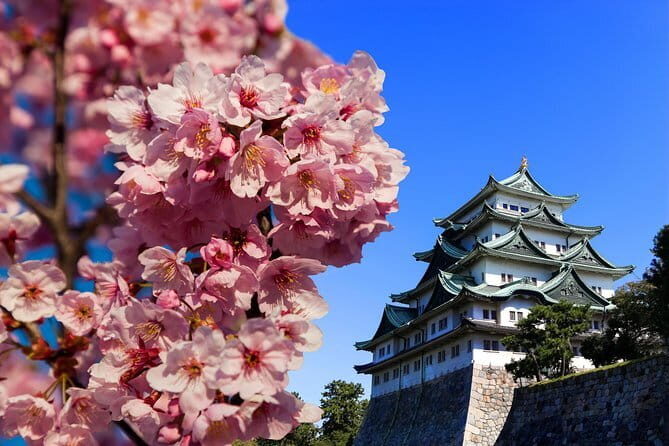
Here’s where the tour’s value really shows. Included items are straightforward:
- Guide in English, French, Spanish, or Chinese (your choice)
- Round-trip transportation during the tour
- Entry fee into a thatched-roof house in Shirakawa-go
What’s not included:
- Lunch
- Accommodation
- Transportation to and from the meeting point before/after the tour
That lunch gap is the one place you need to be self-reliant. Since the schedule includes both guided and free time, you’re unlikely to go hungry—but you will pay out of pocket. If you’re trying to keep your total daily budget tight, treat lunch as a planned expense rather than an afterthought.
Also, because this is a long day with travel time, you may want to bring small extras you don’t usually think about: water, a light snack for the in-between moments, and sun protection if the weather is clear.
Price and Value: Is $208.53 Worth It?
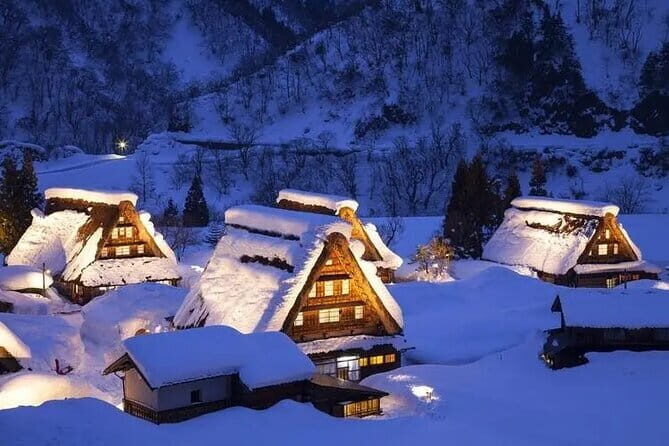
At $208.53 per person, this isn’t a “cheap bus tour.” So the real question is what you’re paying for, and whether it matches how you like to travel.
You’re paying for three things that are hard to replicate on your own without extra effort:
- Round-trip transport from Nagoya that handles the timetable for you.
- A dedicated guide who explains what you’re seeing at both stops.
- That key thatched house entry fee in Shirakawa-go.
When tours include the house ticket and still keep the group small (max 12), it reduces the feeling of paying for “access only.” You’re not just being dropped at a UNESCO site. You’re getting interpretation and a planned walk that includes a viewpoint hike.
The timing also supports value. Since the day is long, you don’t want to waste time figuring out routes between towns, and this tour’s structure helps you focus on the experience rather than the logistics.
One more practical note: the tour is on average booked about 47 days in advance. That suggests it’s popular enough that you should not wait until the last week if your dates are fixed.
Connectable Ending Options: How This Fits Into a Bigger Japan Plan
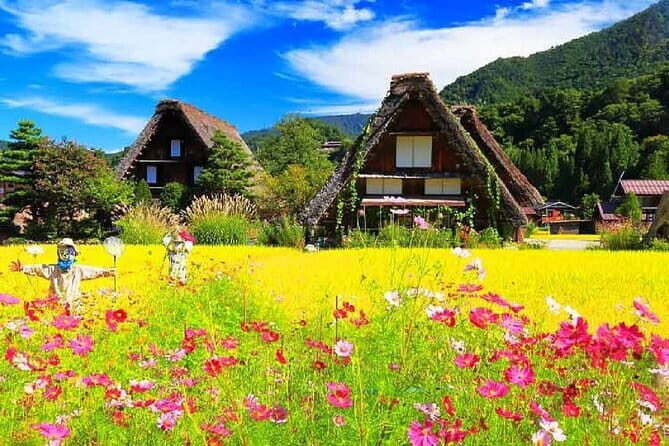
One interesting feature here is the provider’s connectable tour system. It suggests you may have flexibility to end this day in Takayama, Kanazawa, or Shirakawa-go, depending on how you stitch your travel days together.
At the same time, the activity listing also notes it ends back at the meeting point. So here’s how I’d interpret it in real life: treat this as a tour that can work as either a standalone day trip from Nagoya or as a piece of a longer Central Japan route, and confirm your exact ending plan at booking.
If you’re building a multi-city itinerary, this kind of flexibility can save you time and reduce backtracking. If you’re sticking only to the Nagoya area, it still works as a complete day out because you return to your start point.
Who This Tour Suits Best

This is a strong choice if you:
- Want a guided day trip that pairs two major towns without juggling transit on your own
- Enjoy UNESCO sites when a guide explains what you’re looking at
- Like the mix of structure and free time (you get walking with context, plus room to wander)
- Prefer small-group attention over a crowded, rushed schedule
It’s also ideal for people who don’t have extra days to allocate to region hopping. With a single day, you get Takayama’s old-street feel and Shirakawa-go’s thatched-house atmosphere.
If you’re the kind of traveler who hates group schedules entirely, you might find the set start time and shared pacing limiting. But if you can handle a guided day with breaks, it’s a very workable setup.
Should You Book This Nagoya Hida-Takayama & Shirakawa-go Tour?
I’d book it if you want the best shot at experiencing both towns with real context, without spending your morning studying transit routes. The small group cap, the included Shirakawa-go house admission, and the guided setup for the lookout hike add up to more than a simple sightseeing day.
Skip it only if your priority is total independence or if you strongly dislike long travel days. Since lunch isn’t included and the schedule is built around transportation time, you’ll enjoy it most if you treat this as a full-day commitment.
If your dates are flexible, you can still likely find options. If your dates are firm, book earlier rather than later since it’s already commonly reserved around six to seven weeks ahead.
FAQ
What time does the tour start?
It starts at 8:30 am.
Where do I meet the tour?
The meeting point is Nagoya Station, 1-chōme-1-4 Meieki, Nakamura Ward, Nagoya, Aichi 450-0002, Japan.
How long is the tour?
The tour is listed at about 9 hours 30 minutes.
What’s the maximum group size?
This tour has a maximum of 12 travelers.
What languages are available for the guide?
You can choose a guide who speaks English, French, Spanish, or Chinese.
Is admission included for Shirakawa-go’s thatched-roof house?
Yes. Entry fee into a thatched roof house in Shirakawa-go is included.
Is lunch included?
No. Lunch is not included.
Is the ticket mobile?
Yes. The tour provides a mobile ticket.
Is this tour cancellable if plans change?
Yes, free cancellation is available. You can cancel up to 24 hours in advance for a full refund.
Does the tour include a hike?
Yes. In Shirakawa-go, the tour includes a short hike up to a lookout point.

![[Miyako Island / Half Day] Pumpkin Limestone Cave & Sea Kayaking - Canoeing first: what to expect on the sea part](https://images.thejapantraveler.com/wp-content/uploads/miyako-island-half-day-pumpkin-limestone-cave-sea-kayaking.jpg)