REVIEW · TOKYO
Tokyo Private Tour with Customized Itinerary
Book on Viator →Operated by Flip Japan Guide · Bookable on Viator
Tokyo can feel like a hundred cities at once. This private plan helps you choose what matters most without getting lost. I especially like the flexible format (sample route or customization) and the fact you’re not doing it alone—you get a local expert guide to help you connect the dots fast. One thing to consider: since it’s private, the experience depends heavily on clear communication and expectations with your guide.
Here’s the good part for real-world visitors: you get a tight 5-hour walking route built around major districts, with pickup offered and a mobile ticket to keep the start simple. I also like that the big-name stops in this loop are marked as free at each location, so you can focus your spending where you actually want it. If you’re hoping for a full-day Tokyo deep dive, this is not that—but it’s a solid, high-value first-round tour.
In This Review
- Key Highlights You’ll Actually Feel on the Ground
- Why This 5-Hour Private Loop Works in Tokyo
- Price and Logistics: What You’re Paying For (and What You Aren’t)
- Tsukiji Fish Market: Seafood Energy Without the Guesswork
- Asakusa and Senso-ji: A Classic Landmark Area Done Smart
- Ueno: Park Time and Museum Options Between Districts
- Akihabara: Electronics and Pop Culture on Foot
- How Customization Usually Feels in Real Life
- Pickup, Meeting Point, and Staying Oriented
- A Note on Guide Quality With Private Tours
- Who This Tour Is Best For
- Should You Book It?
- FAQ
- How long is the Tokyo private tour?
- Is this tour private for my group only?
- What stops are included?
- Is pickup offered?
- Are entrance fees included?
- What’s included in the price versus not included?
Key Highlights You’ll Actually Feel on the Ground
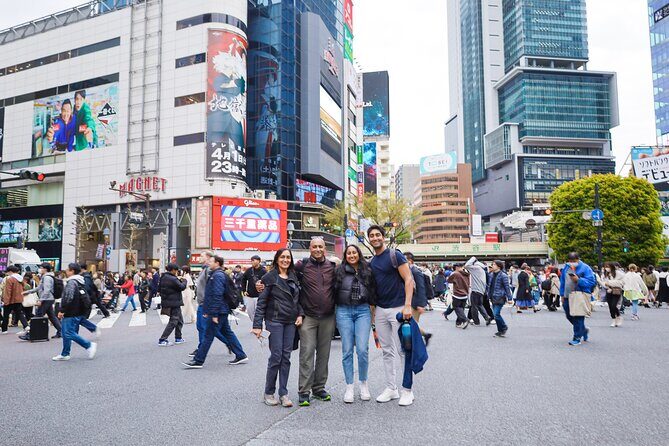
- Private and customizable: you pick the pace and can tailor what you see
- Local expert guide: practical context, not just a list of sights
- Pickup offered: easier logistics when your trip is already full
- A focused 5-hour route: Tsukiji, Asakusa, Ueno, and Akihabara in one flow
- Most key stops are free: the itinerary lists admission tickets as free for each stop
- Smart meeting point: Shibuya Station area start, with the tour ending back near there
Why This 5-Hour Private Loop Works in Tokyo
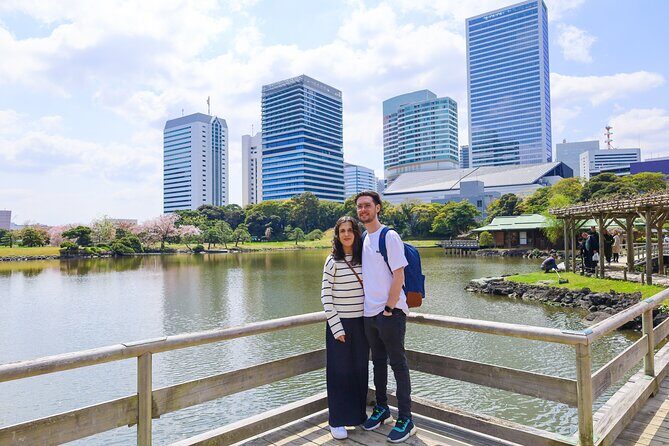
Tokyo rewards planning, but it also punishes over-planning. A 5-hour private walking tour hits a sweet spot: enough time to see meaningful areas on foot, yet short enough that you can still adjust if the day throws you a curveball. You’re not stuck on a rigid bus schedule, and you’re not spending your vacation time figuring out which train line gets you to your next photo.
What makes this approach feel practical is the combination of a guide plus options. You can start with a sample route, or you can customize based on your interests. If you want classic landmarks, you’ll cover the big ones. If you want pop culture and side streets, you can push the plan toward that. And because it’s private, your group sets the tempo—no waiting for slow walkers or sprinting to catch up with strangers.
Value-wise, this is priced per group (up to 6). That matters because Tokyo costs can add up quickly once you factor in taxis, extra tours, and the time you spend paying for mistakes. If you have a small crew—family, two couples, or friends—this can be a smart way to buy efficiency and local judgment for a reasonable chunk of your budget.
You can also read our reviews of more private tours in Tokyo


Price and Logistics: What You’re Paying For (and What You Aren’t)
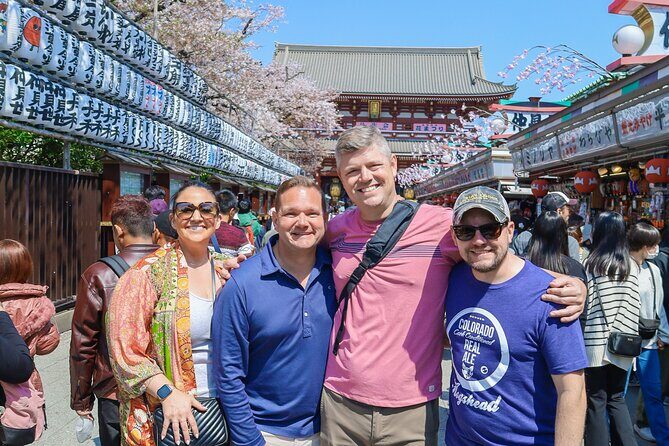
The rate is $329.44 per group for about 5 hours. For a private guide and customized time in Tokyo, that’s the core value: you’re paying for decision-making help. Instead of doing trial-and-error, you get a plan made for your group, plus someone next to you who can answer questions while you walk.
Two cost items are listed as not included:
- Public transportation: $5.00 per person
- Entrance fees to paid venues (if needed): $5.00 per person
That doesn’t mean you’ll definitely pay more. The itinerary stops are marked with admission ticket free for the listed locations, so your base cost stays predictable. But Tokyo loves surprise add-ons—small museums, specialty shops, paid observations—so it’s good you’re being told up front that extras might cost more depending on what you choose.
Pickup is offered, and a mobile ticket is provided. That’s another practical win: you’re less likely to start the tour frazzled. Still, note the listed start and end points are tied to Shibuya Station (2 Chome-24), and the activity ends back at the meeting point. If pickup is part of your plan, you’ll want to confirm the exact arrangement when you book.
Tsukiji Fish Market: Seafood Energy Without the Guesswork
Tsukiji is one of those Tokyo stops people talk about even if they don’t fully know what they’re looking at. Here, you get about 1 hour, and the itinerary lists admission as free, which is nice because you can treat it like a sensory visit rather than a ticketed attraction.
What I’d expect from a guided Tsukiji stop is context: where the market fit into Tokyo’s food system, why it was famous internationally, and what you’re seeing now versus what people remember from the old days. The tour description calls it a former wholesale seafood market and notes it was renowned for busy tuna auction activity. A guide can help you read the scene quickly, so you’re not just wandering and hoping you catch something interesting.
A drawback to be aware of: 1 hour goes fast in Tsukiji. The area is full of sights, smells, and photo opportunities. If you’re the type who likes to browse slowly or ask lots of questions, you’ll probably want to spend a bit of that hour prioritizing one or two targets—like seafood stalls you actually want to see, or specific views that match your interests.
My practical advice: if food is your main goal, tell your guide before you arrive what kind of seafood questions you want answered. You’ll get more out of that short window than if you just say yes to everything.
Asakusa and Senso-ji: A Classic Landmark Area Done Smart
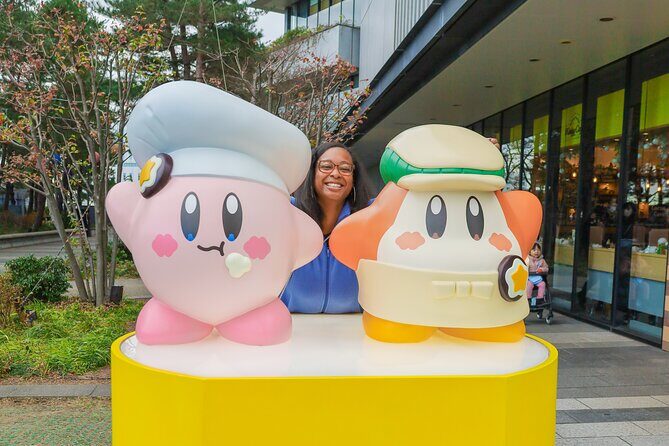
Asakusa is where Tokyo feels like it’s wearing its traditional clothing. You get about 2 hours here, and admission for the stop is listed as free. The highlight is Senso-ji Temple, described as a Buddhist temple founded in the 7th century. Even if you’ve seen photos, being there in person changes the experience. Senso-ji has that gravity—people come for ceremony, atmosphere, and the sheer sense that this spot has mattered for a long time.
What I like about a guided visit in Asakusa is timing and navigation. This is the kind of area where your eyes want to do everything at once. A guide helps you move through the key areas without turning it into a scavenger hunt. You also get helpful background as you go—so you understand what you’re looking at instead of just photographing it.
A consideration: if your group is expecting a quick hit, 2 hours can still feel like a lot or like not enough, depending on your style. If you love temple details and slow wandering, two hours will feel perfect. If you’re mainly there for photos and then want to keep moving, you may want to steer your guide toward the most important sights first so you don’t lose the plot.
If you’re visiting Tokyo for the first time, Asakusa is a strong anchor stop. It gives you a clear cultural contrast to the more modern districts later in the day.
Ueno: Park Time and Museum Options Between Districts
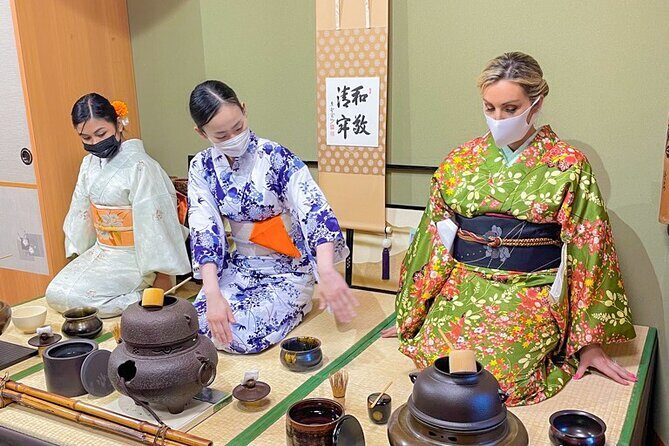
Ueno is a smart break in an itinerary like this because it gives you a change of scenery. You get about 1 hour, admission is free, and the area is described as home to Ueno Park plus several museums, including the Tokyo National Museum.
Even though the itinerary keeps it short, I’d treat Ueno as a reset point. You’re not just moving from crowded corner to crowded corner—you get a chance to slow down and look at Tokyo through a different lens. A local guide can help you understand what’s nearby and what kind of experience each museum offers, even if you don’t buy tickets right then.
The main drawback with a shorter Ueno stop is choice overload. Ueno is museum country, and if your group is museum-first, you might feel like one hour is too tight. If that’s you, use the guide to decide what you can actually do in your time window. Otherwise, you’ll end up with “maybe later” energy while the hour slips away.
If you’re not museum-focused, Ueno still works well. You can enjoy the park setting, get your bearings for the north-side of Tokyo, and re-enter the city with more calm.






Akihabara: Electronics and Pop Culture on Foot
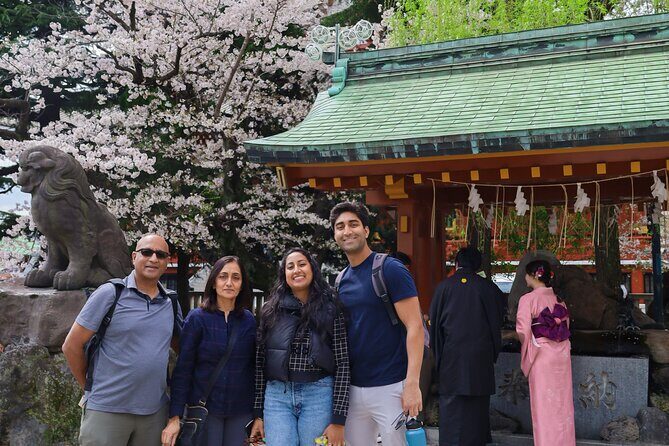
Then you hit Akihabara, about 1 hour with admission listed as free. This is the district the tour description calls the hub of electronics and pop culture, known for anime and manga stores. It’s a great ending stop because it feels different from the more traditional areas earlier in the day.
What you’ll likely get out of a guided visit is efficient navigation. Akihabara has a lot of shops and a lot of visual noise. A guide can help you focus on what fits your interests—tech gear, collectibles, or just the aesthetic of the neighborhood. Even if you don’t buy anything, you’ll understand the layout better than wandering solo.
The consideration here is pacing. One hour can be enough for window shopping and one or two specific store targets. If your group wants to compare multiple electronics floors or hunt for specific manga items, you’ll want your guide to prioritize. Ask for a short list of must-see shop types before you start walking inside.
Also, if your day includes a lot of walking in temples and markets, Akihabara gives you a fun emotional shift: fewer rules, more playful browsing. For many groups, it’s the most “vacation-feeling” part of the route.
How Customization Usually Feels in Real Life
This tour is built to be flexible: you can go with the sample route or customize. That flexibility is valuable for Tokyo because the city doesn’t reward one-size-fits-all plans. Your best day depends on your energy, interests, and even the weather.
Here’s how I’d use the customization to get real value:
- If your group is photo-focused, ask your guide to keep the stops tight and prioritize the highest-impact views first.
- If your group is shopping-focused, spend more time at the neighborhood that matches your buying style (for this route, Akihabara is the obvious fit).
- If your group is culture-first, make sure Asakusa and Senso-ji get enough room for questions and context.
- If you want a calm intermission, keep Ueno as a deliberate pause rather than rushing through.
Because it’s private, you’re not stuck. If you see something you want to spend time on, your guide can help you decide whether it’s worth it within the 5-hour frame. That’s the difference between a tour that feels like a checklist and one that feels like it was planned for you.
Pickup, Meeting Point, and Staying Oriented

Pickup is offered, which is a big deal in Tokyo because start times matter. If you’ve ever tried to meet a group in a complicated station layout, you know why. Starting with pickup reduces stress for your first hour.
Still, the meeting point is listed at Shibuya Station (2 Chome-24), and the tour ends back at the meeting point. That tells you the structure is designed around Shibuya as a central anchor. For you, this means you can plan your day knowing you’ll finish near a major transit area.
One practical strategy: before the tour starts, confirm the exact pickup details and the guide’s meeting instructions (especially if your hotel is near Shibuya but not inside it). A small mismatch can cost time, and this tour only has 5 hours.
A Note on Guide Quality With Private Tours
This is the part I won’t sugarcoat. Private tours can be amazing when the guide is a strong fit, and disappointing when communication breaks down. There was at least one very negative report tied to guide behavior during a tour, including the guide leaving the visit. While that’s not the overall pattern, it’s a reminder that your experience is linked to the guide you get.
So here’s how you protect yourself:
- Be clear about what you want from the 5 hours before you start.
- Share priorities early: landmarks, shopping, food, museum interest, and photo time.
- If you’re relying on pickup, double-check the timing so you’re not scrambling.
This kind of tour is great when you treat it like a conversation, not a script.
Who This Tour Is Best For
This tour fits best if you:
- Want a first-time Tokyo overview with meaningful districts rather than a random walk
- Prefer the comfort of a guide while still having freedom to customize
- Travel in a small group (up to 6), where group pricing makes sense
- Like the idea of balancing traditional Tokyo (Asakusa/Senso-ji) with modern/pop-culture Tokyo (Akihabara)
It’s less ideal if you want a full museum schedule, long sit-down meals, or a very deep dive into one district. The structure is intentionally tight, and that’s a strength when you want momentum.
Should You Book It?
Yes, I’d consider booking it if you want a high-value, guided Tokyo day that avoids getting lost and helps you choose priorities quickly. The strongest reasons are the private format, the local expert guide, and the fact that the planned stops are mostly marked as free, so your main costs stay under control.
Book it especially if your group enjoys a mix: seafood-market energy at Tsukiji, temple-area calm at Asakusa, park-and-museum options at Ueno, and pop-culture browsing at Akihabara. And because it’s commonly booked about 44 days in advance, you’ll likely want to plan ahead if your dates are firm.
If you’re the type who expects perfect, frictionless execution every minute, remember that private tours depend on human factors. The workaround is simple: communicate clearly, confirm logistics early, and set expectations for how you want to spend the 5 hours.
FAQ
How long is the Tokyo private tour?
It’s about 5 hours.
Is this tour private for my group only?
Yes. It’s a private tour/activity, and only your group participates.
What stops are included?
The tour includes Tsukiji Fish Market, Asakusa (including Senso-ji), Ueno, and Akihabara.
Is pickup offered?
Yes, pickup at your hotel or accommodation is included.
Are entrance fees included?
No. Entrance fees to paid venues are not included. The tour notes an additional entrance fee amount may apply depending on what you choose to visit, but the listed stops have admission tickets marked as free.
What’s included in the price versus not included?
Included: local expert guide, the 5-hour private customizable walking tour, and pickup. Not included: public transportation ($5.00 per person), lunch, and entrance fees to paid venues if needed ($5.00 per person).