REVIEW · KYOTO
Kyoto: Toji Temple Walking Tour with Meditation Guide
Book on GetYourGuide →Operated by Hakumi Co., Ltd. · Bookable on GetYourGuide
Toji Temple is calmer than it looks. This 1-hour Toji Temple walking tour with meditation gives you history, Buddhist context, and actual guided practice in a World Heritage setting. I like that the tour covers the temple’s founder and the way Buddhist schools fit into Japan’s spiritual life, not just the scenery.
Two things I really enjoyed: the guide explains Buddhist factions and how the esoteric branch differs in practice, and you get meditation support that works even if you know nothing about Buddhism. One thing to consider is that it’s not suitable for mobility impairments, so it’s a walking-focused experience from start to finish.
In This Review
- Key Highlights You’ll Feel During the Walk
- A 1-Hour Toji Temple Meditation Walk From the South Gate
- Meeting Point Details That Make the Start Less Stressful
- History and Founder Impact: Why the Temple Story Matters
- Buddhist Factions Explained in Plain Language
- The Esoteric Branch of Buddhism: What Makes It Different
- Meditation in a Tranquil Hall: How the Practice Fits Everyone
- What You Actually Get: Inclusions, Costs, and Real Expectations
- Photography Rules and Temple Etiquette That Keep You Comfortable
- Who This Kyoto Toji Tour Is Best For (and Who Should Skip It)
- Practical Timeline: What the 1 Hour Feels Like
- Should You Book This Toji Temple Meditation Tour?
- FAQ
- How long is the Toji Temple walking tour with meditation guide?
- Where do I meet the guide?
- How much does it cost?
- What’s included in the price?
- What is not included?
- Which languages are offered for the live guide?
- Is photography allowed?
- Is the meditation suitable for beginners?
- Is this a small group tour?
- Is this tour suitable for people with mobility impairments?
Key Highlights You’ll Feel During the Walk
- Ultra-small group size with limited to 1 participant, so the tone stays personal
- South Gate meeting point (なんだいもん) makes finding the start straightforward
- Buddhism lessons tied to practice, including how the esoteric branch differs from other schools
- Guided meditation in a tranquil hall, with help for beginners through experienced meditators
- Photography rules: no photos inside temple buildings, but outdoor photos are allowed
A 1-Hour Toji Temple Meditation Walk From the South Gate
This tour is built for people who like meaning, not just movement. You’ll meet at Toji Temple’s South Gate (なんだいもん) and then walk through the temple grounds with a live guide. It’s only 1 hour, so you’ll want to treat it like a focused class, not a slow afternoon stroll.
The pace is especially friendly because the tour is designed to accommodate every level of meditation experience. That matters in Kyoto, where some cultural tours assume you already know the basics and then move on fast. Here, the guide slows things down enough for beginners, while still giving experienced meditators something to think about.
Price is $35 per person, and for this length of time it can be a good value if you want two things at once: context and practice. You get the guided walking portion plus a meditation introduction. You do not get transportation, meals, or the entry fee, so you’ll want to budget for those separately.
You can also read our reviews of more walking tours in Kyoto


Meeting Point Details That Make the Start Less Stressful
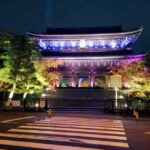
The meeting point is clear: Toji Temple’s SOUTH Gate (なんだいもん), on the south side of the temple. Arrive 10 minutes early so you can meet the guide without feeling rushed. Since the tour is only an hour, being late can cut into the most important parts: the history talk and the meditation sitting.
Languages are listed as English and Chinese, and the guide is live. That’s a big deal if Buddhism terms and meditation instructions would feel confusing in a standard audio guide. If you’re more comfortable in one language, pick the option that matches you.
You’ll also want to wear clothing that works for walking. The tour is not marketed as an activity for wheelchairs or limited mobility, so sensible shoes are part of doing it comfortably and safely.
History and Founder Impact: Why the Temple Story Matters
One reason this tour feels more rewarding than a “see the sights” visit is that it teaches you what the temple represents. You’ll learn Toji Temple’s history and hear about the founder’s impact on Japan’s culture, society, and spirituality. That founder-focused angle changes how you read the place while you’re standing in it.
Instead of treating the temple like a photo backdrop, the guide connects it to larger themes: how religious ideas spread, how practices take root, and how spiritual life becomes part of everyday identity. Even if you’ve heard the basics of Buddhism before, you’ll likely appreciate the way the guide frames the temple within Japan’s broader religious landscape.
This kind of context is also practical. When you know what a religious site is doing historically and spiritually, your attention moves from random details to the meaning behind them. And in a site like Toji, meaning is the point.
Buddhist Factions Explained in Plain Language
A standout part of this tour is that it doesn’t treat Buddhism as one single style. You’ll discover the different Buddhist factions (schools) in Japan and learn how their practices can differ. The guide’s goal is to help you understand the “family tree” idea without drowning you in terminology.
That’s where the tour earns its spot for beginners. If Buddhism feels complicated, it usually isn’t the religion itself—it’s the way people introduce it. Here, you’re guided through the idea that different schools have different approaches to practice. Then you get help placing Toji within that context.
If you already meditate, this still works. You can compare how you think about meditation to how the guide explains different schools and how they relate to daily life and spiritual goals. The tour keeps the focus on what it means to practice, not just what’s written in books.
The Esoteric Branch of Buddhism: What Makes It Different
The tour specifically highlights the esoteric branch of Buddhism and its spiritual significance. You’ll learn how this branch differs from other forms and what kinds of practices it emphasizes. You don’t need a background to follow along, because the tour is built to meet you where you are.
The practical value here is perspective. When you understand what makes an esoteric tradition feel different—how it frames spiritual practice—you stop treating meditation like a universal, one-size-fits-all technique. Instead, you start seeing it as something tied to a tradition, teachings, and a way of approaching mind and meaning.
In other words, the tour helps you ask better questions while you sit. Even a short guided meditation can feel more grounded when you know what the tradition is trying to cultivate.
You can also read our reviews of more guided tours in Kyoto



Meditation in a Tranquil Hall: How the Practice Fits Everyone
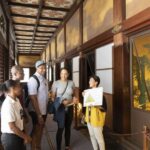
The meditation experience is one of the most praised parts. The guide leads you through a meditation session while you sit in a tranquil hall area that’s less known to most casual tourists. That difference matters because the setting changes the quality of attention.
What I like about this format is the balance. You aren’t just given instructions and left alone. You have a guide who can tailor the meditation approach depending on whether you’re experienced, curious, or brand-new to the whole thing. That’s exactly what makes the tour feel usable, not intimidating.
Your guide is named in one of the experiences you provided as Roy, and the approach described is clear: strong knowledge of Buddhism and Toji’s history, paired with a meditation experience that feels memorable. If you happen to get a similarly thoughtful guide, you’ll likely appreciate how history and meditation support each other in the moment.
A small warning: since photography isn’t allowed inside temple buildings, plan to keep your hands free and your phone away during any indoor instructions. You’ll get more from the session if you treat it like a quiet moment, not an Instagram shoot.
What You Actually Get: Inclusions, Costs, and Real Expectations
Here’s the deal with value. For $35, you get:
- a guided walking tour
- historical and cultural insights
- an introduction to Buddhist practices
What you do not get:
- transportation to the temple
- meals and drinks
- entry fee
So decide based on what you need. If you can already reach Toji on your own and you’re fine skipping a meal, then paying for a guide plus guided meditation can be a smart use of time. If you were hoping this fee covered everything, it won’t. Budget for the entry fee if applicable and handle food and getting there separately.
Also note the tour is not allowed to have pets, and smoking is not allowed. If you’re traveling with a service animal, double-check what’s permitted under your own circumstances, since the tour explicitly disallows pets.
Photography Rules and Temple Etiquette That Keep You Comfortable
This tour comes with specific photography rules:
- No photography inside temple buildings
- Outdoor photography is allowed, but be respectful
It’s a simple rule set, but it changes your behavior during the sit and any indoor segments. If you’re the type who documents everything, I’d recommend you decide upfront what you’ll photograph outdoors and what you won’t. The meditation moment will be better if you aren’t constantly checking your screen.
Etiquette is also part of the spiritual tone. Wear comfortable walking clothes, arrive a bit early, and treat the hall meditation time as indoor quiet time. The tour doesn’t ask for perfection. It asks for attention.
Who This Kyoto Toji Tour Is Best For (and Who Should Skip It)
This experience fits people who want a guided interpretation, not just a checklist. I think it’s especially good if you:
- like Buddhist context while you’re in a real temple setting
- want a meditation introduction even if you’re new
- prefer small-group learning where you can actually listen and adjust
It may not fit you if you need mobility support. The tour is explicitly not suitable for people with mobility impairments. Also, if you’re expecting full freedom to wander without guidance, you may find the structure tighter than you want, since it’s only an hour.
If your main goal is meditation practice alone, you might still enjoy it because the guide connects practice to tradition. But if you want a long meditation retreat style, this is short and focused on introduction.
Practical Timeline: What the 1 Hour Feels Like
You’ll likely experience the hour in three parts:
1) Meeting and orientation at the South Gate, then a walk through the temple space
2) History and Buddhism context, including Toji’s founder impact and different schools
3) Guided meditation in a tranquil hall, with support for different experience levels
That structure is why the tour earns its reputation. It doesn’t treat meditation as a random add-on. It uses the site, the history, and the framework of Buddhist factions to make the sitting feel purposeful.
And because it’s only 60 minutes, it’s realistic on a day when you also want to explore Kyoto on your own.
Should You Book This Toji Temple Meditation Tour?
I’d book it if you want a compact, guided way to understand Toji Temple through Buddhism—and then actually practice meditation in a calm setting. The combination of history, Buddhist schools, and esoteric Buddhism, plus a guided meditation session, is a lot of value for a single hour.
Skip it if mobility is a concern, if you need transportation handled for you, or if you’re hoping for a long, self-guided temple visit. Also be aware of the photography limits inside buildings.
If you’re trying to make the most of limited time in Kyoto, this is a smart choice: you get meaning in the morning (or whenever you schedule it) and still leave with energy to explore the rest of the city.
FAQ
How long is the Toji Temple walking tour with meditation guide?
The tour lasts 1 hour.
Where do I meet the guide?
Meet at Toji Temple’s SOUTH Gate (なんだいもん) on the south side of the temple.
How much does it cost?
The price is $35 per person.
What’s included in the price?
Included are the guided walking tour, historical and cultural insights, and an introduction to Buddhist practices.
What is not included?
Transportation to the temple, meals and drinks, and the entry fee are not included.
Which languages are offered for the live guide?
The live tour guide is available in English and Chinese.
Is photography allowed?
Photography is not allowed inside temple buildings, but outdoor photography is allowed (be respectful).
Is the meditation suitable for beginners?
Yes. The tour is designed to accommodate all levels, including people who know nothing about meditation or Buddhism and those who already meditate.
Is this a small group tour?
Yes. It’s described as a small group limited to 1 participants.
Is this tour suitable for people with mobility impairments?
No. It is listed as not suitable for people with mobility impairments.