REVIEW · KYOTO
Kyoto: Authentic Tea Ceremony in a Small Group
Book on Viator →Operated by Tea ceremony The KYOTO · Bookable on Viator
Your Kyoto tea stop is a quiet time capsule. In Uzumasa, you step into a tea room designed for chanoyu and slow attention, right down to the miniature garden view. This is the kind of experience that turns sightseeing volume down to zero.
What I like most is how the ceremony treats your senses as the lesson. You taste high-quality matcha and Kyoto wagashi, not some generic tea-snack setup. You also get a real explanation of the tools and the culture behind the Way of Tea, so it lands in your head, not just on your tongue.
One thing to consider: it is only about 1 hour, and transportation is not included. If your day is built around moving fast between Kyoto hotspots, you’ll want to plan your timing so you don’t arrive rushed.
In This Review
- Key highlights you’ll feel right away
- Chanoyu The KYOTO in Uzumasa: a pause from Kyoto noise
- The 1-hour flow: haori, garden viewing, and Urasenke tea steps
- 1) Welcome and outfit: the haori moment
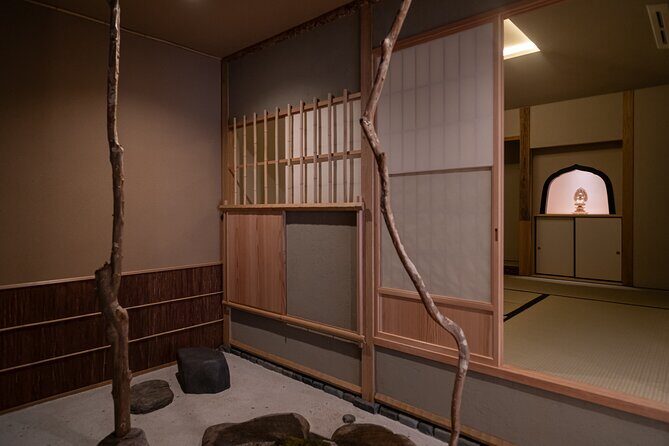
- 2) The garden view: a miniature scene inside the room
- 3) Watch the procedure: Urasenke style, step by step
- 4) Learn the meaning: history, utensils, and chado
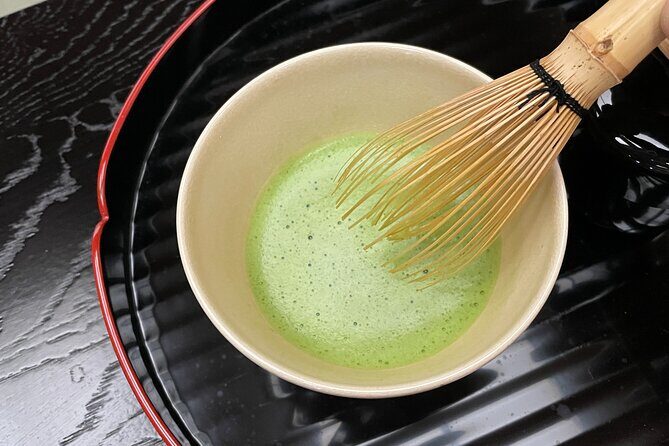
- 5) Make it yours: whisk your matcha
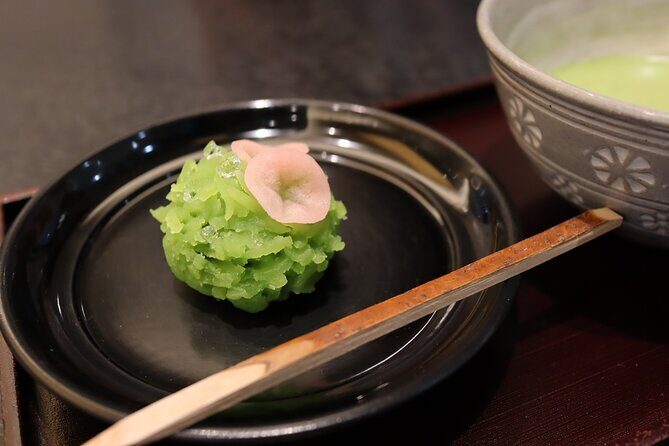
- 6) Sweet pairing: your second traditional sweet
- Matcha and wagashi pairing: why the taste lessons last
- What makes the matcha feel different
- How wagashi shapes the matcha
- The garden-and-room setup: small space, big focus
- Price and logistics: what $586.38 per group really means
- Who this Kyoto tea ceremony is perfect for
- Should you book it?
- FAQ
- How long is the tea ceremony experience?
- What is the group size?
- Where does the tour start?
- Is transportation included?
- What is included in the experience?
- Will I receive a ticket on my phone?
- Is it near public transportation?
- What is the cancellation policy?
- Is there a booking time window?
Key highlights you’ll feel right away
- Uzumasa location with a quieter mood than central sightseeing circuits
- Haori outfit that immediately makes the space feel formal and respectful
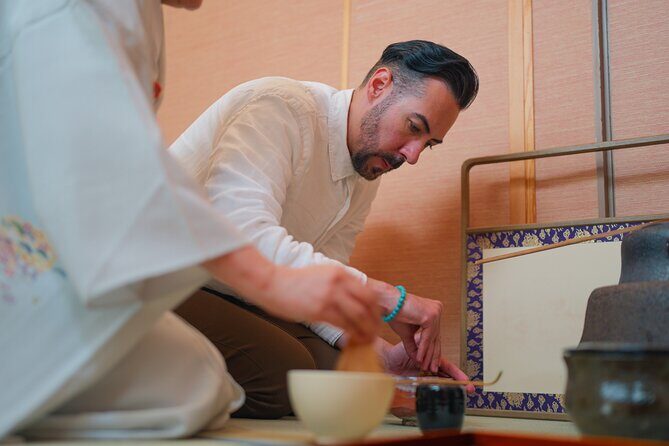
- Urasenke-style procedure you can actually watch and follow step by step
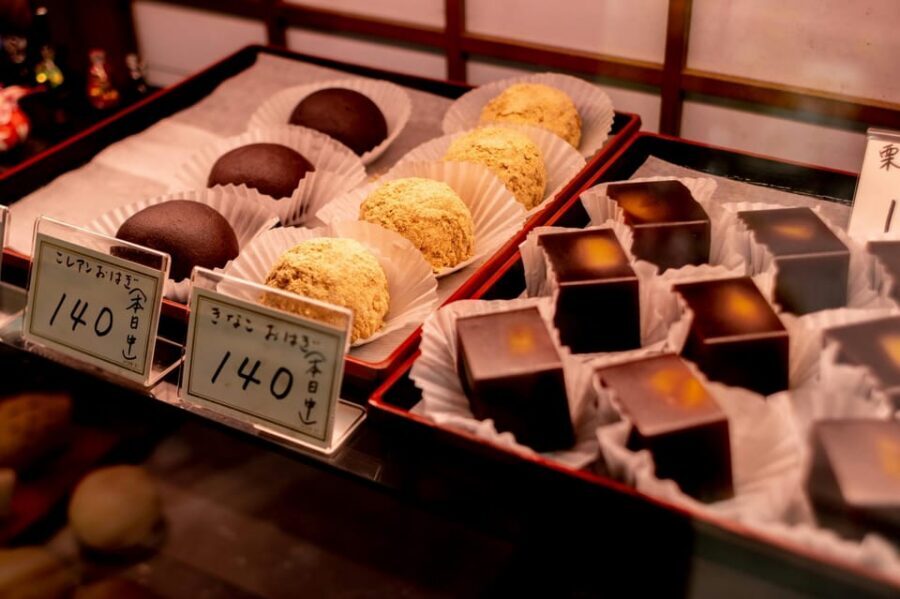
- Matcha and wagashi pairing using matcha from Marukyu Koyamaen and sweets from a long-established Kyoto wagashi shop
- Garden viewing inside the tea room so the setting is part of the ceremony, not an add-on
- You whisk your own matcha, which turns learning into a hands-on memory
Chanoyu The KYOTO in Uzumasa: a pause from Kyoto noise
Kyoto has a lot going on. Even when you slow down, it can still feel like you’re walking through a constant stream. This tea ceremony offers something rarer: a controlled calm, inside a space made for precise, graceful movements.
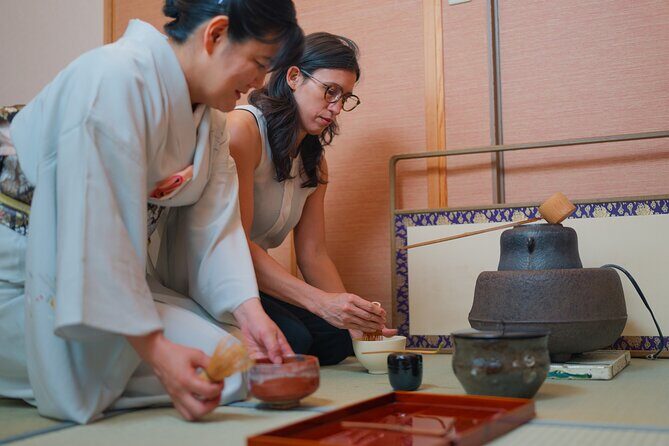
The experience happens at Chanoyu The KYOTO Uzumasa in the Ukyo Ward area of Uzumasa. The setting is described as a hidden sanctuary in a historic district, and you’ll see that idea come to life. First you enter a stylish interior, then you’re led toward a carefully arranged garden and into an authentic tea room. That shift matters. You’re not just paying to drink tea. You’re stepping into a designed atmosphere where every detail is meant to shape your attention.
A big bonus here is that the tea room presentation includes the culture, not just the performance. You’ll observe the Urasenke tea procedure, and you’ll also get an explanation of the history and meaning behind chanoyu and the utensils. If you’ve ever tasted matcha and wondered why it’s treated with such seriousness, this is the kind of setting that answers that without turning it into a lecture.
The group size is also part of the value. It’s a small group experience (up to 6), and it’s private for your group. That usually means you can ask questions, move at the right pace, and actually feel like the ceremony is happening with you—not with you as an audience.
You can also read our reviews of more tours and experiences in Kyoto.



The 1-hour flow: haori, garden viewing, and Urasenke tea steps
Expect a focused run-through rather than a loose workshop. From start to finish, it’s designed to feel like a complete ceremony arc.
1) Welcome and outfit: the haori moment
The ceremony begins with you putting on a traditional haori, a kimono-style jacket. This isn’t just a costume for photos. It signals that you’re entering a space with etiquette. It also helps first-timers relax, because the formality is handed to you. You’re not trying to look right. You’re dressed in the right spirit.
2) The garden view: a miniature scene inside the room
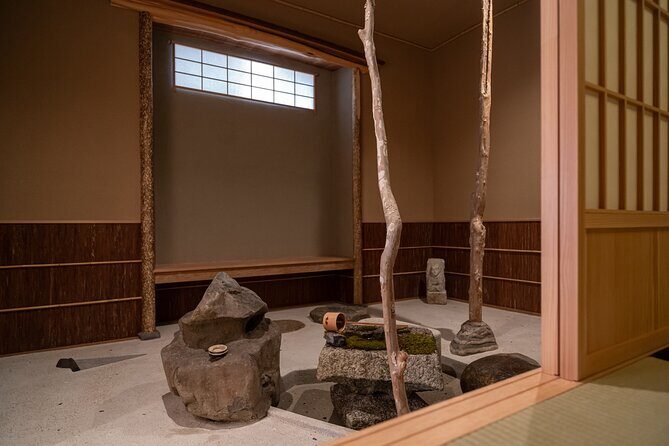
Next, you’ll be invited to appreciate a meticulously crafted miniature garden arranged within the tea room space. This is one of those Kyoto details that hits differently when it’s framed as part of the ceremony. The garden isn’t there to decorate your camera roll. It’s meant to anchor your attention while the ritual unfolds.
A nice touch is that the garden is presented as a viewing experience. You’re encouraged to take your time rather than rushing past it. Even though the whole thing is about an hour, the pace is built for slow seeing.
3) Watch the procedure: Urasenke style, step by step
You’ll then observe the graceful Urasenke tea procedure. Urasenke is one of the major tea schools, and the mention matters because it tells you the ceremony follows a structured approach, not a random sequence.
What you’re watching isn’t only how to whisk. It’s how movement, timing, and respect work together. You’ll see how utensils are handled and how the host guides the flow of each action.





4) Learn the meaning: history, utensils, and chado
After watching, you’ll get a briefing on the history and cultural origins of chanoyu, plus an introduction to the utensils. The key value here is that utensil talk is tied to why they matter. The ceremony treats objects as carriers of meaning—so you’ll learn what they represent, not just the names.
This is where first-timers often feel the most “aha” moment. Matcha tasting can be delicious, sure. But understanding the logic behind the ritual makes the taste feel deeper and more intentional.
You’ll also learn about chado, the Way of Tea—presented as hospitality, not just a drink ritual. That framing helps you see why people describe tea ceremony as more than refreshments.
5) Make it yours: whisk your matcha
Then comes the hands-on part. You’ll whisk your own bowl of matcha. This is one of the best reasons to book this specific experience, because it turns passive watching into real participation.
You don’t have to be coordinated. The point is learning the basic rhythm of whisking and experiencing the texture and aroma up close. Since you’re using carefully selected matcha, you can actually taste the quality instead of struggling through a bland experiment.
6) Sweet pairing: your second traditional sweet
After you whisk and enjoy your matcha together with the second traditional sweet, the ceremony ends. The structure is simple on paper but thoughtful in practice: sweet first sets a tone, matcha follows as the main course of the senses, and the pairing reinforces why the menu is designed rather than random.
Matcha and wagashi pairing: why the taste lessons last
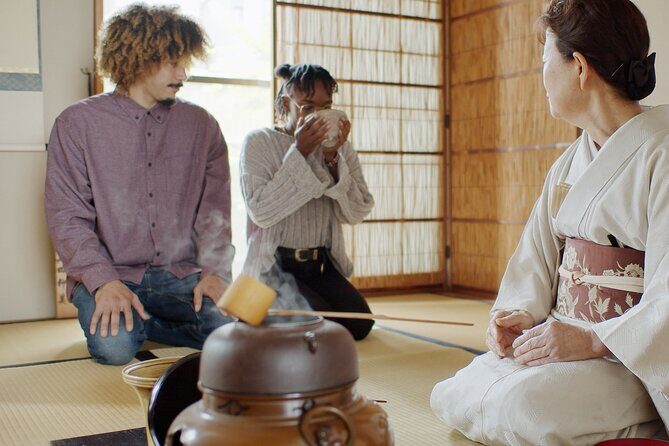
If you only remember one thing after a Kyoto tea ceremony, it should be how the pairing changes what you think you like.
This experience is very specific about the ingredients. You’ll have Kyoto sweets from a long-established wagashi shop, and matcha from Marukyu Koyamaen. That matters, because matcha quality varies wildly. A ceremony like this works only if the tea is good enough to be worth the ritual.
What makes the matcha feel different
In the feedback, people highlight that the matcha was among the best they’d ever had and that they were surprised by its flavor. That tracks with how higher-grade matcha tends to feel: more pronounced aroma, smoother taste, and a richness that doesn’t disappear immediately.
When you whisk your own bowl, you also get a texture cue. Freshly whisked matcha has a foam-and-aroma effect that you don’t get from pre-made drinks. That sensory moment is part of why the ceremony sticks in memory.
How wagashi shapes the matcha
Wagashi are delicate by design. They often balance sweetness with subtle flavors and textures, and they’re typically made to match seasonal and ceremonial timing.
You’ll have traditional Kyoto sweets paired as part of the flow. The purpose is not just to fill time while you watch. It’s to prepare your palate for matcha and then echo the experience after the whisking.
In practice, this is where learning becomes practical. If you’ve had matcha in a casual setting and found it either too bitter or too flat, a ceremony with a proper sweet pairing can reset your expectations fast.
The garden-and-room setup: small space, big focus
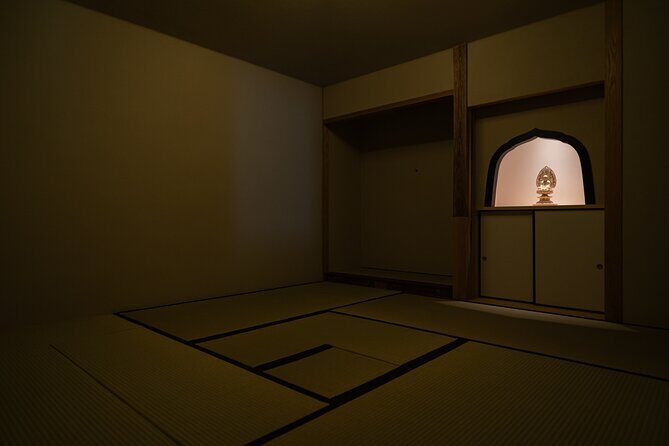
One reason this tea room experience feels special is how the environment is built to support the ritual. You’re not stuck in a loud room or a generic retail corner where tea happens by accident. You’re placed in an environment that behaves like part of the ceremony.
The miniature garden view is the standout detail. It gives your eyes something calm to hold while the host explains the utensils and the philosophy behind chado. That matters because the ceremony isn’t just about taste. It’s about changing your body tempo: slower breathing, less hurry in your hands, and more attention to small steps.
Also, the description of a stylish shop leading into the tea space is interesting. It suggests you don’t get stuck in an overly austere setting that intimidates people. Instead, you get design, comfort, and formality together. For many first-timers, that mix is what makes it feel welcoming while still authentic.
Price and logistics: what $586.38 per group really means
Let’s talk value in plain math.
The price is $586.38 per group, for up to 6 people. So your per-person cost depends on how many seats you fill:
- If you book the full group of 6, it comes out around $97.73 per person
- If you’re 2 people, it’s about $293.19 per person
That spread is the real story. This is best as a small-group splurge or a shared experience with friends or family. If it’s just you, you’ll be paying a premium compared with per-person public classes. If you can share the booking, the value looks much more reasonable.
Duration is around 1 hour, and you get a lot inside that timeframe: haori, garden viewing, utensil explanation, watching Urasenke procedure, learning the culture, whisking matcha, and enjoying paired sweets. For the time, it’s a tightly packed cultural experience.
Two more practical points:
- Transportation is not included, so you should plan how you’ll reach the Uzumasa meeting point.
- It’s near public transportation, which helps. So if you’re not renting a car, you can still make this work without turning it into a logistics headache.
Finally, it’s commonly booked about 27 days in advance. That’s your hint to not wait until the last minute, especially if you want a specific date and you’re traveling with a group.
Who this Kyoto tea ceremony is perfect for
This works for a few types of travelers.
Book it if:
- You want authentic chanoyu basics without needing prior knowledge
- You like experiences where you learn the why, not just the what
- You enjoy hands-on participation (whisking matcha) instead of only watching
- You’re traveling with 3–6 people and want to split the cost
- You want a break from Kyoto’s constant movement and crowds
You might want to think twice if:
- You’re trying to stack too many activities into one day and can’t give the ceremony calm time
- You don’t want to handle getting yourself to the Uzumasa meeting point without help
Should you book it?
Yes—if you want a calmer, more structured tea ceremony than the typical quick tasting.
I’d book this especially if:
- You care about quality matcha and Kyoto wagashi, not just the novelty of a workshop
- You like the idea of a small group in a tea room built for quiet attention
- You want a “do it yourself” moment with your own bowl of matcha
If you’re going solo and price sensitivity is high, consider whether you’d rather do a lighter-cost matcha class elsewhere. But if you can share the group price and you’re craving something genuinely respectful and thoughtfully paced, this Kyoto tea ceremony is a very good bet.
FAQ
How long is the tea ceremony experience?
It lasts about 1 hour.
What is the group size?
The experience is for a group of up to 6 people, and it’s a private group activity for your party.
Where does the tour start?
It starts at Chanoyu The KYOTO Uzumasa (TEA CEREMONY) in Kyoto, Ukyo Ward, Uzumasa Izumishikibuchō.
Is transportation included?
No. Private transportation is not included.
What is included in the experience?
You get Kyoto sweets and matcha, viewing of a miniature garden, wearing a traditional haori, an introduction to traditional tea utensils, and a brief explanation of the history and cultural origins of Chanoyu.
Will I receive a ticket on my phone?
Yes. The experience includes a mobile ticket.
Is it near public transportation?
Yes, the meeting point is near public transportation.
What is the cancellation policy?
You can cancel for a full refund if you cancel at least 24 hours before the experience starts.
Is there a booking time window?
You’ll receive confirmation at the time of booking, and the experience is commonly booked around 27 days in advance.