REVIEW · KYOTO
Gyoza Cooking Class in Kyoto: Traditional Japanese Dumplings
Book on GetYourGuide →Operated by Factory Alliance · Bookable on GetYourGuide
Kyoto dumplings are a hands-on kind of fun. In this 90-minute gyoza cooking class, you learn to pick fillings, wrap your own dumplings, and pan-cook them into that crisp, juicy balance Japanese gyoza is known for. I really like the relaxed pace and clear teaching, and I also love that you leave with a complete recipe you can actually use at home.
The one thing to think about is physical access: the class is not suitable for wheelchair users, so plan accordingly. Also, if you have allergies or dietary restrictions, tell the organizers in advance so they can guide you to the right choices.
In This Review
- Quick Hits: What Makes This Class Worth Your Time
- Why I Think Kyoto Gyoza Classes Beat a Normal Meal
- Price and What You Really Get for $127
- Finding the Workshop Near Karasuma Oike Station
- The 90-Minute Flow: From Fillings to Pan-Crisp Gyoza
- Picking Fillings: Meat, Veggie, and Making It Yours
- Wrapping Technique That Actually Transfers to Home Cooking
- Cooking on the Pan: Why Texture Is the Real Win
- The Samurai Photo: A Fun Kyoto Twist Without the Distraction
- Instructor Help Makes or Breaks the Class (Hama and Team)
- Who This Class Is Best For
- Before You Book: A Practical Checklist
- Should You Book This Gyoza Cooking Class in Kyoto?
- FAQ
- How long is the gyoza cooking class in Kyoto?
- Where is the meeting point?
- What is included in the price?
- Is transportation included?
- Can I choose different fillings like meat or vegetables?
- Do I get a recipe to take home?
- Is the class wheelchair accessible?
- What languages are used in the class?
- Can I cancel and get a refund?
- Are there options if I have allergies or dietary restrictions?
Quick Hits: What Makes This Class Worth Your Time
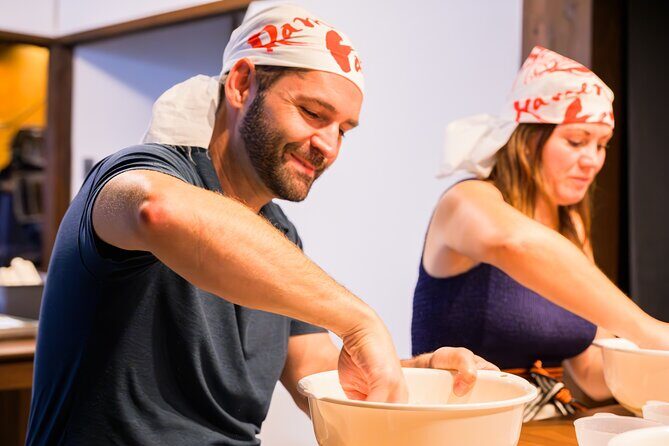
- True hands-on gyoza skills: you select ingredients, wrap, and cook your own dumplings
- Choose from meat and vegetable fillings for your ideal flavor mix
- English-speaking instruction plus Japanese support, so beginners can keep up
- Recipe to take home so you can repeat the results in your own kitchen
- Samurai photo moment that turns dinner into a memory you can keep
Why I Think Kyoto Gyoza Classes Beat a Normal Meal
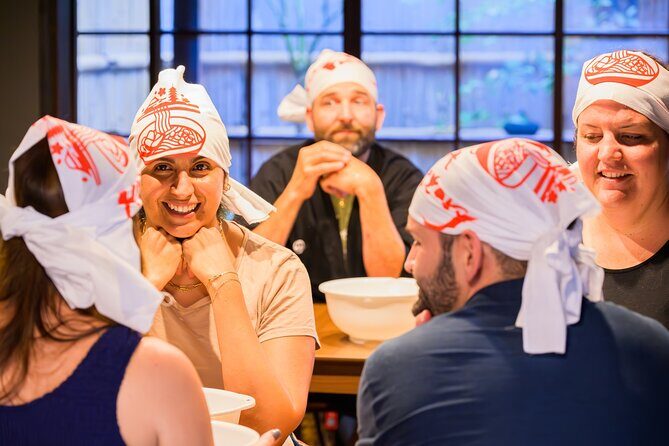
Kyoto is famous for food experiences, but this kind of cooking class does something extra. A restaurant will feed you gyoza. This workshop teaches you how gyoza is built: filling choice, dough handling, and the final pan technique that makes the difference between soft and crisp.
If you enjoy learning through doing, you’ll like the way the class keeps moving. You’re not stuck watching for long stretches. You’re shaping. You’re cooking. Then you get to eat what you made while the results are still fresh and hot.
And the best part is that gyoza is forgiving enough for beginners yet technical enough to feel satisfying. The crisp edges and juicy center come from technique, not just ingredients.
You can also read our reviews of more cooking classes in Kyoto
Price and What You Really Get for $127
At $127 per person, this isn’t a cheap snack stop. But it is priced like an actual skill session, and the value is in what’s included: an English-speaking instructor, cooking tools, one free drink, and the gyoza you make in the class.
That matters because gyoza is not just one step. You’re learning a workflow. Ingredient selection affects flavor. Wrapping affects structure. Cooking affects texture. If you try to learn that piecemeal online, it’s easy to end up with decent dumplings instead of the crisp-and-juicy goal.
You also get a take-home recipe. That’s a big deal for value. It turns the class from a one-night memory into something you can repeat after you go back home.
Only transportation is on you. If you’re staying near Karasuma Oike, you can keep costs down and spend your time on food, not transit juggling.
Finding the Workshop Near Karasuma Oike Station
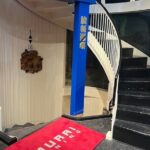
The meeting point is easy for subway users: it’s a 5-minute walk from Exit 2 of Karasuma Oike Station on the Kyoto City Subway Karasuma Line and Tozai Line, and it’s about 362 meters from the station.
That location is helpful for two reasons. First, Karasuma Oike sits in a central spot, so you’re less likely to waste time crossing Kyoto. Second, the class timing is short enough (90 minutes) that you want to arrive calm, not late and flustered.
If you’re planning the evening around dinner, treat this as your dinner anchor. Since you’ll end up eating the gyoza you make, you won’t need a second big meal right after.
The 90-Minute Flow: From Fillings to Pan-Crisp Gyoza
Even without a long multi-stop itinerary, the time in this class is used well. Here’s what the experience focuses on, step by step, based on how the workshop is described and how it plays out for participants.
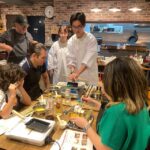
You start by learning how to work with ingredients and how to choose your fillings. The class gives you options from a variety of meat and vegetable fillings, so you’re not stuck with one formula. You’ll select what goes inside your dumplings, which is where you can tailor the taste to your preferences.
Next comes the part that feels almost meditative: wrapping. You’ll learn authentic wrapping technique with guidance. This is the skill most people come for, because it’s the step that turns ground filling into a proper gyoza dumpling.
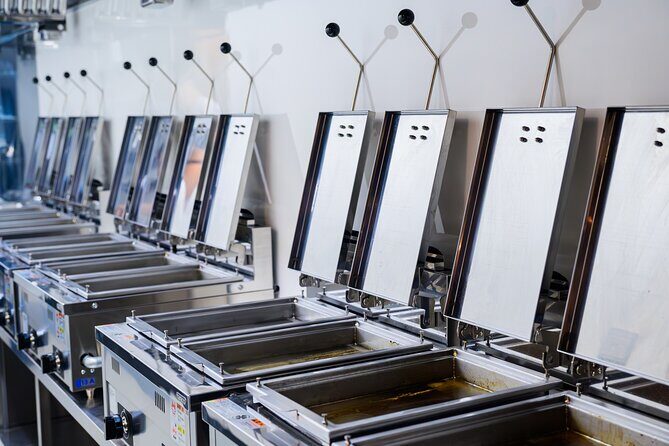
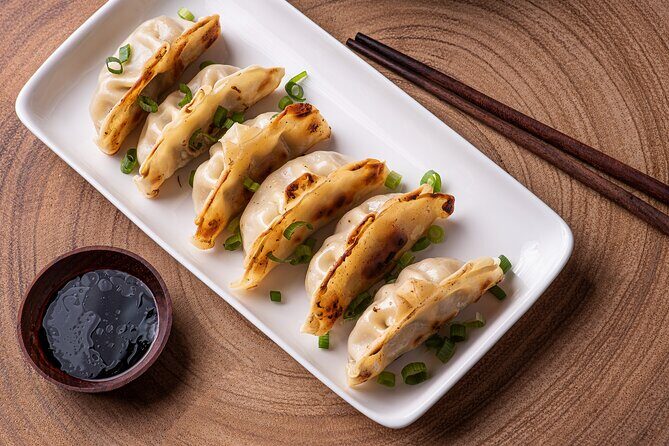
Then you cook what you shaped. After shaping your dumplings, you’ll cook them to perfection and eat the results. The class aims for pan-cooked dumplings that are crisp outside and juicy inside, and several people specifically praise that texture outcome.
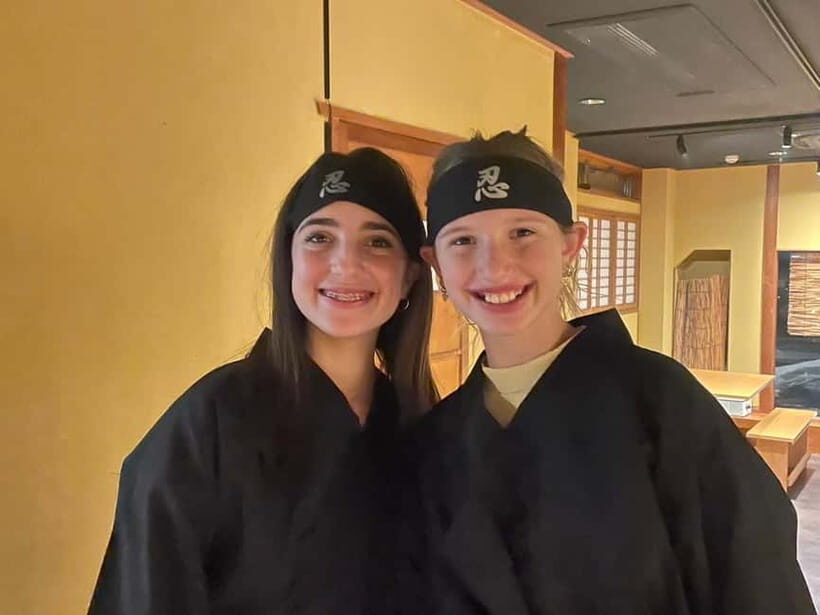
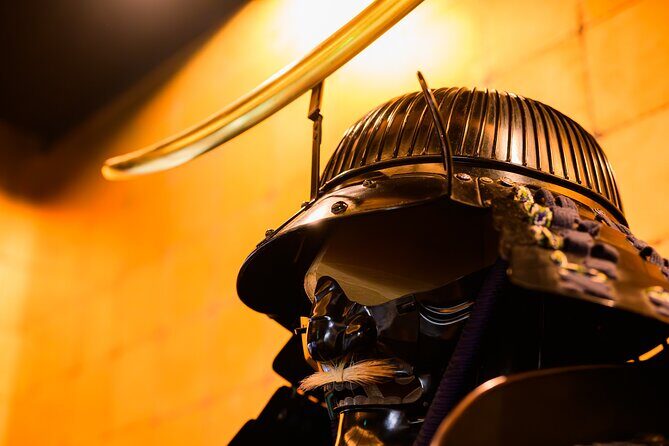
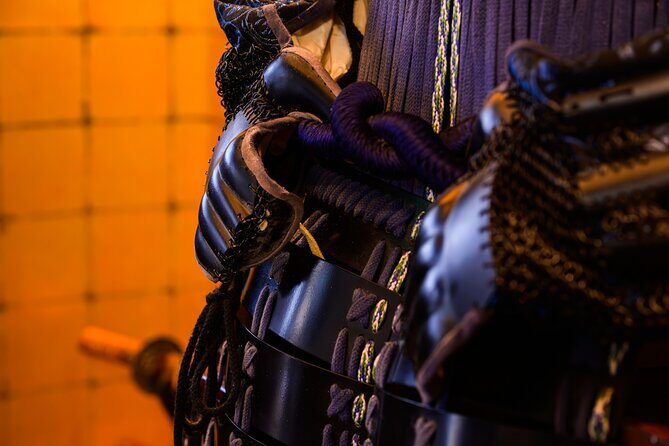
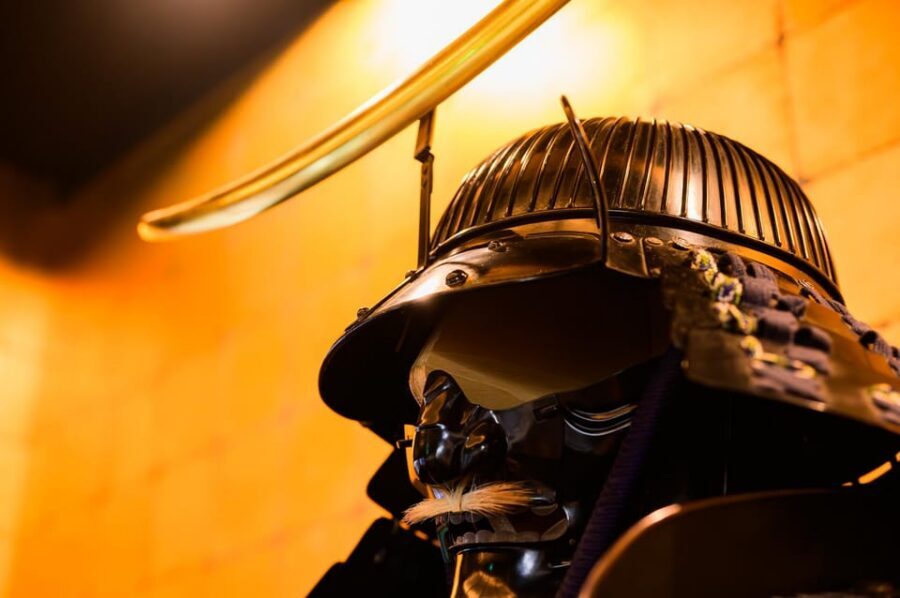
Along the way, you also take a photo with a Samurai, which adds a fun break from pure cooking work. Finally, you get the full recipe so you can try again at home.
The class is only 90 minutes. That’s short enough to fit into most Kyoto days, and long enough to learn real technique instead of just sampling food.
Picking Fillings: Meat, Veggie, and Making It Yours
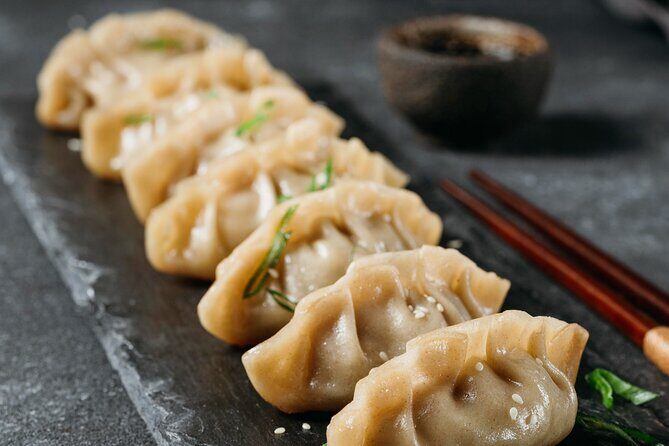
One of the best practical things about this gyoza class is that you get choices. The workshop lets you choose from meat and vegetable fillings, so you can decide how bold or how light you want your dumplings to be.
This matters more than it sounds. Gyoza is all about balancing flavor with texture. A veggie filling can taste different when it’s cooked, because moisture and seasoning play out in the pan. A meat filling tends to deliver that savory depth faster. Having the option to choose means you’re not just learning a technique—you’re learning how technique and filling work together.
If you’re cooking for a group with different tastes, this setup helps. For example, one review mentions requesting a veggie option and being happy with how it turned out. That’s the kind of detail that makes group classes easier, especially if someone in your party prefers not to eat meat.
If you have allergies or strict dietary needs, you should inform the organizers in advance. The class data specifically asks you to share this ahead of time, which is the right move for a cooking workshop.
A few more Kyoto tours and experiences worth a look
Wrapping Technique That Actually Transfers to Home Cooking
Here’s why I like this class for home cooks: it treats wrapping as a learnable skill, not a vague show-and-tell. You’ll get guided practice shaping your own dumplings, using the tools provided.
You’re learning the authentic approach to wrapping, which is where a lot of home attempts go sideways. When people get gummy dumplings or filling that leaks out, it’s usually because the wrap isn’t formed correctly or it’s not cooked with enough attention to texture.
The class also gives you the recipe, which is what makes the experience usable after your trip. Watching a video at home is one thing. Having a recipe that matches what you did in class is another.
And you don’t need to be fancy with Japanese cooking skills. The class is described as suitable for beginners, and reviews specifically mention the instructors being patient and clear, which is exactly what you want when your hands are learning something new.
Cooking on the Pan: Why Texture Is the Real Win
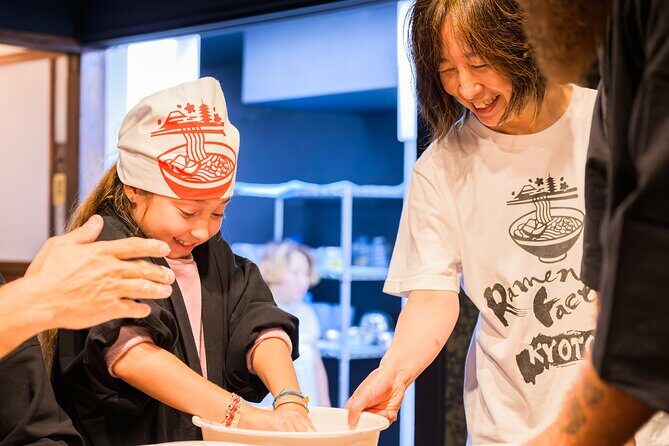
Dumpling classes often stop at shaping. This one adds the key step: cooking the gyoza yourself in the pan. That’s important because gyoza texture is the headline.
In the feedback, people praise dumplings that come out crisp outside and juicy inside, and that’s the end goal you want to understand, not just taste. When you cook the dumplings as part of the class, you learn what changes when you control heat and timing.
Even if your first try isn’t perfect, you’ll at least see the cause-and-effect in a way you can remember. The difference between undercooked edges and properly crisped sides isn’t just flavor. It’s structure, and you’ll feel it when you bite in.
Plus, because you eat what you make, there’s no awkward wait time. You get feedback immediately through taste and texture.
The Samurai Photo: A Fun Kyoto Twist Without the Distraction
Food classes can sometimes feel purely practical, like you’re just running a cooking station. This experience adds a photo with a Samurai, which changes the tone in a good way.
It’s not a replacement for learning dumpling technique. It’s a short, memorable break that makes the whole session feel like a Kyoto cultural moment, not just a class in a kitchen.
If you like keeping travel photos meaningful, this is a nice addition. It’s also a good motivation boost mid-workshop when you’ve already handled dough for a while.
Instructor Help Makes or Breaks the Class (Hama and Team)
The reviews hit on one consistent theme: the instructors are patient and easy to follow. Several participants describe the teaching as clear and supportive, with the instructor and assistant explaining each step and keeping the atmosphere relaxed.
One review specifically calls out Hama and describes Hama as friendly and sweet. That lines up with how you want a class like this to feel. Gyoza wrapping can be awkward at first. A calm instructor helps you stay focused on technique instead of getting frustrated.
The workshop also lists English and Japanese support. That’s a practical advantage. Even if you only know a little Japanese, you can still understand what to do next. And if you’re traveling with someone who reads better than speaks, having English guidance keeps things moving.
Who This Class Is Best For
This gyoza class works well if you want a real cooking skill, not just a tasting. It’s a good fit for:
- Beginners who want step-by-step help and clear instructions
- People who prefer learning through hands-on work instead of guided walking tours
- Groups, including families, especially if the kids are old enough to follow simple cooking steps
One review mentions kids joining and having a great time. It’s a reminder that this can be an evening activity that feels like an experience, not a lecture.
It might not be ideal if you need wheelchair accessibility. The activity is explicitly noted as not suitable for wheelchair users, so plan another option if that matters for your group.
Before You Book: A Practical Checklist
To get the most out of a short cooking class, you want to show up ready.
- Plan to arrive a little early so you can settle in before you start wrapping.
- If you have allergies or dietary restrictions, message ahead, because the class asks for that information in advance.
- Wear clothes you don’t mind getting a little dough dust on. Cooking tools are provided, but dough happens.
- Treat this as a full dinner plan since you’ll eat the dumplings you make.
If you’re trying to fit Kyoto into a busy schedule, 90 minutes is a sweet spot. Long tours can feel like a blur. This one has enough time for real learning without swallowing your entire evening.
Should You Book This Gyoza Cooking Class in Kyoto?
If you want an authentic Kyoto food experience you can repeat at home, I’d say book it. This class gives you the three things that make culinary souvenirs worth keeping: real technique, control over fillings, and a recipe you can follow later.
It’s also a solid choice if you value teaching style. The consistent praise for patience and clarity makes it feel like a friendly workshop rather than a stressful kitchen lab.
Skip it only if access is a problem for your group or if you’re looking for a sightseeing-heavy evening. This is about cooking, not roaming.
If your idea of a great Kyoto night is making crisp-edged dumplings with your own hands, you’ll likely leave happy and hungry in the best way.
FAQ
How long is the gyoza cooking class in Kyoto?
The class lasts 90 minutes.
Where is the meeting point?
It’s a 5-minute walk from Exit 2 of Karasuma Oike Station on the Kyoto City Subway Karasuma Line and Tozai Line, and about 362 meters from the station.
What is included in the price?
Included are an English-speaking instructor, cooking tools, one free drink, and the gyoza you make during the class.
Is transportation included?
No. Transportation expenses are not included.
Can I choose different fillings like meat or vegetables?
Yes. You can choose from a variety of meat and vegetable fillings.
Do I get a recipe to take home?
Yes. You’ll get the full recipe to cook Japanese gyoza at home.
Is the class wheelchair accessible?
No. It is not suitable for wheelchair users.
What languages are used in the class?
The instructor provides support in English and Japanese.
Can I cancel and get a refund?
You can cancel up to 24 hours in advance for a full refund.
Are there options if I have allergies or dietary restrictions?
You should inform the organizers in advance if you have any allergies or dietary restrictions.