REVIEW · NARA
Nara Heritage Walkabout from Nara Park to Todaji-ji temple
Book on GetYourGuide →Operated by Pinpoint Traveler · Bookable on GetYourGuide
If you like your sightseeing with a little attitude, this works. You get Nara Park’s shika deer up close, and then the day swings into Todai-ji’s Great Buddha scale. The mix feels like Japan in two modes: playful street-level nature, then grand temple gravity.
One thing to plan for: you will do a fair amount of walking in about 4 hours, so comfortable shoes matter.
In This Review
- Key highlights you’ll actually feel
- From Kintetsu Nara to Nara Park: the warm-up walk and deer etiquette
- Todai-ji’s Great Buddha Hall: what to notice when the scale hits
- Kasuga Taisha: vermilion shrine buildings and the lantern effect
- Naramachi old town: machiya streets, shopping, and a snack you didn’t have to plan
- The 4-hour pacing: fast enough to fit, not so fast you forget
- Price and value: what $102 is buying you
- What kind of traveler should book this?
- Should you book the Nara Heritage Walkabout from Nara Park to Todaji-ji?
- FAQ
- What is the duration of the Nara Heritage Walkabout?
- Where does the tour meet?
- Which places are included on the walk?
- Is the tour guided in English?
- What should I wear?
- Is lunch included?
- Can I cancel for a refund?
Key highlights you’ll actually feel
- Shika deer + senbei feeding tips so you know what to do and how to do it safely
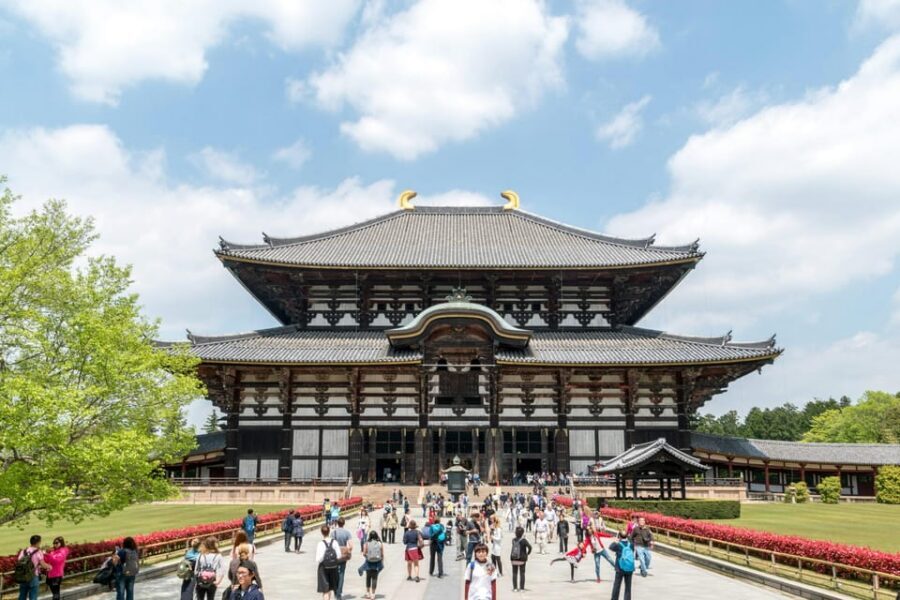
- Todai-ji’s Daibutsu Hall focused viewing of the Great Buddha, plus the Nandaimon Gate and Nio guardians
- Kasuga Taisha UNESCO lantern atmosphere with thousands of hanging lanterns and vermilion buildings
- Naramachi old-town wandering for machiya-style streets, shopping, and a food market stop
- A strong English guide presence with real practical help, from deer feeding cues to photo tips
From Kintetsu Nara to Nara Park: the warm-up walk and deer etiquette
Your tour begins at a Lawson convenience store directly outside Kintetsu Nara Station. From there, you’ll head toward the park area on foot, with about a 20-minute walking segment that helps you get your bearings before the big sights.
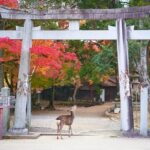
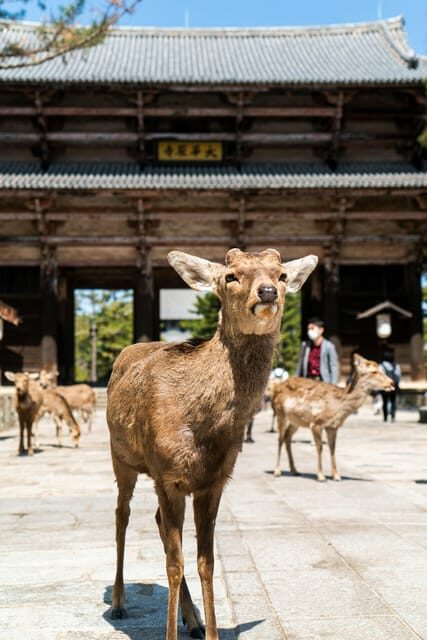
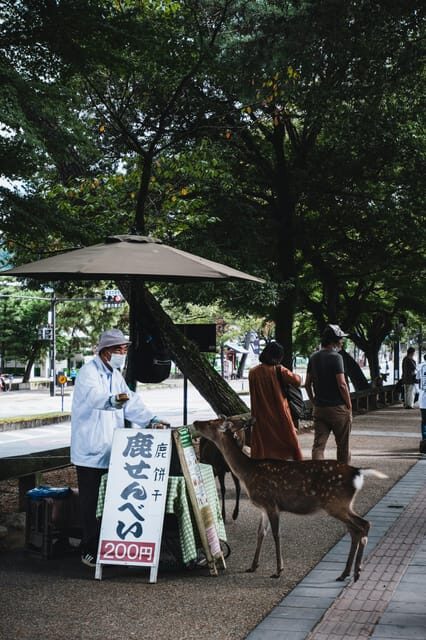
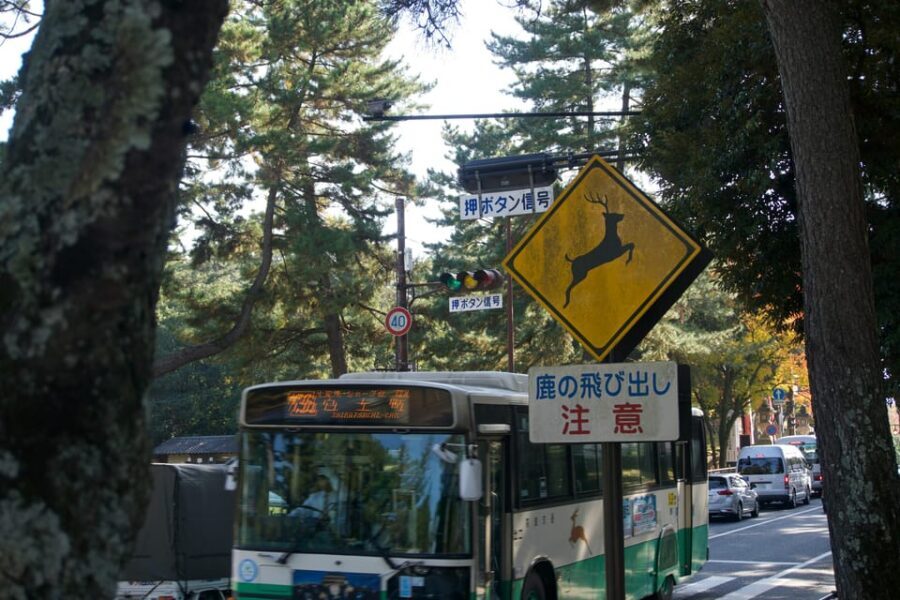
The first “wow” moment is Nara Park itself. This is the place where the shika deer are not background scenery. They are part of the experience. They often approach visitors with curiosity, and they’re closely tied to local beliefs as divine messengers in Shinto tradition. You’ll also have the option to buy shika senbei, the traditional deer crackers, and that’s where your behavior matters.
If you want this part to be fun (not stressful), watch how your guide handles it and follow their rhythm:
- Start slow and keep your hand movements calm.
- Use the senbei in the way the guide shows, rather than trying to outsmart the deer.
- Enjoy the moment, but don’t let feeding turn into a frantic grab-fest.
The best part of this section is that it doesn’t feel like a random wildlife stop. It acts like a living cultural intro. You’re not just seeing animals; you’re seeing why they’re woven into daily life and shrine lore.
You’ll spend about 45 minutes in the park area, which is enough time to get photos, watch deer interactions, and still transition smoothly to the temple block without feeling rushed.
You can also read our reviews of more historical tours in Nara

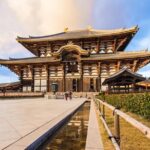
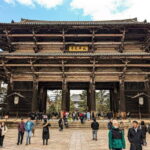
Todai-ji’s Great Buddha Hall: what to notice when the scale hits
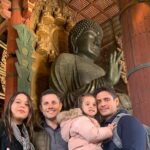
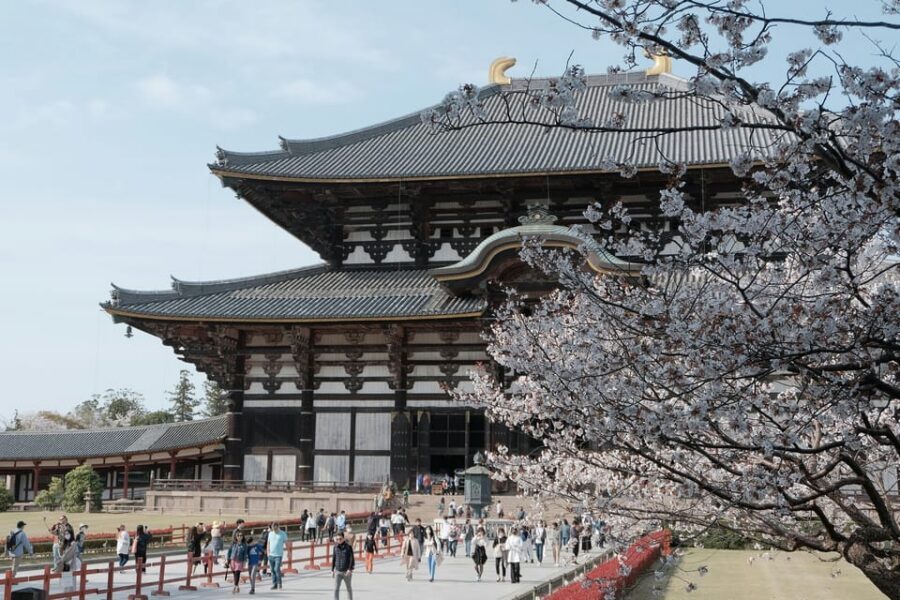
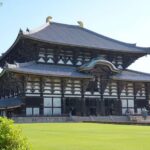
Then the tour levels up. Tōdai-ji is one of those places that can overwhelm you fast—mostly in a good way. The focus here is on the Great Buddha (Daibutsu) inside the massive Great Buddha Hall (Daibutsuden).
A key advantage of having a guided stop is how the guide helps you read the space. When you’re standing in front of a monumental bronze figure, it’s easy to just stare. A good guide steers your attention to the details that make the visit stick.
Here are the specific features that matter on a first trip:
- The Great Buddha inside the Daibutsuden: yes, it’s the headline. But it’s also the reference point for your entire sense of the temple’s importance.
- Nandaimon Gate: it has fierce Nio guardians, and seeing them after the park atmosphere changes the mood instantly.
- The temple’s back-area pillar with a hole: there’s a spot said to grant enlightenment to those who can squeeze through it. Even if you don’t attempt it, it adds a playful, human element to the spiritual setting.
- Other treasures and craftsmanship: you’ll get context about ancient scriptures and intricate woodwork, not just the big statue.
This part lasts about an hour. That sounds short until you realize Todai-ji is a lot to process: huge spaces, intense visual focus, and multiple points worth pausing at. A tight guided loop helps you avoid the common problem of wandering and forgetting what you saw.
Also, the guide’s English clarity makes a difference here. On this route, you want meaning attached to the objects, not just the names.
Kasuga Taisha: vermilion shrine buildings and the lantern effect
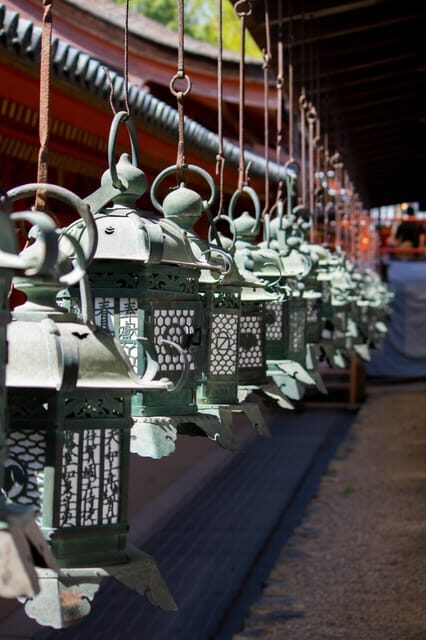
After Todai-ji, you shift into a different kind of sacred experience: Kasuga Taisha Shrine, a UNESCO World Heritage Site. This stop is built on atmosphere. The setting is greenery and shrine architecture, but the real signature is the hanging lanterns—thousands of them.
Kasuga Taisha is tied to Shinto ritual life going back to the 8th century, which means you’re not touring a modern theme park version of Japan. The guide’s job is to connect what you’re seeing—vermilion buildings, carved wooden details, and shrine grounds—to what it means historically and spiritually.
When you’re standing in a corridor or open area with lanterns overhead, it can feel like the shrine is lit from within. That visual effect is the point. It’s also why festivals are so famous here: the lanterns intensify the whole scene.
You’ll have about 45 minutes for this guided visit, which is a good length. Long enough to slow down and notice the architecture, not so long that you get mentally tired or stop looking closely.
Practical tip: wear your walking shoes, because shrine paths can be uneven and you’ll likely step around crowds and photo clusters. Your guide may also help you find viewpoints that make the lanterns look their best.
Naramachi old town: machiya streets, shopping, and a snack you didn’t have to plan
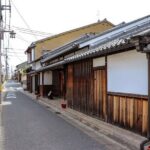
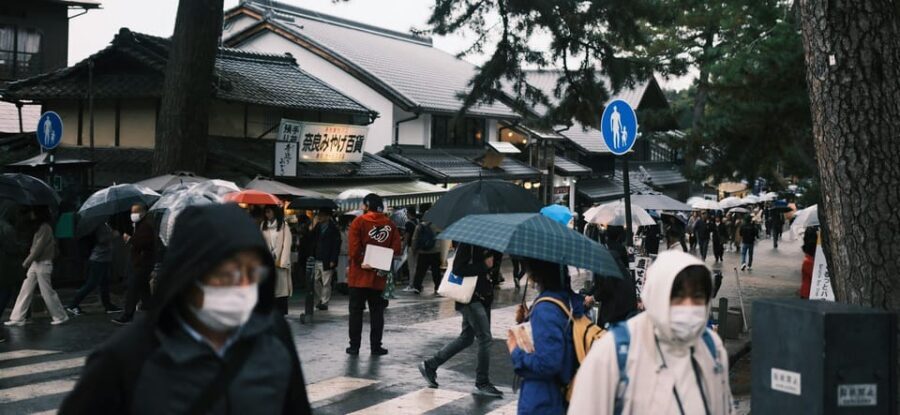
Next comes Naramachi, the old-town district where traditional machiya houses line the streets. This is the section that turns your cultural day back into everyday travel. Temples are powerful, but old neighborhoods help you remember what life looks like around them.
Here, the tour focuses on:
- Shopping and sightseeing
- A food market visit
- Time to explore side streets at your own pace
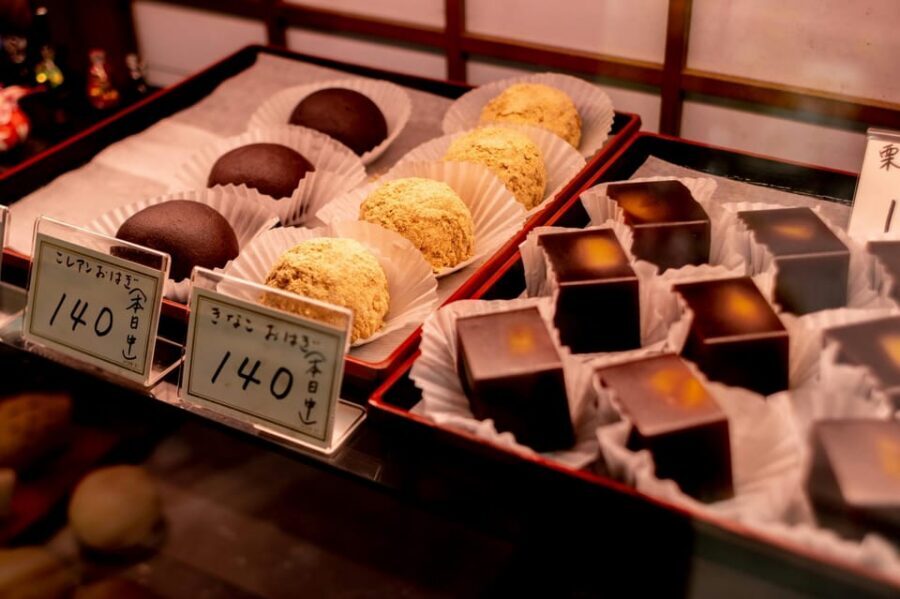
- A traditional Japanese snack on us
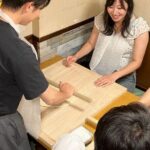
That snack matters more than it sounds. When a tour includes food like this, it often saves you decision fatigue. Instead of standing in front of menus wondering what’s good, you get a simple local bite timed to the walk.
Naramachi also gives you a place to look for small souvenirs with actual local texture—handmade crafts, and shops that carry traditional-style items. If you’re the type who likes browsing but hates tourist-trap clutter, this is a more promising zone. The vibe is also more stroll-friendly, so you can slow down after the temple intensity.
Guides can add a lot here, too. In the feedback for this tour, the standout theme is that the guide doesn’t just show you sights. They also offer practical pointers for where to eat and what to look for in local shops—plus, even photo-taking advice so you don’t end up with awkward angles or missed shots.
The 4-hour pacing: fast enough to fit, not so fast you forget
This tour is about 4 hours total, which is a sweet spot if you’re trying to see multiple major Nara sites without losing a whole day.
Here’s how the timing tends to feel:
- A short walk to get into the zone
- Nara Park for about 45 minutes of deer viewing and scenic stops
- Todai-ji guided focus for about an hour
- Kasuga Taisha guided time for about 45 minutes
- Naramachi for about 45 minutes of wandering, market browsing, and snack time
It’s a compact route. That’s great if your schedule is tight, but it also means you won’t linger for long at any one location. If you want to sit for 45 minutes contemplating, you’ll probably want extra time on your own afterward. The tour is designed to give you a smart overview with guidance, not a slow, ceremonial marathon.
The walking amount can also be a factor. The good news: the tour is wheelchair accessible, and the guidance is set up for small groups or private options, which often makes adjustments easier. One of the more helpful themes from guide feedback is that some guides adapt well when someone has walking issues, so it’s worth communicating your needs ahead of time.


Price and value: what $102 is buying you
At $102 per person, you’re paying for more than “someone to point at things.” This price bundles:
- A professional English guide
- Public transportation
- Entrance fees
- Guided commentary at each main stop
That’s the big value equation. Nara isn’t cheap once you start stacking entry fees and decide you need a guide for meaning at Todai-ji and Kasuga Taisha. This tour gives you structure so you’re not spending your limited hours figuring it out alone.
Is it the cheapest option in town? Probably not. But for a short, high-impact day with major sights and a guide who helps you make sense of them, it can feel like efficient money—not just money spent.
If you’re traveling in a group, the value also tends to get better because the guide time and transport are shared. And if you’re someone who really benefits from explanations, the guide component is the whole point.
What kind of traveler should book this?
This walkabout fits best if you:
- Want a smart first visit to Nara with the biggest anchors
- Enjoy temple context, not just photos
- Like mixing iconic sites with a real neighborhood stroll in Naramachi
- Appreciate guides who provide practical tips, including how to handle deer encounters calmly
It might be less ideal if you:
- Want a totally independent, self-paced day
- Don’t enjoy walking and prefer long sits in fewer places
- Are looking for a single deep-dive temple study (this is a guided overview with multiple stops)
Should you book the Nara Heritage Walkabout from Nara Park to Todaji-ji?
If your priority is a tight, meaningful Nara highlight day, I think you should book it. You get the two biggest “Nara identities” in one flow: deer in the park and historic power at Todai-ji and Kasuga Taisha. Then you finish with the human scale of Naramachi and a simple snack that keeps the day from feeling like nonstop temple walls.
The real deciding factor is the guide. Feedback points to strong English, helpful humor, and practical advice—like tips for feeding the deer and how to shop and eat without wasting time. If you want your day to feel smooth instead of chaotic, this guided format is a good match.
FAQ
What is the duration of the Nara Heritage Walkabout?
The tour lasts about 4 hours.
Where does the tour meet?
You meet at a Lawson convenience store directly outside of Kintetsu Nara Station.
Which places are included on the walk?
You’ll visit Nara Park, Todai-ji Temple, Kasuga Taisha Shrine, and Naramachi.
Is the tour guided in English?
Yes. The tour includes a live English-speaking guide.
What should I wear?
Wear comfortable shoes, since the tour involves a fair amount of walking.
Is lunch included?
No. Lunch is not included.
Can I cancel for a refund?
Yes. You can cancel up to 24 hours in advance for a full refund.