REVIEW · NARA
Nara: Bike Tour in Ancient Capital UNESCO World Heritage
Book on GetYourGuide →Operated by Heijo-Kyo Bike Tour · Bookable on GetYourGuide
Pedal into Nara’s ancient palace core. This 2-hour bike tour threads the Heijo Palace UNESCO site with guided stops, gardens, ponds, and museums.
I like two things right away: the pace stays easy because you’re moving by bike, and the guide’s explanations help each spot make sense. You’ll also get memorable photo time with a Tenpyo-period costume.
One caution: parts of the palace complex are reconstructions or excavation areas, so if you want fully intact buildings, you may find the visuals a bit more “archaeology” than “wow.”
In This Review
- Key highlights to look for
- Why this UNESCO Heijo Palace tour feels different on a bike
- Price and value: what $22 covers (and why it matters)
- Meeting at Miharashi-Kan: your starting point inside the action
- Suzaku Gate stop: the big entrance shot (and what it signaled)
- To-in Teien Garden: the palace garden side of the story
- Excavation Site Exhibition Hall: when history is literally “found”
- Hishiage Kofun and the palace-to-tomb timeline
- Daiichiji Daigokuden and Nammon (South Gate): ceremony halls and the view
- Heijo Palace Site Museums: the oldest museum-style stop
- Mizukami Pond bike loop: the quiet break that makes the whole tour feel peaceful
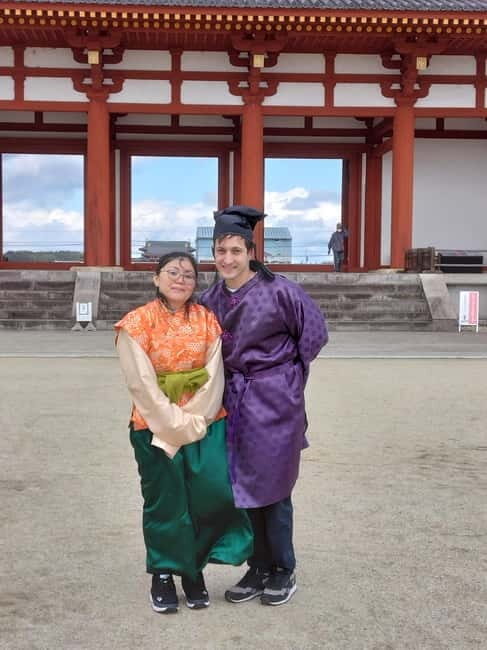
- Tenpyo costume experience: the photo moment you’ll actually keep
- Pacing, group size, and how the tour actually works in 2 hours
- Who should book this bike tour in Nara
- Quick practical considerations before you go
- Should you book the Heijo-Kyo Bike Tour?
- FAQ
- Where is the meeting point for the tour?
- How long is the Nara bike tour?
- How much does the tour cost?
- What’s included in the price?
- Are food and drinks included?
- What languages does the guide speak?
- How many people are in the group?
- What is the cancellation policy for bad weather?
- Is the tour wheelchair-friendly or suitable if you can’t ride a bike?
Key highlights to look for
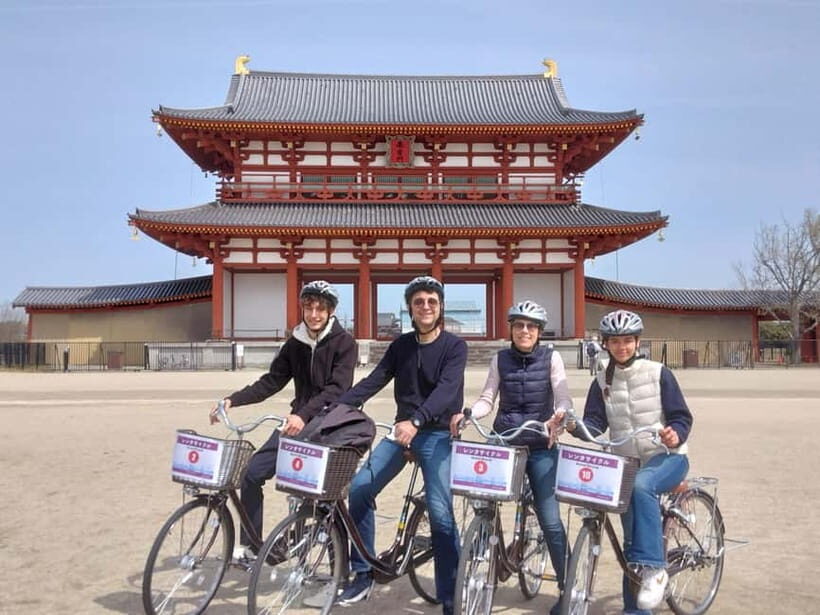
- Licensed guide and small group (up to 8) keeps the tour personal and question-friendly.
- Bike access inside the UNESCO zone helps you cover more ground without turning it into a slog.
- To-in Garden and Mizukami Pond breaks give you a calmer rhythm than the usual Nara crowds.
- Excavation Site Exhibition Hall shows remains in the state they were found—rarely offered on a quick visit.
- Museum time focuses on material clues like ancient tiles, tablets, and scale models.
- Tenpyo costume experience adds an instant, fun photo memory beyond sightseeing.
Why this UNESCO Heijo Palace tour feels different on a bike
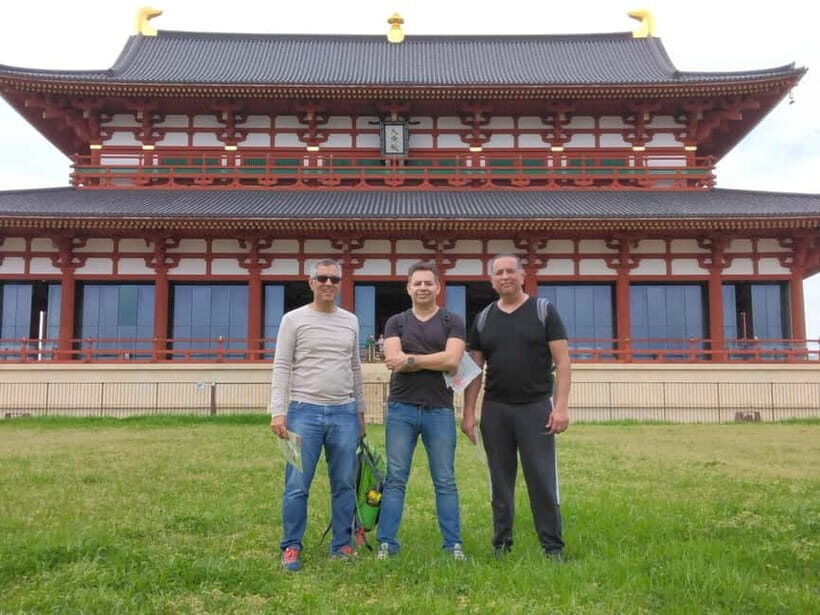
Nara’s Heijo Palace site is big. Walking it can turn into a distance test before you even start enjoying the details. This bike tour solves that problem by using the easiest tool for the job: bicycles. In two hours, you get a sequence of highlights that would be hard to stitch together on your own—especially if you want context, not just snapshots.
The real win is how the tour mixes big, memorable landmarks (like the main gate) with quieter, slower places (like gardens and pond edges). That balance matters in a UNESCO site, because you’re not only trying to see history—you’re trying to feel the layout and atmosphere of the ancient capital. And yes, you can get fun, photo-ready moments too, including the Tenpyo costume experience.
If you’re the type who likes history only when it clicks into place, the guided stops help connect architecture, archaeology, and daily life at the Nara period court.
You can also read our reviews of more cycling tours in Nara
Price and value: what $22 covers (and why it matters)
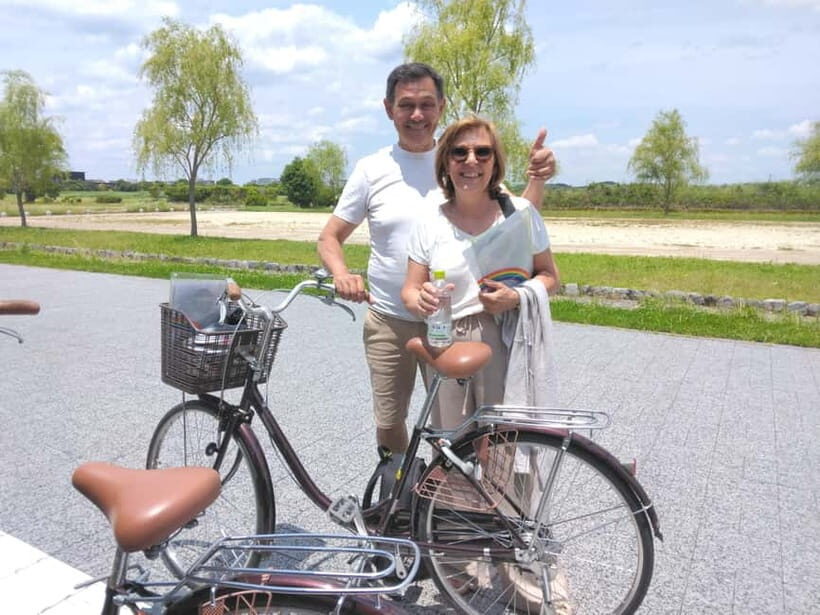
At $22 per person for a 2-hour guided bike tour, the value is strong—mostly because the package reduces the usual “add-on” costs.
Here’s what’s included:
- Rental bike + helmet
- All admissions for the stops
- A guide (English and Japanese)
- Traditional costume experience
What’s not included is food and drinks, plus bike insurance. That’s normal, but it’s worth planning around. For many travelers, the surprise is how much “stuff” you’re getting for that price—especially the admissions and the costume piece, which are often the budget-killers on their own.
If you’re thinking of assembling this day independently, you’d likely spend time and money on transport, multiple entrance fees, and figuring out where to go next. This tour handles the sequencing and keeps the time tight.
Meeting at Miharashi-Kan: your starting point inside the action
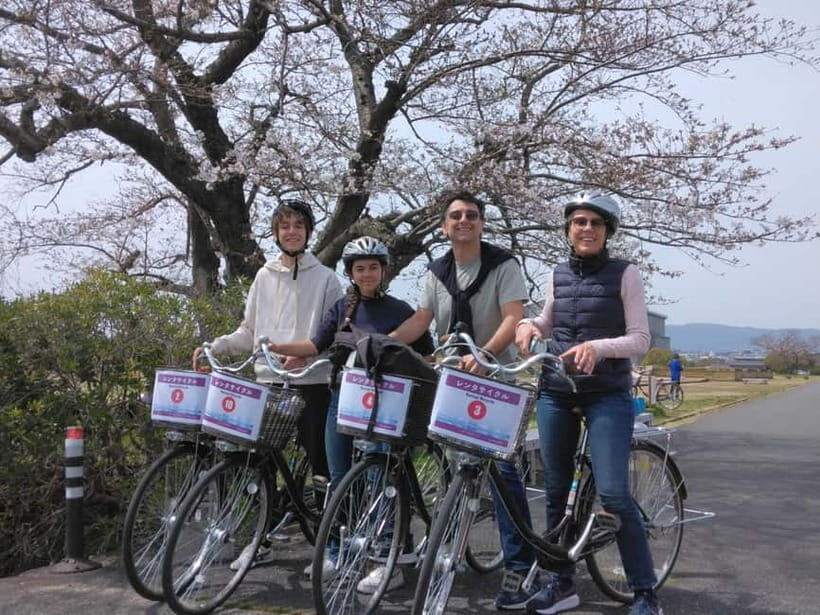
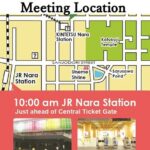
You meet at the rental bike reception counter at Miharashi-Kan in Suzaku-mon Square (coordinates: 34.68628944048124, 135.7926401146025). Plan to arrive about 10 minutes before the start time. This matters because the tour is small-group, and you’ll want a smooth check-in and bike setup.
Getting there is doable from the main stations:
- From Kintetsu Nara Station: 16 minutes by bus to Suzakumon-hiroba-mae, then about 5 minutes on foot.
- From Kintetsu Yamato-Saidaiji Station (South Exit): 10 minutes by bus, then 5 minutes on foot.
- From JR Nara Station (West Exit): 10 minutes by bus, then 5 minutes on foot.
- There are also longer walk options from nearby stations if you prefer no bus.
Tip: if you’re using bus directions, aim for the stop name Suzakumon-hiroba-mae. That gives you the right area fast.
Also keep this in mind: tours can be canceled due to heavy rain, storms, or inclement weather, and those cancellations are refunded 100%.
Suzaku Gate stop: the big entrance shot (and what it signaled)
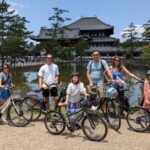
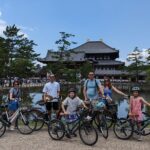
The tour starts with Suzaku-Gate (Suzakumon)—the main entrance gate of Heijo Palace. This is where you get the “this is the center of power” feeling quickly, plus a prime photo stop.
The gate is powerful as a first stop because it sets the scale. Heijo Palace wasn’t just a building; it was a carefully planned political center. When you see the gate in context, you start understanding why the rest of the site is laid out the way it is. The guide will walk you through the historical background at a pace that doesn’t feel like a lecture.
Photo-wise, it’s a great spot for wide views and clear angles. Don’t rush it—you’ll appreciate it more once you’ve seen the garden and pond later in the route.
To-in Teien Garden: the palace garden side of the story
Next you head to To-in Teien Garden (Toin Garden), an east palace garden where Japanese gardens took root. This stop is short, but it works because it changes your perspective. Instead of thinking only in terms of buildings and authority, you’re looking at design choices shaped for visitors and ceremonies.
The tour highlights the garden’s arrangement, including bridges, buildings, and rocks—details that feel small until someone points out how they function in the space. You also get a sense of how the state guest house role fit into the garden layout.
One practical benefit: if the weather is hot or crowded at other sites in Nara, the garden stop feels calmer. Even in a 2-hour tour, that tonal shift is a relief.
You can also read our reviews of more historical tours in Nara
Excavation Site Exhibition Hall: when history is literally “found”
Then comes one of the most interesting parts for anyone who likes how archaeology works: the Excavation Site Exhibition Hall. This museum is special because remains are preserved and displayed in the same state they were discovered.
That difference matters. Many “museum rooms” are curated objects. Here, you’re looking at the physical evidence of a palace site—what was there, what was uncovered, and what survived. It turns the tour from sightseeing into interpretation. The guide helps connect the dots between the structures you’re seeing elsewhere and what the excavation reveals.
If you’re a museum person, this is the stop you’ll feel glad you didn’t skip. Even if you’re not, it breaks up the walking-and-bike pattern with a slower, indoor pause.
Hishiage Kofun and the palace-to-tomb timeline
The tour then moves to Hishiage Ancient Tomb (Hishiage Kofun). Kofun are often viewed as dramatic and mysterious from a distance, but this stop helps you understand them as part of the broader historical timeline surrounding the capital.
You’ll also see grave goods mentioned as part of the story. That matters because it adds a human layer: people weren’t only building for the living; they were preparing for what came after. The guide’s job here is to keep the meaning clear, not just recite dates.
In a 2-hour format, the kofun stop is a quick emotional shift. You go from court and ceremony to burial and belief—still connected to the same region’s political development.
Daiichiji Daigokuden and Nammon (South Gate): ceremony halls and the view
After the tomb, you’ll see the reconstructed palace buildings and ceremony spaces:
- Daiichiji Daigokuden
- Nammon (South Gate), the South Gate component connected to the Daiichiji Daigokuden area
- and later the bigger-picture viewing spots tied to the palace grounds
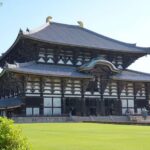
The key idea: Daigokuden is described as an imperial audience hall reconstruction of a major palace building used for special ceremonies. You’re not only looking at a structure; you’re looking at how power was performed—where officials gathered, where important rites took place, and how the court space communicated rank.
The South Gate stop is quick, but it’s useful. Gates give you orientation. They help you picture the movement of people in and out of the ceremonial area.
And the tour also includes time where you can admire views across the palace site. Those wide moments make the earlier garden and museum stops feel connected rather than scattered.
Heijo Palace Site Museums: the oldest museum-style stop
The final museum-focused stop is the Heijo Palace Site Museum and the tour also references the Nara Place Site Museum as the oldest museum in the Heijyo Palace site. Together, these museum moments focus on what’s most tangible about the ancient settlement: materials and measurements, not just interpretations.
You can expect attention on:
- ancient tiles
- wooden tablets
- models
That kind of detail is exactly what makes a palace site feel real. When you see the building blocks—literally, the building materials and scaled reconstructions—you start to understand how the palace functioned as a large engineered space.
It’s also a good ending point because it rounds out everything you saw earlier: gate symbolism, garden design, pond calm, excavation evidence, and tomb meaning.
Mizukami Pond bike loop: the quiet break that makes the whole tour feel peaceful
If I had to pick one moment that explains why people love this tour, it’s the ride around Mizukami Pond (Minakami Pond area). You bike around the pond, catch the breeze, and hear birds. There’s even mention of seeing ducks and turtles.
That matters because it gives your brain a reset. You’ve been processing gates, tombs, and museums. Then you’re coasting by water with a relaxed tempo. In the context of Nara—where you can get trapped in deer-photo traffic—this pond segment feels like getting your own lane.
Also, the bike format makes this pond stop more enjoyable than a typical “stand and look” arrangement. You’re moving, but not stressed. You can take photos without feeling like you’re in a crowd bottleneck.
Tenpyo costume experience: the photo moment you’ll actually keep
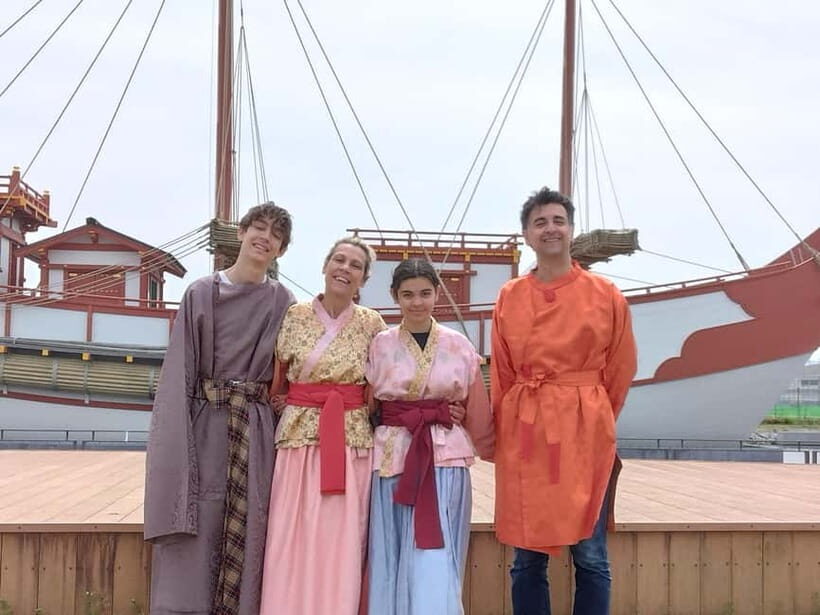
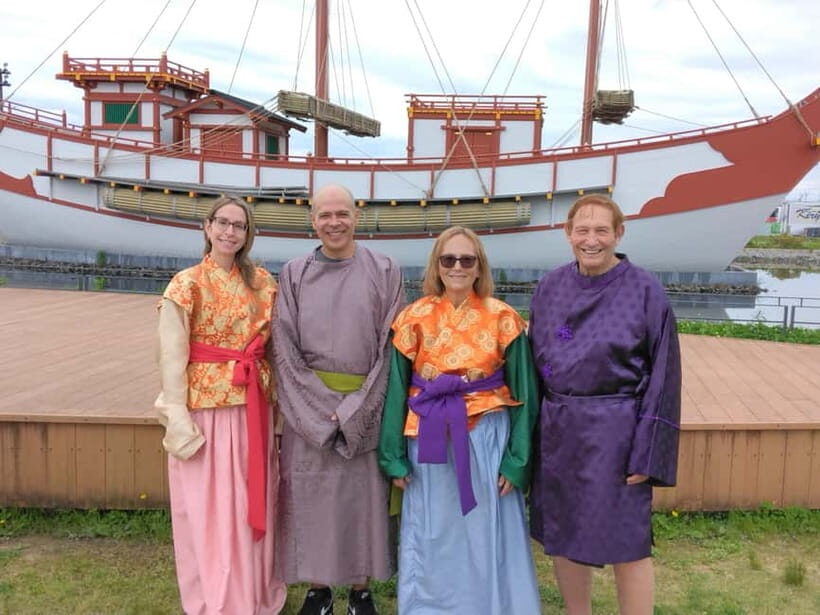
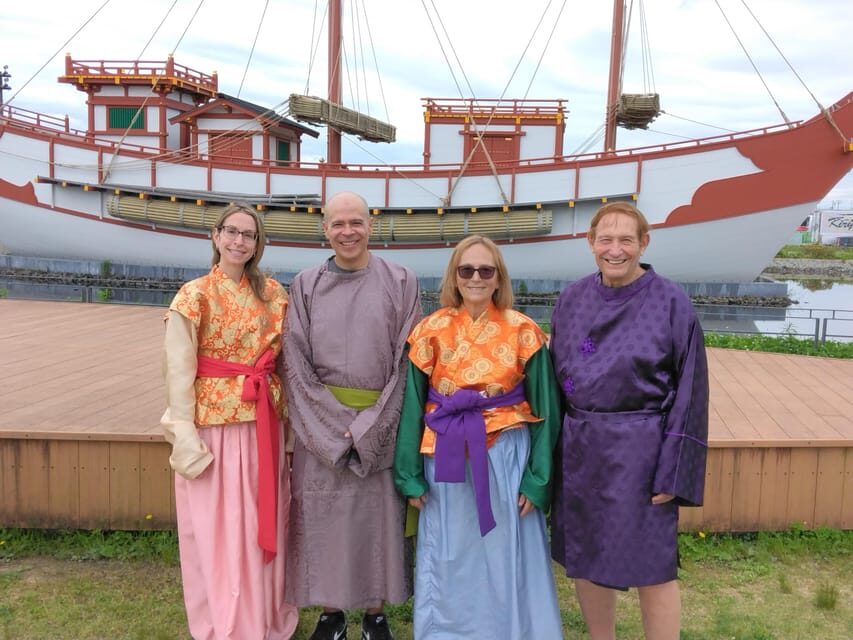
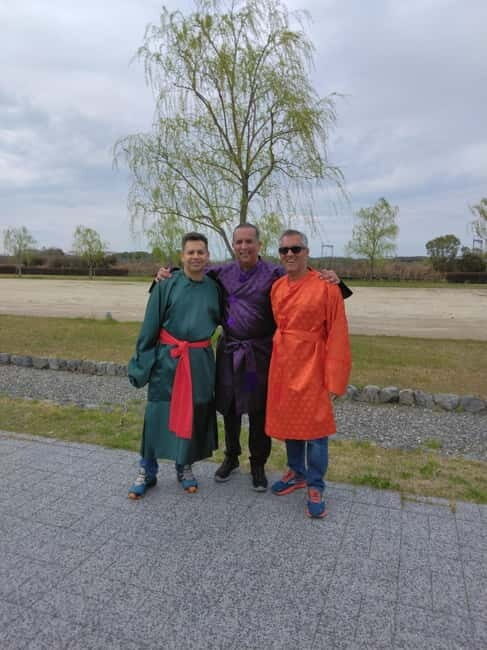
One of the most practical perks here is that the tour includes a traditional Tenpyo (Nara-period) costume experience. You’re not just learning about the past—you get a chance to wear a version of it for photos.
This is one of those inclusions that sounds gimmicky until you try it, because it’s timed to work with the palace-site theme. The costume photos won’t feel random. The guide helps make it a memorable end (or mid-tuning) moment when you want something fun to take home.
If you’re traveling with a family, this is often the part that kids enjoy most, because it turns history into something hands-on.
Pacing, group size, and how the tour actually works in 2 hours
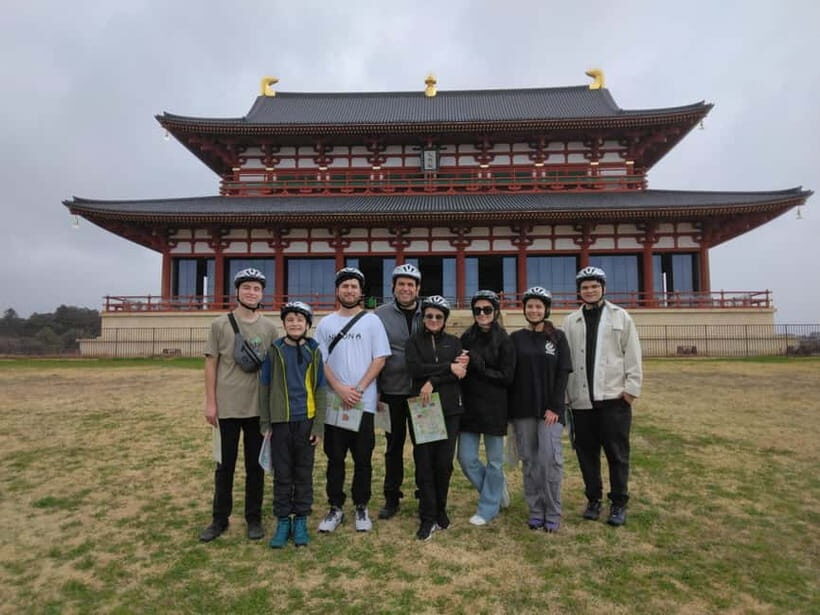
The tour is small group, limited to 8 participants, with a live guide in English and Japanese. That group size changes the feel of the day. You’re not fighting for attention, and stops don’t turn into a long wait behind other people.
The time allocation is tight enough to feel focused, but long enough to slow down at major points like Suzaku Gate and the bigger palace areas. And based on guide behavior reported by guests, Kay (the guide name that shows up often) is patient and adjusts to the group pace. That’s especially helpful if you’re traveling with a child or if someone needs extra time for photos.
One more practical point: this is not a “walk every minute” tour. If you can ride a bike comfortably, you’ll see more while staying relaxed.
Who should book this bike tour in Nara
This tour is a great fit if you:
- want a first introduction to Heijo Palace without getting stuck in the most crowded parts of Nara
- like history that’s explained through places (not just dates)
- enjoy bike-friendly sightseeing and want the ride to do some of the work
- want a short, structured 2-hour activity that still feels varied
It’s also a smart pick for families because the itinerary is compact and the guide works at a pace that can handle a slower group. Parents also tend to like the fact that the tour includes a costume photo moment and quiet nature time, not only hard museum walls.
If you’re a hardcore “reconstruction skepticism” type, you might feel mixed about the palace structures since some of what you see is recreated. That said, the excavation-focused stop helps balance that out.
Quick practical considerations before you go
This tour is not suitable for pregnant women, people who can’t ride a bike, wheelchair users, or those who are visually impaired. So be honest about your riding comfort before booking.
Weather can also be a factor. Since the operator reserves the right to cancel due to heavy rain or storms, plan a flexible day around it. And if you go in hotter months, expect the sun to be part of the experience—your best ally is simple common sense: drink water, wear sunscreen, and keep your pace easy.
Should you book the Heijo-Kyo Bike Tour?
I’d book it if you want a smooth, organized way to understand Nara’s ancient capital—and you like the idea of bikes as your transport inside a UNESCO site. The package value is hard to beat at $22, and the combo of palace gates, excavation museum time, pond biking, and Tenpyo costume photos gives you a day that feels more complete than a checklist tour.
Skip it (or weigh it carefully) if you’re only excited by fully intact buildings or you know you’ll get restless with museum-and-reconstruction stops. But for most visitors—especially families, history-curious travelers, and anyone tired of Nara traffic and deer crowds—this is one of the most efficient ways to experience the Heijo Palace grounds.
FAQ
Where is the meeting point for the tour?
You meet at the rental bike reception counter at Miharashi-Kan in Suzaku-mon Square (Suzaku-Mon Square).
How long is the Nara bike tour?
The duration is 2 hours.
How much does the tour cost?
The price is $22 per person.
What’s included in the price?
The tour includes biking, a guide, a rental bike, helmets, all admissions, and a traditional costume experience.
Are food and drinks included?
No. Food and drinks are not included.
What languages does the guide speak?
The live guide provides English and Japanese.
How many people are in the group?
It’s a small group limited to up to 8 participants.
What is the cancellation policy for bad weather?
The supplier may cancel due to heavy rain, storms, or inclement weather, and those cancellations are refunded 100%.
Is the tour wheelchair-friendly or suitable if you can’t ride a bike?
No. It’s not suitable for people who can’t ride a bike and it’s also not suitable for wheelchair users.