REVIEW · NARA
All must-sees in 3 hours – Nara Park Classic Tour! From JR Nara!
Book on Viator →Operated by NARAWALK · Bookable on Viator
Deer, shrines, and the Great Buddha—fast. This 3-hour Nara Park Classic Tour from JR Nara is built for seeing the big sights without looking down at your phone screen. You’ll walk with a local guide who points things out at eye level, from where the deer gather to how the religion fits into daily life.
What I like most is the mix of Kasuga Grand Shrine deer-watching and story-driven context. The guide doesn’t just point at temples; they explain the why behind the rituals, plus the Shinto-vs-Buddhism angle that helps everything click. I also like the payoff of Todai-ji: you get the famous Great Buddha Hall as a photo stop, then still have time to wander afterward.
One thing to consider: this is a group tour that starts on time, and they don’t wait for late arrivals. You’re also walking over steps and gravel, so plan on solid shoes and be ready to help with a stroller.
In This Review
- Key highlights you’ll care about
- Why this 3-hour Nara Park Classic Tour feels efficient
- Getting started at JR Nara Station: the part you should not wing
- Kasuga Grand Shrine: deer spotting plus the religion you’ll actually use
- Todai-ji and the Great Buddha Hall: the main icon, timed well
- Nara Park walking: Kasuga Taisha, Kofuku-ji area, and time to breathe
- Kofuku-ji finish: five-storied pagoda photos and what to do next
- Price and value: when $42.94 actually makes sense
- Group-tour reality check: pace, walking surfaces, and photos
- Best fit: who should book this and who might not
- Should you book the Nara Park Classic Tour from JR Nara?
- FAQ
- What time does the tour start, and how long is it?
- Where do I meet the guide at the start?
- Is this tour private?
- What is included in the price?
- What sights are covered?
- Is it stroller-friendly?
Key highlights you’ll care about
- Max 15 people keeps the walking tour feeling manageable
- JR Nara Station is the one meeting point, with a guide in front of the ticket gates (NaraWalk flag)
- Great Buddha Hall admission is included, so you can move straight to the main sight
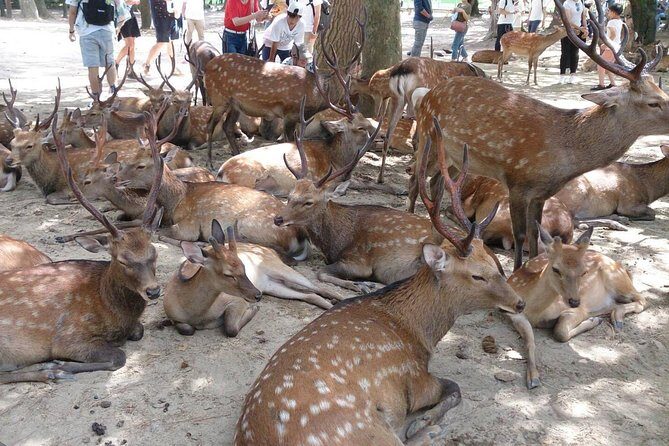
- Deer etiquette with real-world caution, including how the males can act
- Group pacing with photo time, plus directions for train stations and lunch afterward
- Kofuku-ji’s five-storied pagoda is a great visual way to end the day
Why this 3-hour Nara Park Classic Tour feels efficient
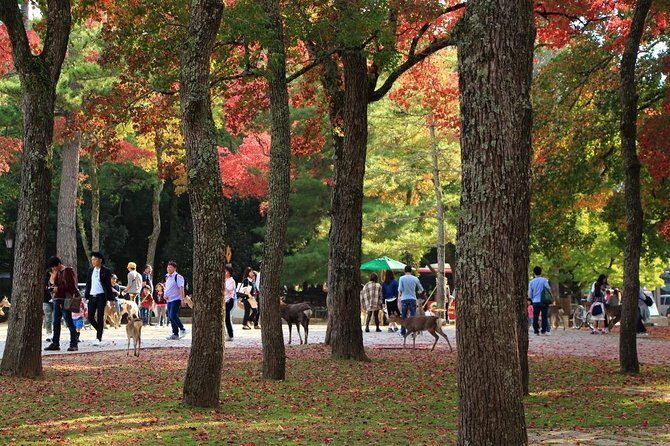
Nara is the kind of place where you can spend a whole day and still feel like you missed something. This tour compresses the must-sees into a tight, logical loop, so you leave with a clean mental map of the area. You start at JR Nara Station, ride to the park zone, and then walk through the core spiritual highlights before finishing near the big postcard views.
The big value here is that the guide connects dots. When you learn how Shinto and Buddhism shaped the sites you’re standing in front of, the temples stop being just impressive buildings and start feeling purposeful. Guides like Mayumi, Nobuko, Reiko, and Kazu come up again and again in the feedback for their ability to turn simple facts into stories you can remember.
The pace is also the right kind of “busy.” You’re not stuck at one spot for hours, but you’re not rushed through either. You’ll get moments to take photos, watch the deer, and still have enough energy to continue independently after the tour ends around 1 pm.
A few more Nara tours and experiences worth a look
Getting started at JR Nara Station: the part you should not wing
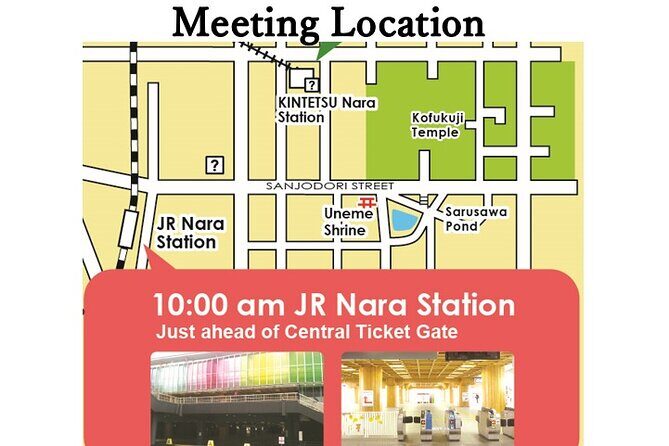
The meeting point is straightforward but strict: JR Nara Station, right in front of the ticket gates. There’s only one ticket-gate location for this tour, so when you come out, look for the guide holding a NaraWalk flag.
The start time is 10:00 am, and the tour starts punctually. Because it’s a group format (not private), late arrivals can miss their spot and can’t be folded in mid-route. If you’re coming from Osaka or another city, I’d build extra buffer time so you’re not sprinting at the station.
Also note this if you’re routing through trains: if you’re arriving at Kintetsu Nara Station, you still need to get yourself to JR Nara Station. The tour bus departs from JR and doesn’t stop to pick you up at Kintetsu.
Kasuga Grand Shrine: deer spotting plus the religion you’ll actually use
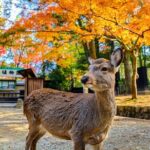
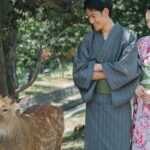
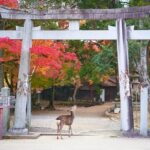
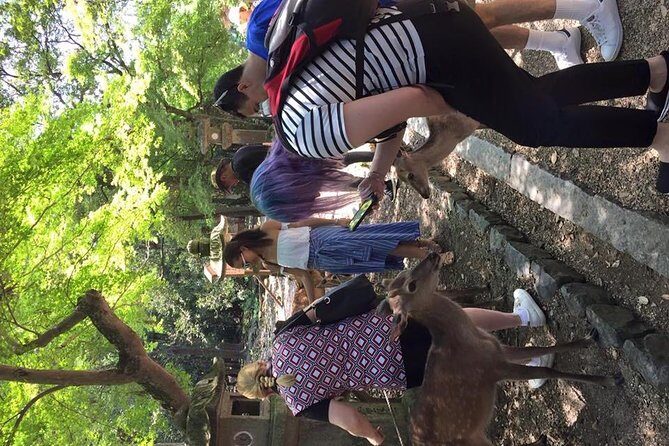
Kasuga Grand Shrine is one of those places that instantly feels alive, mostly because the deer are everywhere in the precinct area. You’ll walk the grounds with your guide, and it’s a great first stop because it’s visual from the start. You can see the deer calmly moving between paths and visitors, which sets the tone for what Nara is famous for.
What makes this stop more than a quick photo round is the explanation. The guide typically covers why deer roam freely here and how the Shinto and Buddhist traditions intersect in the Nara setting. Even if you’ve read a bit before, hearing it spoken in context helps you understand what you’re looking at.
Practical note: deer are part of the fun, but they’re also animals with instincts. If you plan to feed them, follow the guide’s lead and keep a little control of your space. One common safety theme from the experience feedback is that male deer can get frisky, so don’t treat them like harmless pets when they start acting territorial.
Todai-ji and the Great Buddha Hall: the main icon, timed well
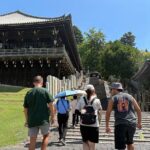
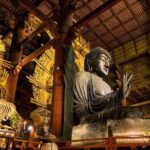
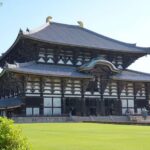
Todai-ji is the headline, and the Great Buddha Hall is the payoff. You’ll go inside to meet the Big Buddha, with the guide sharing stories behind the statue and the temple. The vibe here is different from Kasuga: less roaming, more “stand and take it in,” with clear sightlines for photos.
This is also where you’ll get the most benefit from having someone narrate while you look. A statue becomes more meaningful when you understand what it represents and how people have approached it over time. Expect the guide to point out details you might otherwise miss, plus practical photo guidance so you’re not scrambling around for angles.
There’s also a fun tradition connected with the Great Buddha Hall that comes up in the experience feedback: a small pillar hole visitors try to pass through for good health and protection. Some people try to squeeze through on purpose, and the commonly shared measurements are about 37 cm by 30 cm by 110 cm. If you’re the sort who enjoys these playful superstitions, you’ll like the moment.
Nara Park walking: Kasuga Taisha, Kofuku-ji area, and time to breathe
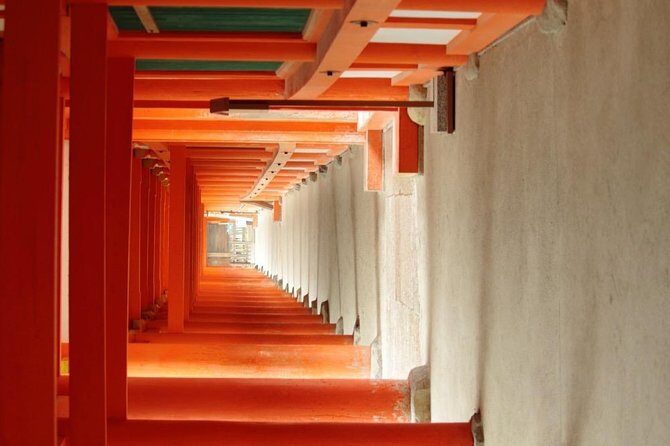
After Todai-ji, the tour shifts into the broader Nara Park zone. The core idea is that the major sites are close enough to do efficiently but spread out enough that you should plan your walking. You’ll cover Nara Park destinations that include Todaiji-area context and connections to Kasuga Taisha and Kofukuji.
One advantage of a guided loop is that it helps you avoid the “I walked in circles” feeling. The guide helps you understand how the areas relate, and they may steer you toward sections that are less crowded than the main choke points. On busier days, that small adjustment can make the difference between a stressful walk and a calm one.
Time here matters. You’ll spend about half an hour in this park zone, with the exact add-on stops depending on the season and how fast the group moves. That flexibility is useful because the park experience changes across the year, from the deer’s behavior to how the grounds feel visually.

Kofuku-ji finish: five-storied pagoda photos and what to do next
Most people end the tour at Kofuku-ji Temple. This is a smart finish because Kofuku-ji gives you a classic Nara Park image: the five-storied pagoda. The guide gives background so it doesn’t feel like just a backdrop, then you wrap up with help for what comes after.
One of the underrated benefits of this format is the follow-through. Near the end, the guide typically offers directions for train stations and ideas for afternoon plans and lunch. If you’re only staying in Nara briefly, that guidance saves you time and helps you pick something practical rather than wandering hungry.
Also, your tour ends in a different location than it starts, so don’t plan on “walk right back to the same exact place.” The guide’s directions for transport are part of the value here.
Price and value: when $42.94 actually makes sense
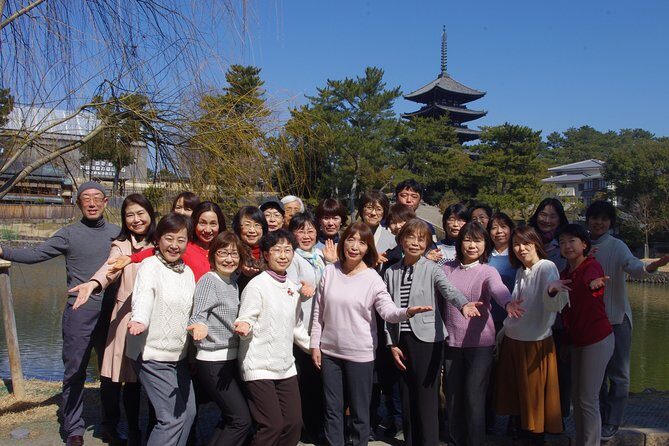
At $42.94 per person, this is not a “cheap and cheerful” option. You’re paying for three things that add up quickly in Japan: guided orientation, included admission to the Great Buddha Hall, and an included bus ride from JR Nara Station to the park area.
If you tried to DIY it, you’d still need to pay entrance fees, and you’d lose the benefit of someone explaining what you’re seeing as you walk. For a first time in Nara (especially if you only have a few hours), that narration is often what makes the trip feel worth it.
It also helps that the group size stays small, with a max of 15 people. That’s big enough for good energy, but small enough that a guide can keep you on track and answer questions.
Meals aren’t included, so you’ll need to plan food. The good news is the guide usually points you toward lunch options nearby at the end.
Group-tour reality check: pace, walking surfaces, and photos
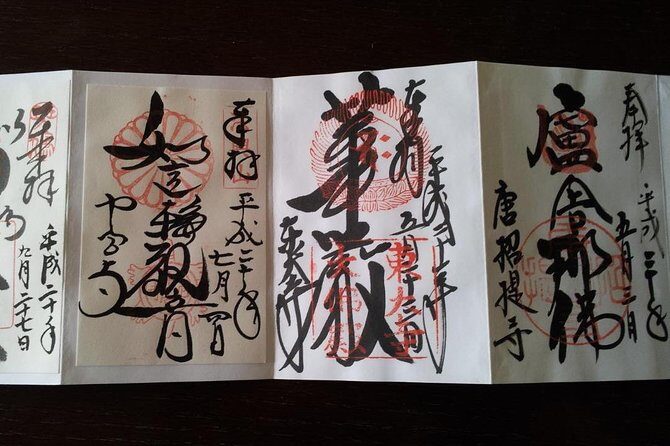
This is a walking tour with real terrain. The route includes steps and a gravel path, and you may need to carry or push a baby stroller with extra effort. If you’re traveling with little kids or a stroller, consider whether you’re comfortable with uneven walking.
The other group-tour rule is time. The tour starts punctually, and they won’t wait for people who are not at the meeting spot on time. That’s fair from an operations standpoint, but it’s something to plan around so you don’t start your day stressed.
Photo-wise, you’ll have time at major stops for pictures, and the guides often help with timing and positioning. If you’re solo, I’d expect the guide to be willing to help you with photos in the same practical way they help families keep things moving.
Best fit: who should book this and who might not
This tour is ideal if you:
- have about half a day and want a fast, reliable highlights route
- like learning the connection between shrines, Buddhism, and the deer
- want fewer decisions and less routing work than DIY
- enjoy walking but don’t want to spend your limited time in planning mode
It may not be the best choice if you:
- hate group pacing or dislike walking over steps and gravel
- need a flexible start time (because late entry can mean missing the tour)
- want a slow, stop-everywhere experience where you control every minute
If you’re the type who likes to understand what you’re seeing before you wander on your own, this hits the sweet spot.
Should you book the Nara Park Classic Tour from JR Nara?
Yes, I’d book it if you’re short on time and you want Nara’s best hits in a tight package. The biggest reason is that you’re not just collecting landmarks; you’re getting context while you’re there, plus built-in admission and transport value. The Great Buddha Hall and Kofuku-ji pagoda finish are strong anchors, and the deer component is the kind of Nara signature you’ll remember.
Skip it only if your schedule is fragile, your walking tolerance is low, or you’re hoping for a private, fully flexible experience. For most people doing Nara as a side trip from Osaka/Kyoto, this is a practical way to make those three hours count.
FAQ
What time does the tour start, and how long is it?
It starts at 10:00 am and runs about 3 hours. The tour usually finishes around 1 pm.
Where do I meet the guide at the start?
Meet at JR Nara Station in front of the ticket gates. Look for the guide holding a white NaraWalk flag.
Is this tour private?
No. It’s a group tour with other guests, and the maximum group size is 15.
What is included in the price?
The price includes admission to the Great Buddha Hall and one bus ride from JR Nara Station to the Nara Park area.
What sights are covered?
You visit Kasuga Grand Shrine, Todai-ji (Great Buddha Hall), Nara Park highlights connected to the main temples/shrines in the area, and you usually end at Kofuku-ji.
Is it stroller-friendly?
The route includes steps and a gravel path. A baby stroller may be difficult to push, and you might need to carry it or use a harder push at parts of the walk.