REVIEW · NARA
Private Nara Tour and Sake Tasting (Departing from Kyoto/Nara)
Book on Viator →Operated by OTAKU hopper · Bookable on Viator
Nara hits different in the morning. This private tour lets you see the key temples and shrines without the worst crowd crush. You also get a relaxed flow of walking, photo stops, and local context that makes the place feel clear fast.
I especially liked two things: the chance to get great photos with the deer (and not just stand there hoping), and the way the day is paced so you still feel like you’re sightseeing, not racing. One thing to consider: it’s built around walking and public transport, so you’ll want a moderate fitness level and comfortable shoes.
In This Review
- Key highlights you’ll feel immediately
- Why this private morning plan works in Nara
- Meeting at Kintetsu-Nara Station and how the day flows
- Kofuku-ji Temple: quick UNESCO impact with a pagoda obsession
- Todai-ji and the Great Buddha: the main event you’ll remember
- Niigatsu-do (within Todai-ji): views and the Omizutori tradition
- Tamukeyama Hachimangu and the calm side of Nara Park
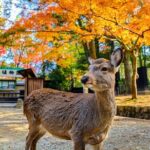
- Nara Park deer time: fun, photo-friendly, and not chaotic
- Kasuga Grand Shrine lanterns: the shrine that looks like a forest
- Harushika Brewery sake tasting: optional, easy, and worth budgeting
- Photos and pacing: why the guide matters more than you think
- Price and value: what $165 buys you here
- Who this tour fits best (and who should skip it)
- FAQ
- How long is the tour?
- Is this tour really private?
- What’s included in the price?
- How much does the sake tasting cost?
- Where do we meet, and where does it end?
- Do I need to pay temple entrance fees?
- Is there extra transportation cost?
- Can I cancel for free?
- Should you book this private Nara tour and sake tasting?
Key highlights you’ll feel immediately
- Private group time so your guide can slow down, pause, and answer questions.
- UNESCO sights in a tight half-day: Kofuku-ji, Todai-ji, and Kasuga Taisha.
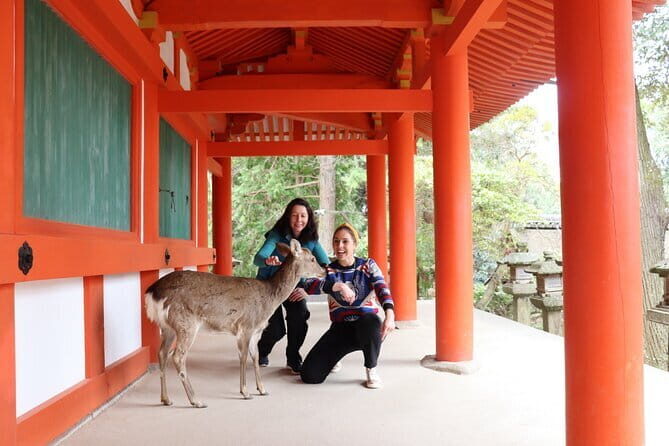
- Morning deer strategy at Nara Park, with help finding the right moments for photos.
- Todai-ji Great Buddha with the entrance fee included.
- Optional sake tasting at Harushika Brewery (extra fee, extra time).
- Professional photos taken during the tour, not just phone snapshots.
Why this private morning plan works in Nara
Nara is famous for a reason. But if you show up late, you end up squeezed behind a river of tour groups. This tour is designed for the earlier window, when the temples still feel human-sized and your brain can actually process what you’re seeing.
The biggest value here is not just the “checklist” of places. It’s the rhythm: you move between iconic stops, get enough time to look closely, and you still have breathing room afterward. That matters because Nara isn’t one of those places where everything is instantly obvious from street level.
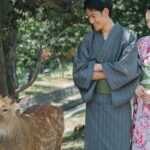
And yes, you’ll spend time around deer. The guide helps you make it more than a cute detour. Think: photo timing, where to stand, and how to enjoy it without turning it into stress.
You can also read our reviews of more food & drink experiences in Nara
Meeting at Kintetsu-Nara Station and how the day flows
You’ll meet at Kintetsu-Nara Station (Nishimikadochō, 東向中町29 area) and the tour ends back there. It’s near public transportation, which makes the whole plan easier to plug into your Kyoto or Osaka schedule.
From Kyoto, plan on about 6 hours. From Nara, it’s closer to 4 hours. Add sake tasting and you should budget an extra 30 minutes. This timing difference is the practical heart of the experience. If you start in Kyoto, you get a full half-day out of it. If you start in Nara, you get the core sites with less travel drag.
One logistics note that can save your mood: this is a walking-focused tour, and if you’re late, you may not be able to join. So I’d treat the meeting point like a train departure—arrive with buffer time.
Kofuku-ji Temple: quick UNESCO impact with a pagoda obsession
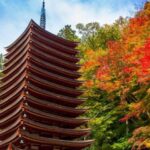
The first stop is Kofuku-ji, a UNESCO World Heritage site. It’s especially known for its five-story pagoda, described as the second tallest in Japan. Even if you’re not a “pagoda person,” it grabs your attention because it’s tall, clean, and visually anchored.
This is a shorter stop (about 15 minutes), which is actually smart. You get the big visual takeaway without burning time early. If you’ve ever visited a major temple area and felt your energy fade before the best part, you’ll appreciate starting with something punchy.
What to watch for: the pagoda frames and how the buildings relate to each other in the complex. A guide helps here because you’re not wandering in circles trying to figure out what angle matters.
Todai-ji and the Great Buddha: the main event you’ll remember
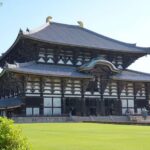
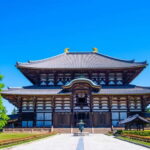
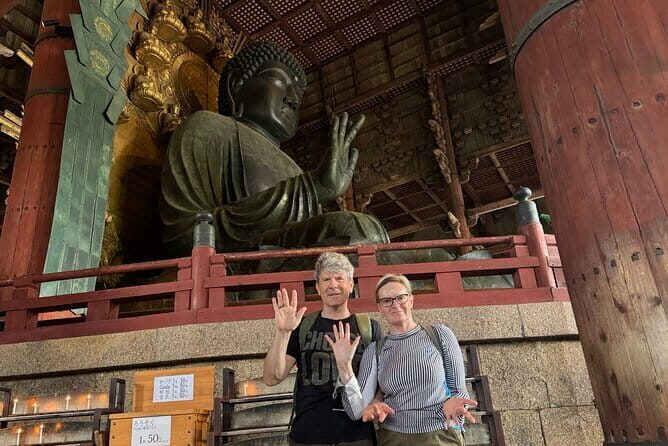
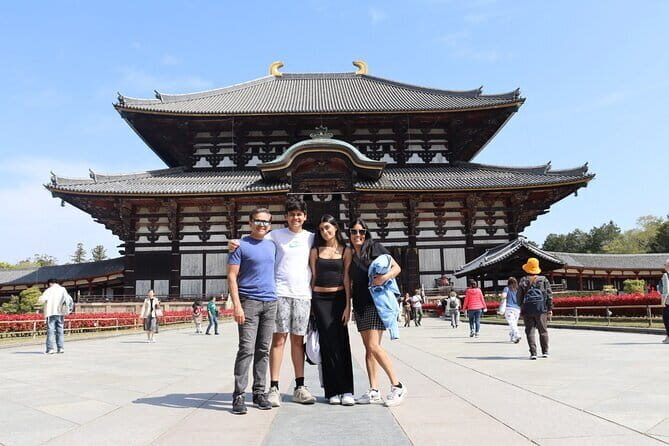
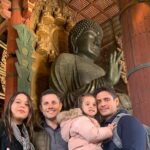
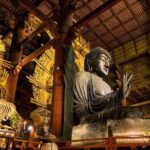
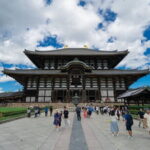
Then you move to Todai-ji Temple, also UNESCO. This is the one you came for: home to the Great Buddha (Daibutsu), a huge bronze statue that’s one of the largest of its kind in the world. The setting is massive too—the scale comes through even if you don’t have a background in Buddhist art.
Your Todai-ji entrance fee is included (800 yen), which I like because it reduces the mental math mid-day. You’ll spend about 30 minutes here, enough to see the statue, understand what you’re looking at, and still catch your breath.
The drawback? Todai-ji can be crowded. That’s exactly why the private morning plan matters. You’ll get help navigating where to look and how to structure your time so you don’t end up staring at the back of someone’s hat.
Niigatsu-do (within Todai-ji): views and the Omizutori tradition
Next is Niigatsu-do, a part of Todai-ji. You’ll have about 15 minutes, with a focus on two things: perspective and seasonal tradition. The temple offers views over Nara, and it’s famous for the Omizutori ceremony held every March.
This ritual is described as over 1,200 years old, which is a wild fact to keep in your head while you look at an old wooden hall. Even if you’re not visiting in March, the context makes the architecture feel like it belongs to living time, not just museum time.
Practical tip: this stop is short. If you’re the type who likes to linger, ask your guide if there’s an angle you should prioritize. A private format is built for that flexibility.
You can also read our reviews of more private tours in Nara
Tamukeyama Hachimangu and the calm side of Nara Park
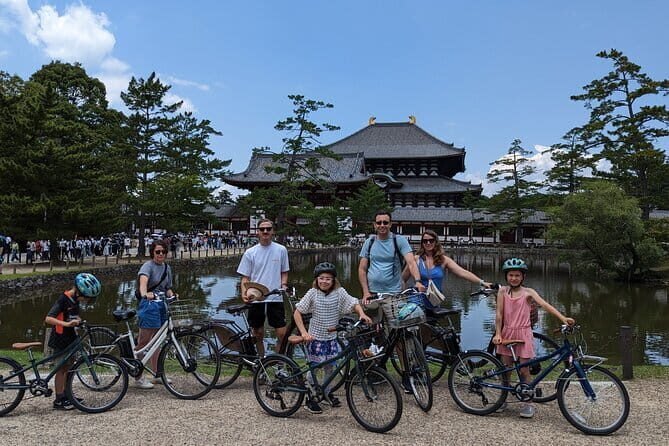
From the temple area, you head toward Tamukeyama Hachimangu, a historic Shinto shrine on the eastern side of Nara Park, near Todai-ji. It was founded in 749, and it enshrines Hachiman, a guardian deity connected with Todai-ji.
This is another quick stop (about 15 minutes), but it’s valuable because it shifts you from Buddhist landmark mode into Shinto shrine mode. In Nara, that mix is part of the feel. If all you do is stamp through the biggest temple, the city can start to feel flat. This keeps it layered.
The real payoff comes right after, when you’re back in the Nara Park atmosphere.
Nara Park deer time: fun, photo-friendly, and not chaotic
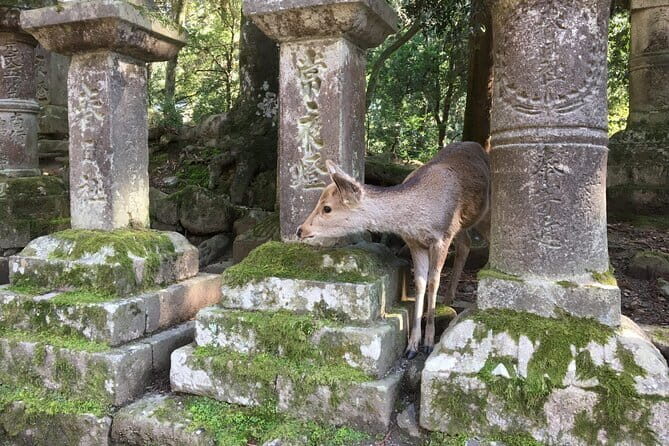
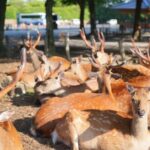
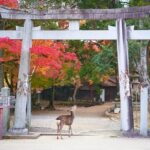
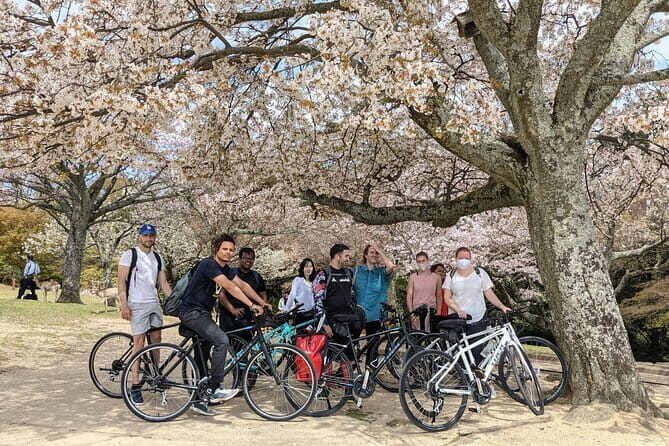
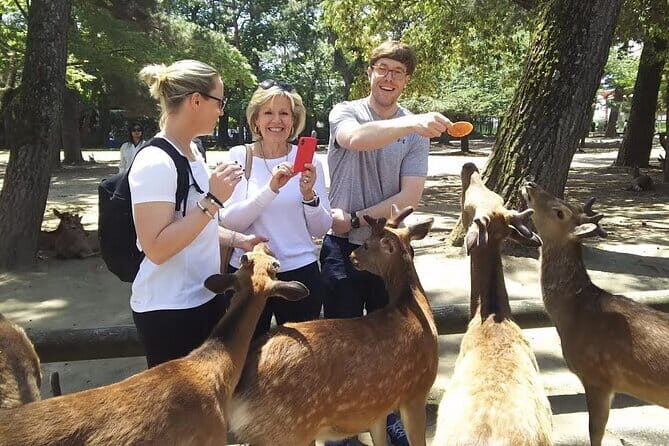
Nara Park is where the deer are. They roam freely and you can even feed them. Your stop here is about 20 minutes, which is a good balance. Long enough to enjoy the weirdness (in the best way), short enough that you won’t feel drained or surrounded forever.
Here’s what I think makes this experience work: you’re not just chasing deer. You’re doing it with a guide who knows where the animals are likely to be and how to help with photos. One of the most praised aspects from the tour experience is exactly that—patience and good photo timing around the deer.
If you’re traveling with kids, this is a big win. Several people highlight that the guide can handle both small kids and older teens, keeping it fun without losing the meaning.
One consideration: deer interactions can get intense around peak times. A private guide helps you keep it enjoyable and move when it makes sense.
Kasuga Grand Shrine lanterns: the shrine that looks like a forest
Then you head to Kasuga Taisha (Kasuga Grand Shrine), another UNESCO site and one of Nara’s most important shrines. The big visual signature here is the hundreds of stone and bronze lanterns.
Your stop is about 30 minutes, and honestly, this is the time you’ll want to slow down. Lanterns are one of those things that are beautiful but also easy to overlook if you’re rushing. Having time helps you notice how they cluster and how light changes the mood.
Kasuga Taisha is dedicated to the deity of the Fujiwara clan, so the shrine carries political and cultural weight too. That context turns a pretty lantern scene into something you can actually place in Japanese history.
Harushika Brewery sake tasting: optional, easy, and worth budgeting
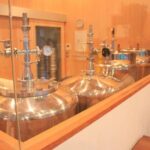
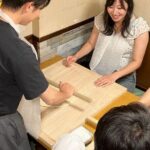
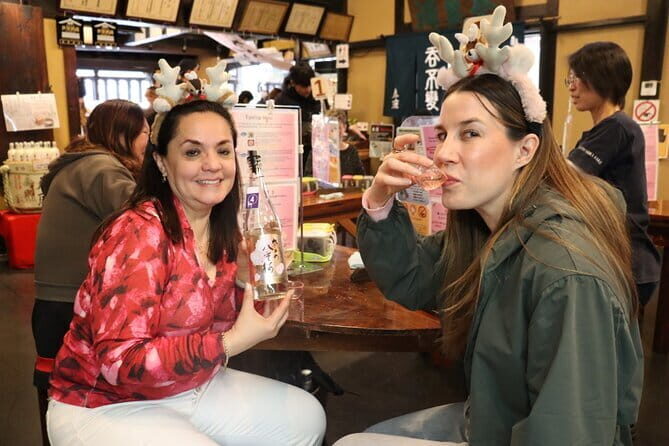
If you want sake, this is where you add it. The tour includes a stop at Harushika Brewery, with the option for sake tasting for 700 yen.
It’s about 30 minutes at the brewery area, and the tasting adds around 30 minutes to the total tour time. So don’t add it unless you’re comfortable with a slightly longer day.
Harushika is described as producing high-quality sake using traditional methods, with a reputation for a smooth, rich flavor. Even if you’re not a big sake drinker, it’s still a local experience tied directly to Nara’s food culture.
One more thing: if you’re the kind of person who likes to buy souvenirs, this is a moment where you can turn curiosity into a bottle or two.
Photos and pacing: why the guide matters more than you think
The guide is where the tour goes from “sightseeing” to “a day you’ll want to remember.” In this experience, that’s very obvious. People repeatedly praised Ikki (spelled variations like Ikky also show up) for being patient, funny, and efficient—without hurrying. That combo is rare.
What that looks like on the ground:
- You’re guided to better photo spots, especially around deer.
- You get helpful navigation support, including public transport moments.
- You can pause, rest, linger, or shop without the guide acting like it’s a problem.
And yes, professional photos are taken during the tour. That’s a quality-of-life upgrade. You’ll still take your own phone shots, but it’s nice to have at least a few images handled with care.
Even one practical detail came up: help with an IC card when needed. That’s the kind of support that saves time and stress, especially if you’re new to Japan’s transport system.
Price and value: what $165 buys you here
At $165.13 per person, this isn’t a “cheap bus tour.” It’s a private walking tour built around specific paid components and time savings.
Here’s the math that matters:
- Todai-ji entrance fee (800 yen) is included.
- The tour is private, so you’re paying for individual attention and pacing.
- You get professional photos, which can be a hidden value driver.
- Much of the rest of the stops are listed as free admission (Kofuku-ji, Niigatsu-do, Tamukeyama Hachimangu, Nara Park, Kasuga Taisha).
The other value is softer but real: you’re not spending your half-day figuring out routes, crowd rhythms, and the right order. When you’re in Nara from Kyoto or Osaka, time is money. This tour is structured so you’re not wasting it.
What could make it less worth it? If you already know Nara well and you’re fine planning your own route, you might find similar sights on your own. But if you want the temples plus deer plus sake with less thinking, the price starts to look reasonable fast.
Who this tour fits best (and who should skip it)
This tour is a good match if you:
- Want a private experience with a guide who helps with photos and pace.
- Are short on time and want a focused morning/half-day in Nara.
- Love temples and shrines, but also want the deer moment to feel controlled and fun.
- Like food culture, with optional sake tasting at Harushika Brewery.
It may not be ideal if you:
- Hate walking and crowds even in the early hours.
- Want long, unstructured wandering with no schedule.
- Expect lots of museum-style indoor time. This is more outdoors and shrine/temple viewing.
Also, a heads-up: it assumes moderate physical fitness because it’s a walking experience using public transportation.
FAQ
How long is the tour?
It runs about 4 to 6 hours depending on where you start. From Kyoto it’s around 6 hours, and from Nara it’s around 4 hours. If you add sake tasting, plan about an extra 30 minutes.
Is this tour really private?
Yes. It’s listed as a private tour/activity, meaning only your group participates.
What’s included in the price?
Included are a passionate local English-speaking guide, Todai-ji entrance fees (800 yen), and professional photos taken during the tour.
How much does the sake tasting cost?
Sake tasting is available at Harushika Brewery for 700 yen per person. It’s optional.
Where do we meet, and where does it end?
You meet at Kintetsu-Nara Station (Nishimikadochō, 東向中町29, 630-8215). The tour also ends back at Kintetsu-Nara Station.
Do I need to pay temple entrance fees?
The tour includes Todai-ji (800 yen). Other listed stops (like Kofuku-ji, Niigatsu-do, Tamukeyama Hachimangu, Nara Park, and Kasuga Grand Shrine) are shown as admission ticket free.
Is there extra transportation cost?
If your departure is from Kyoto, public transportation fare is applicable at ¥1,280 per person. (If you start from Nara, that specific Kyoto transit fare doesn’t apply.)
Can I cancel for free?
Yes. There’s free cancellation if you cancel up to 24 hours in advance of the experience start time.
Should you book this private Nara tour and sake tasting?
Book it if you want Nara in a single smooth half-day: big landmarks like Todai-ji, the shrine lantern atmosphere of Kasuga Taisha, and the deer moment at Nara Park—plus an optional Harushika sake tasting if you’re in the mood for local flavor. The strongest reasons to choose it are the private pacing and the guide support, especially around photos and keeping the day enjoyable.
If you’re traveling with kids, it’s a particularly good idea because the guide is described as patient and engaging with different ages. And if you’re coming from Kyoto, it can save you time and stress.
If you’re the type who wants to wander completely on your own and you don’t care about guided photo help or professional photos, you might skip it. But for most people trying to get a memorable, well-paced Nara day, this is a smart, efficient pick.