REVIEW · NARA
Nara:Authentic Tea Ceremony(Max 5 ppl) -Master Matcha Making
Book on GetYourGuide →Operated by Kurabi · Bookable on GetYourGuide
One calm hour can change how you taste matcha. This Nara experience blends a tea master-led ceremony in a 120-year farmhouse with hands-on whisking and a guided tasting of Nara single-origin matcha. I like how personal the teaching feels, plus you get real tools, etiquette, and a chance to practice with feedback from Kurabi and other hosts.
The only real consideration is that this is not a quick photo-stop. It moves slowly on purpose, so if you want nonstop sightseeing, you might feel a little boxed in for the hour.
In This Review
- Key Things I Think You’ll Enjoy Most
- A 120-Year-Old Nara House That Turns Off Your Phone
- Tea Etiquette and Utensils: The Part Most People Skip
- Master Matcha Making: How the Whisking Changes Everything
- Nara Single-Origin Matcha Tasting: Find Your Favorite Style
- Wagashi Pairing: The Sweet That Teaches You How to Slow Down
- What Happens During the Hour (So You Can Plan Your Day)
- Price and Value: What $46 Buys You in Nara
- Who This Experience Suits Best (And Who Might Prefer Another Plan)
- Booking Tips That Help You Get the Best Session
- Should You Book This Nara Tea Ceremony?
- FAQ
- How long is the Nara matcha tea ceremony experience?
- How much does it cost per person?
- Is this a small group experience?
- What languages are available for instruction?
- Do you get to make and taste matcha during the session?
- Are wagashi sweets included?
- What is the cancellation and payment approach?
Key Things I Think You’ll Enjoy Most

- One-on-one style instruction: small group, and you get direct coaching on whisking.
- Matcha technique, not just tasting: you’ll practice the motions and learn what changes the texture.
- Nara single-origin comparison: you taste and compare so you can find your personal matcha style.
- Wagashi pairing: seasonal traditional sweets are served to match the tea mood.
- Tea ceremony etiquette + utensils: you learn the meaning behind the steps, not just the steps.
- Local extras from your host: guides often share practical ideas for food, sake, and what to do next in Nara.
A 120-Year-Old Nara House That Turns Off Your Phone

This experience takes place in a traditional Japanese farmhouse that’s about 120 years old. The setting matters. When you’re sitting in a quiet, old wooden space, the ceremony stops feeling like a performance and starts feeling like a real ritual you’re being taught.
You’ll notice the pace right away. Even before you touch a whisk, there’s time spent settling in—learning how the room works, how people move, and what the host expects. Reviews also hint that walking in from the busier streets and arriving in this calmer guesthouse-like space sets you up for a better session.
If you’re a first-time tea person, this matters even more. You’re not trying to decode a lot at once. You’re given a calm framework, then you get to participate.
You can also read our reviews of more tours and experiences in Nara.


Tea Etiquette and Utensils: The Part Most People Skip

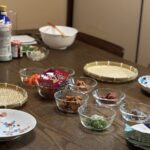
A lot of matcha classes focus on the cup and forget the rest. Here, you get an overview of the history, etiquette, and traditional utensils that shape the ceremony. That’s the difference between drinking matcha and understanding why a ceremony exists.
Expect a guided walk-through of the tools used in preparing and serving matcha. You also learn what the host wants from you during the steps—basic etiquette, the order of movements, and what to pay attention to while you’re doing it. Even if you don’t memorize every term, you’ll leave knowing what those steps are trying to communicate: respect, attention, and simplicity.
One small but important detail: you’re not just watching. Your host explains, then invites you to act. That turns etiquette from something stiff into something you can actually feel and do.
Master Matcha Making: How the Whisking Changes Everything

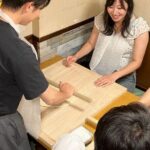
The star of the hour is the matcha lesson. You’ll learn how to prepare matcha under instruction from a tea master, then practice yourself with personalized feedback. This is where the experience earns its price.
The practical skill you’re building is whisking. Reviews mention hosts giving tips to improve the whisking technique to get a smooth, creamy texture. You’ll likely start with a slower rhythm while you learn the mechanics, then your host will help you adjust so the foam and consistency come out better.
Why this is valuable for you: most people buy matcha later and make a sad, flat cup. If you learn what to change—motion, speed, and how you handle the steps—you can recreate a better cup at home. You’re not only buying a memory. You’re buying a method.
You also get time to serve and drink what you make. That matters because it ties technique to taste in the same session. When you change whisking, you can feel how that affects the cup.
Nara Single-Origin Matcha Tasting: Find Your Favorite Style

After (or alongside) your hands-on practice, you’ll taste and compare matcha. The highlight here is comparing single-origin matcha from Nara so you can figure out what you like best.
This is one of the most underrated parts of tea learning. People assume all matcha tastes the same, then they buy a tin that doesn’t match their palate. A comparison in-session helps you notice differences in aroma and flavor while the host is there to explain what you’re experiencing.
You may also be offered multiple teas during the session, and some hosts share extra matcha recommendations connected to other famous tea areas. For example, a few reviews reference additional matcha guidance connected to Uji. Even if your session stays focused on Nara, you’ll still leave with better taste instincts.
Wagashi Pairing: The Sweet That Teaches You How to Slow Down

A proper tea ceremony isn’t just tea. You’ll also enjoy seasonal wagashi, traditional Japanese sweets, paired with your drinks.
Wagashi is there to reset your palate and balance the bitterness and grassy notes of matcha. It also affects your pace. You’re encouraged to pay attention to aroma, mouthfeel, and how the sweetness lands, then how the next sip changes.
In practice, this turns the hour into something satisfying rather than rushed. You learn that matcha isn’t always about strength. It’s about balance—sweetness, temperature, and the rhythm of sipping and tasting.
If you tend to snack constantly while traveling, this will feel like training your focus. And yes, you’re still having fun, just in a quieter way.


What Happens During the Hour (So You Can Plan Your Day)
This experience runs about 1 hour. There aren’t many moving parts, which is exactly why it works. Here’s a practical idea of how it typically flows, so you know what you’re signing up for:
1) Arrive and settle in in the traditional farmhouse/guesthouse space.
2) Etiquette and utensils overview, led by your tea master (English or Japanese, depending on the session/instructor).
3) Guided matcha making, where you watch first, then practice.
4) Your tasting moment, including matcha you helped prepare. You’ll also taste and compare Nara single-origin matcha.
5) Wagashi pairing to round out the ceremony.
6) Sometimes you’ll also get local recommendations for what to eat next, including places to try and where to buy matcha or sake.
A small group keeps things calm. The listing says small group limits (and the summary emphasizes up to 5 people). In practice, reviews mention cases that feel truly one-on-one, so you should expect a personal pace rather than a classroom rush.
For your day planning: treat this like a reset. It’s a great mid-morning or early afternoon activity when your Nara walk is already on the agenda, but you don’t want another loud crowd experience right after.
Price and Value: What $46 Buys You in Nara

At $46 per person for about 1 hour, the cost can look high if you’re comparing it to a standard tea tasting. But you’re paying for something different.
You’re getting:
- hands-on practice (not just sipping)
- coaching and feedback on whisking technique
- ceremony context (history/etiquette/tools)
- wagashi pairing
- an intimate setting in a traditional house
If you’re the type who buys matcha later and wants to make a real cup, this lesson pays off. The skill is durable. It’s not only a photo and a memory.
Also, the small group size is part of the value equation. When instruction is direct, you don’t lose your turn to the clock. You get to ask questions, adjust your technique, and actually taste what you improved.
Who This Experience Suits Best (And Who Might Prefer Another Plan)
This is a strong fit if you:
- are curious about Japanese culture through a real ritual, not a rushed demo
- want matcha-making technique, especially if you’ve struggled to get good foam or flavor at home
- like intimate experiences with a calm atmosphere
- enjoy food pairings and want to taste tea in a structured way
You might want a different activity if you:
- need constant movement and sightseeing
- prefer hands-off experiences where you just watch
- have very little patience for etiquette and slower pacing
In other words, this one is made for people who want to slow down on purpose.
Booking Tips That Help You Get the Best Session

You can do a few things to make your hour more satisfying:
- Come hungry for attention, not for food. The sweet is included, but the focus is ceremony pace.
- If you’re picky about matcha flavor, be ready to describe what you like. The tasting and comparison is there so you can steer your own preference.
- Ask your host about matcha buying after the ceremony. Reviews note hosts often share practical advice on where to purchase matcha and sometimes local sake stores.
- If you’re navigating to the meeting spot, build in a little buffer. One review mentions the host reaching out because finding the exact location took a moment, so don’t plan for this to be your tightest appointment of the day.
Should You Book This Nara Tea Ceremony?
I’d book it if you want an authentic Nara experience that teaches you something you can use later. The combination of a traditional 120-year farmhouse, a guided ceremony with utensils and etiquette, and actual hands-on matcha whisking with feedback is a rare mix.
Skip it only if you’re after a fast, broad sightseeing hit. This is about focus—practice, tasting, and calm attention. If that sounds like your kind of travel, this one-hour masterclass is good value and a meaningful way to understand matcha beyond the drink.
FAQ
How long is the Nara matcha tea ceremony experience?
It lasts about 1 hour.
How much does it cost per person?
The price is $46 per person.
Is this a small group experience?
Yes. It’s described as a small group with limits (up to 5 in the summary, and limited to 6 participants).
What languages are available for instruction?
The instruction is available in English and Japanese.
Do you get to make and taste matcha during the session?
Yes. You’ll receive guidance to prepare and serve matcha, and you’ll practice whisking with personalized feedback. The session also includes tasting and comparing matcha.
Are wagashi sweets included?
Yes. Authentic seasonal wagashi are included.
What is the cancellation and payment approach?
Free cancellation is available up to 24 hours in advance for a full refund. You can also reserve now and pay later, with no payment due today.