REVIEW · TOKYO
Tokyo:Sea of Mount Fuji, Hakone Ropeway, Ōwakudani, Enoshima
Book on GetYourGuide →Operated by Japan Visionary Tour · Bookable on GetYourGuide
Three Mount Fuji views in one day.
This day trip strings together Lake Ashi, Owakudani, and Enoshima so you get Mt. Fuji from volcano air, lake water, and the sea. I like that the plan is built around big views, not just sightseeing stops, and I also like how smoothly it’s run by a professional bilingual guide. The one thing to consider is weather: if clouds roll in, Fuji can hide and your photos will be more about steam, torii, and bay light than a perfect peak.
What I really like is the variety packed into 10 hours: a pirate ship cruise on Lake Ashi, then the Hakone Ropeway rising above geothermal Owakudani, then Enoshima’s shrines and coast. If you’re short on time in Tokyo, it’s a practical way to hit three different “faces” of this region without doing the juggling yourself. The potential drawback is also part of the value: the day moves with photo stops and scheduled timing, so you have less wandering time than a slow, independent Hakone day.
In This Review
- Key Things You Should Know Before You Go
- A One-Day Mt Fuji Loop: Lake, Volcano, and Coast
- Lake Ashi and the Hakone Shrine Torii: The Pirate Ship Moment
- Hakone Ropeway: Where the Steam Becomes Part of the View
- Owakudani: Black Eggs, Sulfur Air, and Fuji’s Backdrop
- Enoshima Island: Torii Steps, Shrines, Sea-Mount Fuji, and Street Snacks
- Sagami Bay Photo Stop: Sapphire Water and Final Fuji Glance
- Price and Value: What $50 Really Means for This Day
- Timing, Weather, and the Best Shot at Clear Fuji
- Who This Tour Fits Best (and Who Should Skip It)
- Service Style: How the Day Stays on Track
- Should You Book This Hakone and Enoshima Day Tour?
- FAQ
- What is the total duration of the tour?
- What does the price include?
- Are meals included?
- Do I have to pay separately for the pirate cruise and Hakone Ropeway?
- Where is the meet-up point?
- Will I definitely see Mount Fuji?
- Is this tour suitable for people with mobility or health limitations?
Key Things You Should Know Before You Go
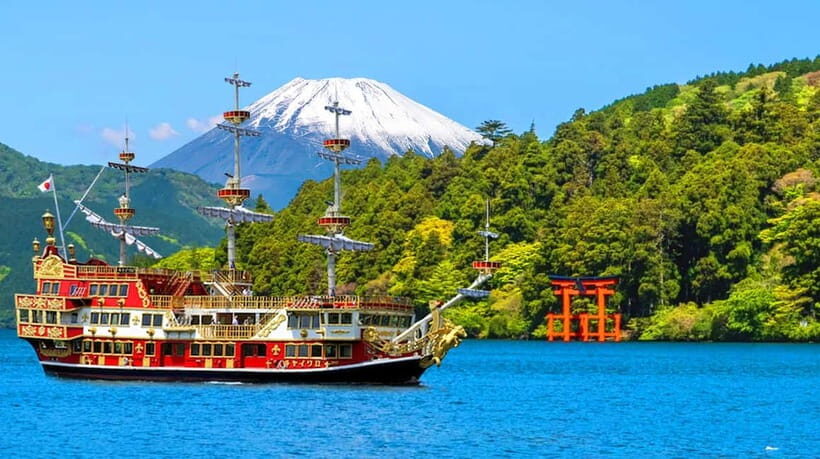
- Pirate ship on Lake Ashi for that classic Fuji + torii composition
- Hakone Ropeway views over active steam at Owakudani
- Owakudani’s kuro-tamago black eggs and the longevity legend
- Enoshima’s shrine route plus the Sea-Mount Fuji sightline on clear days
- A lot of driving time, but it keeps the day efficient and organized
A One-Day Mt Fuji Loop: Lake, Volcano, and Coast
This is the kind of tour I like for first-timers in Japan: it doesn’t ask you to master transportation schedules. You get round-trip transfers by A/C vehicle, plus a professional English or Chinese speaking guide to manage timing and the small decisions (like which ticket to buy when).
The theme is simple: Mt. Fuji shows up in different settings. You start with the volcanic drama near Hakone, then you go to the open water on Lake Ashi, and finally you land at Enoshima and Sagami Bay, where the coastline and shrines create a totally different mood. It’s a great way to understand why this area keeps showing up in Japanese art and travel photos.
You can also read our reviews of more tours and experiences in Tokyo.



Lake Ashi and the Hakone Shrine Torii: The Pirate Ship Moment
Lake Ashi is where this day earns its bucket-list status. The water is the star, because on clear days it can look like a mirror—especially when Mt. Fuji is visible. You’ll also get the famous Hakone Shrine torii gate rising from the shallows, which helps turn a simple viewpoint into a recognizable scene.
In the plan, you’ll have time for a short stop and photos, then you board the sightseeing cruise—on a vintage pirate ship. You walk onto the open deck and feel the lake breeze, and the best part is how the view shifts as the ship moves. You’re not just looking at Fuji once; you’re watching it appear, frame, and disappear behind changing angles of water and sky.
Practical tip: dress for chill. Even in warmer months, lake wind can feel sharp, and you’ll want to be comfortable for deck time.
Hakone Ropeway: Where the Steam Becomes Part of the View
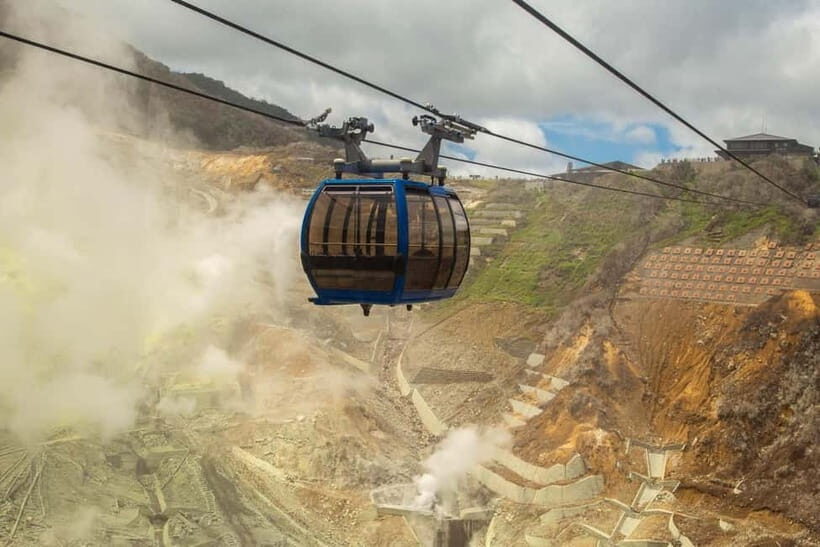
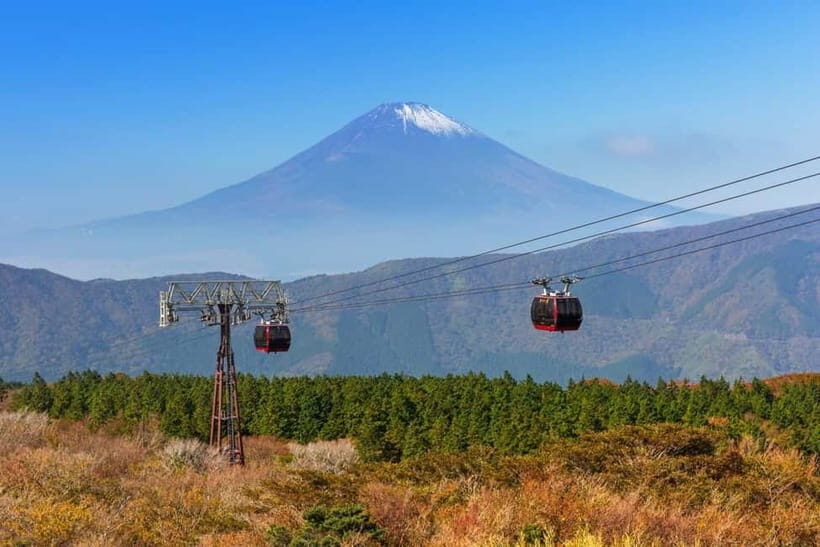
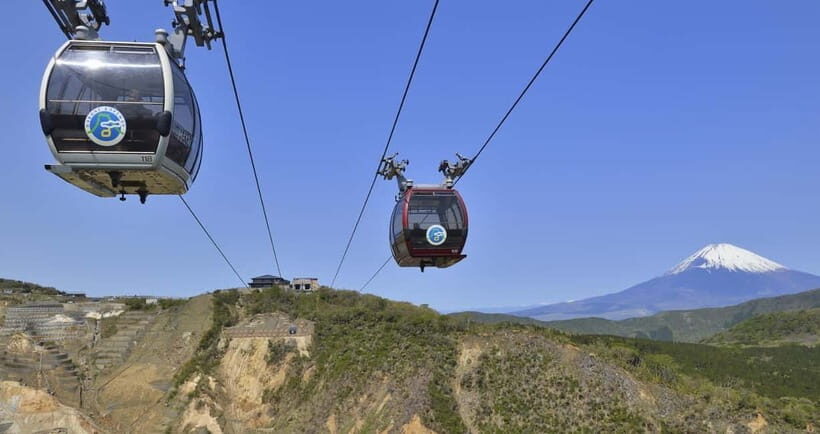
After the cruise, you’ll ride the Hakone Ropeway, a cable car that lifts you above the valley toward the geothermal area. This is one of those rides where you look out constantly, because the terrain below is dramatic: you’ll see cracks, wisps of steam, and the color of volcanic rock that looks almost painted.
The timing is tight but doable: expect around 25 minutes on the ropeway segment plus the ride-in experience. The payoff is twofold. First, the views help you understand the geography—how volcanic activity shaped what you’re seeing. Second, Mt. Fuji can appear on the horizon during the right weather window, which turns the ropeway into more than just transport.
The tour also notes that a bus option is available if you can’t take the boat or cable car. That matters if you’re comparing comfort needs, since this day includes real movement over and around Hakone’s hills.
Owakudani: Black Eggs, Sulfur Air, and Fuji’s Backdrop
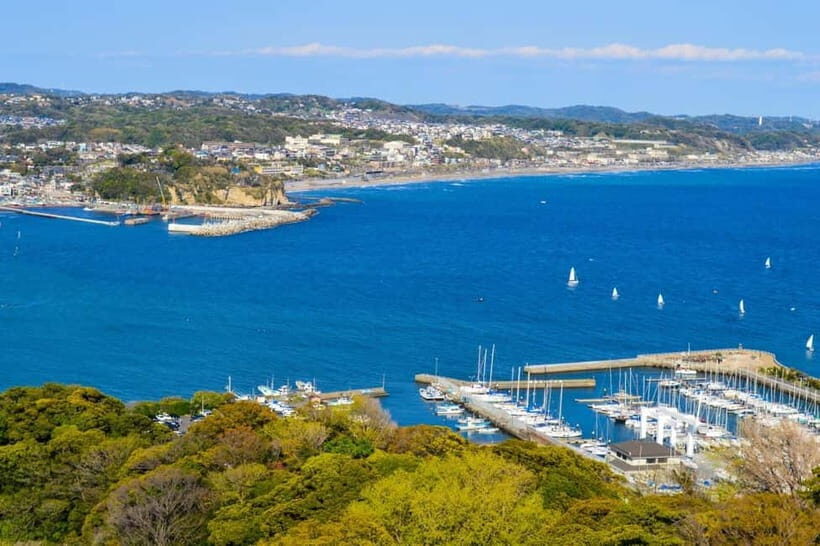
Owakudani is the geothermal heart of Hakone, and even with a relatively short time on the ground, it’s memorable. You’ll step into a valley where activity is still happening. The air can carry a mineral smell, and steam can rise from cracks in the earth. It feels powerful in a very hands-on way, even if you’re not an outdoors person.
Then comes the signature food moment: Owakudani’s famous black eggs, known as kuro-tamago. They’re hard-boiled in sulfur springs, and they turn jet black. The legend says eating one adds seven years to your life, and even if you treat legends like legends, this is still a fun cultural food to try where it matters.
Photo note: the valley can be hazy from steam, so aim for photos that include foreground details (steam and earth) as well as distant views. If Fuji is visible, you’ll get the classic “volcano + mountain” combination; if not, the geothermal scene still has strong visual character.
Enoshima Island: Torii Steps, Shrines, Sea-Mount Fuji, and Street Snacks
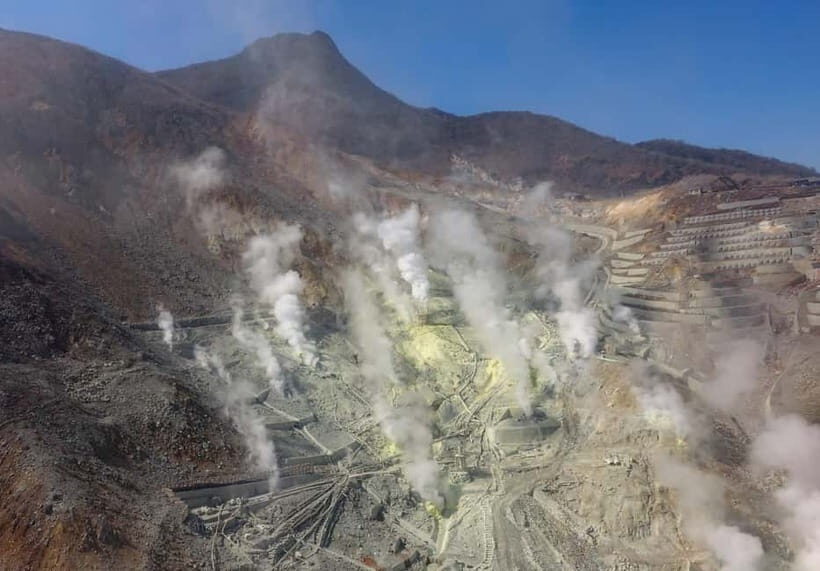
Enoshima is a change of pace from Hakone. Instead of steam and volcanic activity, you get an island feel: sea breeze, coastal viewpoints, and shrines that make the area feel older and calmer.
You’ll start with Enoshima time for photos and free wandering, then you’ll visit key shrine stops:
- Enoshima Shrine (Hetsunomiya)
- Enoshima Benzaiten Nakamise Dori (with shops and snack streets)
- Bronze Torii at the shrine
- Zuishinmon Gate
This route works well because you’re moving from atmosphere to detail. The top viewpoint is where the famous Sea-Mount Fuji idea can show up on a clear day—Mt. Fuji appears on the horizon framed by the sea. When it’s good, it’s one of those “how is this real” moments. When it’s not, you still get a satisfying stroll through shrine architecture and island views.
Food tip: the area is known for local bites like anchovy treats, seaweed rolls, and Shonan-style milk ice cream. The tour doesn’t include meals, so keep cash handy. Also remember the tour rule: no food in the vehicle, so plan snacks after you’re off the bus.





Sagami Bay Photo Stop: Sapphire Water and Final Fuji Glance
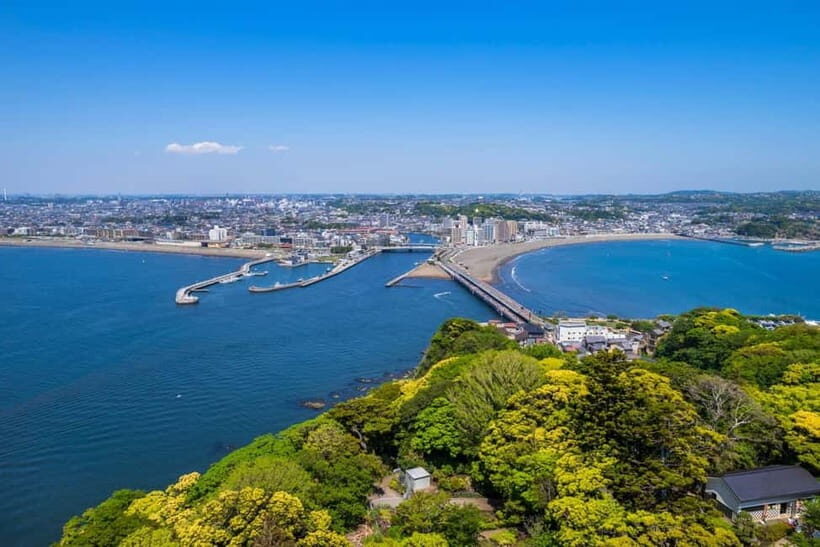
After Enoshima, you’ll end with a stop at Sagami Bay for photos. This is a short window, around 20 minutes, but it helps wrap the day with ocean light. If Fuji showed up earlier, this can be your last clean chance to catch it. If it didn’t, you’ll still have the sea and coastal atmosphere as a consolation prize.
I like this final stop because it stops the day from feeling like only volcano and rides. You’re ending on the open horizon.
Price and Value: What $50 Really Means for This Day
The listed price is about $50 per person for a 10-hour day. That sounds like a bargain in the context of Japan, and the reason is the “behind the scenes” items included with the tour.
What’s included:
- Professional English & Chinese speaking tour guide
- A/C vehicle
- Round-trip transfers to and from the meet-up location
- All taxes, parking, toll, gas, environmental fees
What’s not included:
- Meals and beverages
- Personal expenses
- Admission to the Hakone sightseeing cruise and the Hakone Ropeway unless your option includes them
Here’s how I’d think about value. If your selected option includes the boat and ropeway admissions, this price is especially strong because those attractions can be pricey individually. If they’re not included, the tour can still be good value, but your final spend becomes a little less predictable. The nice part: the guide can assist you with buying tickets if needed.
Timing, Weather, and the Best Shot at Clear Fuji
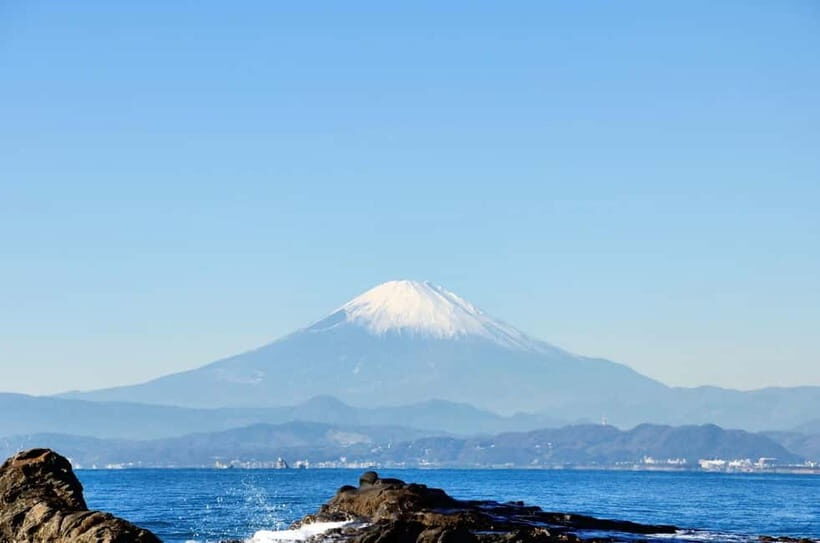
This tour is very weather-dependent in the specific way that matters most: Mt. Fuji visibility. The day schedule can also shift due to traffic and weather conditions, and peak seasons can mean congestion—so you should keep evening plans flexible.
My advice is simple: treat Fuji as a bonus, not the only reason you’re going. Even when Fuji is hidden, Owakudani still delivers steam and sulfur air, Enoshima still gives you shrine views and sea light, and Lake Ashi still provides that calm-water mood and torii composition.
Also plan for temperature swings. One day can feel mild at Lake Ashi and chilly at higher or more exposed stops. Bring layers even if you check a sunny forecast, because the breeze on the water is real.
Who This Tour Fits Best (and Who Should Skip It)
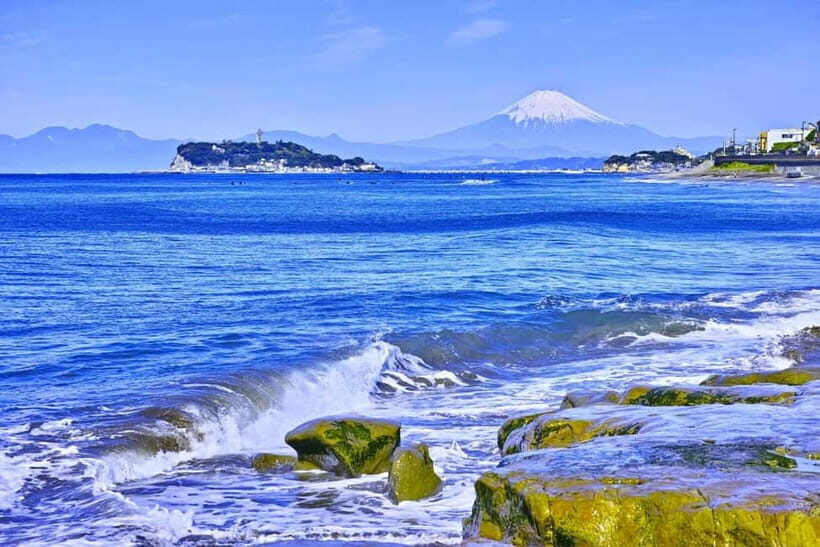
This is a solid choice if you want a structured day that covers big-name stops without transit stress. It also suits you if you like photography because the day is built around photo windows at each major location.
It may not fit if:
- You’re pregnant
- You use a wheelchair
- You have altitude sickness
- You’re over age 70
The tour also asks you to indicate if you’re traveling with strollers or large luggage, because meeting logistics and vehicle space can matter.
Language note: English and Chinese are supported, which helps if you want clearer instructions for ticketing and timing.
Service Style: How the Day Stays on Track
A big reason this tour gets strong ratings is execution. Multiple guide names show up in the experience feedback—people credited guides like Aki, Kishida, Pin, Joey, Jimmy, Belle, Augustin/Augustine, Fukuzawa, Brewski, and Nakajima for keeping the day moving and explaining what to look for.
That shows up in real ways: meeting times and locations are communicated ahead of the day by the guide in at least some runs, and on the day the guide gives introductions at each attraction and prompts you on what to prioritize for photos.
There’s also a theme of preparedness. People mentioned having smooth timing and feeling well cared for, and some even highlighted that the driver handled the road experience confidently. You’ll still spend a lot of the day in transit, but it’s part of the efficient loop.
Should You Book This Hakone and Enoshima Day Tour?
Book it if you want:
- Three Fuji settings in one day (lake, volcano area, and coastal horizon)
- A guided plan that reduces decision fatigue
- A mix of rides (pirate cruise and ropeway) plus shrine exploring and food
I’d hesitate if you:
- Need long, slow time at each stop (this schedule moves)
- Are extremely sensitive to weather-based disappointment
- Are in a group with mobility limits or altitude sensitivity
If Mt. Fuji is visible, this tour can feel like a greatest-hits day. If it’s not, you’ll still come away with a strong sense of Hakone’s geothermal power and Enoshima’s sea-and-shrine character.
FAQ
What is the total duration of the tour?
The tour lasts about 10 hours.
What does the price include?
The package includes a professional English and Chinese speaking guide, an A/C vehicle, round-trip transfers from the meet-up location, and all taxes, parking fees, toll fees, gas fees, and environmental fees.
Are meals included?
No. Meals and beverages are not included.
Do I have to pay separately for the pirate cruise and Hakone Ropeway?
Admission to the Hakone sightseeing cruise and the Hakone Ropeway is not included unless you choose an option that includes them. Your guide can assist you with purchasing tickets if needed.
Where is the meet-up point?
The meeting point can vary depending on what option you book. One listed option is Tokyo Mode Gakuen, 1F, 1-chōme-5-1 Marunouchi, STAND T.
Will I definitely see Mount Fuji?
Not guaranteed. The tour specifically notes that weather and visibility can affect whether you see Mount Fuji.
Is this tour suitable for people with mobility or health limitations?
No for several groups: it is not suitable for pregnant women, wheelchair users, people with altitude sickness, and people over 70 years.