Tokyo can feel like a game you did not read the rules for, but this private tour helps you get oriented fast. You’ll spend a focused 3 hours moving from Shibuya’s loudest icons to the calmer quiet of Meiji Jingu, with plenty of small stops along the way.
I especially like the private, personalized setup. You’re not stuck in a slow-moving group line, and the guide can tune the route to your interests, whether that means anime-style spotting or traditional arts and shrine etiquette.
One thing to consider: there’s no hotel pickup, so you’ll need to make your own way to the meeting point near Shibuya (2 Chome Dogenzaka) and start on time.
In This Review
- Key things I’d plan around
- A Private 3-Hour Walk Through Shibuya and Kinza
- Price and What Makes It Feel Like Value
- Shibuya First: Shops, Side Streets, and a Real Sense of Place
- Hachiko Statue: The Story Behind the Bronze Dog
- Shibuya Crossing: Getting the View Without Losing Your Bearings
- Meiji Jingu Shrine: Peace After the Neon
- Getting There, Meeting Point, and How the Tour Flows
- Guides, Personalization, and Why the Best Tours Feel Effortless
- Should You Book This Shibuya and Kinza Private Tour?
- FAQ
- How long is the Shibuya and Kinza private tour?
- What does the tour cost?
- Is this a private tour?
- What’s included in the price?
- Are tickets included for attractions?
- Where do we meet and where does it end?
- Is there free cancellation?
Key things I’d plan around
- Hachiko + Shibuya Crossing in a tight time window, so you still have energy for the shrine
- Meiji Jingu added right after the neon, giving you a real contrast in atmosphere
- One local drink or snack included, which helps keep the tour comfortable without forcing extra stops
- Private for your party, so you can set the pace and ask questions without competing for attention
- Very strong ratings (4.9 average, 98% recommended), with names like Gulay and Sheilina Toh showing up often
A Private 3-Hour Walk Through Shibuya and Kinza
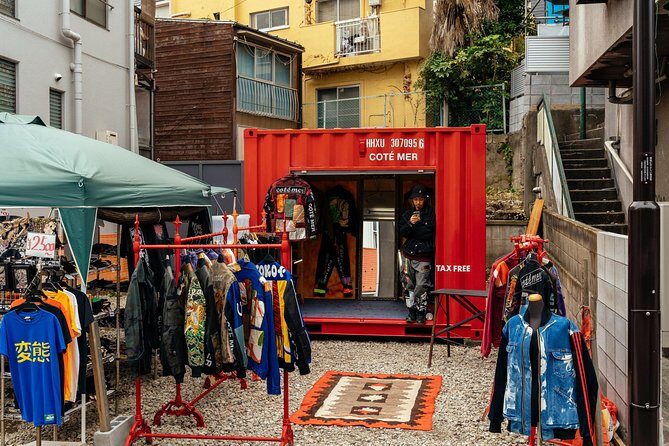
This is built for people who want Tokyo highlights without feeling herded. In about three hours, you’ll cover Shibuya’s big-name energy, then shift into a more respectful, slower rhythm at Meiji Jingu. The route is compact enough that you can actually enjoy the sights, not just clock them.
The tour is private, meaning it’s just you and your local guide. That matters in Shibuya, where crowds can turn even a simple photo into a chore. With a guide, you spend more time looking and less time figuring out where to stand.
And yes, Shibuya is famous for shopping and street style. You’ll see that layer too, plus side streets and quieter pockets that help you understand why Shibuya is more than a single intersection.
You can also read our reviews of more private tours in Tokyo



Price and What Makes It Feel Like Value
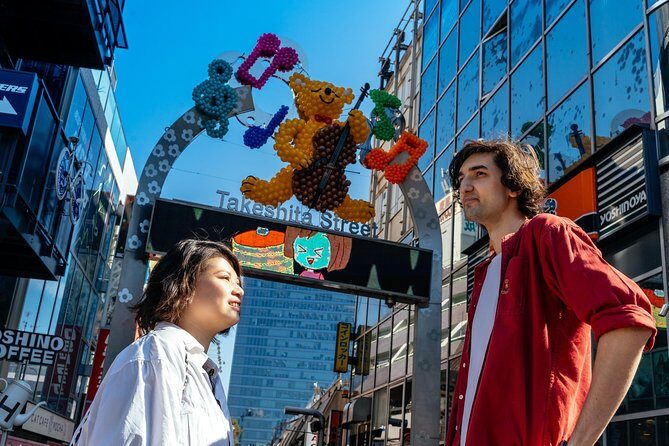
At $142.70 per person for a ~3-hour private tour, the biggest question is: what do you gain that you can’t easily do yourself?
First, you’re paying for a human who can connect the dots quickly. You’re not just stopping at signs. You get context—why Hachiko matters, what you’re looking at around the crossing, and what Meiji Jingu is about beyond the postcard view.
Second, the included one local drink or snack helps make the time feel complete. It’s not a full meal, but it does reduce decision fatigue mid-walk.
Finally, the setup cuts down the common Tokyo hassle: the route, timing, and pacing are handled for you. You still pay for anything not listed as included (like extra attraction tickets), but the core stops are straightforward and free to enter on this route.
If you’re traveling in a small group and want everyone to get the same high-quality experience, the private format usually feels smarter than trying to “split up and meet later.” Also, the listing notes mobile ticket and group discounts, so it’s worth checking if your party size changes the price.
Shibuya First: Shops, Side Streets, and a Real Sense of Place
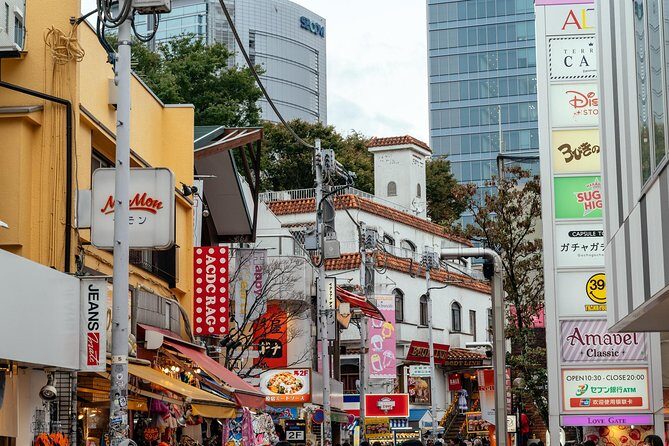
You start in Shibuya and spend about 1 hour 30 minutes moving through the district. This isn’t only about the Instagram-famous spots. You’ll get a broader feel for Shibuya as a neighborhood—where people shop, linger, and flow through the city like it’s daily life, not a spectacle.
One of the reasons this works is the balance of tempo. Shibuya can overwhelm you if you walk in with a checklist and zero plan. Here, you get a guided path that helps you notice what matters: street-level details, how the area is organized, and how the “busy” parts connect to calmer corners.
If you like blending the obvious with the practical, you’ll appreciate the pacing. It’s enough time to wander, but not so long that you’re exhausted before you reach the shrine.
What you might watch for: some parts of Shibuya are basically retail and foot-traffic zones. If you’re hoping for lots of indoor museums or paid attractions, you’ll want to treat this more as orientation and atmosphere than a “ticket-heavy” day.
Hachiko Statue: The Story Behind the Bronze Dog
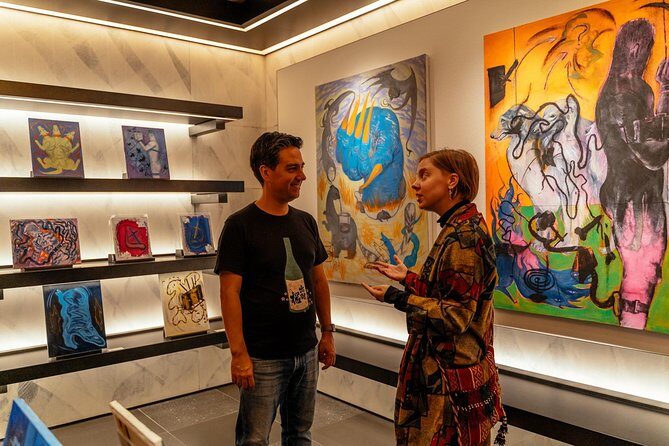
Next you’ll hit the Hachiko Statue area for about 30 minutes. This is one of those Tokyo stops that people think they already understand, until a guide explains why the story still lands today. The bronze dog isn’t just a meeting point—it’s tied to devotion and the kind of loyalty that became part of the city’s memory.
This stop also sets up the rest of the walk. From here, the guide can connect how Shibuya works as a hub and how major landmarks fit into daily movement. You’re not learning facts for trivia night—you’re getting a mental map.
If you’re a first-time visitor, this is a great time to ask simple questions, like how people typically navigate the area or what to look for when you’re watching crowds. The best guides use Hachiko as a launch pad for the whole Shibuya mindset.
A small practical note: Hachiko is photo-famous, so expect people around. A guide helps you time your pictures and keep the tour moving without getting stuck in the slowest part of the crowd.
Shibuya Crossing: Getting the View Without Losing Your Bearings
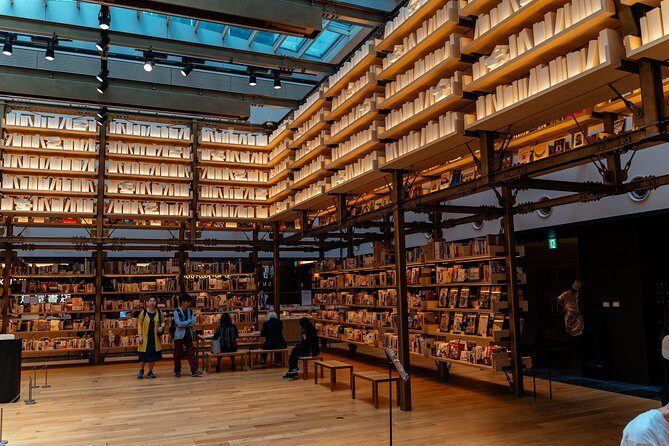
Then comes Shibuya Crossing for another 30 minutes. This is where Shibuya earns its reputation. The crossing can look chaotic from outside, but when you understand pedestrian flow, it feels less like chaos and more like choreography.
What I like about this portion is that it’s timed. You don’t spend half your day fighting for a photo. You get enough time to experience it and take images, but you’re also set up to continue to the shrine without dragging yourself.
Look at it as your “Tokyo moment.” After you’ve seen it with your guide’s pointers, you’ll likely notice details you’d miss otherwise—how people react in that split second, how the street signals shape movement, and why this spot is so iconic even when you’re tired of walking.
If you love people-watching, this is the easy win. If you hate crowds, it’s still manageable because the tour structure keeps it brief and purposeful.





Meiji Jingu Shrine: Peace After the Neon
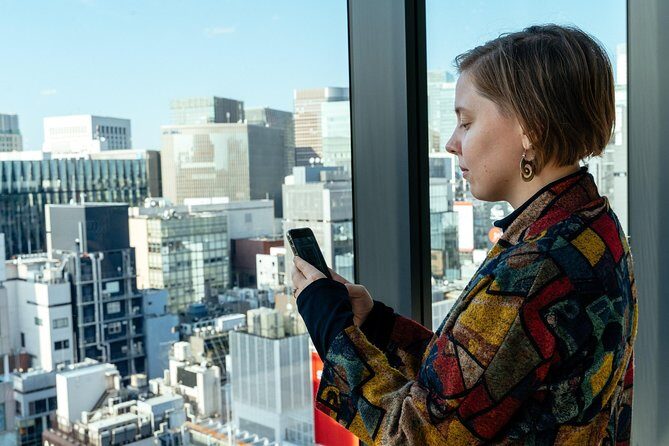
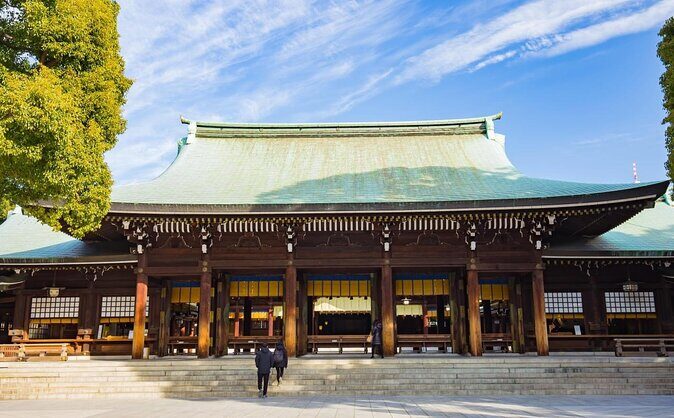
About 30 minutes later, you shift to Meiji Jingu Shrine, another 30-minute stop. The contrast is real: from the loud energy of Shibuya to a place designed for quiet, reflection, and ceremony.
This part is valuable because it changes your body’s rhythm. Walking through a crowd is one kind of energy drain. Walking into a shrine environment is a different kind—you slow down without forcing it, and that makes the visit feel more meaningful.
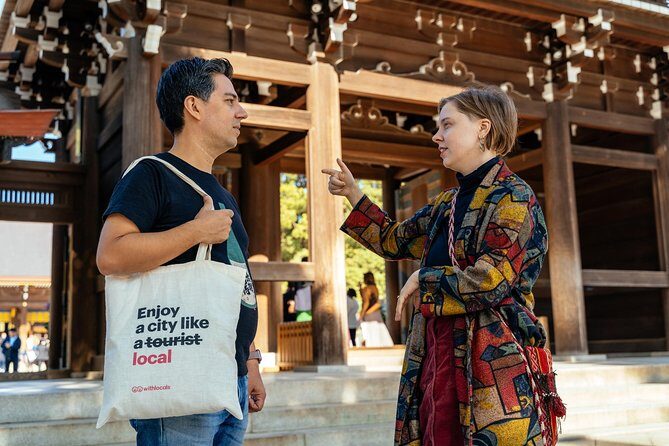
Meiji Jingu is dedicated to Emperor Meiji and his consort Empress Shoken, and a guide can help you understand what you’re seeing as you move through the grounds. Even if you only spend a short time, you’ll come away with a clearer sense of why the shrine is such an important cultural anchor.
Practical tip: build in a bit of space for the quiet moments. Don’t turn it into a rushed photo stop. You only have about 30 minutes here, so decide early if you want more photos or more understanding.
Getting There, Meeting Point, and How the Tour Flows
The tour meets at 2 Chome Dogenzaka, Shibuya, Tokyo 150-0043. It ends back at the same meeting point. That round-trip structure is helpful because Shibuya is complicated—knowing you’re not stranded across town matters.
There’s no hotel pickup or drop-off, so you’ll want to plan how you get to Dogenzaka on your own. The tour is near public transportation, which keeps things sane even if you’re not a Tokyo transit expert yet.
The tour is also listed for moderate physical fitness. It’s a walking tour, so wear shoes you can trust. If your feet hate long days, this still may be fine, since it’s only around three hours total.
One more thing: the tour uses a mobile ticket. Bring your phone with the ticket ready so you can check in without delays.
Guides, Personalization, and Why the Best Tours Feel Effortless
This is where the experience really shines. The overall feedback score is 4.9 with 98% recommending it, and the comments repeatedly point to guides who adapt quickly to what the group wants.
You’ll see names like Sheilina Toh, who was praised for tuning in right away for a group of five women. You’ll also see Gulay mentioned for flexibility, good pacing, and cultural explanations that made the contrast between shrine calm and Shibuya crowds feel meaningful.
Other guide names appear too, including Carlos (English and history at Hachiko), RamK/RamKy (customizing the tour and helping with transit for first-timers), Sena (friendly, detailed background), and Glenda (making people feel at home). That spread of guide styles matters: it suggests the core value is not one scripted script, but the ability to tailor the experience.
If you’re into specific themes, this private format is your friend. The tour description notes you can tailor it—anime, traditional arts, or whatever you care about most. And in the feedback, guides were also praised for making practical detours that improved the day, like pointing out where to exchange money or helping track down a specific snack for kids. Those small adjustments can turn a good tour into one you remember.
One caution, just so you’re not surprised: there is one outlier in the overall feedback where a guide didn’t show up. The company response included an apology and a promise to improve service. It’s rare, but if you’re the type who needs airtight certainty, consider building a small buffer into your day.
Should You Book This Shibuya and Kinza Private Tour?
Book it if you want a well-paced introduction to Tokyo’s Shibuya area that doesn’t leave you overwhelmed. This is especially smart as a first or second day plan: Shibuya Crossing gives you the headline moment, and Meiji Jingu gives you the balance. The private format helps you ask questions and move at a comfortable speed.
It may not be the best fit if you want a ticket-heavy “see everything” itinerary. The tour is focused on standout sights and cultural context, not a long list of paid attractions. Also, if your schedule doesn’t allow you to make it to the Dogenzaka meeting point on time, factor that in.
If you do book, do two things: tell your guide what you want most (crowds, fashion, history, anime spotting, food ideas), and wear shoes you can walk in comfortably. That’s what will let you get the full benefit of the short 3-hour structure.
FAQ
How long is the Shibuya and Kinza private tour?
It runs for about 3 hours.
What does the tour cost?
The price is $142.70 per person.
Is this a private tour?
Yes. It’s private, exclusively for your group, and you’ll have only you and your local guide.
What’s included in the price?
You get a private tour and local guide, plus 1 local drink or tasting. The tour is also CO2 neutral, with emissions offset.
Are tickets included for attractions?
The stops listed here show admission ticket free. Optional attraction tickets are not included.
Where do we meet and where does it end?
You meet at 2 Chome Dogenzaka, Shibuya, Tokyo 150-0043, Japan. The tour ends back at the same meeting point.
Is there free cancellation?
Yes. You can cancel for a full refund up to 24 hours in advance.