REVIEW · TOKYO
Mt.Fuji Hakone Day Tour With Lake Ashi Cruise, FREE Ropeway
Book on GetYourGuide →Operated by Tour Easy · Bookable on GetYourGuide
One day, four classic Fuji views. The Mt. Fuji Hakone route strings together shrine stairs, Lake Ashi panoramas, volcanic steam, and crystal ponds, all guided and timed for photo stops.
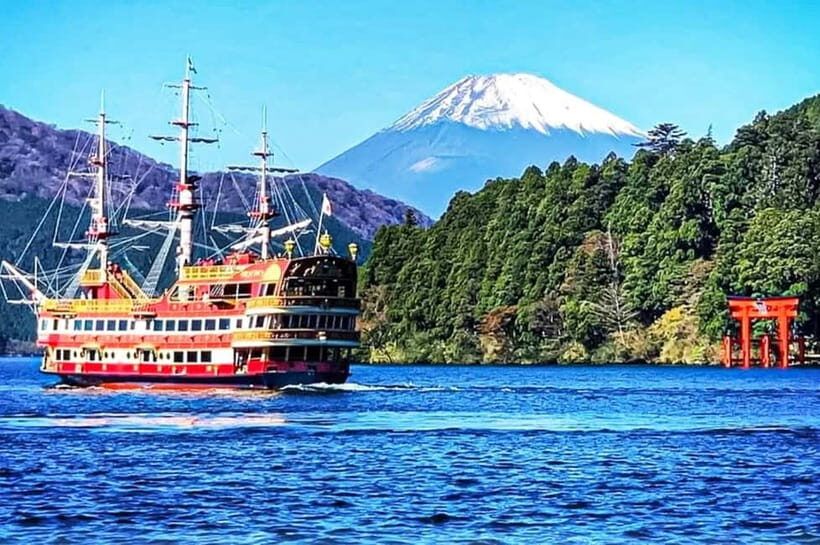
I really like the way the day mixes big-view moments with calm walks. I also love the Hakone Pirate Ship time on Lake Ashi, because the torii gate and Fuji look different every few minutes.
The main catch is that Mt. Fuji visibility depends on weather, and traffic can shuffle the schedule, so keep your next plans flexible.
In This Review
- Key things to know before you go
- A Fuji-Focused Day Trip from Tokyo: What the 10 Hours Feel Like
- Pickup, Bus Time, and Why Start Point Matters
- Hakone Shrine and That Red Torii Moment Behind the Cedar Trees
- Lake Ashi Cruise and the Hakone Pirate Ship View Strategy
- Hakone Ropeway and Owakudani: Volcanic Steam, Rope Views, and Black Eggs
- Lake Yamanaka Swan Bay: A Softer Fuji Photo Stop
- Oshino Hakkai’s Eight Ponds: Where Clear Water Does the Talking
- Price and Value: Is $58 a Good Deal for This Fuji Day?
- Who Should Book This Tour (and Who Should Skip It)
- The Small Stuff That Makes the Day Go Smoothly
- Should You Book This Mt. Fuji Hakone Day Tour?
- FAQ
- How long is the Mt. Fuji Hakone day tour?
- What’s included in the tour price?
- Is lunch included?
- Do I need to pay extra for the Lake Ashi cruise?
- Is Mt. Fuji guaranteed to be visible?
- What languages are the guides available in?
- Is this tour wheelchair accessible?
Key things to know before you go
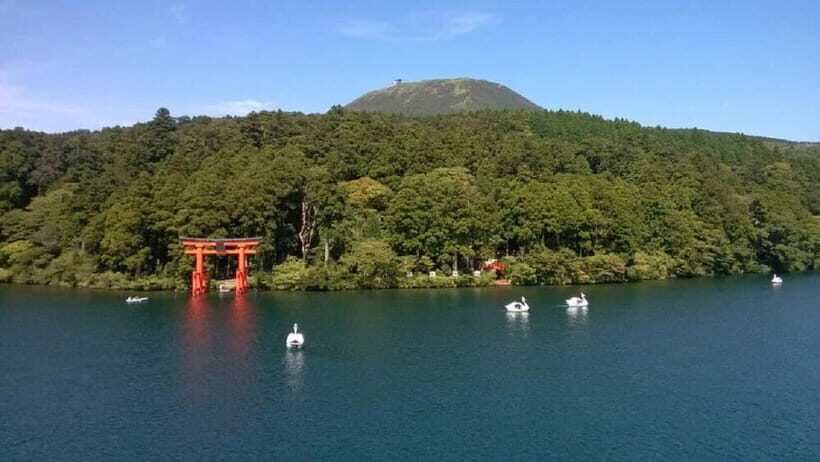
- Torii + cedar forest at Hakone Shrine: quick stop, huge payoff if the sky cooperates.
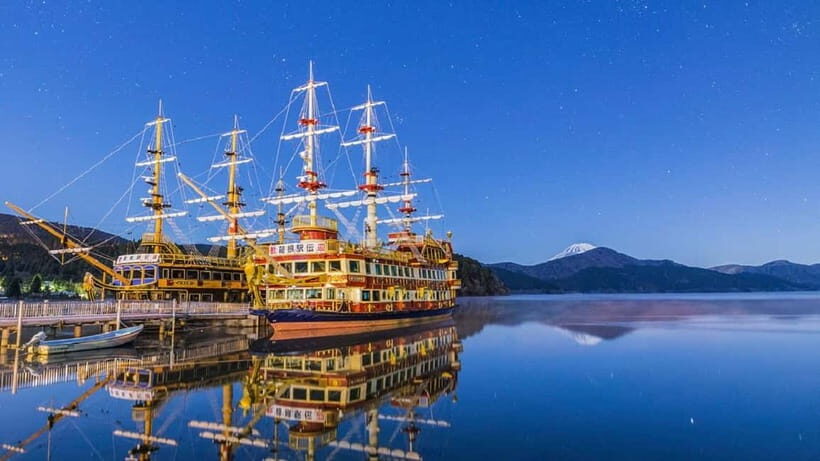
- Lake Ashi on the pirate-style ship: panoramic views with that famous red gate in-frame.
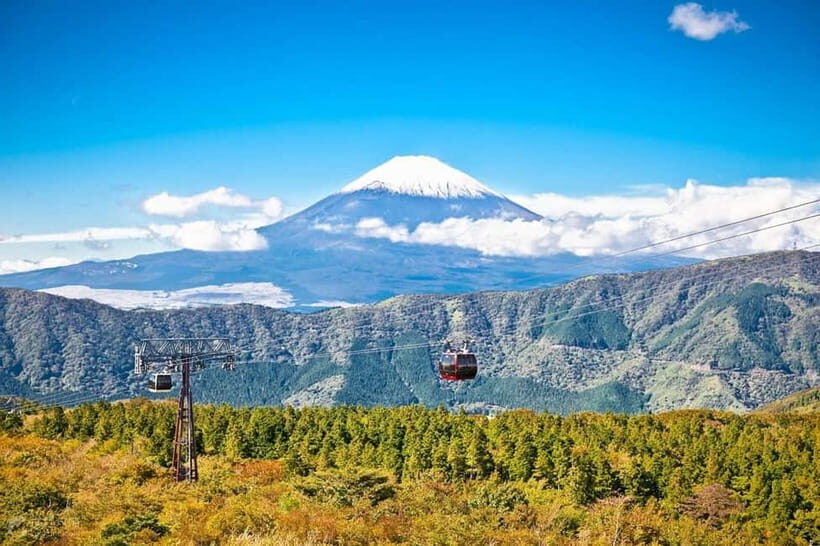
- Owakudani by ropeway: volcanic steam, sulfur air, and the black egg tradition.
- Lake Yamanaka Swan Bay: calmer waters for softer Fuji photos.
- Oshino Hakkai’s eight ponds: clear water reflections and an easy village stroll.
A Fuji-Focused Day Trip from Tokyo: What the 10 Hours Feel Like
This tour is built around one idea: giving you multiple chances to see Mt. Fuji from different spots without having to plan trains and tickets on your own. In a single day, you’ll hit Hakone Shrine, Lake Ashi, Owakudani, Lake Yamanaka, and Oshino Hakkai—each with a slightly different vibe and a different angle of the mountain.
The pacing is tour-style, not slow travel. You’ll walk, take photos, and hop back on the bus. Still, the stops are long enough to enjoy the sites, wander a bit, and not feel like you’re sprinting the whole day. On past departures, guides like Jack and Kousei (also Tom and Andrew) were praised for keeping the group organized and explanations clear across languages.
One more reality check: Fuji is weather-dependent. If clouds roll in, you’ll still get scenic Hakone and classic sights—but you might not get the crisp mountain silhouette you came for.
You can also read our reviews of more boat tours in Tokyo


Pickup, Bus Time, and Why Start Point Matters
You’ll meet the group for a round-trip coach ride from Tokyo. Your exact meeting point can vary by option, with one listed pickup near Stand T at Tokyo MODE Gakuen. If you’re choosing this tour on a tight schedule, plan to arrive early enough to find your guide without stress.
The drive is long by city standards—about 2.5 hours outward—so treat the bus time as part of the experience. It’s also where you’ll get the “how the day runs” briefing. If you prefer clarity (what you need, where you’ll go next, what’s optional), this tour format works well.
Small practical note: no food is allowed in the vehicle. That means you’ll want a plan for snacks (for after the bus stops), and you shouldn’t stash a meal expecting to eat mid-drive.
Hakone Shrine and That Red Torii Moment Behind the Cedar Trees
Hakone Shrine is the day’s early “wow” stop. You walk through stone steps under tall cedar trees, with moss and shade doing most of the work for the atmosphere. The goal here is simple: get you to the edge of the scene where the lake view opens up.
Then comes the iconic framing: the red torii gate with Mt. Fuji rising behind it (when weather allows). Even when Fuji is partially obscured, the setting still feels special because the shrine grounds are designed to slow you down a touch. This is one of those places where you’ll want to pause and look, not only shoot.
What I like about this stop: it gives you a classic Fuji scene without needing big-ticket rides right away.
What to consider: it can be crowded at peak times, so early in the morning helps—but you’ll still share the view with other photographers.
Lake Ashi Cruise and the Hakone Pirate Ship View Strategy
Lake Ashi is where Hakone turns from forest-and-stone into open water and wide-angle scenery. If you opt in, you’ll board the Hakone Pirate Ship for a cruise with panoramic views. The cruise is optional, and you may need to purchase the ticket on the day with help from your guide. Expect it to cost around 1,700 JPY.
Why the boat time is worth it: from the water, the torii gate and the coastline shift around you. That means you’re not just getting one view—you’re getting a rolling set of views as the ship moves. It also breaks up the bus rhythm, which matters because your feet will be used a few more times later.
A smart move: if the sky looks promising, spend a bit more time at the railing and rotate your camera angle. Mt. Fuji can show up through gaps in clouds, and the boat is one of the best places to catch it.
Possible drawback: optional means optional. If you skip the cruise, the tour can route you by bus toward the ropeway area, so you won’t be stranded—but you will trade the ship experience for more land time.
Hakone Ropeway and Owakudani: Volcanic Steam, Rope Views, and Black Eggs
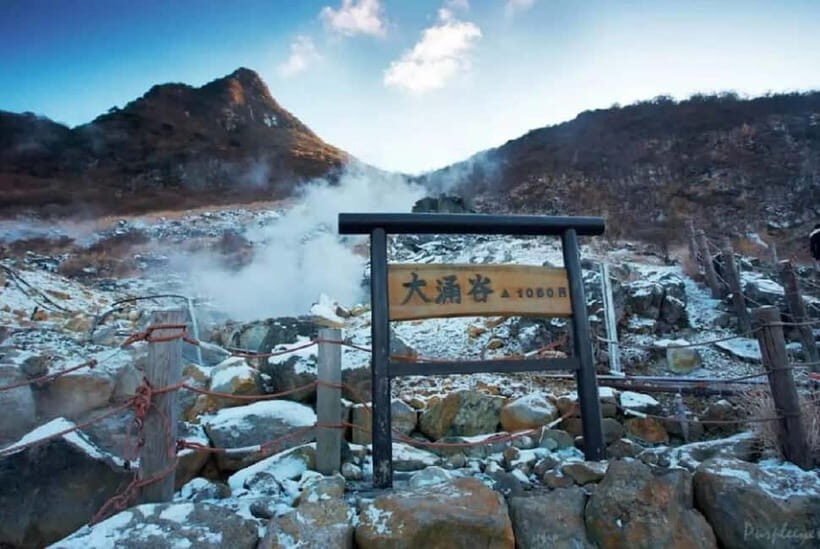
This is the “wow, that’s real” portion of the day. The Hakone Ropeway ride takes you up over volcanic terrain, and as you approach Owakudani Valley, the scene changes quickly—steam, sulfur air, and a distinctly volcanic feel.
Owakudani is also where the famous black eggs come in. You’ll be able to try the legendary black eggs, a tradition tied to the idea that eating them brings extra luck or longevity (the tour notes that each egg is said to add seven years of life). Even if you don’t eat one, the area is still worth seeing because of the steam vents and dramatic atmosphere.
What I like here: the ropeway segment gives you a different kind of “Fuji context.” You’re high enough to understand how these volcanic valleys sit around the lake and mountain.
What to consider: it’s a photo-friendly stop that can still feel crowded, and the steam can make visibility hazy on bad-weather days. Dress for cool air and bring a layer you can tolerate when the wind picks up.





Lake Yamanaka Swan Bay: A Softer Fuji Photo Stop
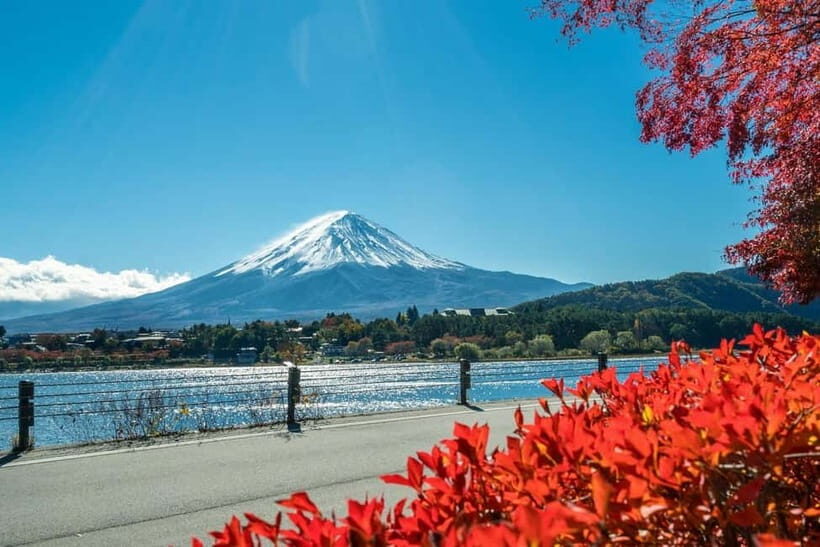
After the heat-and-steam of Owakudani, Lake Yamanaka feels calmer. At Swan Bay, you’ll see swans gliding across the water, and on clear days you may catch Mt. Fuji rising in the background.
This is a good stop for “slow down” pictures—clean reflections, peaceful framing, and a change from the volcanic grit earlier in the day. It’s also a practical break for your legs. You’ll still walk, but it doesn’t have the same steep intensity as earlier stops.
A tip for better photos: try a mix of angles—some shots with swans in the foreground, others aimed higher for Fuji. If Fuji is thin behind clouds, the lake often gives softer, more forgiving composition.
Oshino Hakkai’s Eight Ponds: Where Clear Water Does the Talking
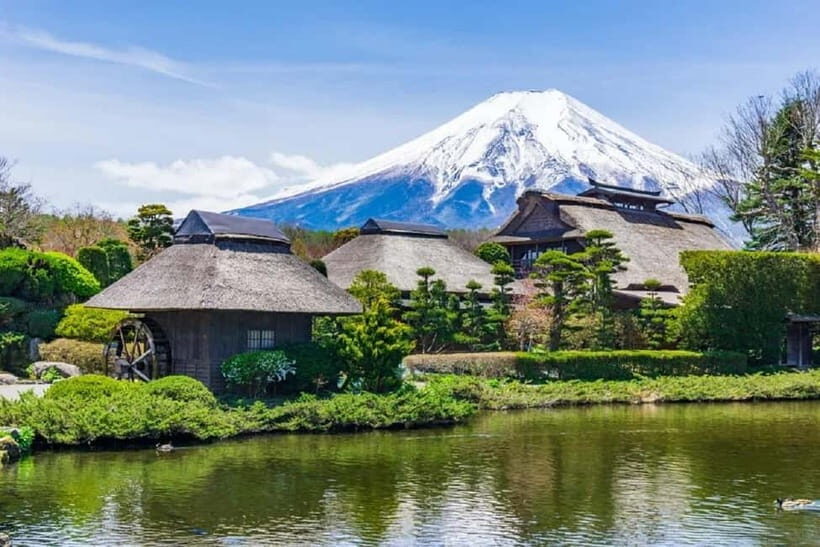
Oshino Hakkai is a village built around spring-fed ponds, famous for their clarity and Mt. Fuji reflections when conditions align. You’ll visit the eight crystal-clear ponds in the area, with traditional thatched houses and wooden bridges nearby—easy to move through on foot.
This stop is where the day turns from “big views” to “small, steady beauty.” The ponds show you pebbles and plants below the surface, which is why photographers like it. If you’re the kind of person who enjoys slow wandering and details, you’ll likely be happiest here.
What to expect: a guided walk through the area and time for photos.
What to consider: like the other classic spots, it can get busy—especially on weekends and holidays—so start early in your mind-set. Get your top photo, then relax.
Price and Value: Is $58 a Good Deal for This Fuji Day?
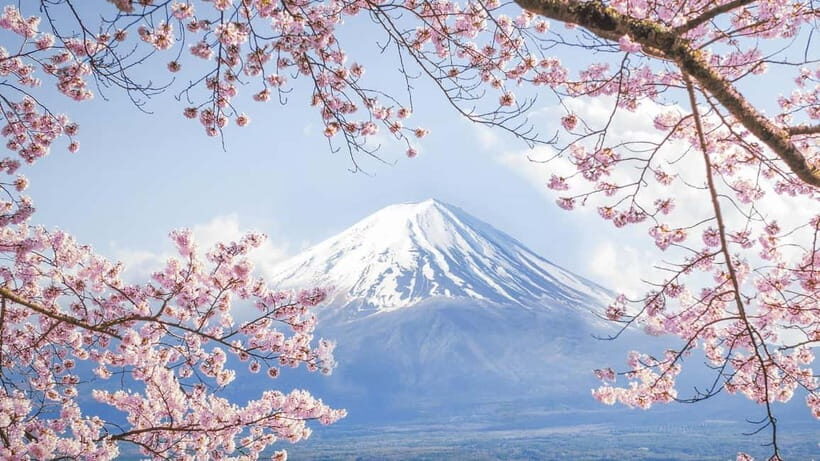
At about $58 per person for a roughly 10-hour day, the value comes from what’s included, not the headline price. This tour includes round-trip transportation from Tokyo, a tour guide, a driver, parking fees, and a ticket for the ropeway. Those items add up fast if you were trying to piece everything together yourself.
The money you’ll likely add is mostly optional or food-related:
- The Lake Ashi cruise is optional (around 1,700 JPY), and you might buy it with your guide help on the day.
- Lunch isn’t included. There’s a lunch time slot built into the day, and you can buy food at the stops or at a recommended restaurant. Based on the day’s flow, plan to spend extra for lunch and a few small purchases.
If you’re comparing this against DIY travel, the real savings is time and stress. You’re outsourcing routing, ticket coordination (at least for the major add-ons), and timing—so you can focus on enjoying the sights.
Who Should Book This Tour (and Who Should Skip It)
This is a great fit if you want:
- A one-day Fuji sampler with multiple classic stops
- A guided day where someone handles the “what’s next” parts
- Clear English (plus Japanese and Chinese support), especially if you prefer not to navigate alone
It’s less ideal if:
- You’re in a wheelchair. The tour specifically notes it isn’t suitable.
- You hate crowds. The scenic spots can be busy, especially weekends and holidays.
- You want full control over timing. This is a shared group day, so the schedule is set with minimal flexibility.
It also helps if you can accept one common Mt. Fuji reality: sometimes the mountain shows up beautifully, and sometimes it hides behind weather. The guide and schedule still get you to the key places either way.
The Small Stuff That Makes the Day Go Smoothly
These details matter more than people think:
- Bring cash. Some local shops don’t accept cards, and you’ll want it for personal expenses and any optional tickets.
- Wear comfortable shoes. You’ll do walking at multiple stops.
- Dress for weather changes. Hakone can feel cooler, windier, and cloudier than central Tokyo.
- Plan for later return times if traffic, bad weather, or holiday congestion hits. The tour suggests leaving your next plans open.
Also, remember it’s a shared group with participants from different countries. That’s actually a plus if you like meeting people, but it does mean you’ll sometimes wait a bit during check-ins and re-grouping.
Should You Book This Mt. Fuji Hakone Day Tour?
Book it if you want a well-structured day that hits the main “Fuji hits” in one go—especially Hakone Shrine torii views, Lake Ashi water panoramas, Owakudani steam, and Oshino Hakkai ponds. The included ropeway ticket and the guided coordination are the big value drivers.
Skip it or consider a different format if your priority is total independence, you can’t handle crowds, or you need wheelchair-friendly routes.
If you’re flexible and you’re okay with the chance of clouds hiding Fuji, this is a strong choice for a memorable day outside Tokyo without turning your vacation into logistics work.
FAQ
How long is the Mt. Fuji Hakone day tour?
The duration is about 10 hours.
What’s included in the tour price?
It includes round-trip transportation from Tokyo, a tour guide, a driver, parking fees, and a ticket for the ropeway.
Is lunch included?
No. Lunch is not included, and you’ll need to bring your own food or buy food at the attractions or a restaurant recommended by the guide.
Do I need to pay extra for the Lake Ashi cruise?
Yes. The Lake Ashi cruise is optional and costs around 1,700 JPY. The guide can help you buy the ticket on the day.
Is Mt. Fuji guaranteed to be visible?
No. Visibility depends on weather conditions, so plan for the possibility that Fuji may be partially hidden by clouds.
What languages are the guides available in?
The live tour guide provides explanations in English, Japanese, and Chinese.
Is this tour wheelchair accessible?
No. The tour is not suitable for wheelchair users.