REVIEW · TOKYO
Tokyo Asakusa & Senso-Ji Walking tour With A Guide
Book on GetYourGuide →Operated by Guydeez Tours · Bookable on GetYourGuide
Two hours, and Asakusa finally makes sense. A private guide shows you Asakusa and Senso-ji in a way that turns postcard spots into practical, human Tokyo.
I especially like how the walk mixes major landmarks with street-level context. You get Nakamise Shopping Street flavor and then the quieter backstreets where the district feels lived-in. I also like the private format, so your questions don’t get squeezed into the end of the line.
One drawback to consider: the value can depend on how much your guide is willing to explain in detail. If you want lots of on-the-spot commentary, it’s smart to be ready with what you want to know before you start.
In This Review
- Key things to know before you go
- First Steps at Asakusa: Getting Oriented Fast
- Tokyo Skytree Photo Stop: A Skyline Marker for the Day
- Asakusa Streets and Nakamise Shopping: What to Notice as You Walk
- Sumida Park Along the River: A Reset Between Big Sights
- Sensō-ji Through Kaminarimon Gate: The Temple Moment That Anchors It All
- Private, Multilingual, and Custom: Why the Format Matters
- Price and Value at $53 for a Private 2-Hour Walk
- Who This Tour Fits Best (and Who Might Want Something Different)
- Should You Book This Asakusa and Sensō-ji Walking Tour?
- FAQ
- How long is the Asakusa & Senso-ji walking tour?
- Where is the meeting point?
- Is this tour private?
- What languages are available for the live guide?
- Is the tour wheelchair accessible?
- What is included in the price?
- Are drinks or food included?
Key things to know before you go
- Private and exclusive: it’s just your group, not a shared herd.
- A focused 2-hour loop: you’ll hit the main sights without wasting time.
- Skytree + old-town contrast: photo time for the skyline, then temple streets below.
- Nakamise Street guidance: you’ll get help spotting what to buy and what to skip.
- River pause at Sumida Park: seasonal scenery and a calmer pace between temple moments.
First Steps at Asakusa: Getting Oriented Fast
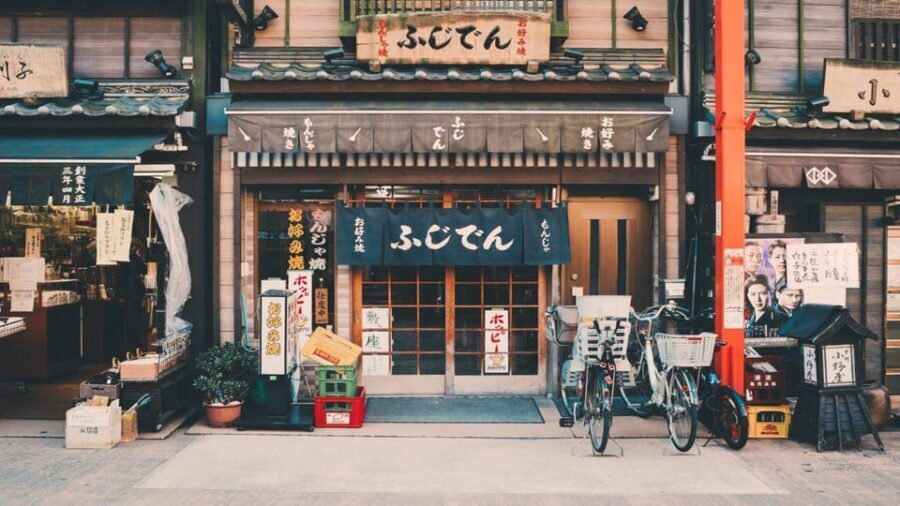
The meeting point is the front of Asakusa, at 1 Chome-8-13 Nishiasakusa, Taito City, Tokyo 111-0035. It’s a good anchor because Asakusa is where the transit, the temple crowds, and the souvenir lanes all overlap.
From there, the guide keeps things simple: you start walking, and you gradually understand where everything fits. That matters in Asakusa, because the area can feel a little chaotic at first. Having a human guide helps you read the district instead of just watching it.
Also, this tour is offered in English, French, Spanish, and Italian. If you’re traveling with limited Japanese, that language support is a real part of the value, not a bonus.
You can also read our reviews of more walking tours in Tokyo
Tokyo Skytree Photo Stop: A Skyline Marker for the Day
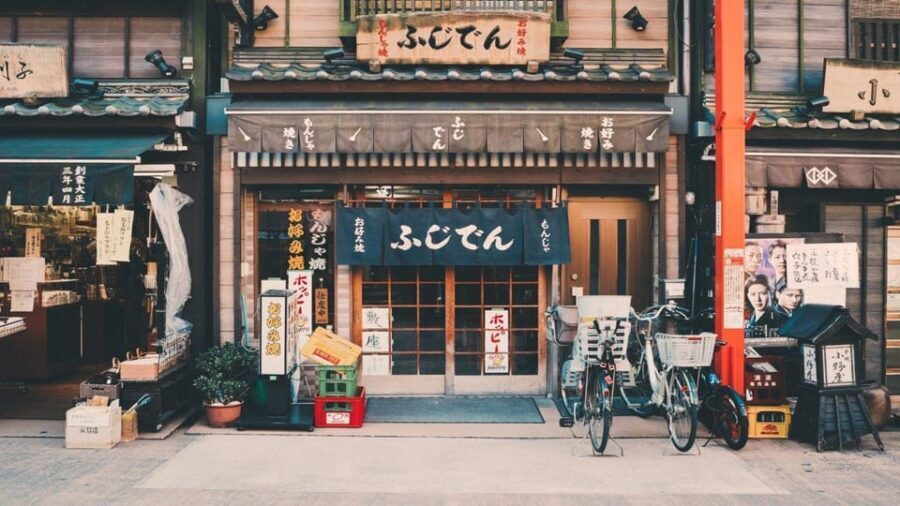
Your first big sight stop is Tokyo Skytree, with time for a photo stop and a guided visit before you head deeper into the older district. Even if you don’t plan a long Skytree detour, getting that skyline visual early helps you place Asakusa in the bigger map of Tokyo.
I like this kind of start because it gives you a mental frame. You see the modern landmark first, then you go walk the older streets right after.
A consideration: the Skytree segment is only part of the overall 2-hour plan. If you’re hoping for a long, slow experience up there, this specific tour is better seen as a photo-and-orientation stop, not a full Skytree day.
Asakusa Streets and Nakamise Shopping: What to Notice as You Walk
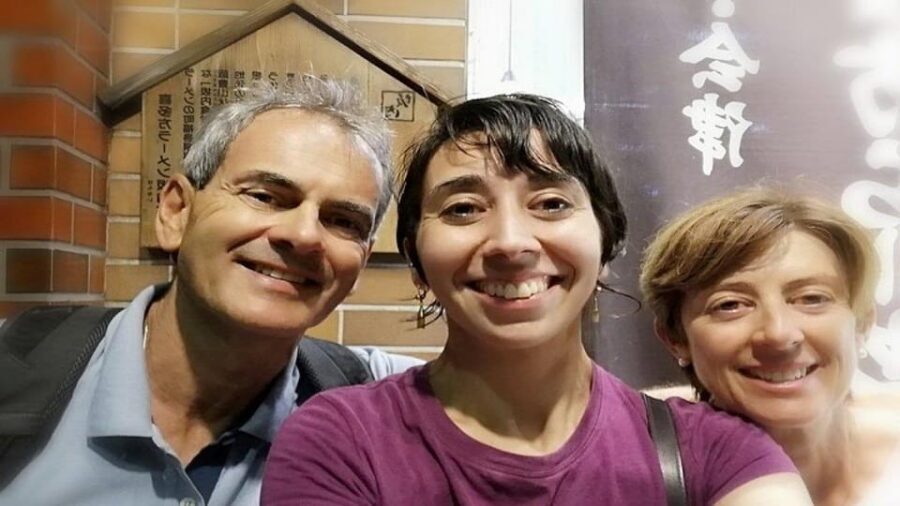
After the Skytree stop, you move into Asakusa proper, where the guide works as your filter. The big target here is Nakamise Shopping Street, the classic market lane that leads toward Sensō-ji.
You’ll pass traditional stalls selling typical Asakusa souvenirs, snacks, and crafts. The practical value of having a guide is learning how to shop without getting stuck. Ask what’s worth buying and what tends to be aimed at tourists, and you’ll save time and yen.
One of the best parts of Asakusa is the contrast between the main approach and the side streets. Your route includes quieter lanes with traditional-style architecture and a more local feel. This is the portion where you can slow down, look at everyday details, and understand how the district functions beyond the main temple funnel.
If you’re picky about pacing, this is where you’ll feel the benefit of a private tour. Your guide can adjust the walk length and focus based on what you want to see.
Sumida Park Along the River: A Reset Between Big Sights
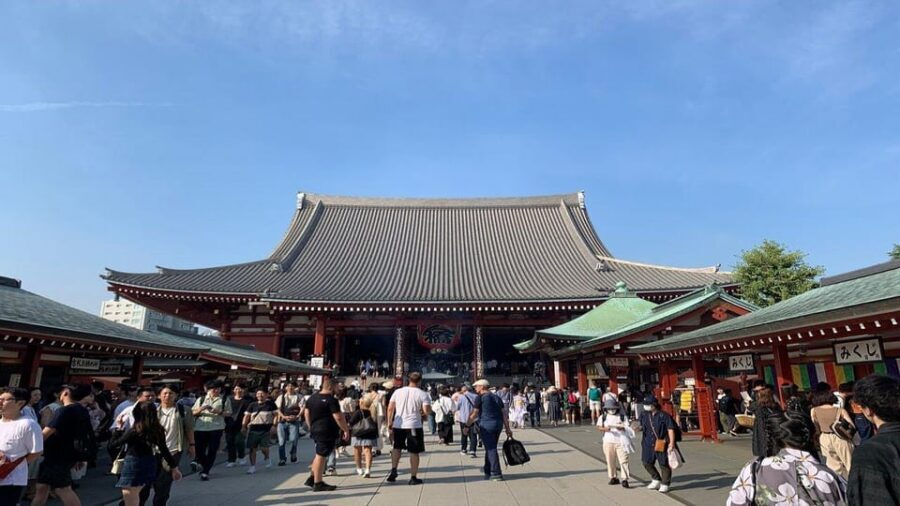
Next up is Sumida Park along the Sumida River. This stop is timed as a breather, and that’s smart. Temple streets can be intense, especially near the main approach, so the park gives you a calmer moment to reset your eyes and your legs.
Depending on the season, the park may have cherry blossoms. Even when it’s not peak bloom, river views add variety to the day and help you remember you’re in Tokyo, not inside a single shrine corridor.
The guide’s job here is simple but useful: point out where the best views are and what you’re looking at. If you like photographing skyline-to-river scenes, you’ll probably appreciate this segment.
A consideration: parks mean open air, so plan for weather. Bring layers you can peel on and off, because Tokyo weather can shift quickly.
Sensō-ji Through Kaminarimon Gate: The Temple Moment That Anchors It All
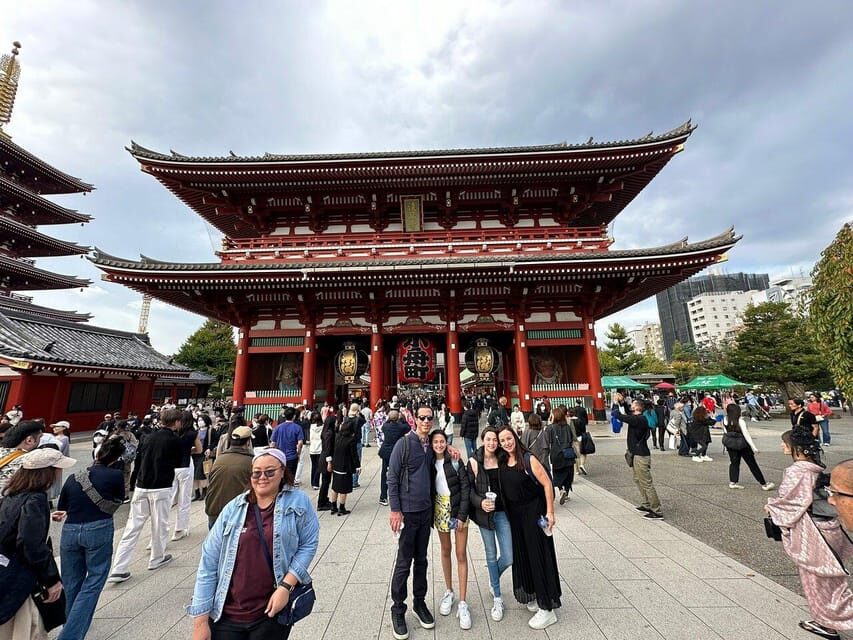
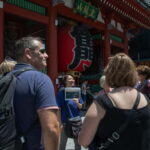
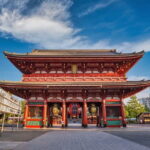
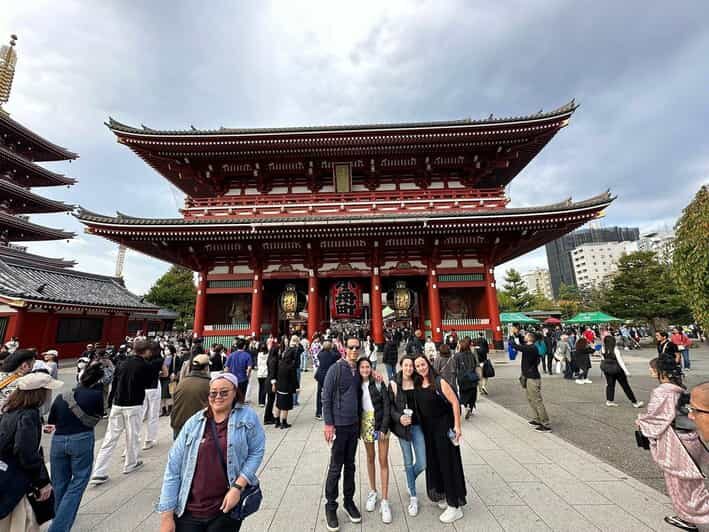
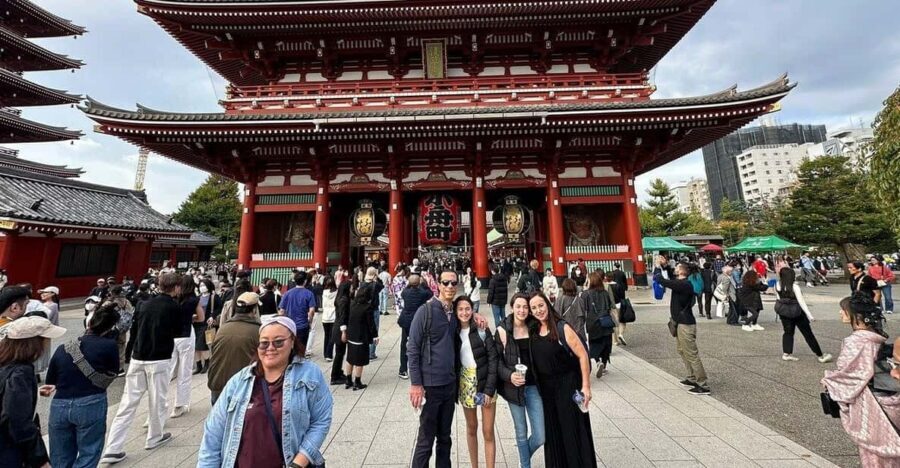
This is the centerpiece: Sensō-ji, Tokyo’s oldest temple. Your route brings you past the Kaminarimon Gate, famous for the massive red lantern, and that’s one of the classic Asakusa photo angles.
What makes this stop work with a guide is context. The guide shares stories and historical insights, plus the cultural meaning behind what you’re seeing. Without that, you can get the temple visuals but miss the why.
Then comes the moment where the walking route and the cultural route overlap. You don’t just arrive at a gate and move on. You pass through the temple approach with an explanation of how people flow, what areas are for viewing, and what details are worth paying attention to.
This is also where you’ll likely see the most visitors. A private guide helps you avoid aimless wandering. You’ll know when to stop for photos, when to keep moving, and how to keep your attention on the parts of the experience that matter.
One practical note: since food and drinks are not included, you may want to carry water. If you do buy snacks from Nakamise, plan to finish them away from the densest crowd areas so you’re not juggling paper bags while trying to look around.
You can also read our reviews of more guided tours in Tokyo



Private, Multilingual, and Custom: Why the Format Matters
This is a private walking tour, so it’s exclusive to your group. That changes the whole feel. You can ask real questions instead of saving them until the very end, and your guide can slow down when you want a closer look.
Customization is explicitly part of the experience too. If you want more time on photos, or more time in the side streets, you can ask for that shift. If you have mobility needs beyond wheelchair access, tell the guide so they can pace accordingly.
About guide style: one name that came up is Nicolas, who was praised for being very instructive and for explaining Japanese culture and history clearly. Another note from the same overall idea of great guiding is flexibility. There was at least one situation where a start time needed adjusting, and the guide handled the change without drama.
The flip side is that not every guide approach hits the same depth. Some people felt they didn’t get enough of an explanatory picture of the neighborhood and the small curiosities. So if you love details, don’t be shy about asking.
Price and Value at $53 for a Private 2-Hour Walk
At $53 per person for 2 hours, you’re paying for time, access to a guide, and a route that’s already decided for you. This isn’t a budget “stand near the front and follow me” experience. It’s meant to be a guide-led walk where you trade a little flexibility for interpretation.
That price can be strong value if you’re using the guide for exactly what you care about: history context, practical advice, shopping pointers, and a smarter route through the temple area. The tour’s highlights explicitly include valuable advice for other things to do, which is where you can “earn back” the cost. A good local suggestion outside the tour can change your whole itinerary.
It may feel less worth it if you prefer lots of free-form discovery without structured explanation. One caution that surfaced is that the quality of the walking commentary can make-or-break the value feeling. If you’re someone who wants dense, detailed talk every step of the way, you should communicate that in advance.
Also remember what’s not included. Drinks and food aren’t covered, so factor in your own water and any snacks you want while walking Nakamise.
Who This Tour Fits Best (and Who Might Want Something Different)
This tour is a good match if you’re:
- First-time visitors to Asakusa who want a smart orientation.
- People who like temples but also want the surrounding street life explained.
- Travelers who prefer private pacing and customized attention.
- Anyone who appreciates being shown what to notice, not just where to stand for photos.
It might not be the best fit if you already know Asakusa well and you want a more independent food crawl. Also, if you want a longer temple experience or detailed museum-level talking, a 2-hour format can feel short.
For the best outcome, treat it like a conversation. If you come prepared with 2 or 3 topics (temple meaning, local customs, what to buy at Nakamise, how Asakusa connects to the rest of Tokyo), you’ll get more out of the guide time.
Should You Book This Asakusa and Sensō-ji Walking Tour?
Book it if you want an organized, private 2-hour walk that combines the big temple moment with the street texture that makes Asakusa memorable. The route hits the essentials—Kaminarimon, Nakamise Street, Sumida Park, and the calmer backstreets—without eating your whole day.
Don’t book it blindly if you’re the type who needs a very detailed, talk-heavy guide. In that case, message your expectations up front and be ready to steer the conversation early. This tour works best when you and your guide are aligned on what you want to learn and what you want to photograph.
If you like a plan you can trust, with room to ask questions and adjust the pace, this is a solid pick for getting oriented fast in one of Tokyo’s most classic districts.
FAQ
How long is the Asakusa & Senso-ji walking tour?
The tour lasts 2 hours.
Where is the meeting point?
Meet at the front of Asakusa, 1 Chome-8-13 Nishiasakusa, Taito City, Tokyo 111-0035.
Is this tour private?
Yes. It’s a private and exclusive tour, with no one else in your group.
What languages are available for the live guide?
The live tour guide is available in English, French, Spanish, and Italian.
Is the tour wheelchair accessible?
Yes, the tour is wheelchair accessible.
What is included in the price?
The included items are a private tour guide and a private, exclusive tour that can be customized.
Are drinks or food included?
No. Drink or food is not included.