REVIEW · NARA
Nara: UNESCO Heritage Sites & Deer Park Tour with Pro guide
Book on GetYourGuide →Operated by Trip with Goku · Bookable on GetYourGuide
Three sacred stops, plus deer snacks. This Nara tour strings together Shinto, Buddhism, and UNESCO sights in a tight 3-hour loop.
What I like most is the pacing and the help you get in the important places. You start at Nara Park to feed the deer with shika-senbei, then move into Kasuga Taisha’s lantern-filled world, and finish at Todai-ji to see the world’s largest bronze Buddha statue.
One consideration: it is still a walking tour, and it is not suitable for back problems or wheelchair users. You’ll want comfortable shoes, and you’ll need to follow the guide’s instructions around the sacred deer.
In This Review
- Key points you’ll care about
- Why this Nara plan works in just 3 hours
- Nara Park first: shika-senbei and Shinto symbolism
- Kasuga Taisha Shrine and its ancient forest setting
- Todai-ji Temple and the Great Bronze Buddha inside a huge wooden hall
- The guide matters: Goku’s style and the value of real local advice
- Price and value of an $83 private UNESCO tour
- What to bring (and what to avoid) for a smoother day
- Who this tour suits best (and who should skip it)
- Should you book this Nara UNESCO tour?
- FAQ
- Where is the meeting point for the tour?
- How long is the tour?
- Is hotel pickup included?
- What does the price include?
- Are meals included?
- What language options are available for the guide?
- Are there any rules about photos?
- Is the tour accessible for wheelchairs?
Key points you’ll care about
- Small group (up to 10) means less waiting and more time for real questions
- Deer feeding with included shika-senbei crackers at Nara Park
- Kasuga Taisha’s ancient forest and iconic lantern atmosphere, explained by your guide
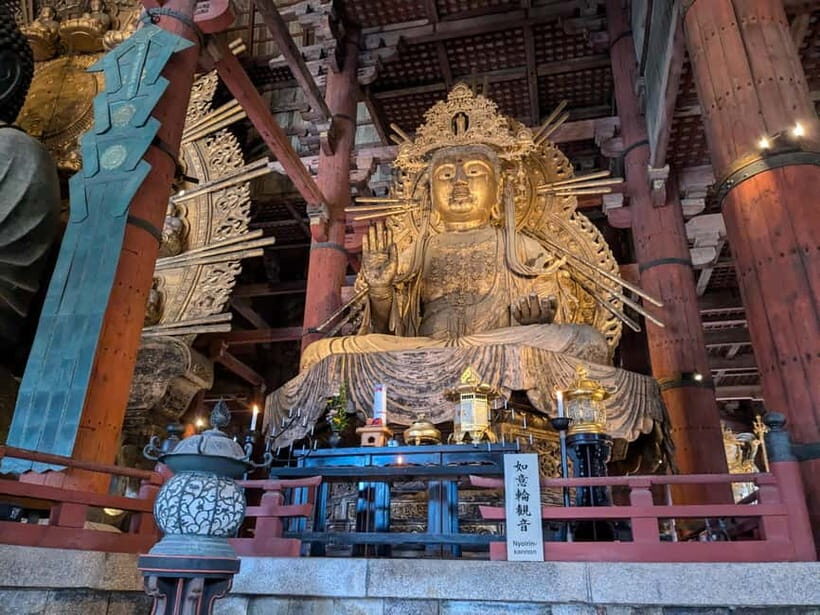
- Todai-ji’s Great Bronze Buddha in one of the world’s largest wooden buildings
- Pro local guidance that helps you move efficiently, including skipping long queues
Why this Nara plan works in just 3 hours
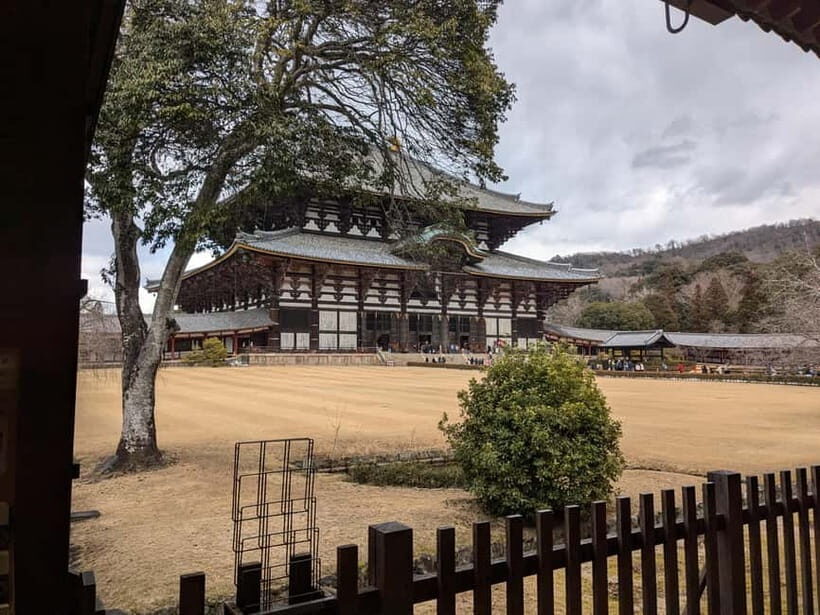
Nara can eat your day if you wander without a plan. This tour keeps you on track with a simple order: Nara Park first, then Kasuga Taisha, and finally Todai-ji. In a short window, you get the three places most people come to Nara for, plus context that turns photos into understanding.
The group size matters. With a max of 10 people, you get more than a loud headset tour. You’ll still be walking, but the experience stays human-sized, and your guide can adjust to your pace.
Also note the logistics up front: there is no hotel pickup or drop-off. You’ll meet at the red torii of Himuro Shrine. If you’re staying in central Nara or can get there easily, that’s a non-issue. If you’re far out, plan your arrival time carefully so you’re not rushing the start.
You can also read our reviews of more guided tours in Nara
Nara Park first: shika-senbei and Shinto symbolism
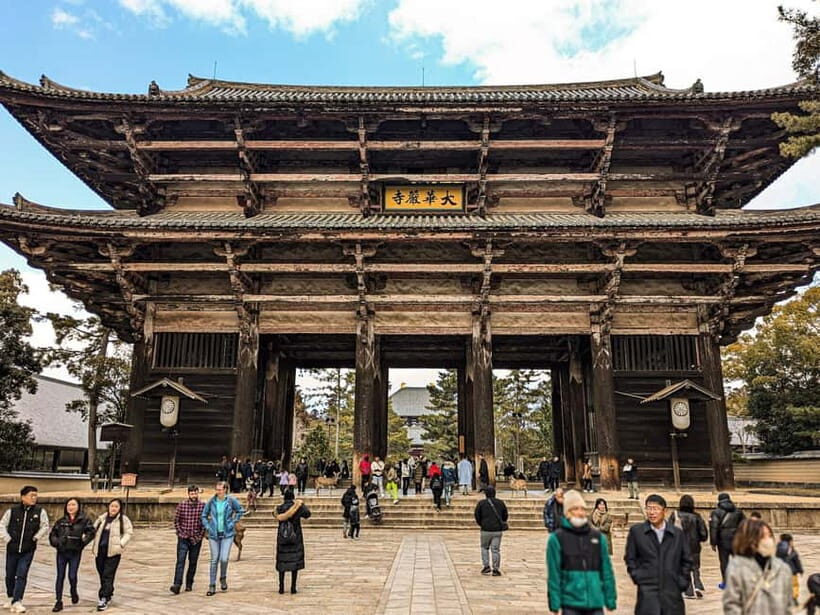
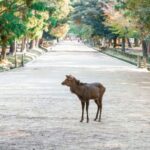
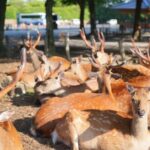
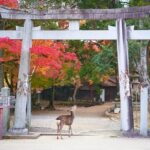
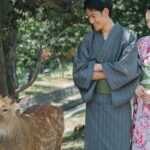
Starting at Nara Park is smart because the atmosphere is immediate. The deer roam freely, and you get special shika-senbei crackers to feed them. This is one of the few tourist moments in Nara that feels both fun and meaningful at the same time, because the deer connect to Shinto beliefs.
What makes the guide useful here is behavior. You are told to be respectful to the sacred deer and to follow the guide’s instructions. That small bit of guidance can save you from the usual chaos of people trying to feed animals without any rules.
I’d pack your patience for deer time. Expect them to move in and out as you feed, and don’t treat it like a photo shoot with a strict script. You’ll enjoy it more if you go slow and watch how the deer act around other visitors.
Kasuga Taisha Shrine and its ancient forest setting
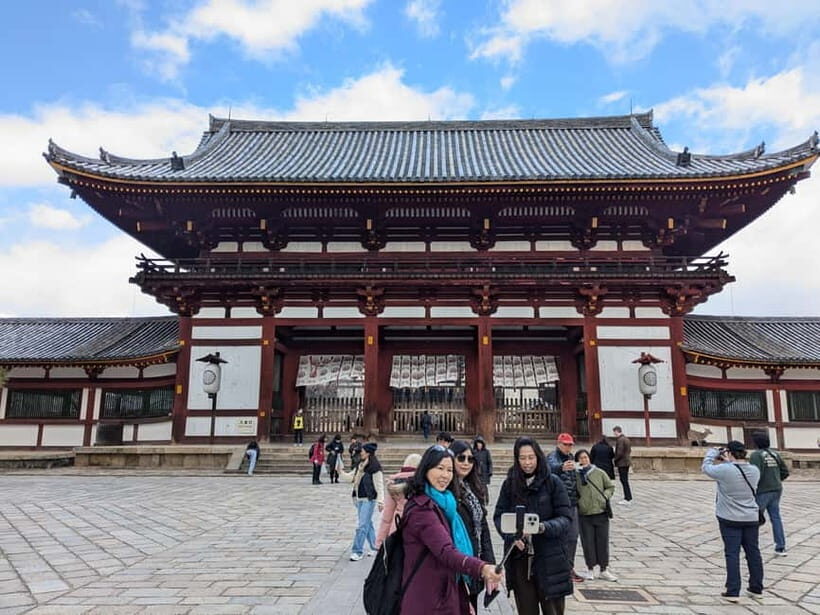
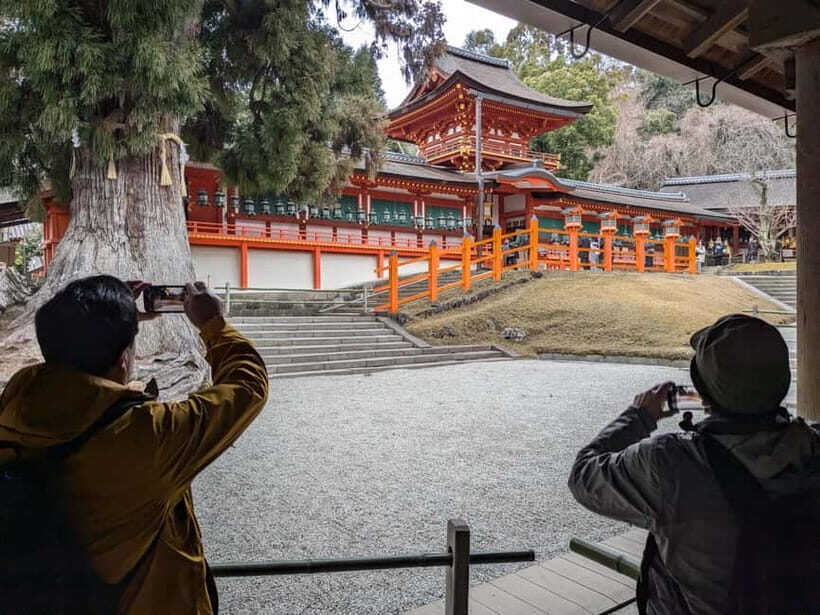
Next is Kasuga Taisha Shrine, a site you’ll feel right away because of the atmosphere: spiritual significance, iconic lanterns, and an ancient forest that has remained untouched for centuries. Even if you’ve seen shrine photos before, being there in person changes the scale and the mood.
Here’s where guided context helps. The shrine’s lanterns and its role in Japan’s religious traditions can look like decoration unless someone ties them to what they mean. Your local guide is there to connect the symbolism to everyday understanding of Shinto practice.
The forest is also part of the experience. You’re not just walking past buildings; you’re moving through a space that feels protected and old. If you like nature as much as monuments, this stop gives you that balance.
One practical note: flash photography is not allowed. So if you rely on your camera’s flash for nighttime-style shots, plan on using available light or your camera’s normal settings.
Todai-ji Temple and the Great Bronze Buddha inside a huge wooden hall
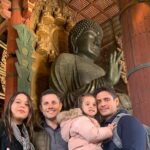
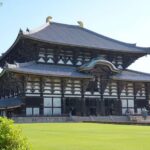
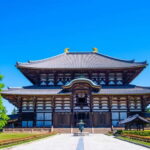
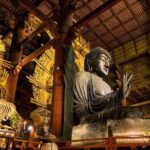
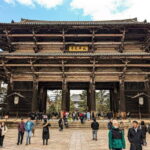
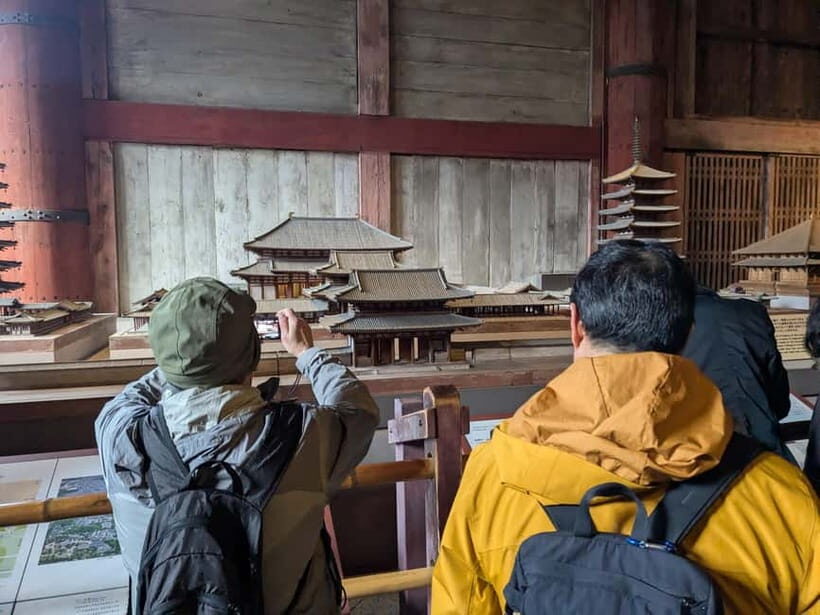
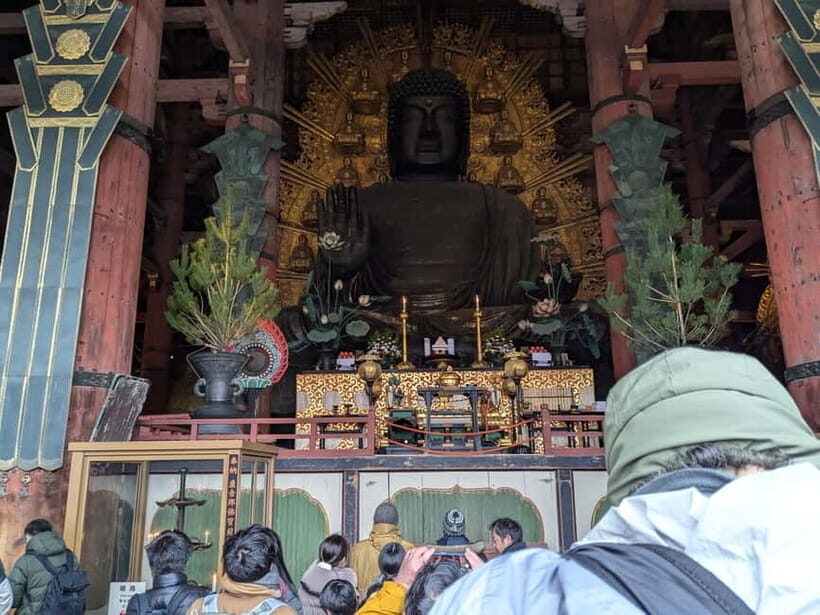
Your last stop is Todai-ji Temple, one of Japan’s most important cultural landmarks. The headline is the world’s largest bronze Buddha statue, housed inside one of the world’s largest wooden buildings. That combination of scale plus craftsmanship is the reason this place becomes a centerpiece in most Nara trips.
Your guide helps here too, especially if you don’t want a museum-style lecture. You’ll learn about the temple’s historical significance and its influence on Japanese Buddhism, which gives you a framework for what you’re seeing. Instead of only noticing the size, you’ll understand why the site matters.
There’s also a practical bonus mentioned in guide feedback: the guide can help you skip long queues at the Buddhist temple. That doesn’t make Todai-ji less busy; it just makes your time more efficient, which is crucial when you have only 3 hours.
The guide matters: Goku’s style and the value of real local advice
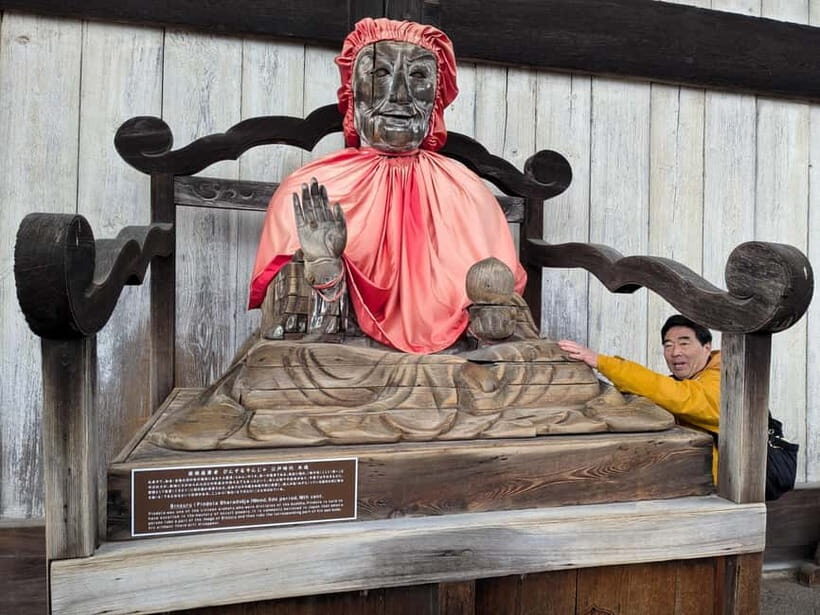
This tour runs with a private local guide, and the name that keeps coming up is Goku. In multiple accounts, Goku is praised for enthusiasm and for explaining the region in a way that feels personal and grounded. The big point for you: he doesn’t just list facts—he shares meaning.
You’ll also benefit from the guide’s wider cultural lens. The tour description calls out knowledge of Japanese culture, music, and subcultures, so your explanations won’t be limited to stones and statues. That mix tends to land well because it helps you connect what you’re seeing to how people live and think.
There are also small service wins that make the tour feel smoother. One review highlights that after getting through the main sights, the guide went above and beyond to make sure each group found its next destination. Another mentions a ramen recommendation and help ordering, including attention to dietary requirements.
Even if you’re comfortable handling yourself, those touches save energy. And the tour supports multiple languages, including Japanese, English, Russian, Spanish, French, and Portuguese, so you can match the experience to your comfort level.
You can also read our reviews of more historical tours in Nara
Price and value of an $83 private UNESCO tour
At $83 per person for 3 hours, the price makes sense only if you look at what’s included. You’re paying for a private local guide, entrance fees to all sites, and special shika-senbei crackers for feeding the deer. That bundle matters because the entrance fees and guide time are usually the two pieces that add up quickly when you do it on your own.
What’s not included is also clear: there are no meals, and there’s no hotel pickup or drop-off. If you were planning to grab a quick bite between stops anyway, the lack of meals won’t sting. If you want someone to handle transport from your hotel, you’ll need to plan your own way to the meeting point.
So who gets the best value? You’ll get more from this if you:
- want context at UNESCO sites, not just photos
- prefer a guide to help with pacing and lines
- enjoy the deer experience with rules and care
- like hearing cultural links between Shinto and Buddhism
If you’re the type who wants zero structure and you’re totally comfortable navigating sites alone, you might spend less on your own. But you’ll likely lose the efficiency and meaning that you pay for here.
What to bring (and what to avoid) for a smoother day
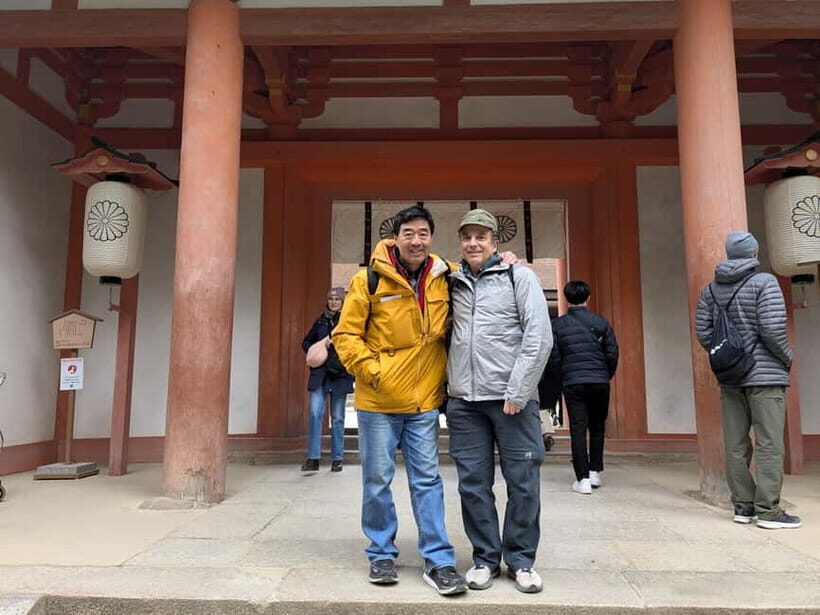
This is a practical, walking-heavy cultural outing, so pack like you mean it. Bring comfortable shoes, a camera, sunscreen, and water. You’ll be moving between Nara Park, Kasuga Taisha, and Todai-ji, and you’ll feel the weather more than you expect.
Plan around the forecast. The guidance is to check weather conditions before you go. Japan’s conditions can shift fast, and you’ll be happier if you dress for that reality.
Also follow the deer rules. You’re being asked to be respectful to the sacred deer and to follow the guide’s instructions. That’s not just politeness; it helps keep the feeding calm and safe.
And again, flash photography isn’t allowed. If you want photos, be ready to use natural light and your camera’s standard settings.
Who this tour suits best (and who should skip it)
This fits best if you want a curated UNESCO-style day without the stress of planning. It also suits you if you like cultural explanation that connects religions and symbols, not just sightseeing checklists. The guide angle is a big part of the value here, especially with the chance to hear about Japanese culture, music, and subcultures.
It’s not for everyone. The tour is not suitable for people with back problems and it is not set up for wheelchair users. If mobility is a concern, consider a different format or a shorter, more flexible plan.
If you’re traveling with kids, you’ll need to judge your group’s stamina, because it’s still three major locations in a single block of time. Your guide can manage the flow, but you’ll still be walking.
Should you book this Nara UNESCO tour?
Book it if you want meaning, not just motion. The combination of Nara Park deer feeding, Kasuga Taisha’s ancient forest and lantern setting, and Todai-ji’s Great Bronze Buddha is already a strong lineup. The guide support turns those stops into a connected story, and the small-group size keeps it from feeling like a factory tour.
Skip it if you need long breaks, have mobility limits, or you prefer to move slowly without guidance. If you want control over every minute, you may find this structured route restrictive.
If you’re on the fence, ask yourself this: do you want your time in Nara to feel guided and explained, even in a short 3 hours? If yes, this is a solid choice.
FAQ
Where is the meeting point for the tour?
You meet at the red torii gate called the torii of Himuro Shrine.
How long is the tour?
The tour runs for 3 hours.
Is hotel pickup included?
No, hotel pickup and drop-off are not included.
What does the price include?
It includes a private local tour guide, entrance fees to all sites, and special shika-senbei crackers for feeding the deer.
Are meals included?
No, meals are not included.
What language options are available for the guide?
The live guide is available in Japanese, English, Russian, Spanish, French, and Portuguese.
Are there any rules about photos?
Flash photography is not allowed.
Is the tour accessible for wheelchairs?
No. The tour is not suitable for wheelchair users, and it’s also not suitable for people with back problems.