REVIEW · NARA
Nara attractive tour with local guide (4hours)
Book on GetYourGuide →Operated by Spejapa-Excursion · Bookable on GetYourGuide
Nara hits different when it’s explained simply. This half-day tour is a fast, friendly way to connect big sights with everyday Japanese temple manners, thanks to guides like Yuta (and sometimes Yuka) who keep the stories clear and human, not lecture-y. I especially like that you get guided time at Kasuga Taisha and Tōdai-ji so you know what you’re looking at.
The second thing I like is the pace: you’re not just herded between photo stops. You also get a real break in Nara Park to feed the deer and slow down through nearby old streets and local shops. One possible drawback: it’s a walking tour with indoor shoe rules at temples, so if mobility or comfort is an issue, you’ll want to think carefully before booking.
In This Review
- Key highlights worth knowing before you go
- Why Nara is perfect for a 4-hour walk
- Getting started at Kintetsu-Nara Station (the meeting-point details that matter)
- Kasuga Taisha: red halls, lanterns, and shrine “rules” that make sense
- Tōdai-ji and the Great Buddha: the scale is the point
- Nara Park deer feeding: fun, but handle it calmly
- The stroll through Naramachi and local shopping streets
- Small group size (up to 10): why it changes the experience
- Price and value: what your $83 really covers
- What to bring and how to stay comfortable
- Who this tour suits best (and who should skip it)
- A realistic timeline: what 4 hours feels like
- Should you book this Nara half-day tour?
- FAQ
- Where do we meet for the tour at Kintetsu-Nara Station?
- How long is the Nara attractive tour?
- What is included in the price?
- Is admission to Tōdai-ji included?
- Do I need cash?
- Are deer crackers included?
- Is the tour wheelchair accessible?
- What language is the tour guide?
- Are there rules about shoes?
- Is this tour suitable for pregnant people or people with heart or back problems?
- What is the cancellation policy?
Key highlights worth knowing before you go
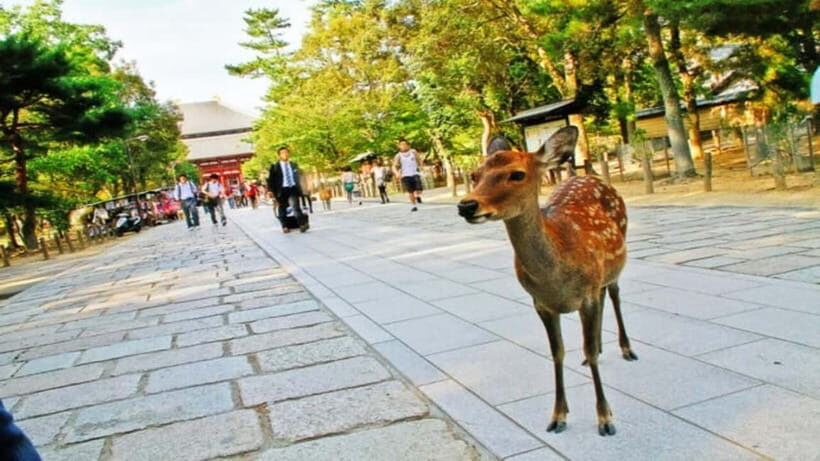
- Kasuga Taisha: UNESCO grounds with bright red halls and thousands of lanterns in a calm forest setting
- Tōdai-ji’s Great Buddha: a guided look at one of Japan’s best-known wooden temple sights
- Nara Park deer feeding: buy crackers on-site, take photos, and enjoy a relaxed park stroll
- A small group (up to 10): easier conversation and questions with your English-speaking guide
- Local shops and snack time: a chance to pick up souvenirs and try easy local treats
Why Nara is perfect for a 4-hour walk
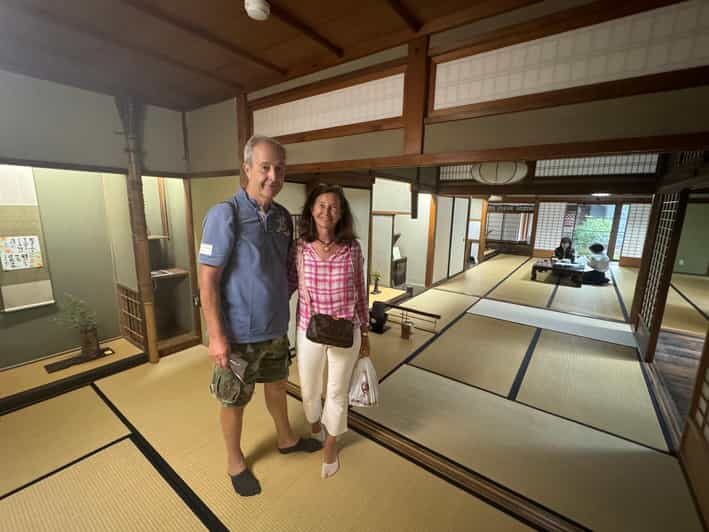
Nara is one of those places where you can see “the famous stuff” quickly—if you know what order to hit it in. This tour is built for that. In just 4 hours, you cover three of Nara’s top identity pieces: Shinto heritage at Kasuga Taisha, Buddhist heavyweight status at Tōdai-ji, and the everyday wildlife scene in Nara Park.
What makes this format work for you is the guidance. A shrine and a temple can look similar at first glance if you don’t know the rhythm—where to look, what the symbols mean, and why certain rules matter. A good local guide helps you get your bearings fast, so your time turns into understanding, not just snapshots.
Price-wise, $83 per person can feel like a lot until you break it down. You’re paying for an English-speaking guide, a small-group experience, guided visits, and bus transport from Kintetsu-Nara Station to Kasuga Taisha. Add the included Tōdai-ji admission and you’re not stuck figuring out the basics on your own.
You can also read our reviews of more guided tours in Nara
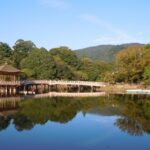
Getting started at Kintetsu-Nara Station (the meeting-point details that matter)
Your day starts at Kintetsu-Nara Station. The meeting point is specific, and this matters because the station has multiple levels.
Plan to meet at the platform located on the second basement floor. You’ll go up to the first basement floor, then exit from East Exit No. 3. Walk straight to Exit 3, then look for the fountains that look like a mountain with a statue on top—this is where you’ll meet.
Tip: wear comfortable shoes for the outside stretches and keep your phone charged. You’re also asked to bring cash, since deer crackers and snacks aren’t included.
Kasuga Taisha: red halls, lanterns, and shrine “rules” that make sense
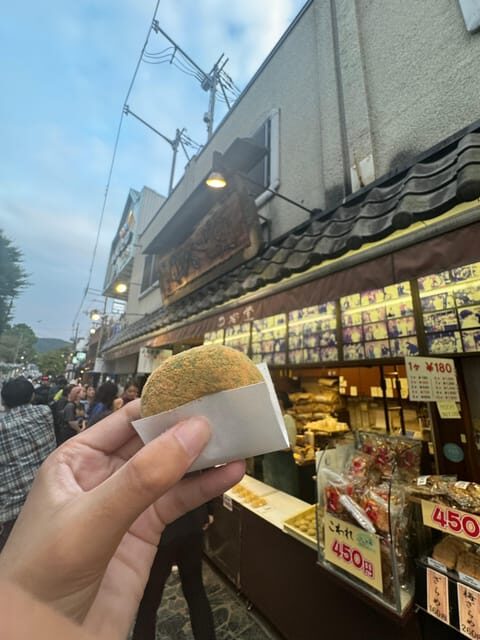
Kasuga Taisha is where the tour sets its tone. You start with a short bus ride (about 5 minutes) from Kintetsu-Nara Station, then you’re at the shrine grounds with time for a guided visit of about 40 minutes.
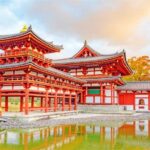
This place stands out because of its setting and its visual language. Kasuga Taisha is famous for bright red buildings and the huge collection of stone and bronze lanterns. The guides explain Shinto traditions in a way that’s easy to remember, and it’s not just facts—you get the practical “how to behave in a temple space” mindset.
What I like about this stop is that it gives you context before you jump to a Buddhist temple. You can see how Nara’s spiritual life has multiple layers, and a guide helps you read the details instead of treating everything as background scenery.
Possible consideration: shrines and temple areas can mean short indoor/outdoor transitions. If you’re unsure about the shoe rule, remember: shoes aren’t allowed indoors.
Tōdai-ji and the Great Buddha: the scale is the point
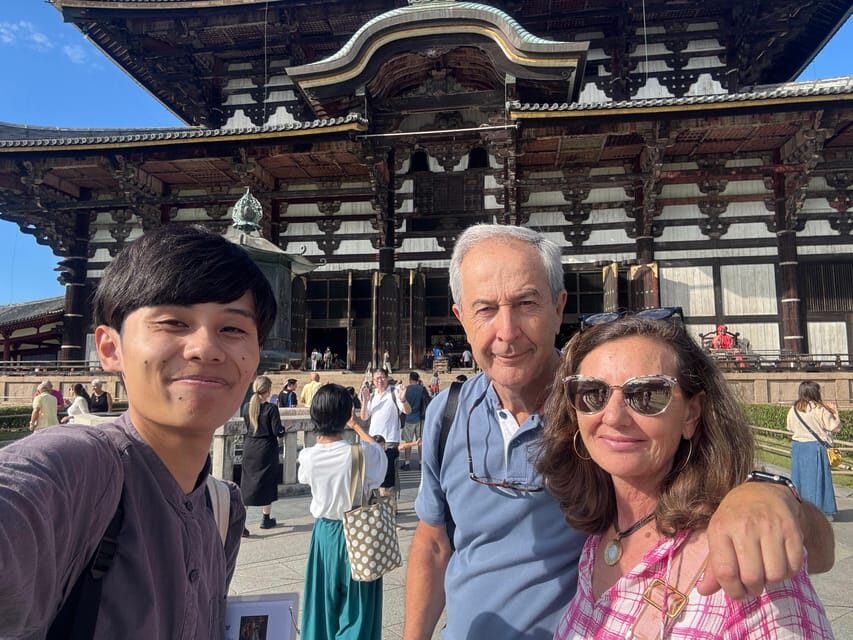
Next comes Tōdai-ji. The walking time between stops is short—around 10 minutes—and the tempo stays manageable.
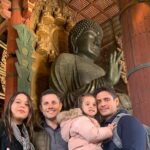
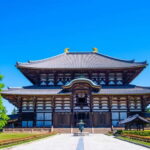
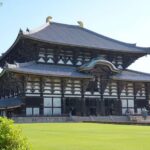
At Tōdai-ji, you get another 40-minute guided visit. This is the stop most people come for: the Great Buddha, a bronze statue more than 15 meters tall, housed in one of the largest wooden temple structures in Japan.
Guides here are useful for two reasons. First, they help you understand what you’re seeing beyond “big statue, wow.” Second, the temple has features that can feel confusing if you don’t know where to look. With a guide, you can identify what’s important, why it’s arranged that way, and how it fits into the temple’s long story.
One note: the tour includes your admission ticket to Tōdai-ji. Still, it’s smart to re-check what your ticket covers the day-of, especially if you’re sensitive about timing. (I’ve seen people catch small confusion around inclusions, and a quick double-check avoids stress.)
Nara Park deer feeding: fun, but handle it calmly
After the temples, you head into Nara Park. This is where the tour shifts from heritage to lived-in Nara life.
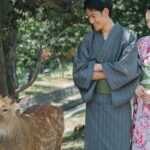
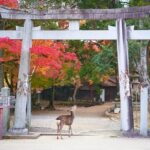
You’ll spend about 40 minutes here, and it’s built for a break and free time—not just walking. You can buy special crackers on-site and then feed the deer while taking photos. The deer are friendly, and this part tends to be the highlight for kids and first-time visitors.
What you’ll enjoy: the mix. Nara Park is scenic, but it’s also real—people snack, take photos, and stroll at a human pace. It feels less like a museum and more like a daily scene.
Practical caution: don’t treat the deer interaction like a free-for-all. Keep your crackers handled safely and stay aware of foot traffic. If a deer is close, hold steady and let your guide tell you the best moment for photos.
Also remember: deer crackers and snacks are not included. Cash helps here.


The stroll through Naramachi and local shopping streets
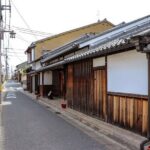
The last stretch of the tour is where you get a “local Nara” feeling. After Nara Park, you’ll explore traditional streets and nearby shopping areas for souvenirs and small food tasting.
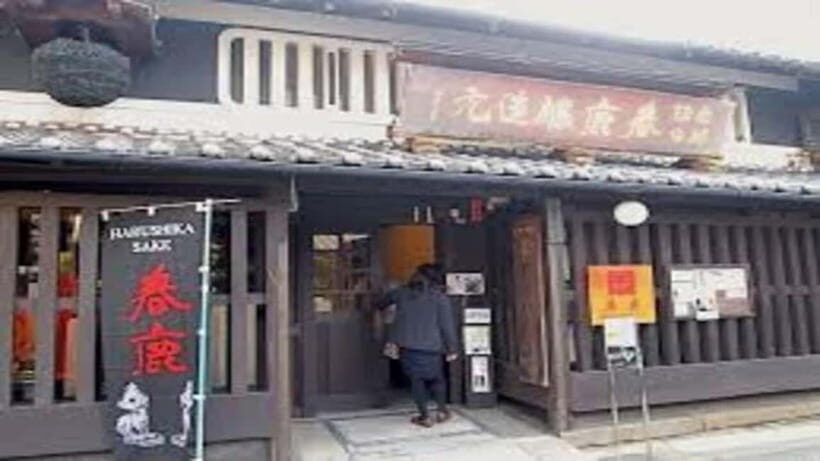
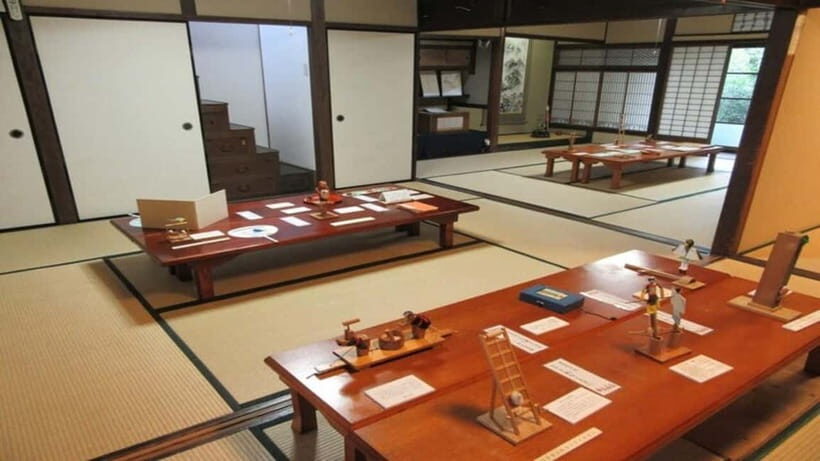
Some groups also experience extra cultural stops on the way, like a sake brewery or even a toy museum. That’s not guaranteed in every schedule from what you’ve been told, but it’s a good example of the kind of off-the-main-road flavor a guide may add when time allows. If you’re food-minded, ask your guide if there’s a quick stop that matches what you like.
You’ll also have a short buffer for scenic views and photo stops before returning to Kintetsu-Nara Station. This is helpful because Nara’s best angles show up in small gaps—street corners, shrine approaches, and paths that aren’t obvious from a big map.
Small group size (up to 10): why it changes the experience
This tour is limited to 10 participants, and that’s a big deal in Japan where many popular sights get crowded fast.
In a small group, you’re more likely to:
- hear your guide clearly without straining
- ask quick questions without feeling rushed
- move at a human pace, not a parade pace
If you’re traveling with family, this structure can also help. In one case, the tour worked well for a family with an 8-year-old, because the guide’s tone and quick storytelling kept everyone involved rather than stuck in silence.
Price and value: what your $83 really covers
Let’s talk value in plain terms.
Included:
- English-speaking local guide
- Guided walking tour of Kasuga Taisha, Tōdai-ji, and Nara Park
- Bus fare from Kintetsu-Nara Station to Kasuga Taisha
- Tōdai-ji admission ticket
- recommendations for local food and souvenirs
Not included:
- lunch and dinner
- deer crackers and snacks
- extra transport outside the tour route
- personal expenses
So you’re mainly paying for time with a guide and transport between key areas. The big “value jump” for me is the guided element—if you visit Kasuga Taisha and Tōdai-ji on your own, you can still do it. But with a guide, you’ll spend less time guessing and more time understanding.
If you’re short on time and you want a smooth first introduction to Nara, this is a sensible way to spend your day without turning it into a logistics problem.
What to bring and how to stay comfortable
This is where small details can make or break your experience.
Bring:
- comfortable clothes
- cash
- a charged smartphone for photos and navigation
Plan around:
- No shoes indoors at places like temples (so wear socks you’re comfortable keeping on)
- The tour has rules like no nudity and no bare feet
- You’ll be walking throughout, including on uneven paths in park areas
A simple strategy: dress for comfort first, then add a light layer if it’s cooler. You’re outdoors for parts of the day even though the guided time includes indoor temple spaces.
Who this tour suits best (and who should skip it)
This tour is wheelchair accessible, which is a strong plus for people who need it.
It also fits:
- first-time visitors who want Nara’s biggest sites in one go
- people who prefer guided clarity over self-guided wandering
- families who want an easy, not-too-long half day
But it’s not suitable for:
- pregnant women
- people with back problems
- people with heart problems
- people over 95 years
If any of those apply, it’s worth reconsidering. Even with a small group, the walking and pacing still matter.
A realistic timeline: what 4 hours feels like
A tour like this can only work if the stops are well-paced. Here’s the flow as you’ll feel it:
- Short bus ride to start at Kasuga Taisha
- Guided shrine visit, then a short walk
- Guided Tōdai-ji visit, then a short walk
- Nara Park break for deer feeding and free strolling
- A little extra time for photos and scenic views
- Back to Kintetsu-Nara Station
The key is that you get guided time where it counts, and unstructured time where it helps. You’re not locked to a rigid script the whole way. That balance is one reason people tend to enjoy the pace.
Should you book this Nara half-day tour?
Book it if you want:
- a guided first taste of Nara’s major sites in 4 hours
- a calm, small-group experience with an English guide
- time in Nara Park that includes deer feeding and photos
- an easy way to add traditional streets and simple shopping back into your itinerary
Skip it if you want:
- a long, slow day with deep temple time and lots of museum-style reading
- zero walking and minimal transitions between places
- total freedom to set your own route (this is organized and guided)
If you’re deciding last-minute, I’d lean toward booking because Nara can feel confusing at first. With the guide explaining both Shinto and Buddhist context—and with stops that actually match the half-day format—you’ll make your limited time count.
FAQ
Where do we meet for the tour at Kintetsu-Nara Station?
You meet at the platform on the second basement floor. Go up to the first basement floor, exit via East Exit No. 3, walk straight to Exit 3, and look for the fountains that look like a mountain with a statue on top.
How long is the Nara attractive tour?
The tour lasts 4 hours.
What is included in the price?
It includes an English-speaking local guide, guided walking tour at Kasuga Taisha, Tōdai-ji, and Nara Park, bus fare from Kintetsu-Nara Station to Kasuga Taisha, admission to Tōdai-ji, and recommendations for local food and souvenirs.
Is admission to Tōdai-ji included?
Yes. The admission ticket to Tōdai-ji Temple is included.
Do I need cash?
Yes. You should bring cash, since deer crackers and personal purchases like souvenirs and snacks are not included.
Are deer crackers included?
No. Deer crackers are not included, but they are available for purchase in Nara Park.
Is the tour wheelchair accessible?
Yes, the tour is wheelchair accessible.
What language is the tour guide?
The live tour guide speaks English and Japanese.
Are there rules about shoes?
Yes. Shoes are not allowed indoors.
Is this tour suitable for pregnant people or people with heart or back problems?
No. It is not suitable for pregnant women, people with back problems, or people with heart problems.
What is the cancellation policy?
Free cancellation is available up to 24 hours in advance for a full refund.