REVIEW · NARA
Nara: Todai-ji y parque de Nara (Spanish Guide)
Book on GetYourGuide →Operated by Kansai4U · Bookable on GetYourGuide
Five hours in Nara, deer and big-time temple power. This Spanish live-guided walk is a clean way to see the city’s top spiritual sights without turning the day into a logistics puzzle. I especially love the sheer presence of Todai-ji and its Great Buddha, because it makes the scale of Japanese Buddhism feel real, not just talked about.
I also like how the tour stacks the day’s highlights in a smart order: you get Nara Park deer time, then you shift into shrine-and-forest atmosphere at Kasuga Taisha. If you’re lucky with your guide, it can be a standout—past Spanish guides like Alex, Diego, and Federico have been praised for making the sites click.
One thing to consider: it’s all on foot with some effort, and it’s not the best fit for people who need mobility support. No baby strollers are allowed, so plan around that from the start.
In This Review
- Key moments that make this tour worth your time
- Starting at Kintetsu-Nara Station: your easy launch point
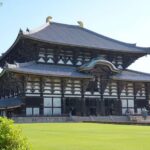
- Todai-ji and the Great Buddha: why the first stop changes your whole mindset
- Nigatsu-do (February Hall): views over Nara and a seasonal cherry-blossom bonus
- Tamukeyama Hachimangu: the stop that turns the day from spectacle to spirituality
- Kasuga Taisha and the lantern forest: thousands of stone lights and a walk you’ll remember
- Nara Park deer time: calm watching, not a rush
- Ukimido: the quiet pavilion in the pond (and a breather that actually helps)
- Kofuku-ji and the five-story pagoda: finishing with structure and old-school presence
- Price and value: what $85 buys you in a 5-hour day
- Who this tour suits best (and who should skip it)
- Tips to make the day feel easier (not just possible)
- Should you book this Spanish-guided Nara highlights walk?
- FAQ
- How long is the tour?
- Where do we meet?
- Is this tour guided in Spanish?
- Is the Todai-ji entrance ticket included?
- Is this tour all on foot?
- Are baby strollers allowed?
- Is free cancellation available?
Key moments that make this tour worth your time
- Todai-ji entrance included, so you can focus on the visit instead of ticket hunting
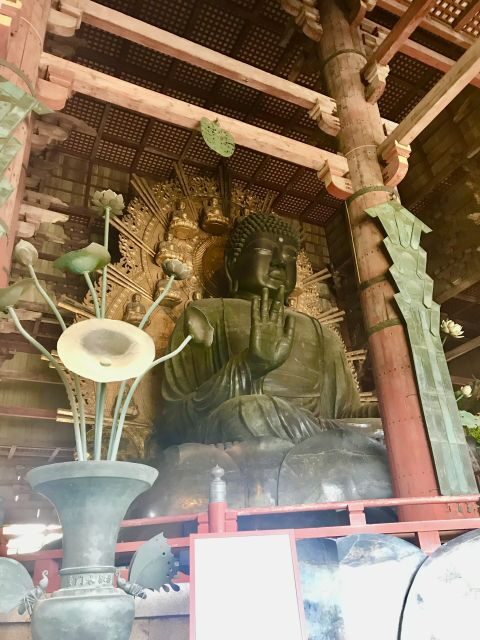
- Great Buddha impact, where the size and craftsmanship do the explaining
- Nigatsu-do (February Hall) panorama, a quick high-view angle on Nara
- Kasuga Taisha lantern path, stone lanterns plus a forest setting for instant atmosphere
- Ukimido in the pond, a calm pause while you watch deer in Nara Park
- Kofuku-ji five-story pagoda stop, a strong finish with photo-friendly structure
Starting at Kintetsu-Nara Station: your easy launch point
I like tours that start where you can actually breathe and figure things out. This one begins at Kintetsu-Nara Station, exit 5, which is useful if you’re arriving by train and want a straightforward meeting spot. From there, you’re not stuck wandering first. You move.
Because the tour is done entirely on foot and takes about 5 hours, the meeting point matters more than people think. If your start is smooth, the whole day feels smoother. If you’re running late, it’s harder to catch up once you’re already walking between temple areas.
Also note the practical stuff: wear comfortable shoes and comfortable clothes. This is a route where your feet do a lot of the work, and the schedule has breaks built in, but it still expects you to keep moving.
You can also read our reviews of more guided tours in Nara
Todai-ji and the Great Buddha: why the first stop changes your whole mindset
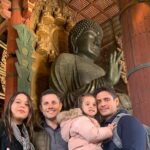
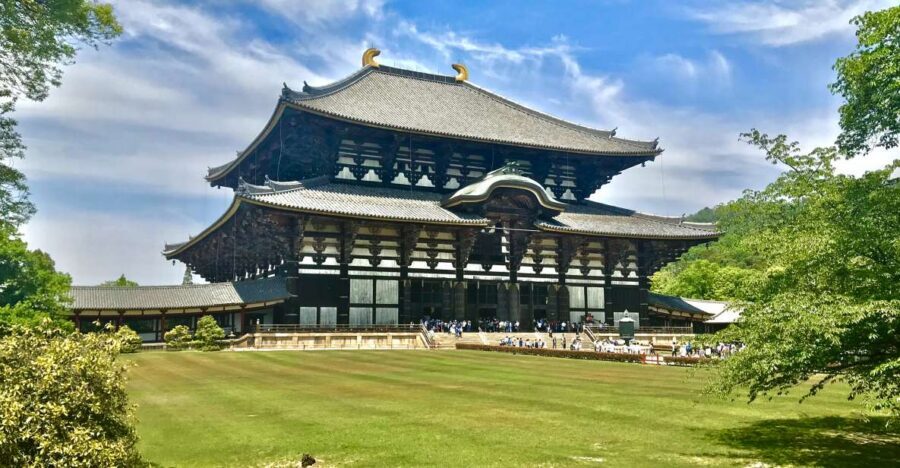
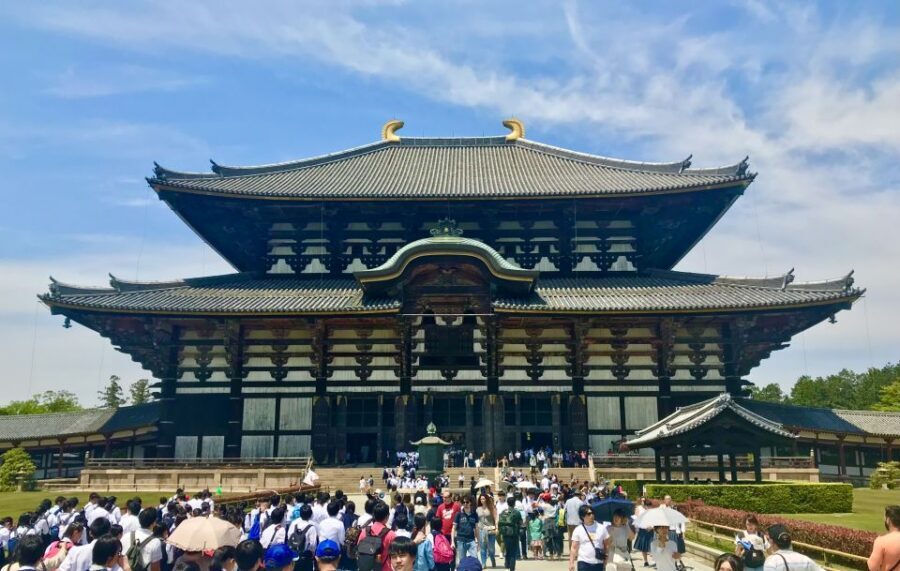
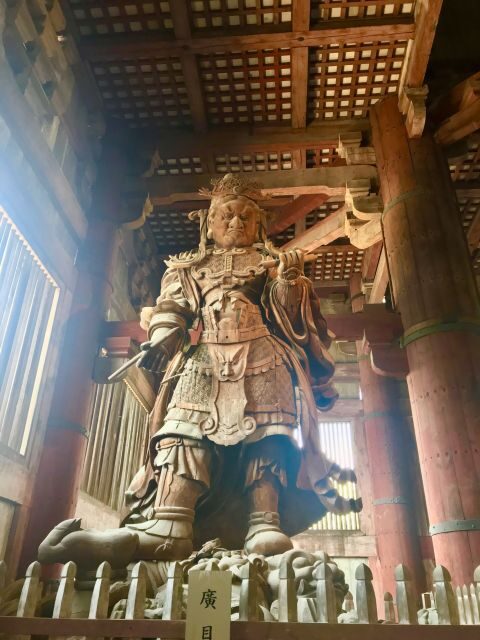
Todai-ji is the kind of place where you stop thinking in checklists. The tour takes you into the Todai-ji complex and focuses on the main draw: the Great Buddha statue. Even if you’ve seen photos before, it’s the real thing that lands—this is the moment where scale becomes emotional. Your brain can’t fully process size through a screen.
You also get a guided visit here, which I really value at major temples. Without a guide, it’s still gorgeous, but you might miss the “why.” With guidance, you’re better able to connect the architecture and the statue’s religious importance to what you’re looking at in front of you.
Practical tip: plan for photo time, but don’t just shoot and sprint. Todai-ji rewards slower glances—especially around the big visual lines that pull your eyes toward the statue and the surrounding structures. The tour builds in about an hour at this stop, including a photo moment and guided sightseeing.
Nigatsu-do (February Hall): views over Nara and a seasonal cherry-blossom bonus
Next up is Todai-ji Nigatsu-do, also called the February Hall. This part of the visit is about change of perspective. The building gives you panoramic views of Nara, which is a nice counterbalance after the Great Buddha’s close-up power.
The tour includes break time and guided sightseeing here, which I appreciate because it’s easy to lose energy when you’ve been absorbing a huge amount of visual information. It also helps you slow down and actually enjoy the viewpoint instead of just standing there.
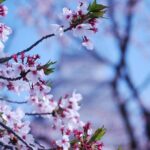
There’s also a seasonal note that you can genuinely plan around: in spring, you can enjoy cherry blossoms from this area. Even if you’re not in cherry-blossom season, the viewpoint aspect still matters. It’s a quick chance to see how temples and city life share the same space.
Tamukeyama Hachimangu: the stop that turns the day from spectacle to spirituality
Between the big marquee temple and the lantern-and-deer atmosphere, you’ll visit Tamukeyama Hachimangu. This shrine stop adds a different tone to the day. If Todai-ji is the big, heavy spiritual centerpiece, this is more like a shift in mood—still religious, but with a calmer rhythm as you walk and listen.
The tour includes guided time plus sightseeing and walking around the stop. It’s short—about 30 minutes—but that’s honestly useful. You don’t need a long stay to get value here, especially because your next segments include longer-lasting impressions: lanterns at Kasuga Taisha and the deer-filled openness of Nara Park.
Practical note: keep your attention on what your guide points out. Shrines can look similar at a distance, but the details are what make them feel specific.
Kasuga Taisha and the lantern forest: thousands of stone lights and a walk you’ll remember
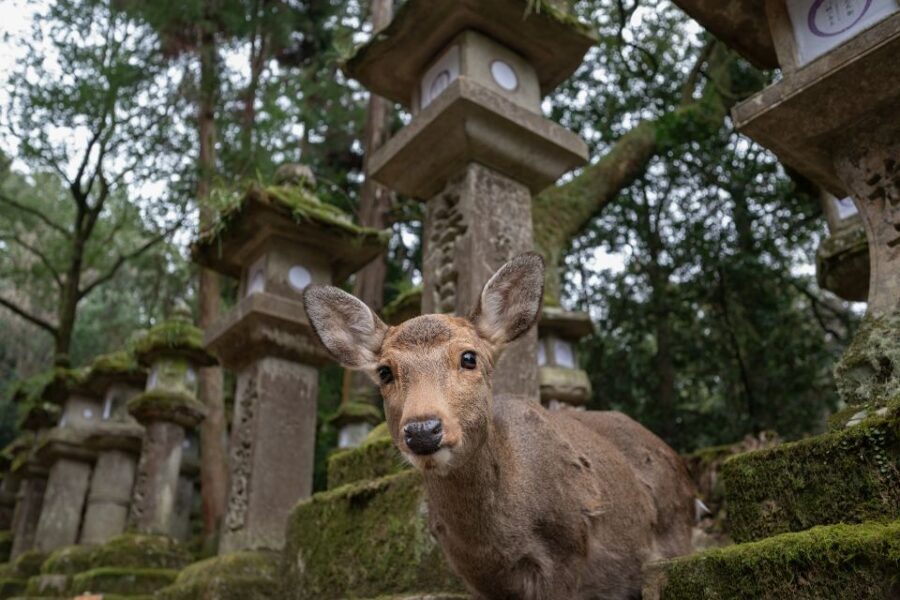
Then comes Kasuga Taisha, known for its thousands of stone lanterns and its forested surroundings. This is one of those places where the environment does half the work. You’re not just looking at objects—you’re walking through a setting designed to feel spiritual and slightly timeless.
The tour’s time here is about 30 minutes, which might sound brief, but it lines up well with the vibe of the place. You get guided context, enough time to see the lanterns in the right flow, and time to walk without feeling rushed into the next stop.
If you care about atmosphere, you’ll love this segment. The stone lanterns create a visual pattern that pulls your eye along the path, and the forest backdrop makes everything feel cooler, both literally and emotionally.

Nara Park deer time: calm watching, not a rush
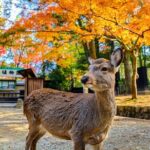
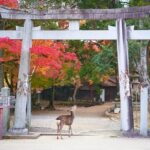
After Kasuga Taisha, you move into Nara Park. This is where the tour leans into one of Nara’s most famous sights: the deer. The experience isn’t just to say you saw deer—it’s built around you observing and interacting with them at a gentle pace.
You’ll spend about 30 minutes here, with guided support. That guidance matters because deer are part of the park’s daily life. Your guide can help you understand what you’re seeing, including the cultural meaning: deer are considered divine messengers in Japanese culture.
I also like that this stop breaks up the day. After temples and shrines—solid stone and sacred space—you get an open-air pause. It’s a sensory reset: light, movement, and that familiar Nara soundscape.
Practical tip: keep your hands and pockets organized and stay aware. If deer get close, you’ll want to handle the moment calmly and follow your guide’s instructions.
Ukimido: the quiet pavilion in the pond (and a breather that actually helps)
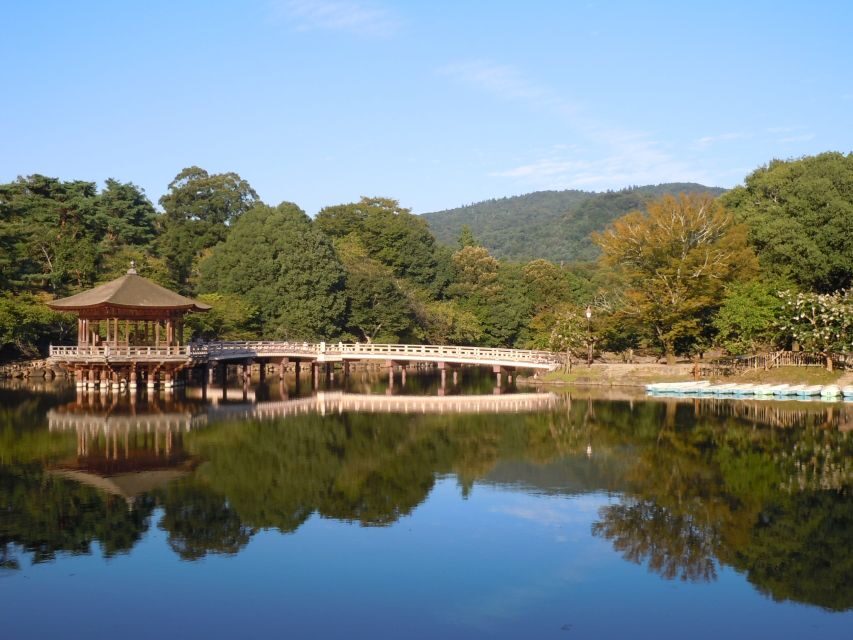
Next is Ukimido, a small pavilion in the middle of a tranquil pond in Nara Deer Park. This is the tour’s “stop and exhale” moment. There’s break time and about 30 minutes here, including a photo stop and time to enjoy the serenity.
What I like about Ukimido on this particular tour is the pacing logic. You just had deer-watching in a busier open space, and then you drop into a quieter, more still setting. Your mind gets time to rest without skipping the sightseeing.
If you’re the type who likes photos, this is a good spot for them. The pavilion setting in the water gives you natural framing and a sense of calm that contrasts with the earlier temples.
Kofuku-ji and the five-story pagoda: finishing with structure and old-school presence
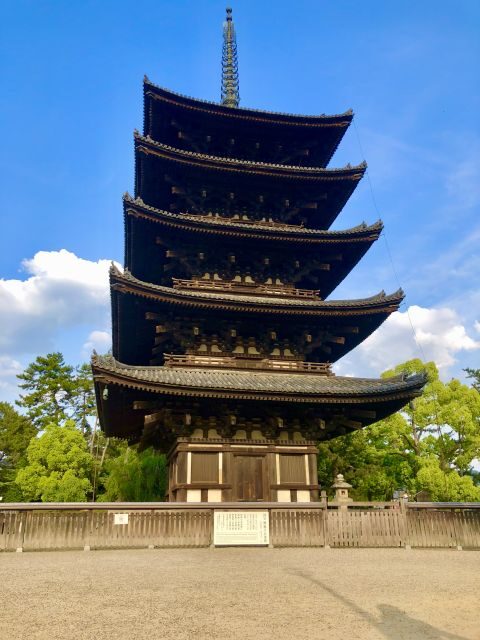
You end at Kōfuku-ji, one of Nara’s historic temple sites with a five-story pagoda. This is a strong final stop because the pagoda is visually clear even if you’re tired. It gives the day a satisfying shape: you move from Great Buddha power, to lantern atmosphere, to open park deer time, and then to a structured, ancient centerpiece.
The tour includes guided time plus sightseeing and walking here, with about 30 minutes and a photo stop. You’ll also have a chance to explore gardens and ancient structures, which helps Kofuku-ji feel more like a place you wandered through, not just a photo backdrop.
Why this ending works: you’re likely to remember Kofuku-ji through its geometry and presence. In a short, efficient day, that matters. Your last image should be strong, not blurry.
Price and value: what $85 buys you in a 5-hour day
The price is listed at $85 per person for a 5-hour guided experience. For me, the value comes from what’s bundled:
- Multiple major stops (Todai-ji, Nigatsu-do, Tamukeyama Hachimangu, Kasuga Taisha, Nara Park, Ukimido, Kōfuku-ji)
- Guided time at each part of the route
- Todai-ji entrance ticket included
When you’re trying to see Nara efficiently, paying for a guide isn’t just convenience. It’s context. You spend the day looking at sacred space, lantern symbolism, and temple structures where local explanations save you from guessing.
If your goal is a calm, well-paced highlights loop in one day—without building your own route from scratch—this price can make sense. If you’re the kind of traveler who wants to roam freely and linger wherever you feel like, you might feel boxed in by the time structure.
Who this tour suits best (and who should skip it)
This works best if you want:
- A Spanish guided day with clear progression between the key sights
- An efficient route that stays mostly on foot and doesn’t require you to plan every turn
- Deer time in Nara Park plus temple/shrine highlights you can’t easily “figure out” alone
You should think twice if:
- You need mobility support, because the route is entirely on foot and not suitable for people with mobility impairments
- You’re traveling with a baby stroller, since strollers aren’t allowed
Tips to make the day feel easier (not just possible)
Bring the basics seriously: comfortable shoes. Even with breaks, you’ll be walking enough that your feet will tell you if you dressed for the wrong day.
Then plan your mindset: you’re not doing one site deeply. You’re doing several important sites with guided context. That’s exactly why it’s enjoyable if you like variety—just don’t expect the kind of slow, solo wandering where you can sit quietly for hours.
Finally, be ready for the tone of the park and deer segment. Deer are part of the scenery and culture here, so treat them like a living part of Nara, not just an animal you chase for a photo.
Should you book this Spanish-guided Nara highlights walk?
I’d book it if you want a structured, guided day that covers Todai-ji, Nigatsu-do, Kasuga Taisha, Nara Park deer time, Ukimido, and Kōfuku-ji without overthinking the route. The Todai-ji entrance included piece helps, and the balance between grand temple moments and calmer park/shrine atmosphere makes it feel like a real day, not a rushed stamp.
Skip it if walking a lot is a problem for you, or if you need stroller access. Also consider this: if you hate schedules, you might prefer independent exploring.
FAQ
How long is the tour?
It lasts 5 hours.
Where do we meet?
You meet at Kintetsu-Nara Station, exit 5.
Is this tour guided in Spanish?
Yes. The tour includes a live guide in Spanish.
Is the Todai-ji entrance ticket included?
Yes. Todai-ji entrance ticket is included.
Is this tour all on foot?
Yes. The route is entirely done on foot and involves some physical effort.
Are baby strollers allowed?
No. Baby strollers are not allowed.
Is free cancellation available?
Yes. You can cancel up to 24 hours in advance for a full refund.