REVIEW · TOKYO
Yokohama and Kamakura Private Day Trip from Tokyo
Book on Viator →Operated by Discover Sakura Japan · Bookable on Viator
Two cities, one stress-free ride. You get a private car with an English-speaking chauffeur, timed for a full day that mixes modern Yokohama with the calm, old-school feel of Kamakura. I especially like how you can set a flexible itinerary based on your interests, and how the stops are spaced to balance big icons with slower, scenic moments. One consideration: with 8 major sights in about 9 to 10 hours, it can feel like a lot if you hate timed hustle.
The day is built around classic anchors: Yokohama’s Minato Mirai waterfront, Sankeien Garden, and Chinatown, then Kamakura’s Great Buddha, bamboo at Hokoku-ji, Tsurugaoka Hachimangu, and Hasedera Temple. Many entries are optional and paid on-site, so you can control costs while still seeing the highlights. Also, there isn’t a walking guide at each stop; the main insights come from what you’re told in the car between places.
In This Review
- Key highlights to know before you go
- Why Yokohama and Kamakura Works So Well in One Day
- Private Vehicle, English Chauffeur, and a Custom Pace
- Minato Mirai 21: Harbor Views, Landmarks, and Photo Time
- Sankeien Gardens: Traditional Calm and Moved-Here Historic Buildings
- Landmark Tower Sky Garden: Big Views Without Mandatory Fees
- Yokohama Chinatown: Street Food Stops You Can Actually Enjoy
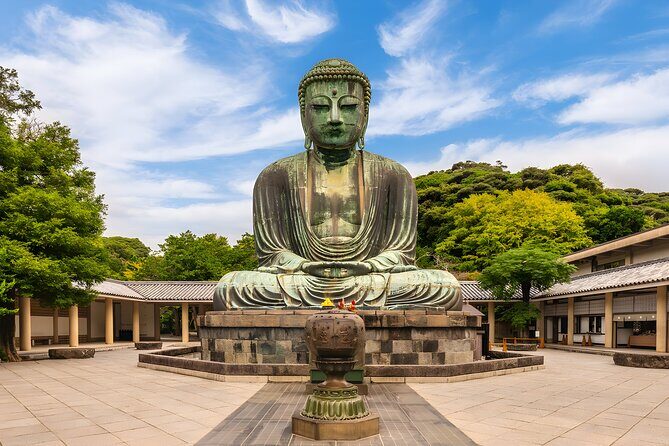
- Kotoku-in Great Buddha: The Iconic Bronze Stop
- Hokoku-ji Bamboo Grove: Quiet Walk and Tea-House Atmosphere
- Tsurugaoka Hachimangu: Kamakura’s Key Shrine in a Historic Setting
- Hasedera Temple: Kannon Statue, Ocean Views, and Seasonal Color
- Price and Value for a Private Day Trip (Up to 3)
- What I’d Watch Out For in a Tight 9–10 Hour Schedule
- Who This Tour Fits Best
- Should You Book This Tour?
- FAQ
- How long is the Yokohama and Kamakura private day trip?
- What is the price, and how many people can join?
- Is pickup offered?
- Is this a private tour?
- Is the chauffeur English-speaking?
- Are admission fees included?
- Do I need a walking guide?
- What stops are included in the itinerary?
- What’s included in the tour price?
- What is the cancellation policy?
Key highlights to know before you go
- Private vehicle door-to-door comfort that keeps the day moving without public-transport stress
- English-speaking chauffeur who can explain what you’re seeing as you travel
- Flexible stop choices so the day can match your pace and priorities
- Yokohama’s biggest Chinatown plus Minato Mirai waterfront in the same run
- Kamakura icon sequence: Great Buddha, bamboo calm at Hokoku-ji, shrine at Hachimangu, then Hasedera
- Admissions are optional and paid on-site, which helps you budget your own way
Why Yokohama and Kamakura Works So Well in One Day
Yokohama and Kamakura feel like two different moods. Yokohama gives you the harbor-view modern side of Japan, with big city landmarks and easy photo opportunities. Kamakura flips the switch into temples, shrines, and quiet views that feel more human-scale.
The value of doing both is that you don’t have to choose one “type” of day. You can spend time on coastal architecture and then spend the rest of the day around historic icons like Kotoku-in and Hasedera.
You can also read our reviews of more private tours in Tokyo

Private Vehicle, English Chauffeur, and a Custom Pace
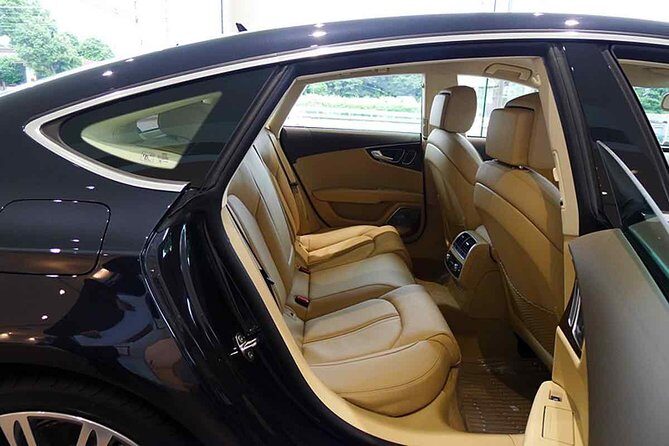
This is a private tour for up to 3 people, and that matters more than it sounds. In a shared-group format, you often lose time waiting for stragglers or being stuck with someone else’s pace. Here, you’re with your own group and a chauffeur who can adapt timing so you’re not constantly sprinting.
The chauffeur’s English also changes how much you get out of each stop. You’ll learn most of the context between destinations (there’s no separate walking guide doing commentary on every pathway). If you like hearing what matters before you arrive, that approach can actually feel efficient.
One detail that stands out from real feedback is an English-speaking chauffeur named Rudy, described as exceptional, informative, and very timely. Even if you don’t get the same person, it tells you what the operator aims for: clear explanations and dependable timing.
Minato Mirai 21: Harbor Views, Landmarks, and Photo Time
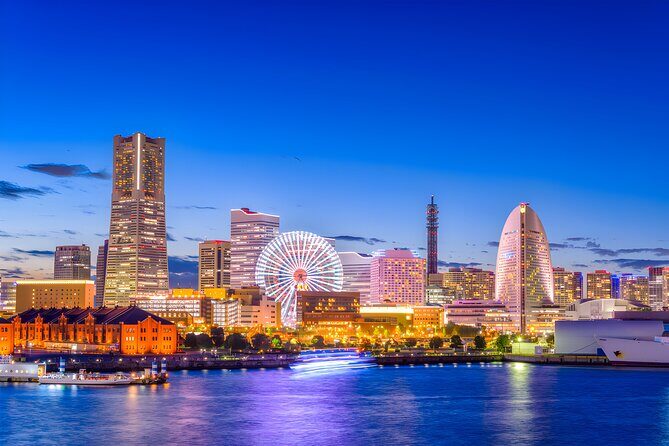
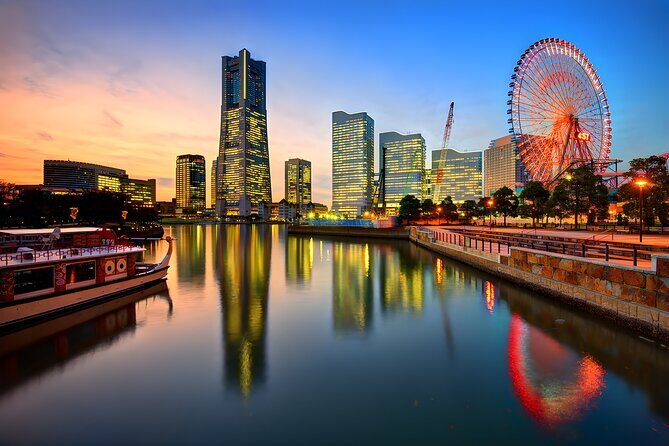
Your Yokohama start is Minato Mirai 21, the sleek waterfront district built for skyline views and strolling. You’ll get about an hour here, which is enough time to orient yourself, take photos, and enjoy the harbor atmosphere without turning it into a half-day production.
The area includes major landmarks you can point your camera at, including the Cosmo Clock Ferris Wheel and Landmark Tower. The stop is also a good “reset moment” after Tokyo—less temple-walking, more skyline, more open space.
A practical consideration: since time is limited, don’t plan on doing serious shopping at every storefront. Use the hour to walk the bay-facing paths and get your bearings.
Sankeien Gardens: Traditional Calm and Moved-Here Historic Buildings
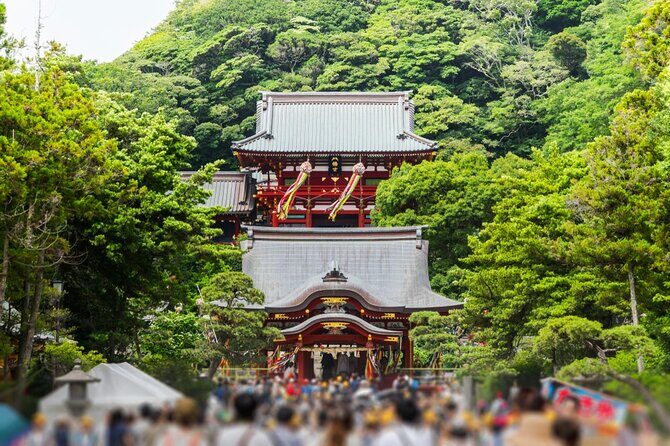
Sankeien Gardens is where the day slows down. You’ll have about 2 hours in a traditional Japanese garden with ponds, tea-house style spaces, and historic buildings relocated from across Japan.
What I like about garden time on a day trip like this is the breathing room. In a 9–10 hour schedule, you need a pause that isn’t just sitting in the car. Sankeien gives you that, plus a good chance to see traditional architecture in a setting designed for walking at an easy pace.
One caution: admission isn’t included, so you’ll want to pay attention to the optional entry cost on-site. Still, it’s the kind of stop that can feel worth it because you’re paying for the environment, not just a single photo point.
Landmark Tower Sky Garden: Big Views Without Mandatory Fees
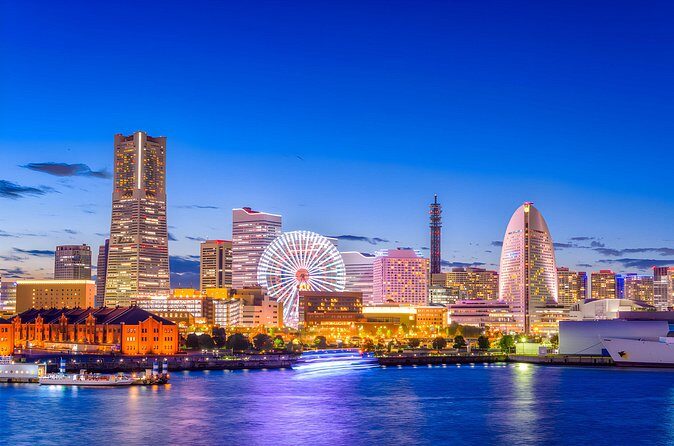
If you want a high view, the tour includes a stop at Yokohama Landmark Tower Sky Garden for about an hour. The tower is 296 meters, and it’s known for panoramic views stretching across the wider area on clear days (the tour info notes that visibility depends on conditions).
Admissions here aren’t included, so you have control. If weather is poor, skipping can save money and keep the day comfortable. If the sky cooperates, the payoff is straightforward: you get scale, geography, and a skyline snapshot that’s hard to recreate at street level.
For planning, think of this as optional “quality time” rather than a must-do. You’re already getting skyline vibes at Minato Mirai.
A few more Tokyo tours and experiences worth a look




Yokohama Chinatown: Street Food Stops You Can Actually Enjoy
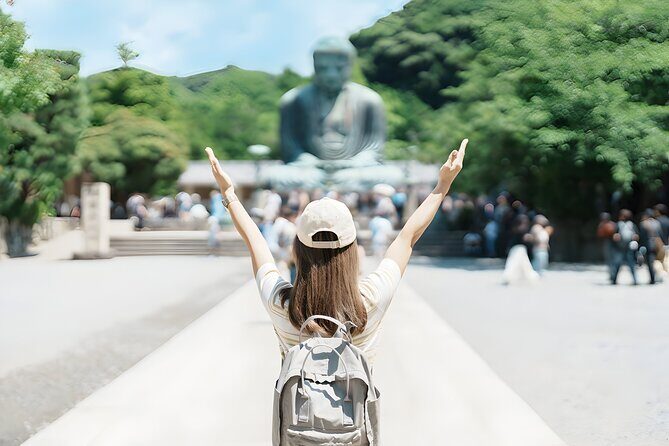
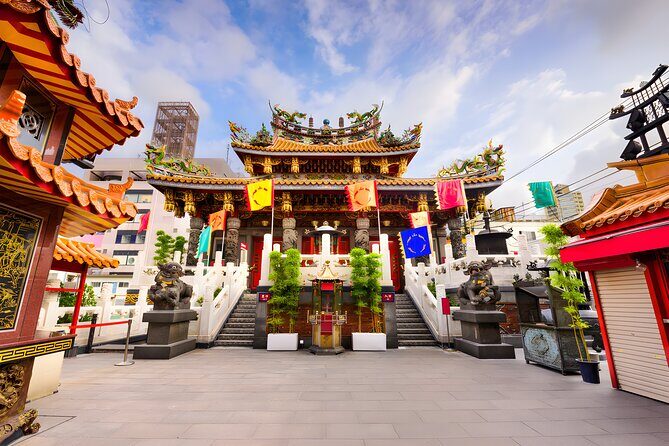
Yokohama Chinatown is the day’s lively food and shopping moment, with about an hour allocated. This is described as the largest Chinatown in Japan, filled with shops and street-food stalls in a dense, historic-style setting.
I like Chinatown stops because they don’t require a perfect game plan. You can browse first, then decide what you want to eat without needing a long walk to “earn” the time.
The tour’s biggest advantage is simplicity: you go there as part of the route, not as an extra errand. Just know that while the Chinatown stop itself is listed with free admission, food costs are obviously on you. If you have dietary restrictions, plan to ask what’s in sauces and fillings as you choose.
Kotoku-in Great Buddha: The Iconic Bronze Stop
Kamakura’s first major heritage moment is Kotoku-in, home to the Great Buddha. You’ll get about an hour here, and it’s one of those places where the “what” is famous and the “how it feels” is what makes it memorable.
This is a bronze Buddha that’s been around since the 13th century, and it has a calm, solid presence. In a busy day, that matters. It’s not a place that demands constant movement; it rewards a slower look.
Since admission isn’t included, check the on-site fee if you want to go inside areas tied to the temple complex. Even if you spend most time looking around, you’ll still get the main experience.
Hokoku-ji Bamboo Grove: Quiet Walk and Tea-House Atmosphere
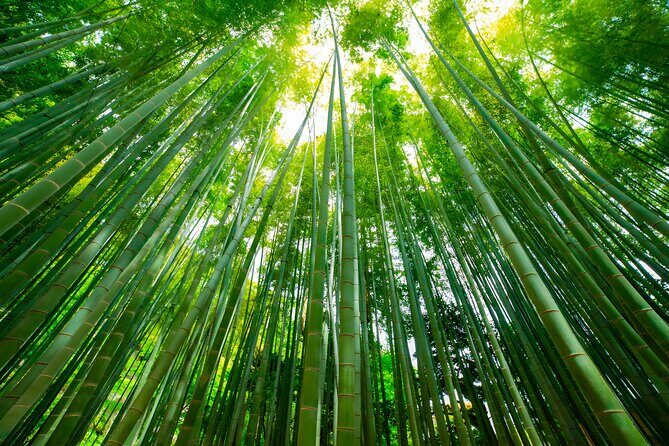
Next is Hokoku-ji, including its bamboo grove and a traditional tea house feel. The schedule gives you about an hour, which is usually enough for a quiet walk without rushing through the atmosphere.
This stop is often the kind of contrast you want after the more famous Great Buddha. Bamboo tends to do what you hope: it makes the space feel cooler and calmer. You also get a moment that’s more sensory than sightseeing—light through stalks, soft pathway sounds, and that stillness temples can create.
Admission isn’t included, so again, consider the optional entry cost. If you’re trying to keep the budget lean, focus on what you can enjoy outside of paid areas, but don’t ignore it if you’re the type who likes temple grounds and gardens.
Tsurugaoka Hachimangu: Kamakura’s Key Shrine in a Historic Setting
You’ll then visit Tsurugaoka Hachimangu, Kamakura’s most important Shinto shrine. It’s about an hour, with free admission listed.
This is a shrine founded in 1063, later expanded by Minamoto no Yoritomo, who connects it directly to the Kamakura shogunate era. Even if you don’t memorize dates, you’ll feel the official, ceremonial importance of the place.
One practical tip: shrine areas are great for people-watching and slow photos. If you want to keep the day smooth, use your hour here for calm pacing rather than trying to tick off every side alley you see.
Hasedera Temple: Kannon Statue, Ocean Views, and Seasonal Color
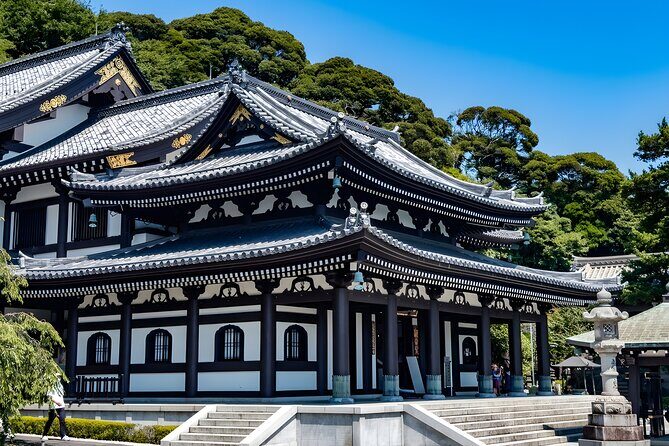
The final major stop is Hasedera Temple, with about an hour. It’s known for a large wooden statue of Kannon (Goddess of Mercy), and the temple grounds also include ocean views plus a cave area.
The tour info also calls out seasonal detail: there’s mention of a hydrangea path in early summer. That doesn’t mean it’s only worth visiting then, but it does suggest Hasedera has moments that change by season, so your timing can affect what stands out most.
Admission isn’t included here either, so decide in advance whether you want to pay for entry. If you do, expect the temple to feel like a proper conclusion to the day—less “checklist icon,” more place you linger because the scenery and features give you reasons to look around.
Price and Value for a Private Day Trip (Up to 3)
At $360 per group (up to 3) for about 9 to 10 hours, the cost is high compared to shared public tours. But the math changes when you compare what you’re buying.
You’re paying for:
- a private air-conditioned vehicle
- a chauffeur who drives and provides English context
- fuel, parking, and toll coverage
- bottled water
- pickup offered
The big value play is group size. If you’re traveling as two or three people, the cost per person drops fast compared with private tours designed for only one traveler at a time.
Also, admissions are mostly optional and paid on-site, so you can keep costs from ballooning. If you choose to skip places like Sky Garden when weather isn’t good, you can adjust the total spend to match your priorities.
If you’re traveling solo or you’re very price-driven, you might prefer a cheaper train-and-walk plan. But if comfort and time efficiency matter to you, this format is buying stress reduction as much as sightseeing.
What I’d Watch Out For in a Tight 9–10 Hour Schedule
This is a full day with 8 major stops. That’s great for people who want variety, but it does mean you should treat the day like a plan, not a loose suggestion.
Your main limitation is walking time at each stop plus the drive time between areas. Since the tour doesn’t include a dedicated walking guide, you’ll rely on the chauffeur’s in-car commentary for most of the context. If you prefer deep, on-the-ground explanations at every site, you may want to bring a little personal reading or audio guide support.
Another thing: optional admissions can change your final spend. The tour lists some stops as free and others as not included, so take a quick inventory before you arrive at each place.
Who This Tour Fits Best
I think this private day trip is ideal if you:
- want a comfortable day outside Tokyo without sorting trains and transfers
- like a mix of skyline views and temples/shrines
- travel as a pair or trio and want privacy
- prefer flexibility over a rigid group itinerary
It’s also a good fit for first-timers to the region who want the biggest Kamakura icons without trying to coordinate everything alone.
Should You Book This Tour?
Book it if your top priority is a smooth, private day where you can see Yokohama and Kamakura without turning your vacation into a logistics project. The combination of Minato Mirai, Sankeien Gardens, Chinatown, and Kamakura’s Kotoku-in plus Hase-Dera is a strong “greatest hits” mix, especially when you’re guided by an English-speaking chauffeur.
Skip it (or modify your plan) if you hate optional admissions costs, you want long unstructured wandering, or you need a walking guide at every stop. In that case, a more flexible do-it-yourself approach might better match your style.
If you’re good with a busy but well-organized day—and you value comfort and clarity—this is an easy decision.
FAQ
How long is the Yokohama and Kamakura private day trip?
The tour runs about 9 to 10 hours.
What is the price, and how many people can join?
It costs $360 per group, up to 3 people.
Is pickup offered?
Yes, pickup is offered.
Is this a private tour?
Yes. It’s private, and only your group participates.
Is the chauffeur English-speaking?
Yes, you’ll have an English-speaking chauffeur.
Are admission fees included?
Some sites are listed as free, and others have admission not included. Entry/admission fees are optional and must be paid on-site by guests.
Do I need a walking guide?
No walking guide is included. Insights are given mostly while in the car between destinations.
What stops are included in the itinerary?
The tour includes Minato Mirai 21, Sankeien Gardens, Yokohama Landmark Tower Sky Garden (optional admission), Yokohama Chinatown, Kotoku-in (Great Buddha), Hokoku-ji Bamboo Grove, Tsurugaoka Hachimangu Shrine, and Hasedera Temple.
What’s included in the tour price?
Bottled water, an air-conditioned vehicle, the English-speaking chauffeur, and fuel/parking/toll fees are included.
What is the cancellation policy?
Free cancellation is available up to 24 hours in advance for a full refund. If you cancel less than 24 hours before the start time, the amount paid isn’t refunded.