REVIEW · OSAKA
Cooking Class for Ramen and Gyoza in a Quiet Old Osaka House
Book on Viator →Operated by JP tourism · Bookable on Viator
Cooking in a quiet old house beats crowded food tours. This Osaka class pairs real, hands-on ramen and gyoza practice with the warm coaching of Ayumi, a local home-cooking expert. The setting is a renovated 90-year-old house kitchen studio, so the whole experience feels calm, personal, and very Japanese in tone.
I especially love two things: first, you cook the food together with an English-speaking instructor in a group capped at just 6 people; second, lunch is built in, so you leave with both skills and something genuinely delicious to eat. One thing to consider: if you want zero time spent talking and zero group interaction, this format may feel a bit chatty, since the class includes ingredient introductions and cultural exchanges.
In This Review
- Key highlights you’ll care about
- Quiet 90-Year-Old Osaka House Kitchen: The real reason this class feels different
- Meet Ayumi and settle into a small-group cooking rhythm
- What you actually learn first: ingredients, condiments, and Japanese kitchen logic
- Ramen lunch: soy-sauce soup with pork toppings you can rebuild later
- Gyoza from scratch: homemade wraps, then pork/beef and vegetable filling
- The quiet-house details: chopsticks in origami holders and small thoughtful touches
- English instruction that actually helps you cook, not just observe
- Price and value: what you’re paying for at $93.44 per person
- Shared vs private class: who should choose which
- Logistics that help you actually enjoy the class
- Should you book this ramen and gyoza class?
- FAQ
- Is the cooking class taught in English?
- What is included with the class lunch?
- How long is the experience?
- How many people are in the group?
- Can the class accommodate food allergies or restrictions?
- Is there an option for a private class?
Key highlights you’ll care about
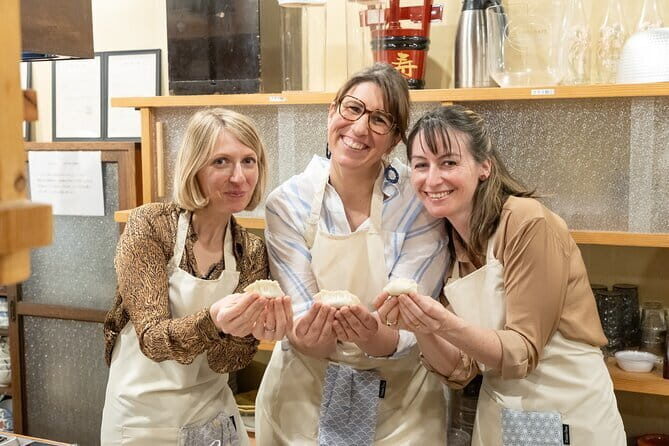
- Renovated 90-year-old house kitchen that feels like home, not a classroom
- English instruction with an organized, friendly approach from Ayumi
- Small group size (max 6) for better attention while you cook
- Lunch included: soy-sauce ramen with pork toppings plus gyoza with homemade wraps
- Thoughtful extras like Japanese-made chopsticks in origami-style holders
Quiet 90-Year-Old Osaka House Kitchen: The real reason this class feels different
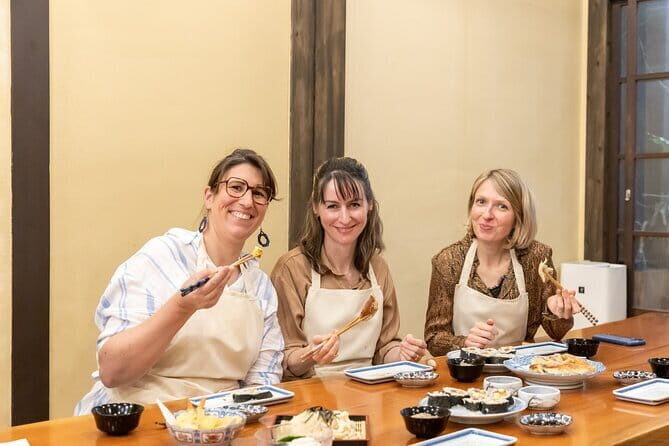
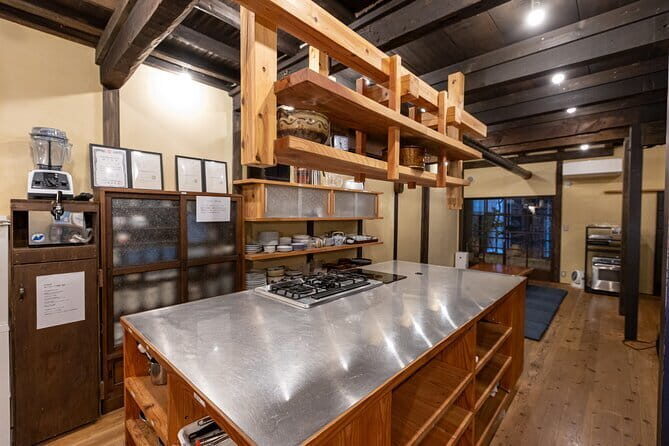
Osaka can be loud, fast, and neon-bright. This experience flips that energy. You’re cooking in a renovated kitchen studio inside a 90-year-old house, which changes the mood right away—more steady, more intimate, and easier to focus on what you’re doing with your hands.
I like that the day is structured around getting you from ingredients to finished food, not around watching from the sidelines. It’s also a smart match for learning: when the room feels calm, you’re more likely to remember the steps and ask questions when something doesn’t go as expected.
You can also read our reviews of more cooking classes in Osaka
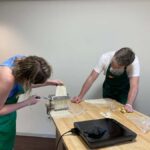
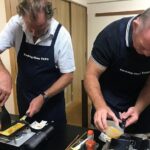
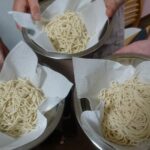
Meet Ayumi and settle into a small-group cooking rhythm
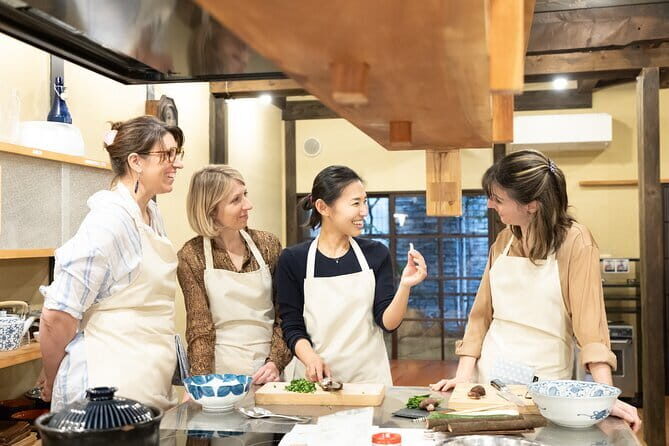
The class runs about 2 hours 45 minutes, starting at 10:30 am, and it ends back at the meeting point. You’ll gather at 6 Chome-13 Tanimachi, Chuo Ward, Osaka, 542-0012, and then head into the kitchen studio where everything is set up for cooking together.
Group size matters here. With a maximum of 6 travelers, you’re not lost in a crowd, and that makes a difference when you’re learning dumpling wrapping or ramen techniques. And since the class is offered in English, you can actually follow along and understand why certain ingredients or steps matter, instead of just memorizing motions.
Ayumi is the key to the atmosphere. She’s described as local, growing up eating Japanese home cooking, and she’s a certified dietary education instructor with more than 5 years of teaching cooking at home and at school. In practice, that shows up as guidance that feels both relaxed and organized—like someone who wants you to succeed, not someone who rushes you through.
What you actually learn first: ingredients, condiments, and Japanese kitchen logic
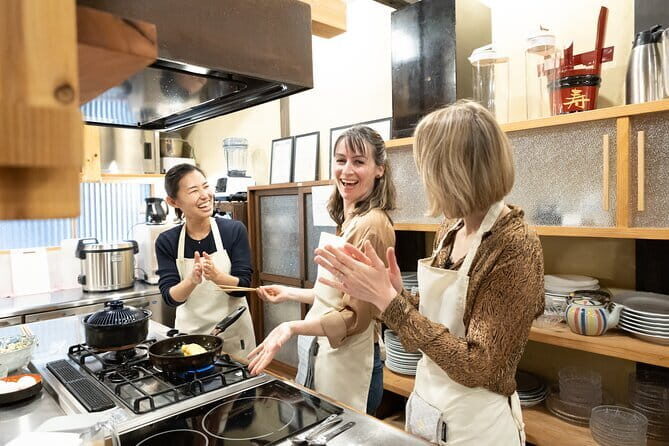
Classes like this often start with a quick rundown that people forget ten minutes later. Here, you start with an introduction to ingredients and condiments common in Japanese kitchens. It’s the right kind of pre-game because ramen and gyoza both depend on flavor balance—soy sauce depth, savory toppings, and the way aromatics show up in dumplings.
You’ll also have space to exchange food cultures and customs while you cook and eat. That’s not just social padding; it helps you connect what you’re making to what you already know. If you’re used to Western dumpling approaches or different soup styles, you’ll be able to translate the idea of Japanese comfort flavors into your own cooking brain.
If you have food allergies or restrictions, tell the organizer when you book. They say they’ll try their best to accommodate, but you should treat that as a request, not a guarantee, since the data only says they’ll do their best.
Ramen lunch: soy-sauce soup with pork toppings you can rebuild later
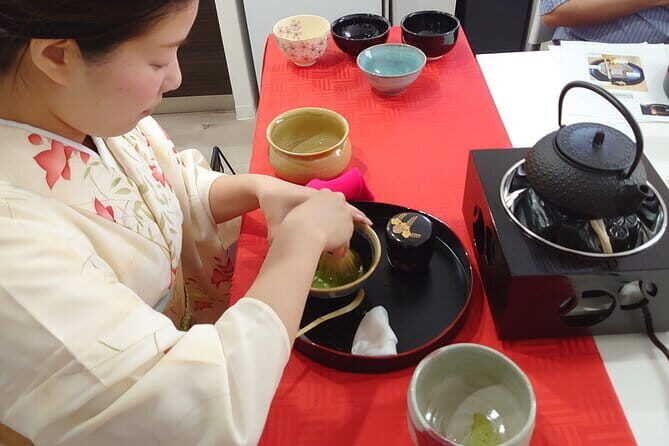
Lunch is included, and it’s not a sad add-on. You’ll eat ramen in a soy sauce-based soup with pork toppings. You’re also learning during the process, which is the difference between paying for a meal and paying for a skill.
Soy-sauce ramen is a great choice for home cooking because the flavor base is familiar and adjustable. Even without specific measurements provided here, the method you learn should give you a framework: how to think about savory depth, seasoning balance, and what makes pork toppings feel like comfort food rather than just cooked meat.
When you cook together, you’ll also pick up pacing—how long things need before they’re ready, how to coordinate steps so nothing cools off too much, and how to taste as you go. That “taste and adjust” habit is often what separates casual ramen attempts from bowls that actually taste right.
And when you sit down to eat, you get the immediate payoff: you’re tasting something made with your own hands in a small group setting. That matters for learning. It turns the class into a memory you can reproduce, not just a meal you consumed.
Gyoza from scratch: homemade wraps, then pork/beef and vegetable filling

Gyoza is one of those foods where the technique is the whole point. In this class you’ll make gyoza with homemade wrap and pork/beef and vegetable fillings. That combination is ideal for learning because it forces you to understand two crucial things: the wrapper and the filling.
Homemade wraps sound simple, but the key detail is texture. If the wrapper is too thick, it won’t crisp nicely. If it’s too thin, it can tear or feel fragile. Dumpling-making teaches you patience and control, and the class format gives you enough time to practice, not just assemble.
For the filling, having both pork and beef options (along with vegetables) helps you understand how Japanese home-cooking flavor works. It’s usually about balance—savory meat, soft vegetable texture, and seasonings that don’t overpower. You’ll get the idea of how gyoza should taste: rich and savory, but not heavy in a way that kills the next bite.
If you’ve only had gyoza from shops, this will also change your expectations. Restaurant gyoza can look uniform because the process is perfected by volume. Making it at home helps you understand what “good gyoza” actually feels like when you bite into it—thin wrapper edges, a juicy interior, and that satisfying pan-fried contrast.
A few more Osaka tours and experiences worth a look

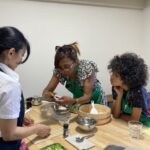

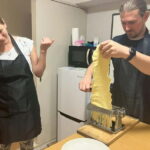
The quiet-house details: chopsticks in origami holders and small thoughtful touches
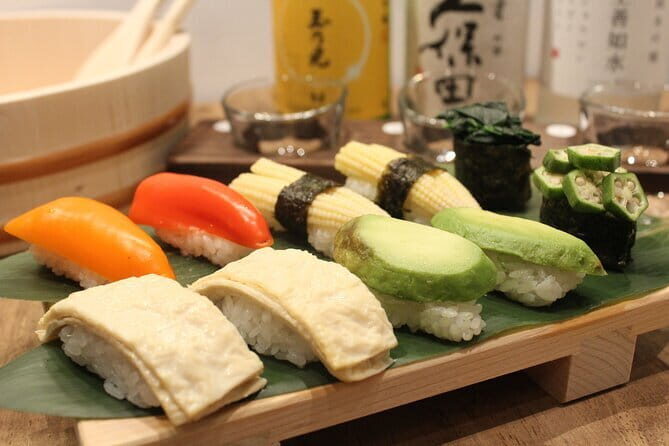
One of the fun extras here is that all participants receive Japanese-made chopsticks in holders made with origami and cute decorations. On its own, it’s just a small gift. In a class like this, it becomes a symbol of the vibe: careful, personal, and made to be used.
Chopsticks gifts also work as a practical souvenir. After you get home, you’ll actually use them—meaning the experience stays tied to your daily life, not trapped in a photo folder.
The house setting reinforces the same theme. A renovated older home can feel tight or quirky in some experiences. Here, it’s described as a kitchen studio with a wonderful atmosphere, so you get that character without losing comfort while you cook.
English instruction that actually helps you cook, not just observe
You’ll get instruction in English, which is a real advantage when you’re trying to learn technique. Cooking is hard to learn through gestures alone—especially with things like dumpling wrapping and coordinating multiple steps.
Ayumi’s background in dietary education also matters. Even if you don’t think about nutrition while cooking, the training tends to create clarity: ingredients explained, process organized, and guidance that helps you understand what you’re doing rather than guessing.
The class is also designed so you don’t just stand there. You’re cooking together, then eating together, then talking. That social element isn’t required to enjoy the food, but it often makes the learning stick because you’re actively engaged.
Price and value: what you’re paying for at $93.44 per person
At $93.44 per person, this isn’t the cheapest food activity in Osaka. But it isn’t overpriced for what you’re getting either. You’re paying for:
- Hands-on instruction (not just tasting)
- A small group size capped at 6
- Lunch included: ramen and gyoza
- English support in a real kitchen setup
- A local instructor with years of teaching experience
In many cities, cooking classes can split into two categories: either you pay for a meal with minimal learning, or you pay for a lesson with no food value. This one combines both. You’re fed, and you’re also leaving with methods you can attempt again at home.
The fact that it’s a shared class (with private options available) also helps value. Shared classes keep costs down while still offering meaningful attention thanks to the small max group size.
If you’re the type who wants to eat your way through Japan, this may still be a better buy than another short “taste and walk” experience. You’ll leave with food skills you can use again, even if you do nothing else on your trip.
Shared vs private class: who should choose which
A shared class is the standard format. It’s social, and it can be great if you like meeting people while you learn.
A private class is available too, and you can contact the provider directly to book it. One key note: if you have accompanying children under 6, they say you should book a private class. So if you’re traveling with younger kids, the private option may be the smoothest choice.
I’d choose shared if you want energy and conversation. I’d choose private if you want a quieter pace, more individualized attention, or you’re working around specific dietary needs and want the instructor focused on your group.
Logistics that help you actually enjoy the class
This activity is near public transportation, which matters in Osaka where subway routes can make or break your schedule. The start time is 10:30 am, so it fits nicely as a late-morning plan—after breakfast, before you go full sightseeing mode.
The class includes a mobile ticket, which reduces fuss. The experience starts at the meeting point and ends back there, so you don’t need to plan a separate walk back or taxi ride.
Also note the simple timing reality: with an experience lasting close to 2 hours 45 minutes, you’ll want to plan something lighter around it. You’ll be eating, cooking, and likely talking—so keep your next stop uncomplicated.
Should you book this ramen and gyoza class?
Book it if you want an Osaka experience that feels calm and local, not just another food stamp on your itinerary. The biggest reason is the combination of a small group, a real kitchen setup in an older renovated house, and a teacher like Ayumi who’s described as warm, organized, and able to teach in perfect English.
Skip it only if you strongly dislike group interaction or you want a super hands-off activity. Since the class is built on cooking together and exchanging customs, there’s no escape hatch where you just watch silently.
If your goal is to go home able to make ramen and gyoza again, this class is a strong bet. You’ll get lunch plus recipes you can practice, and you’ll do it in an atmosphere that makes it easy to learn.
FAQ
Is the cooking class taught in English?
Yes. The class is offered in English.
What is included with the class lunch?
You’ll have ramen in a soy sauce-based soup with pork toppings, plus gyoza with homemade wrap and pork/beef and vegetable fillings.
How long is the experience?
The class lasts about 2 hours 45 minutes.
How many people are in the group?
The maximum group size is 6 travelers.
Can the class accommodate food allergies or restrictions?
You’re asked to tell the organizer when you book if you have any allergies or restrictions, and they will try their best to accommodate.
Is there an option for a private class?
Yes. Shared and private classes are available. For private bookings, you need to contact the provider directly. Children under 6 should book a private class.