REVIEW · HIROSHIMA
Hiroshima & Miyajima Full-Day Private Tour with Licensed Guide
Book on Viator →Operated by Minami. K · Bookable on Viator
Hiroshima and Miyajima, one smooth day. This full-day private tour pairs a government-licensed guide with easy public-transport travel, so you get context as you move from Peace Memorial Park to Miyajima. It’s also flexible, meaning the pace and stop order can lean toward what you care about most.
I especially like how the guide turns the memorials into real messages, not just photo stops. You’ll also spend time in Miyajima, where the floating torii gate and Itsukushima Shrine feel like a postcard you can walk inside—plus you get guided explanation along the way. One thing to consider: it’s an 8-hour day with steady walking, and on hot days you’ll want water and patience, even though the route is efficient.
In This Review
- Key Things You’ll Appreciate Most on This Private Day
- Two World-Heritage-Style Stops, Connected by Meaning
- Hiroshima Peace Memorial Park: More Than a Walk Through Names
- Peace Memorial Museum + A-Bomb Dome: How to Get the Timing Right
- Tram Time Through Hiroshima + Okonomiyaki Break
- Miyajima Island: Torii, Itsukushima Shrine, and Daishoin Temple
- Getting Back to Hiroshima Station: Ferry and Train Views
- Price and Value: What You’re Paying For at $225 Per Person
- Heat, Walking, and Other Real-World Considerations
- Who Should Book This Private Hiroshima + Miyajima Tour
- Should You Book This Private Hiroshima and Miyajima Tour?
- FAQ
- How long is the Hiroshima and Miyajima private tour?
- Does the tour include hotel pickup?
- Where do I meet if I’m not doing hotel pickup?
- Is lunch included in the tour price?
- Are museum and other entry tickets included?
- Do you use public transportation or taxis?
- Is the tour cancellable for free?
Key Things You’ll Appreciate Most on This Private Day
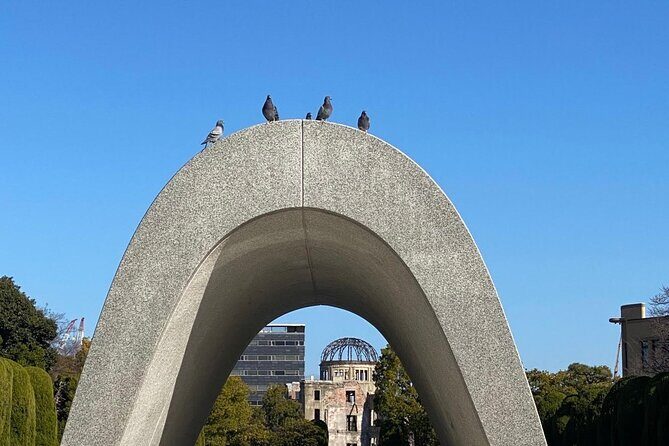
- Monument-by-monument explanations in Peace Memorial Park so you know what you’re looking at.
- Peace Memorial Museum ticket included for the deeper background behind the memorials.
- A-Bomb Dome stop with guided framing about what changed in Hiroshima before and after WWII.
- Tram and ferry time to Miyajima—a very local way to get there.
- Itsukushima Shrine and Torii sightseeing with a guide plus time on the island for the atmosphere.
- Private format with your group only, making it easier to ask questions and adjust pacing.
Two World-Heritage-Style Stops, Connected by Meaning
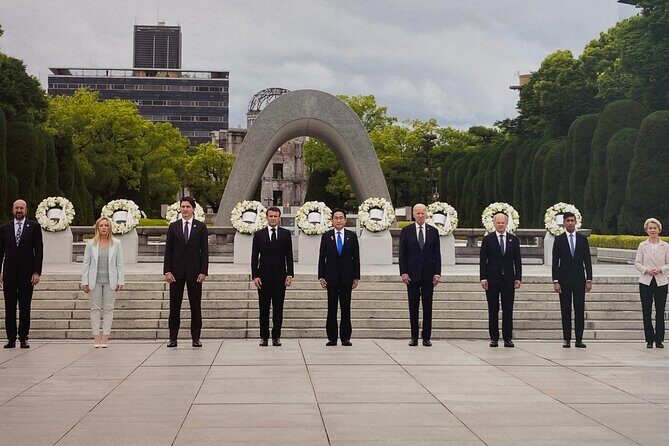
Hiroshima and Miyajima can feel like two different trips: one is heavy and historical, the other is scenic and spiritual. That contrast is exactly why this day works. You start with the story of Hiroshima—its memorials, its loss, and the idea of remembrance—then you shift to Miyajima, where the island feels timeless and visually calm. With a licensed guide, the day doesn’t bounce around randomly. It moves with purpose.
The private setup matters too. When you’re not sharing a guide with strangers, you can ask the question that’s on your mind right now. And if you want a slightly longer pause at the Peace Memorial sites or a slower walk in Miyajima, you’re not stuck in a rigid group rhythm.
You’ll mainly use public transport, and that’s part of the value: you get the look and feel of how people actually move around Hiroshima. Taxis can be arranged at extra cost if you need them, but the default plan is efficient and transit-friendly.
You can also read our reviews of more guided tours in Hiroshima
Hiroshima Peace Memorial Park: More Than a Walk Through Names
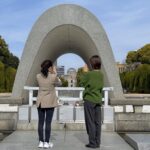
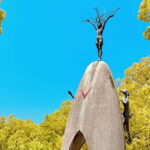
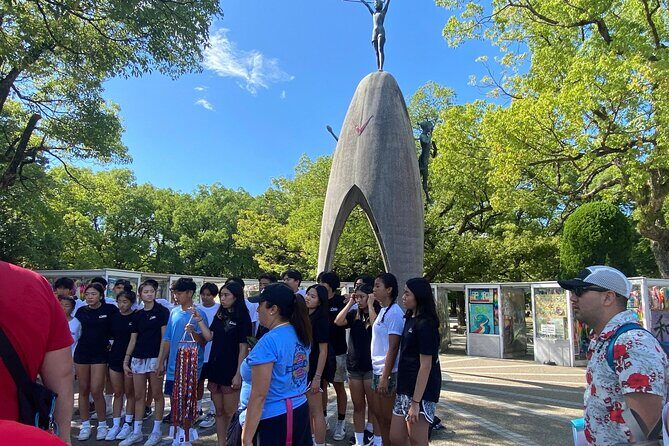
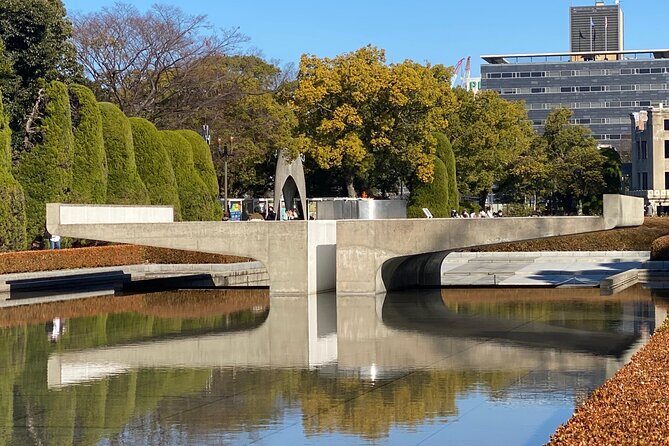
The first major block of time is Hiroshima Peace Memorial Park. This is where you slow down—because the place asks you to. You’ll walk through the park while your guide explains how each monument and statue is meant to communicate specific messages. That turns the experience from seeing symbols into understanding why they exist.
What I like about this approach is that you’re not left to guess. Peace Memorial Park has many elements, and if you’re relying only on signage, it’s easy to miss the intent behind them. With guided explanation, you’re better prepared to notice the subtle differences between memorials—how they point to different aspects of history and human response to it.
Plan for a thoughtful pace here. There are moments where you’ll probably want to stop and just look around. If you’re the type who takes photos fast, this part is better when you put the camera away for a bit and let your eyes adjust.
Peace Memorial Museum + A-Bomb Dome: How to Get the Timing Right

After the park walk, you head to the Peace Memorial Museum. The museum time is around an hour, and it’s built for going through the exhibits at a comfortable pace. You can move through on your own or follow along with your guide—so you can choose your style.
I’d treat this like the emotional “anchor” of the day. The museum helps connect the memorials outside to the broader historical facts you’ll want in your head as you move forward. Even if you’ve read about Hiroshima before, the museum experience tends to make details feel more concrete.
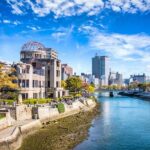
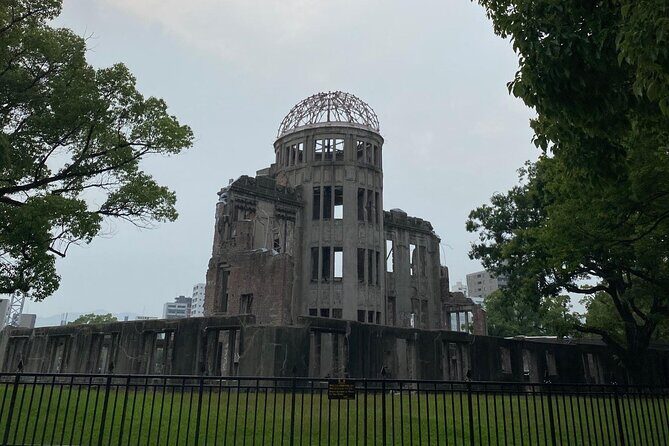
Then comes the A-Bomb Dome. You’ll have a short window of about 30 minutes, and your guide will talk through what happened in Hiroshima before and after WWII before you get to see the remaining rubble around the dome. The dome is famous for a reason, but the guided framing helps you see it as evidence, not just an iconic photo.
Practical note: this is not a light day. If you think you’ll need a break from heavy themes, bring a small plan—sit for a few minutes, drink water, or step aside when you need to reset.
Tram Time Through Hiroshima + Okonomiyaki Break
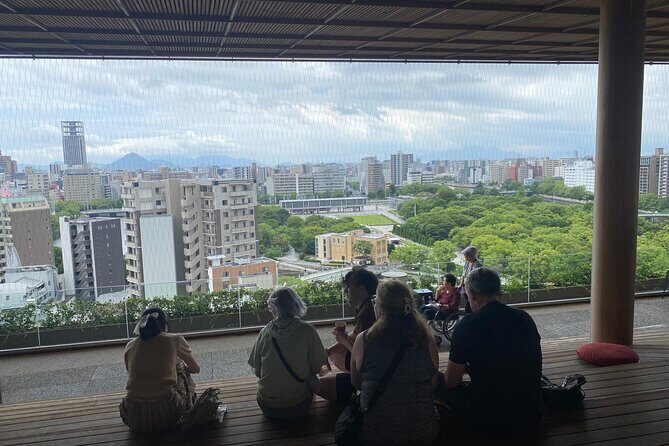
After the memorial sites, you travel by tram toward Miyajima. The route gives you a view of Hiroshima city, including rivers and mountains. It’s a small but smart shift: you’re moving from history-heavy spaces into normal city life, and that transition helps the whole day feel balanced rather than relentless.
Then you’ll stop for okonomiyaki, Hiroshima’s local specialty. It’s often described as a kind of Hiroshima-style pizza, but the important part is this: it’s a local comfort food that keeps you fueled without turning lunch into a whole detour.
A key point for your planning: lunch isn’t included in the tour price. The day includes an okonomiyaki lunch stop, but you should treat meal spending as something you’ll handle separately. That way, you won’t get surprised when it’s time to pay or order.
If you’re traveling with specific dietary needs, this is a good moment to ask your guide what options are realistic. Since the tour is private, you can get direct, on-the-spot suggestions rather than scanning a menu in uncertainty.
Miyajima Island: Torii, Itsukushima Shrine, and Daishoin Temple
Miyajima is the payoff. You take a tram and ferry ride to the island, and you’ll spend around a couple hours and change sightseeing with your guide. The island’s UNESCO status is part of the story, but what you’ll feel first is the atmosphere—slower, scenic, and very much its own world.
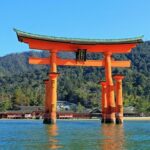
Your main highlights are the floating torii gate and Itsukushima Shrine. Standing near the torii, you get that famous “floating” look that changes with the tide and the viewing angle. Your guide’s explanation matters here too, because the shrine and torii aren’t just visuals; they’re part of a religious and cultural setting that people treat with real respect.
From there, you’ll also visit Daishoin Temple. That stop rounds out the island experience beyond the most photographed spot. It gives you variety: you’re not only chasing one view. You get to move through different parts of the island’s sacred landscape and see how the experience broadens as you walk.
Practical note: Miyajima involves walking. Wear shoes you can trust for uneven ground and steps. If you’re sensitive to crowds, going at a steady pace with a guide helps you decide when to pause and when to keep moving.
You can also read our reviews of more private tours in Hiroshima

Getting Back to Hiroshima Station: Ferry and Train Views
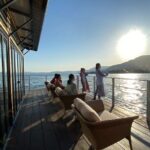
After Miyajima, the plan brings you back toward Hiroshima. You’ll take a ferry and use Japan Rail to return to Hiroshima station. This leg is about getting your energy back while enjoying the views from the water and along the way.
You’ll also have time at Hiroshima Station afterward for any souvenir browsing you want. It’s a good buffer before you head to your next plan, especially if your travel day includes dinner elsewhere.
This “wrap-up” portion is underrated. A lot of day tours drop you and run. Here, you get a structured return route, plus enough time to regroup without feeling rushed.
Price and Value: What You’re Paying For at $225 Per Person
At $225 per person for a private, full-day experience, the value comes from three things.
First, you’re paying for a government-licensed guide who can explain what you’re seeing in both Hiroshima’s memorial sites and Miyajima’s sacred spots. That kind of context is hard to replace with self-guided walking, especially at memorials where details matter.
Second, the tour includes entry tickets and public transportation fees. You’re not only paying for sight access; you’re also paying for smoother logistics so you can spend your mental energy on the places themselves.
Third, the private format reduces friction. You’re not managing a schedule around other people’s pace, and you’re more able to ask questions that come up naturally—like why a monument is shaped a certain way or what a shrine setting is meant to represent.
What you should budget for separately is lunch. The itinerary includes an okonomiyaki lunch stop, but lunch is not included in the tour price. Also, taxi fares are not included—though taxis can be arranged at extra cost if needed.
For travelers who want history explained clearly and still want a beautiful, structured island visit, this pricing can feel fair. If your priority is just quick photos, you might find cheaper options. But if you want meaning, timing, and guidance without the hassle, this tour earns its place.
Heat, Walking, and Other Real-World Considerations
This is a day with movement: trams, ferries, walking at the memorial park, then walking on Miyajima. Reviews also point to one real factor: heat. Even with transit help, you’ll still be outdoors for stretches, so plan like it’s a full sightseeing day, not a museum-only half-day.
A few ways to make it easier:
- Carry water and take short breaks when you need them.
- Wear breathable layers, especially if you travel in summer.
- Use the guide’s flexibility to pace yourself. A good guide will adjust how fast you move based on how your group feels.
If you have mobility concerns, note that the tour does involve walking and transit. On the positive side, service animals are allowed, and most travelers can participate, but you’ll want to judge it based on your own walking comfort.
Who Should Book This Private Hiroshima + Miyajima Tour
This tour is a great fit if you:
- Want a licensed guide who can explain both solemn history and cultural sights.
- Prefer public transport to taxis so you can experience how people actually ride.
- Like the idea of pairing a serious memorial day with a scenic, spiritual island visit.
- Value the private format where your questions can shape the day.
It’s also useful if you like structure. The day has clear stops, ticket coverage, and a guided flow from Hiroshima to Miyajima and back.
You might choose something else if:
- You don’t want to spend time in a museum.
- You prefer a more free-form schedule with no guided explanation.
- Your group is very small and you’re purely chasing the cheapest day-trip option.
Should You Book This Private Hiroshima and Miyajima Tour?
If your goal is to understand Hiroshima beyond the postcard images, and still end the day somewhere beautiful and memorable, this tour is an easy yes. The guided explanations at Peace Memorial Park, plus the museum and A-Bomb Dome framing, make the history feel organized instead of overwhelming. Then Miyajima adds the visual reward—torii, shrine, and temple—paired with guided context so it doesn’t become just a photo sprint.
Book it if you like thoughtful pacing, clear explanations, and a smooth logistics plan built around trams and ferries. Just be ready for a full, walking-heavy day, and plan for lunch spending.
FAQ
How long is the Hiroshima and Miyajima private tour?
The tour runs about 8 hours.
Does the tour include hotel pickup?
Hotel pickup is offered. Your guide meets you at your hotel and travels with you using public transport.
Where do I meet if I’m not doing hotel pickup?
The start point is Hiroshima Station (1-2番37号 Matsubarachō, Minami Ward, Hiroshima, 732-0822, Japan). The activity ends back at the meeting point.
Is lunch included in the tour price?
Lunch is not included in the tour price. The day includes an okonomiyaki lunch stop.
Are museum and other entry tickets included?
Yes. All entry tickets are included, and public transportation fees are included as well.
Do you use public transportation or taxis?
The tour mainly uses public transport. Taxis can be arranged at an extra cost.
Is the tour cancellable for free?
Free cancellation is available up to 24 hours in advance of the experience start time for a full refund.