REVIEW · HIROSHIMA
Hiroshima: Miyajima Island & Peace Park Guided Tour
Book on GetYourGuide →Operated by Shah Quest · Bookable on GetYourGuide
Two islands, one unforgettable day. This guided loop links serene Miyajima Island moments with Hiroshima’s Peace Memorial sites, keeping the routes simple and the context clear. You’ll get the iconic view at Itsukushima Shrine with the famous torii, and you’ll also hear the kind of museum stories that actually stay with you.
I especially like how the plan balances sightseeing with reflection, instead of rushing you through everything. One watch-out: the day includes a fair amount of walking, and weather can swing fast, so plan for comfortable shoes and a light layer.
In This Review
- Key things to know before you go
- Getting from Hiroshima Station to Miyajima without the stress
- Itsukushima Shrine and the floating torii: how to see it right
- Daishō-in Temple and Omotesando: a calmer side of Miyajima
- Ferry back, tram across Hiroshima: the day’s emotional gear shift
- Atomic Bomb Dome and the memorial core: what you’ll actually cover
- Inside the Peace Memorial Museum: guided context that sticks
- Price and pacing: is $137 good value for this 6-hour plan?
- Small things to pack so the day stays pleasant
- Should you book this Hiroshima: Miyajima Island & Peace Park guided tour?
- FAQ
- Where do I meet for the tour?
- How long is the tour?
- What transportation is included?
- Which sites will we visit on Miyajima Island?
- What Peace Memorial sites are included in Hiroshima?
- Are meals included?
- What should I bring?
- Is the tour wheelchair accessible?
- What languages is the guide speaking?
- Is the tour private or group-based?
Key things to know before you go
- Private-group pacing keeps the day from feeling like a cattle line.
- Guide-led meaning, not just photos, especially at the Peace Memorial Museum and monuments.
- Efficient local transport: JR train + ferry + tram are all part of the flow.
- Miyajima is more than the shrine: you also go up to Daishō-in and walk Omotesando.
- Quick photo stops at major memorials help you hit the biggest sites without losing time.
Getting from Hiroshima Station to Miyajima without the stress
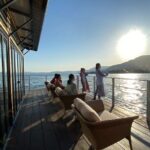
The day starts at Hiroshima Station Shinkansen Exit, and from there the tour handles the big logistics for you. You take a JR train to Miyajimaguchi, then hop on a ferry to Miyajima Island. In plain terms, that means less time figuring out transit and more time arriving in the right order.
The JR portion is short enough to feel easy, and the ferry ride adds a nice reset before you step into shrine-country. On a day like this, I like having the route locked in. Miyajima can be crowded at peak hours, so getting there with a guide who knows how to time the walking matters.
Also, you’re not on your own if questions pop up. Your guide (English or Hindi) is there in real time to explain what you’re seeing and why it matters, which is a big part of the value of a guided format.
You can also read our reviews of more guided tours in Hiroshima

Itsukushima Shrine and the floating torii: how to see it right
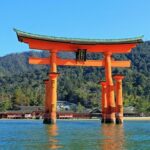
At Miyajima, your first major cultural moment is the Itsukushima area—home of the famous Itsukushima Shrine and the floating torii gate. You’ll get guided time here, not just a quick look and run. That guided structure helps because the torii isn’t just a pretty photo. It’s tied to the island’s spiritual identity and the way worship and landscape interact.
A big practical point: you’ll want your camera ready, but also give yourself time to actually stand and take it in. The best photos usually come from position and patience, not frantic sprinting. With a guide, you’ll typically avoid common dead-ends (like walking the long way to the viewpoint you actually need).
You’ll also have time for the immediate shrine area as part of the guided focus. Expect a calm, reverent vibe around the site. Even when the crowds show up, the place has a way of slowing people down.
Daishō-in Temple and Omotesando: a calmer side of Miyajima
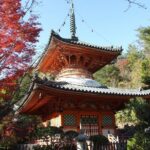
After the shrine highlights, the tour shifts to Daishō-in Temple. This is where the day gets more interesting in a different way. The guided visit gives you Buddhist cultural context and the kind of detail that’s easy to miss if you’re just scanning from street level.
Daishō-in also involves a short climb to reach the temple path. Nothing extreme is mentioned, but it is still a real walk. This is one of those parts of the itinerary where good shoes pay off, because you’ll appreciate the effort more if your feet are comfortable.
Then you head to Omotesando Shopping Street, a stretch that’s perfect for slowing down and people-watching while you snack. This is where I’d plan to try local treats your guide may recommend, like momiji manju. Oysters are listed as optional too, so if seafood is your thing, this can be a satisfying mid-day break. If you prefer to keep it light, just treat Omotesando as a relaxed walk-through.
A small tip: snacks and shopping are optional, but having a moment here makes the day feel less like a checklist. It’s also a good time to regroup if the walking on Miyajima is starting to add up.
Ferry back, tram across Hiroshima: the day’s emotional gear shift
Once you’re back on the mainland, the tour takes you from Miyajimaguchi by ferry and then on a scenic tram ride through Hiroshima to Peace Memorial Park. That tram segment matters more than it sounds. It moves you from island calm into a city setting where everything you’re about to see carries heavy weight.
The Peace Park area is where you’ll switch from sightseeing to reflection. You’ll spend about two hours with a guided tour in the park, followed by a museum visit.
I like that the itinerary builds in transit between the two halves of the day. It gives your brain time to adjust. If you went straight from Miyajima crowds to the memorials without a pause, the emotional contrast could hit too hard or feel disconnected.
Atomic Bomb Dome and the memorial core: what you’ll actually cover
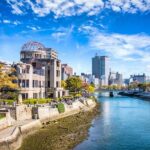
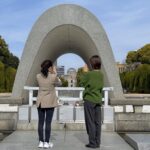
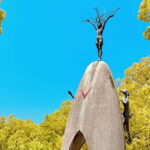
In Peace Memorial Park, you’ll cover several of the best-known memorial elements, guided for context. The tour includes time to see key points such as the Atomic Bomb Dome, the Hiroshima Victims Memorial Cenotaph, and the Children’s Peace Monument. You’ll also visit the Flame of Peace.
Even with famous sites, a guided explanation changes what you take away. These aren’t just landmarks. They’re designed to shape remembrance—who is honored, what is emphasized, and how visitors are asked to reflect.
One helpful detail: the itinerary splits the park visit into guided segments, with short stops at major monuments. That approach makes the day feel manageable. You’re not trying to interpret everything at once on your own.
You’ll also have guided time at the Atomic Bomb Dome area, plus brief guided visits for the other memorials. The tour structure helps you notice the small positioning cues—how things line up across the park—without needing a museum degree.
Finally, your guide will include a time for quiet reflection. That matters in a place like this, where the goal isn’t to tick boxes but to absorb what the memorials ask you to consider.

Inside the Peace Memorial Museum: guided context that sticks
After the park, the tour includes a guided visit to the Peace Memorial Museum for about one hour. This is where the experience becomes intensely human. The tour is set up to help you connect stories of survival, memory, and peace to what you just saw outside.
Because it’s guided, you’re not left trying to make sense of the exhibits alone. You’ll also get time to think quietly after the museum visit, and then there’s a Q&A with your guide. That Q&A piece is underrated value: if you’re confused by something specific you saw, you can ask right then and get a straight answer.
One practical note: museum time can move faster than you expect, even when it feels focused. Wear comfortable clothes and expect to stand and read for parts of the visit. If you want to revisit any details, you may need to do that on your own during a future trip—because this tour keeps moving.
For many people, the museum is the emotional center of the whole day. I’d prioritize it mentally, even if you’re excited for Miyajima earlier.
Price and pacing: is $137 good value for this 6-hour plan?
At $137 per person for about six hours, this tour is priced like a convenience-and-context package. You’re not just paying for walking around sites. You’re paying for a local guide, and you’re also getting multiple forms of transportation handled for you: JR train, ferry, and tram.
That matters for value. Hiroshima and Miyajima aren’t hard to reach independently, but doing it smoothly in the right order takes planning. Here, the day is built to connect the dots: train to Miyajimaguchi, ferry to Miyajima, then ferry and tram to Peace Park.
Another value point: this tour includes guided time at multiple specific stops—Itsukushima Shrine, Daishō-in Temple, and the Peace Park plus the Peace Memorial Museum. If you were doing it yourself, you’d likely either spend extra time figuring out logistics or lose the interpretation that makes the sites meaningful.
Pacing is another strength. The guidance and stop timing are designed to keep you from feeling like you’re sprinting between places. One review you might hear from people who’ve taken it praised the pacing as especially well done, including that the temple time was thorough and culturally detailed.
Who should book this?
- You want a first-time-friendly route that covers the big hits plus a quieter temple stop.
- You like structure when a day includes both scenic sites and heavy history.
- You prefer a guide to explain context, especially at Peace Memorial Museum and monuments.
- You’re traveling in a private group format, where the experience can feel calmer and more personal.
One likely drawback for some people: food isn’t included. The tour lists food and drinks as not included, so you’ll want to budget for snacks on your own. The upside is you can choose what fits your preferences at Omotesando.
Small things to pack so the day stays pleasant
This is one of those days where comfort quietly controls how much you enjoy. Bring comfortable shoes because you’ll walk at Miyajima (including paths up to Daishō-in) and around Peace Park. Bring a water bottle since the day can involve time outdoors between transit segments.
A camera is obvious, but also bring it with the mindset that not every moment is about a shot. In shrine and memorial areas, take photos if allowed and be respectful. Your guide will set the tone.
Weather can change quickly, so pack a light jacket or umbrella. Even a small drizzle can make steps slick, and you’ll be happier if you’re not stuck buying something last minute.
Should you book this Hiroshima: Miyajima Island & Peace Park guided tour?
If you want one efficient day that links Miyajima’s spiritual sights with Hiroshima’s Peace Park and Museum, this is a strong option. The biggest reason to book is the combination of guided context and transport solved. You’ll spend your energy seeing, not navigating.
I’d especially recommend it if:
- You’re short on time and want the best-known sites plus Daishō-in.
- You want a guide to explain what the memorials and exhibits mean, not just where they are.
- You’re okay with moderate walking and want a structured 6-hour loop.
I’d skip it (or plan extra breaks) if:
- You hate walking in uneven outdoor areas.
- You want total freedom to stay longer at one stop. This itinerary is organized with guided timing, so it doesn’t pause indefinitely for lingering.
If your schedule can fit it, book it. The format gives you a smooth day with a thoughtful flow—right from the floating torii to the Flame of Peace.
FAQ
Where do I meet for the tour?
You meet at Hiroshima Station Shinkansen Exit.
How long is the tour?
The tour lasts 6 hours.
What transportation is included?
The tour includes a JR train ticket to Miyajimaguchi, ferry tickets to Miyajima Island, and a tram ticket to Peace Memorial Park.
Which sites will we visit on Miyajima Island?
You visit Itsukushima Shrine (including the floating torii gate) and Daishō-in Temple, plus time along Omotesando Shopping Street.
What Peace Memorial sites are included in Hiroshima?
You’ll see Atomic Bomb Dome, Flame of Peace, Hiroshima Victims Memorial Cenotaph, and the Children’s Peace Monument, along with a guided visit to the Peace Memorial Museum.
Are meals included?
No. Food and drinks are not included.
What should I bring?
Bring comfortable shoes, a camera, snacks, and water.
Is the tour wheelchair accessible?
Yes. The tour is listed as wheelchair accessible.
What languages is the guide speaking?
The live guide offers English and Hindi.
Is the tour private or group-based?
It’s a private group tour.