REVIEW · HIROSHIMA
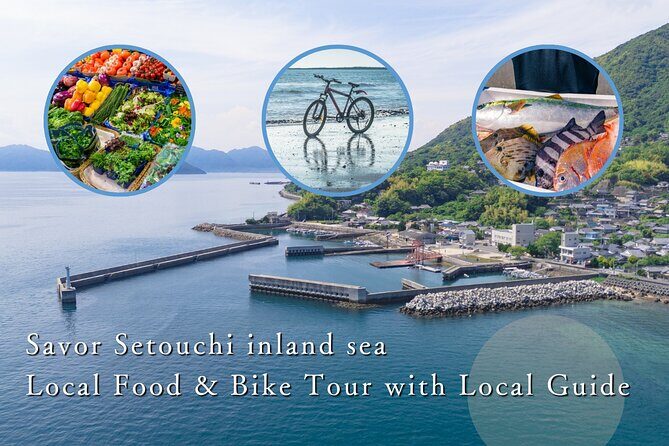
Savor Setouchi inland sea Local Food & Bike Tour with Local Guide
Book on Viator →Operated by 瀬戸内邂逅ツアー · Bookable on Viator
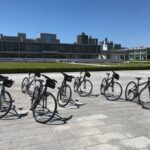
Etajima is small, coastal, and made for a food-focused bike day—especially when you use electric-assist e-bikes. This tour threads you through fishing-port viewpoints and local producers, then rewards you with a seasonal lunch you don’t rush through.
I like that the pace is guided and human. On my favorite versions of this experience, the local guide (Tommy) makes a point of sharing practical context about Etajima’s food culture while also adjusting to real weather conditions like heat and humidity.
One thing to consider: this is a bike tour on an island with hills, so you’ll want moderate fitness even with the help of the e-bike. If you hate riding in warm weather, plan your day thoughtfully and be ready for some direct sun on the coast.
In This Review
- Key highlights you’ll feel from the start
- Etajima on an e-bike: the big idea
- Who this tour fits best (and who should skip it)
- Price and value: what you’re paying for at $162.58
- Getting to Nakamachi Port and lining up the day
- Stop 1: Nomi Farmers’ Market for the morning ingredients
- Stop 2: Kappo Daigaku lunch, washoku style
- The cycling route: ports, hills, and Seto Inland Sea views
- “Satoumi” and why this food tour feels grounded
- Your guide matters more than the bike
- What to expect from a 5-hour island rhythm
- What’s included vs. what you’ll handle yourself
- Practical tips to make the most of the ride
- Should you book this Etajima food and bike tour?
- FAQ
- What’s the duration of the Etajima bike and food tour?
- Is the e-bike included in the price?
- What lunch do you get?
- Do I need to buy the farmers market ticket?
- How do I get to the meeting point?
- Is this tour private?
- What happens if weather is bad?
- Can I cancel for a full refund?
Key highlights you’ll feel from the start
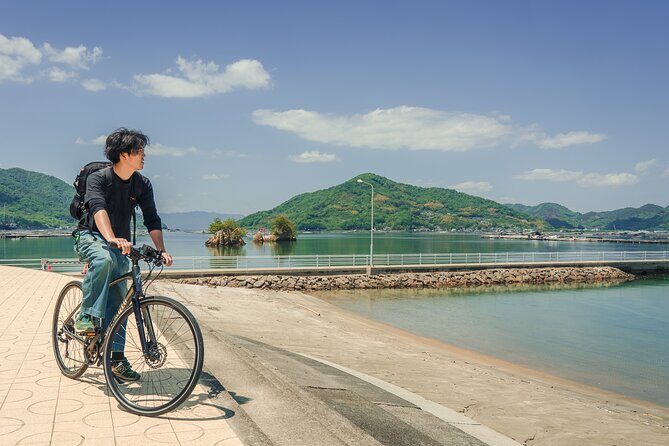
- E-bike assist for Etajima’s hills so you spend energy on sights, not leg burn
- Nomi Farmers’ Market stop for fresh, seasonal produce before you eat
- Kappo Daigaku lunch with a traditional washoku meal that includes seasonal sashimi and sushi
- Fishing-port route that connects you to the island’s maritime routines
- Local guide storytelling (Tommy) that ties food to place, not just ingredients
Etajima on an e-bike: the big idea
Etajima sits in Hiroshima Prefecture on the Seto Inland Sea, and it’s shaped in a way people often compare to a crayfish—where mountains meet water fast. That geography is exactly why cycling works so well here: the island naturally mixes viewpoints, working ports, and small neighborhoods along the way.
The e-bike matters more than you might think. It changes the whole feel of a food tour from stop-and-start sightseeing into an active, drifting route where you can actually linger at places your legs would normally skip.
This also isn’t a food class where everything is explained in theory. You’re moving through the places where ingredients come from, then eating what that day’s sourcing makes possible.
You can also read our reviews of more food & drink experiences in Hiroshima
Who this tour fits best (and who should skip it)
You’ll likely love this if you want a day that’s part cycling, part local food errands, and part story time with someone who knows Etajima’s rhythms. It’s also a smart pick if you’ve already seen the main sights in Hiroshima and you’re craving something more “island daily life” than “top attraction.”
Because it’s private for your group, you should expect a more adjustable pace and fewer awkward moments than you’d get on a shared bus tour. If your group likes asking questions—about how local seafood traditions work, or why certain ingredients show up—this format helps.
If you’re someone who gets motion sick on bikes or you dislike any riding at all, this probably won’t be your best match. Even with the assist, there’s still time spent cycling between stops.
Price and value: what you’re paying for at $162.58
At $162.58 per person for about 5 hours, the cost isn’t just “transport and lunch.” You’re paying for an organized local route, use of the e-bike, and the full meal experience tied to what you pick up along the way.
Here’s how the pricing starts to make sense: the tour includes the bike rental fee, the lunch meal cost at Kappo Daigaku, and the cost of food supplies on the way. In other words, you’re not separately bargaining for ingredients or figuring out which market makes the best stop for today.
The main thing not included is ferry access to the meeting point. If you’re already in Hiroshima on your travel schedule, that means you’ll need to plan the ferry separately—but the day itself is bundled and smooth.
Getting to Nakamachi Port and lining up the day
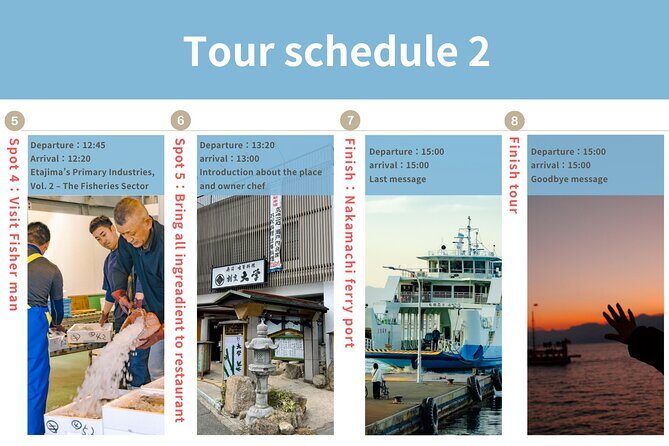
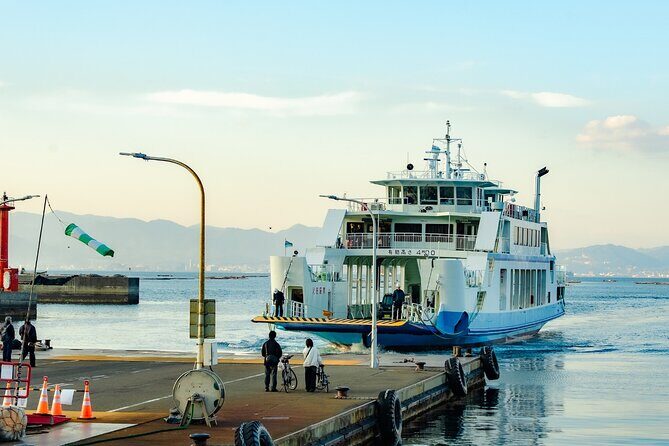
The meeting point is Nakamachi Port in Etajima (Nomicho Nakamachi). You’ll end back at the same place, which keeps logistics simple: no guesswork about where you’ll be dropped afterward.
The tour uses a mobile ticket, and confirmation depends on how close you book to travel dates. If you’re going during peak season, it’s smart to book ahead since this is often reserved about a month in advance on average.
The listed start time shows 12:00 am in the details you provided, which may be a data formatting issue. Treat your mobile ticket as the source of truth for the exact local start time and arrival window.
Stop 1: Nomi Farmers’ Market for the morning ingredients
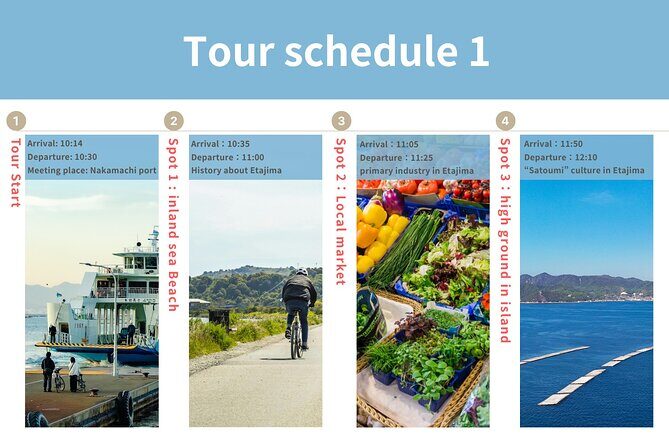
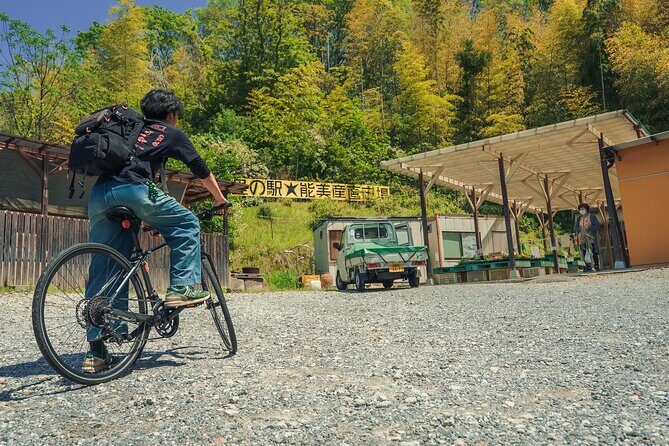
Your first stop is Sato no Eki Nomi Sanchoku Ichiba, a local produce market where farmers sell freshly harvested vegetables. It’s focused on seasonal items, so the selection changes with the time of year, and that’s part of the value.
This brief market stop does something practical. It gives you a “before you eat” connection to what’s fresh, then it sets up the meal later so it feels earned rather than generic.
The only drawback here is that the market time is about 15 minutes. That’s great for tasting your way through key items, but it won’t be enough if your goal is deep browsing or buying lots to take home.
A few more Hiroshima tours and experiences worth a look
Stop 2: Kappo Daigaku lunch, washoku style
After the market, the tour shifts into a relaxed restaurant segment at Sushi Ikesuryori Kappo Daigaku. You get about 1 hour here, and the admission is included.
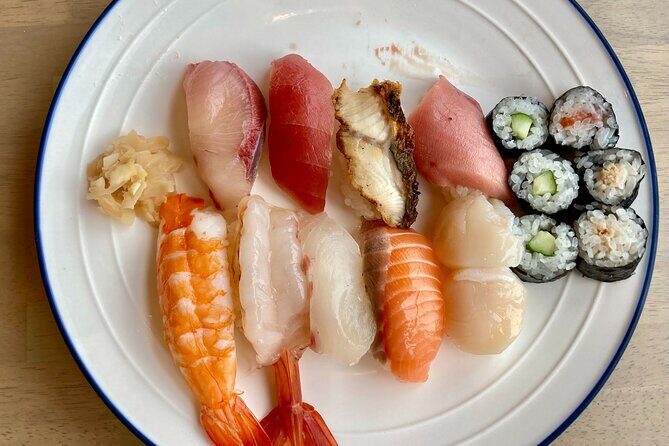
This is where the tour earns its keep. The meal is described as seasonal and tied to what was gathered on the day, featuring sashimi and sushi with a traditional washoku approach. If you’ve ever felt that Japanese lunches on tours are too standardized, this is designed to feel more place-based.
What I like about this format is the sequencing. You’re not just sitting down to eat; you’ve already seen ingredients arriving from local producers. That makes each bite make sense—especially seafood, where freshness and timing matter.
Possible consideration: if you’re very picky about seafood or you don’t enjoy sashimi, you may want to check whether the meal can accommodate preferences. The tour description strongly emphasizes seasonal sashimi and sushi, so plan accordingly.
The cycling route: ports, hills, and Seto Inland Sea views
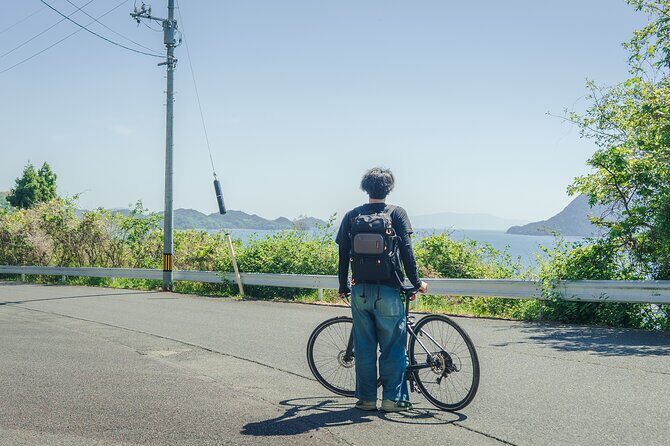
Between the food stops, you’re riding a route centered on Etajima’s fishing ports and maritime culture. The island’s coastline brings you through old port-town scenes where mountains and sea meet quickly—exactly the kind of scenery you can’t fully appreciate from a bus window.
The other reason this route works for most people is speed control. With e-bike assist, you can handle the hills without turning the day into a workout. That means you can actually look up, notice boats and shoreline activity, and take in the Seto Inland Sea views without arriving at lunch wiped out.
If it’s humid or hot—something the guide Tommy handled well in at least one day I’ve seen people talk about—expect more sun exposure than you’d get in a covered tour. Bring water habits you trust and consider light sun protection.
“Satoumi” and why this food tour feels grounded
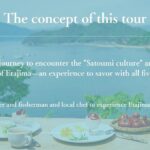
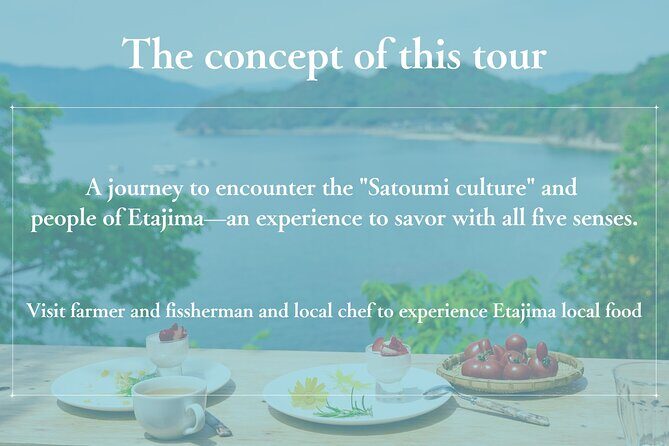
A key theme in this experience is the local concept of satoumi, a way of viewing coastal environments as managed through human care, not just untouched nature. In practical terms, that means the relationship between people and the sea is part of the food story.
The tour’s value is how it connects that idea to your day. You aren’t learning satoumi from a slide deck—you’re moving through a working island route that naturally shows how food supply and coastal life intertwine.
So instead of leaving with a list of dishes, you leave with a sense of why these foods make sense here. That’s the part that tends to stay with you longer than a single meal.
Your guide matters more than the bike
The tour is led by a local expert, and the guide named Tommy comes up in the kind of details that signal real care. People describe him as taking fantastic care of the group, even when conditions were uncomfortable.
That matters because food-bike days can go sideways if someone doesn’t manage pace, hydration, and the flow between stops. A good guide also helps you understand what you’re seeing—history and food culture—without making it feel like a lecture.
In short: the guide turns the route into a narrative. You’re not just visiting places; you’re connecting them.
What to expect from a 5-hour island rhythm
This is a tight, efficient day: market stop, restaurant meal, and cycling time linking it all. The result is a good mix of “enough time to feel it” and “not so long you lose momentum.”
Because the tour is private, you might find the guide adjusts the rhythm for your group. That could mean a slower ride through viewpoints or extra explanation at a producer stop. The time windows you see listed—15 minutes at the market and about 1 hour at the restaurant—still shape the day, but private guides have more room to fine-tune.
What’s included vs. what you’ll handle yourself
Included:
- E-bike rental fee
- Lunch meal cost at Kappo Daigaku
- Meals food supplies cost on the way
Not included:
- Private transportation to the meeting point
- Ferry access to reach Nakamachi Port
This is a good deal if you’re comfortable handling the ferry. If you’re the type who wants door-to-door transfers, you may feel that extra step more than you’d like.
Practical tips to make the most of the ride
Wear comfortable shoes and light layers you can adjust during a coast-walk cycle day. Even with e-bike assist, you’ll want grip and stability for changing road surfaces.
Bring a small bottle of water and plan to drink before you feel thirsty. On a humid day, “I’ll drink later” turns into a problem fast.
If you’re photographing, aim for the ports and shoreline moments. The cycling route gives you more angle opportunities than a static stop, but you’ll want to keep it safe and not get distracted at intersections.
Finally, come hungry. This tour is designed so the meal is the finish line, not a snack halfway through.
Should you book this Etajima food and bike tour?
I’d book it if you want a day that blends Seto Inland Sea scenery with real food sourcing, and you’d rather ride through local life than just tick off places. The included e-bike and the restaurant lunch tied to seasonal ingredients make the price feel more reasonable than many “tour lunch” packages.
Skip it if you dislike bikes, can’t handle hills even with assist, or you strongly prefer a seafood-light meal. Also, if heat makes you miserable, take extra sun-protection steps since cycling includes outdoor time.
If you’re in Hiroshima and you want one island day that feels personal and grounded in how locals actually eat and fish, this is a smart choice.
FAQ
What’s the duration of the Etajima bike and food tour?
It runs for about 5 hours.
Is the e-bike included in the price?
Yes. The e-bike rental fee is included.
What lunch do you get?
Lunch is at Kappo Daigaku and includes the lunch meal cost. The description emphasizes seasonal sashimi and sushi, paired with washoku-style dining.
Do I need to buy the farmers market ticket?
The farmers market stop lists admission as not included.
How do I get to the meeting point?
You’ll need your own transport to reach Nakamachi Port. Ferry access is not included.
Is this tour private?
Yes. It’s a private tour/activity with only your group participating.
What happens if weather is bad?
The experience requires good weather. If it’s canceled due to poor weather, you’ll be offered a different date or a full refund.
Can I cancel for a full refund?
Yes, you can cancel up to 24 hours in advance for a full refund.