REVIEW · HIROSHIMA
Bouldering, Sake and Food, Local Gem Hiroshima Evening Tour
Book on Viator →Operated by 株式会社成研 · Bookable on Viator
Beer, sake, and bouldering in one night. This Hiroshima evening tour starts at Yokogawa Station and threads you through a real neighborhood rhythm, not a tourist postcard loop. You get guided stops for climbing, drinks, and Hiroshima’s famous okonomiyaki, all wrapped up with a walk led by someone who knows the area.
I like the way the tour gives you hands-on bouldering coaching and then turns dinner into a story you can taste. I also love that the alcohol part is flexible: you can swap to soft drinks if you prefer not to drink, so the evening still works for different groups.
One possible drawback: there’s no rental clothing for the bouldering stop, so you’ll want to wear something you can move in comfortably.
In This Review
- Key points
- Entering Yokogawa: the start of a truly local Hiroshima night
- Pb Climbing: bouldering that’s friendly, coached, and not fussy
- Kakuuchi at 山中酒店角打ち部: how Hiroshima sake and beer get introduced
- お好み焼 三文: Hiroshima-style okonomiyaki, layers you can watch
- Yokogawa walking with a guide: what you notice when you’re not hunting attractions
- Price and value: what $143.08 covers (and why it adds up)
- Logistics that matter: meeting point, timing, and what to bring
- Who should book this Hiroshima evening tour (and who should skip)
- Should you book this Hiroshima bouldering, sake and okonomiyaki tour?
- FAQ
- What time does the tour start?
- Where do we meet for the Hiroshima evening tour?
- Is transportation to the meeting point included?
- Do I need special clothing for bouldering?
- Are bouldering shoes included, and what sizes are available?
- What about alcohol—can I substitute?
- What are the okonomiyaki options?
Key points
- Yokogawa, not the big sights: you’ll spend the night in a local-feeling district just a few minutes from Hiroshima Station
- Bouldering with an English-speaking instructor at Pb Climbing, welcoming for beginners to experts
- Season-based tastings: two types of craft beer plus two types of sake, chosen by the liquor-store owner
- Hiroshima-style okonomiyaki cooked in layers, served at a retro restaurant with time to watch and take photos
- Soft-drink options for under 20s and anyone who doesn’t drink alcohol
Entering Yokogawa: the start of a truly local Hiroshima night
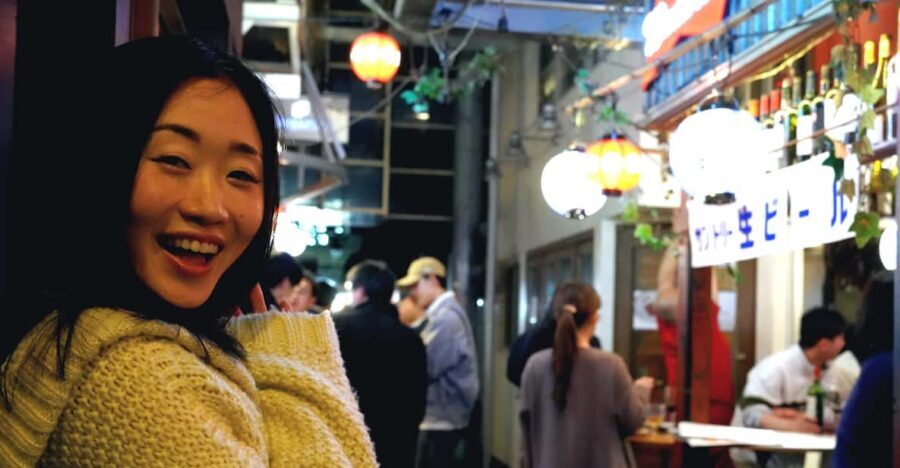
The biggest reason to pick this Hiroshima evening tour is simple: it puts you in Yokogawa, a district with daily-life energy, not big-sight queues. The meeting point is at 7-Eleven + Kiosk JR Yokogawa Station, and the timing (start at 6:00 pm, about 3 hours total) is perfect for that in-between hour when workday crowds thin out and neighborhoods come alive.
Yokogawa is also close to the main station area. That matters because it reduces the friction of doing something active at night. You’re not committing to a long commute just to have fun. The tour even uses a mobile ticket, which keeps things easy once you’re there.
If you like travel that feels like hanging out with locals—small streets, normal shops, and a guide who knows where to go—this is that kind of night. And because it’s private for your group, you’re not stuck watching other people’s pace while you wait to eat or try climbing.
You can also read our reviews of more food & drink experiences in Hiroshima

Pb Climbing: bouldering that’s friendly, coached, and not fussy
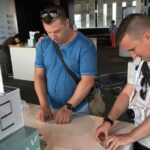
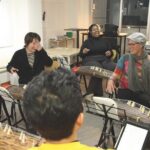
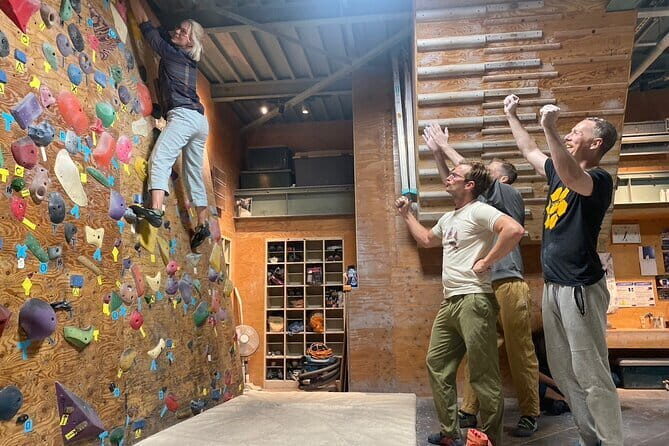
Your first stop is Pb Climbing, a bouldering gym where you’ll get about an hour to climb. The setup is approachable: the tour description explicitly notes that beginners, experts, and kids can all have fun here. That’s a good sign if you’re worried you’ll be the only one with zero bouldering experience.
The key detail is coaching. The instructor speaks English, so you won’t have to guess your way through safety rules, basic technique, or how to read the route holds. When you’re learning something physical, clear directions matter more than people expect.
Clothing is the only thing you need to plan for yourself. There’s no rental clothing, and you’re not required to bring special gear. Instead, wear clothes that let you move—think flexible pants and a top you don’t mind getting a little gym-dusty. You’ll avoid the awkwardness of reaching for moves and realizing your sleeves are too tight or your shoes feel off.
Shoes are easier to handle than you might fear. Bouldering shoes are included, but there’s a size limit: rentals are available up to shoe size 30cm. If you’re above that, you’ll need to wear your sneakers for climbing.
One more practical tip: since this is a “climb then eat then walk” kind of tour, bring a small water bottle if you like. It’s not listed as included, and your body will thank you after you’re done pulling yourself up routes.
Kakuuchi at 山中酒店角打ち部: how Hiroshima sake and beer get introduced
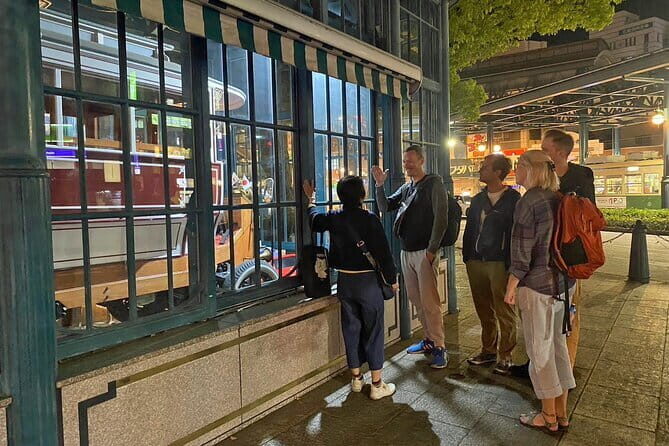
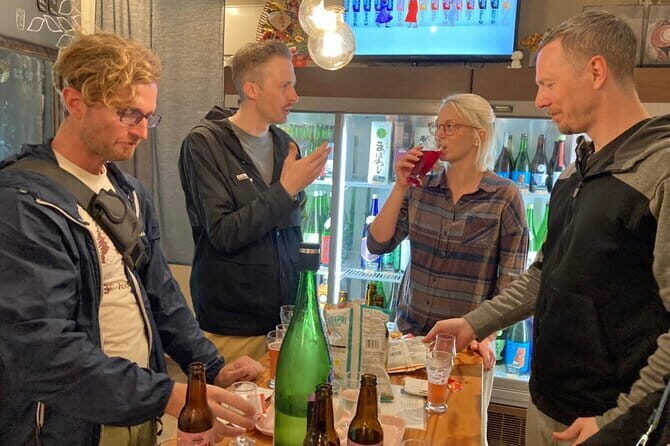
After climbing, the tour shifts from action to taste. The second stop is a drinking-area setup called kakuuchi at 山中酒店角打ち部 (Yamanaka liquor store). This is a very Japanese style of casual tasting, the kind of place where you can learn what to look for without formal fuss.
Hiroshima is a sake-producing region, and the tour leans into that by framing what you’re drinking. It specifically highlights Hiroshima’s connection to ginjo, which is known for a fruity and floral aroma profile. That’s useful because it gives you something to pay attention to beyond just liking or not liking alcohol.
What you’ll actually try here is nicely structured:
- Two types of craft beer
- Two types of sake
- Plus snacks
And the selections are chosen by the liquor-store owner depending on the season. That seasonal approach is a small detail, but it’s one of the reasons tastings can feel more thoughtful than a generic pour-and-go stop.
If you don’t drink alcohol (or if you’re under 20), the tour provides soft drinks as a substitute. That makes this stop feel like part of the experience, not a separate “adult only” side quest.
If you’re the type who likes learning in real time, this is where the guide can be especially helpful—matching flavors to what you notice, and explaining what makes one sake different from another. Even if you don’t become a sake scholar by the end of the night, you’ll leave with a more confident sense of what to order next time.
お好み焼 三文: Hiroshima-style okonomiyaki, layers you can watch
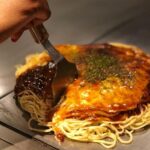
Then comes dinner, and it’s not a vague “you’ll eat something.” The third stop is お好み焼 三文, and you’ll have time to watch, take pictures, and eat. Watching the cooking is a big deal here because Hiroshima-style okonomiyaki is built differently than Osaka-style.
The tour calls out the signature: Hiroshima style is cooked in layers. That’s more than a trivia point. It changes what the dish looks like, how it cooks, and how you experience it bite by bite. Layers also help you feel like you’re seeing the method, not just being handed a finished meal.
Your included meal is one okonomiyaki plus a glass of drink. The base version includes vegetables, sliced pork, egg, and noodles. But the tour also offers options:
- vegetable-only okonomiyaki
- okonomiyaki with mochi instead of noodles
Those options matter because food tours often get stuck at a single default choice. Here, you’ve got flexibility without having to guess what will happen when you get to the restaurant.
One thing I’d plan for: after bouldering, your appetite is likely to show up fast. Okonomiyaki is hearty, so you don’t want to go into dinner too full. The drinks are included too, so pace yourself—especially if you’re trying both beer and sake.
Yokogawa walking with a guide: what you notice when you’re not hunting attractions
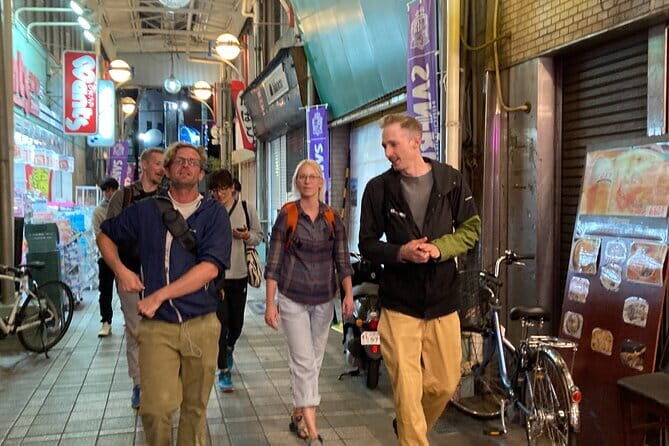
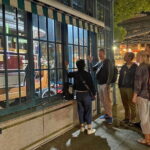
The last stop is a walk around Yokogawa with the Yokogawa Business Promotion Organization area focus. This is the segment where the tour really separates itself from the standard food-and-drink circuit.
The idea is straightforward: you get a guide who lives in Hiroshima (or at least is tied to local knowledge) and can show you an area that tourists often skip. You walk at night, you ask questions, and you start to see how locals shop, pass time, and use small streets as part of everyday life.
The guide could be a licensed Japanese guide or a trained American guide, depending on your group. Either way, you’ll get the guided explanations that turn walking into learning: why certain places exist, what you’re looking at, and how Yokogawa fits into Hiroshima’s broader city rhythm.
If you’ve ever felt like you left Hiroshima with photos but not much sense of the city’s feel, this is the antidote. The walking part is where you start building that mental map. It’s also where you get to shake off the “I’m following a checklist” feeling and just experience the neighborhood like you belong there for a few hours.
And yes, this kind of evening walk can be fun precisely because it’s not about famous landmarks. You notice smaller things: the flow of foot traffic, the lighting, shop signage, and the way people move when they’re not posing for pictures.
A few more Hiroshima tours and experiences worth a look
Price and value: what $143.08 covers (and why it adds up)
At $143.08 per person for about three hours, this tour isn’t a cheap impulse buy. But it also isn’t a “pay for one activity” deal. The value comes from stacking experiences that would normally cost you separately.
Here’s what you’re paying for in real terms:
- bouldering admission (included)
- an English-speaking bouldering instructor
- bouldering shoes rental (included, up to size 30cm)
- alcohol tasting setup: two craft beers, two sake options, and snacks
- a sit-down dinner: one okonomiyaki plus a glass of drink
- a guide for the whole walk and local introductions
- time in a local Yokogawa area rather than a scripted tourist stop
For many people, the decision isn’t whether climbing or dinner is worth it. It’s whether someone is handling the connections—finding the right gym, bringing you to a sake tasting style that makes sense, and making sure you get fed without losing the evening to transportation and decision-making.
In this case, you’re buying the package of active + tasty + guided. That’s where the price starts to feel reasonable.
The tour also offers substitutions (soft drinks if needed, vegetable-only and mochi option for okonomiyaki), which increases value for mixed groups. If you’re traveling with a friend who isn’t into alcohol, you won’t feel like you’re dragging them through an awkward segment.
Logistics that matter: meeting point, timing, and what to bring
The tour starts at 6:00 pm and ends back at the meeting point at Yokogawa Station. That round-trip structure is handy if you have another plan later in Hiroshima. You’ll also want to factor in that the first part is active climbing, so you’ll probably sweat a bit even if you don’t climb hard.
Transportation to the meeting point is not included, so you’ll need to get yourself to Yokogawa Station on your own. The good news: it’s described as near public transportation, and it’s only about four minutes by train from Hiroshima Station. That makes it easy to slot into your day even if you arrive earlier.
What you should bring:
- comfortable clothes for movement (no special clothing rental)
- either bouldering shoes rental eligibility (up to 30cm) or sneakers if you’re above that size
- a light mindset for tasting (you’ll be trying multiple drinks)
- any basic personal items you need for an evening walk
Finally, because this is private for your group, you’ll get more flexibility and a better flow if your group asks questions or wants extra explanations during the walking and tasting segments.
Who should book this Hiroshima evening tour (and who should skip)
This experience fits best if you want a night that’s doing three things at once: climbing, local drinks, and Hiroshima food, plus a guided walk through a neighborhood that feels lived-in.
It’s also a strong fit for:
- groups where not everyone wants the same kind of activity
- people who like short, guided learning moments while eating and drinking
- travelers who are curious about Hiroshima sake but don’t want a formal, stiff setting
You might rethink it if:
- you don’t like active activities at all (bouldering is the anchor here)
- you prefer food tours that are strictly seated with minimal walking
- you need fully customized dietary accommodations beyond the listed vegetable and mochi options
If you’re traveling with kids, the tour notes that kids can enjoy the bouldering portion. Still, remember this is an evening tour with tasting and dinner, so you’ll want to think about pacing and comfort for younger participants.
Should you book this Hiroshima bouldering, sake and okonomiyaki tour?
I think you should book it if you want an evening that mixes skill practice (bouldering), local flavors (ginjo-leaning sake and Hiroshima-style okonomiyaki), and a neighborhood walk that helps you feel the city beyond the obvious sights. The tour is built to keep things moving without turning the night into chaos, and the soft-drink substitution plus food options make it work for more people than many alcohol-centered tours.
If you’re mainly looking for a gentle, purely sightseeing stroll or a fully independent self-guided food crawl, you might prefer something else. But if you’re open to trying bouldering and you want your meal to be tied to a very specific Hiroshima style, this is a great value-style package for an active night in Yokogawa.
FAQ
What time does the tour start?
The tour starts at 6:00 pm and runs for about 3 hours.
Where do we meet for the Hiroshima evening tour?
You meet at 7-Eleven + Kiosk, JR Yokogawa Station (3-chōme-2-30, Yokogawachō, Nishi Ward, Hiroshima).
Is transportation to the meeting point included?
No. Transportation to the meeting place is not included.
Do I need special clothing for bouldering?
No special clothing is required, but there is no rental clothing. Wear clothes that are easy to move in.
Are bouldering shoes included, and what sizes are available?
Bouldering shoe rental is included up to shoe size 30cm. If your size is above 30cm, you’ll wear your sneakers.
What about alcohol—can I substitute?
Yes. Alcoholic beverages are included, but if you don’t drink alcohol (or if you’re under 20), soft drinks are offered as substitutions.
What are the okonomiyaki options?
You’ll get one okonomiyaki. Options include a vegetable-only version, or a version with mochi instead of noodles.