REVIEW · OSAKA
From Osaka/Kyoto: Nara One Day Private Tour
Book on GetYourGuide →Operated by Infinity tours and travels · Bookable on GetYourGuide
Deer and temples, all in one ride. This Nara One Day Private Tour is built for an easy flow between major sights, with pickup, drop-off, and an English-speaking driver doing the driving. If you want Nara’s highlights without timing trains and buses, this format is why it works.
I especially like the hotel pickup and drop-off. It saves you the stress of figuring out where to meet and how to get back on a tight schedule. I also like the guaranteed chance to slow down at Nara Park to experience the deer area up close in a way that feels more personal than a quick stop.
One drawback to keep in mind: the tour can feel more like transportation than a guided history lesson. One past guest noted the driver didn’t share site details, so if you care about deeper commentary, you may want to plan to ask questions as you go.
In This Review
- Key things I’d circle before you book
- Why a private Nara day feels easier than DIY
- Price and logistics: is $774 per group actually good value?
- Morning: Todai-ji and Nara Park deer energy
- Todai-ji, Great Buddha impact
- Nara Park: deer interaction with minimal friction
- Kasuga Taisha: lantern-lined calm and symbolism
- Kofuku-ji and the Nara skyline you can’t miss
- Naramachi and Yoshikien Garden: where the day slows down
- Heijo Palace Site Museum: the photo-stop anchor
- How the driver experience can make or break the day
- Who this private tour suits best
- Things to plan for before you go
- Should you book this Nara One Day Private Tour?
- FAQ
- FAQ
- What are the pickup locations?
- How long is the tour?
- Is this a private tour?
- What language is supported?
- What’s included in the price?
- What isn’t included?
- Is it wheelchair accessible?
- What’s the cancellation policy?
Key things I’d circle before you book
- Hotel pickup from Osaka or Kyoto: you start the day already in-motion.
- English-speaking personal driver: helps with real-time questions and smoother pacing.
- Nara Park deer time: you’ll have a built-in window to enjoy the famous free-roaming deer area.
- Top-tier Nara landmarks in one day: Todai-ji, Kasuga Taisha, and Kofuku-ji are all on the route.
- Time to unwind in Yoshikien Garden: you’re not only in temples and streets—you get a calmer reset.
Why a private Nara day feels easier than DIY
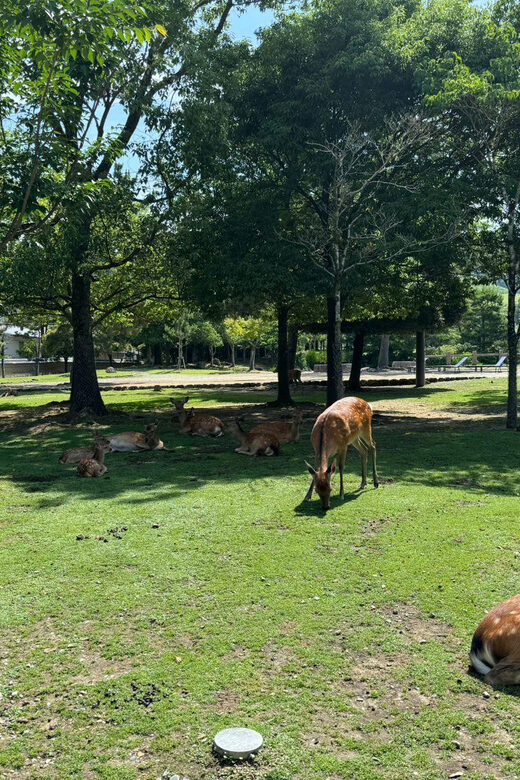
Nara is famous for a few anchor sights, but the day can get hectic fast if you’re switching buses, stepping into crowds, and trying to read signage while your feet already hurt. A private van changes the math. You’re not just buying a ride—you’re buying time and fewer decision points.
For you, the biggest win is simplicity: pickup, a tight loop of landmarks, and drop-off back where you started. The tour is also designed to be flexible, so you’re not locked into a rigid schedule that assumes you love every stop equally. That flexibility matters in Nara, where you can spend longer than expected wandering temple grounds or lingering near lantern-lit paths.
You can also read our reviews of more private tours in Osaka

Price and logistics: is $774 per group actually good value?
This tour costs $774 per group (up to 6 people) for about 10 hours. On the surface, that sounds expensive—until you convert it into what you’re paying for: a private, air-conditioned vehicle, WiFi on board, parking, highway tax, and hotel pickup/drop-off with an English-speaking driver.
If you fill all six seats, you’re effectively spreading the cost across your group. If you’re traveling as just two or three, it’s pricier per person—but it can still be worth it when you add up the value of convenience and the reduced hassle of public transit connections.
One extra thing to watch: entrance fees and meals aren’t included. That means your final day budget depends on what you choose to pay at sites and what you order for lunch. You’ll want comfortable spending room for tickets and food so there are no surprises mid-day.
Morning: Todai-ji and Nara Park deer energy
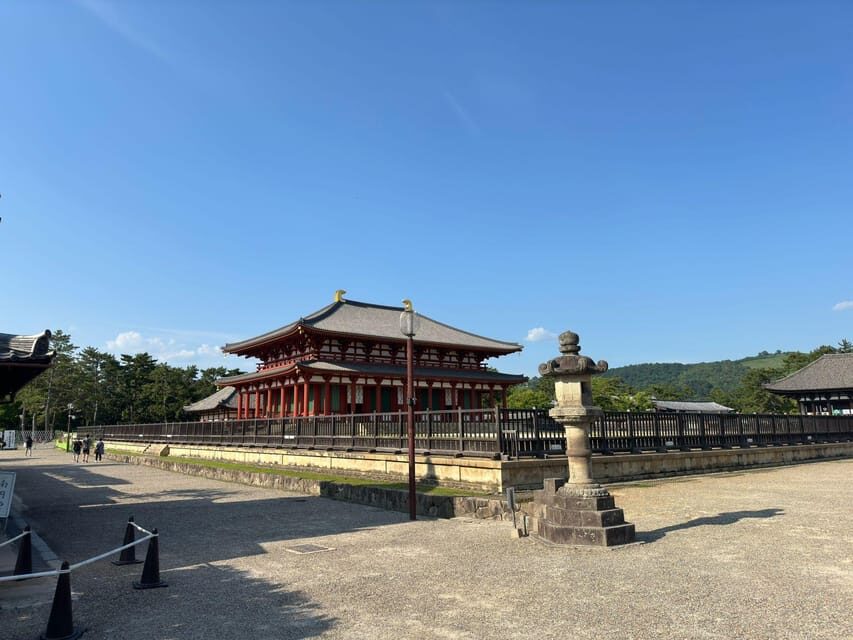
Your morning window is set up for two of Nara’s biggest emotional hits: the scale of Tōdai-ji and the lively atmosphere of Nara Park.
Todai-ji, Great Buddha impact
The standout here is the iconic Great Buddha inside Tōdai-ji, plus the temple’s UNESCO-listed significance. Even if you’ve seen big religious monuments in other Japanese cities, Todai-ji tends to hit differently because of its size and the way the space holds attention.
Practical tip: plan for walking within the temple area, then expect a bit of back-and-forth as you find the best viewpoints for photos. If your driver can help you with timing—like when to head deeper into the grounds—you’ll get more out of the limited morning hours.
Nara Park: deer interaction with minimal friction
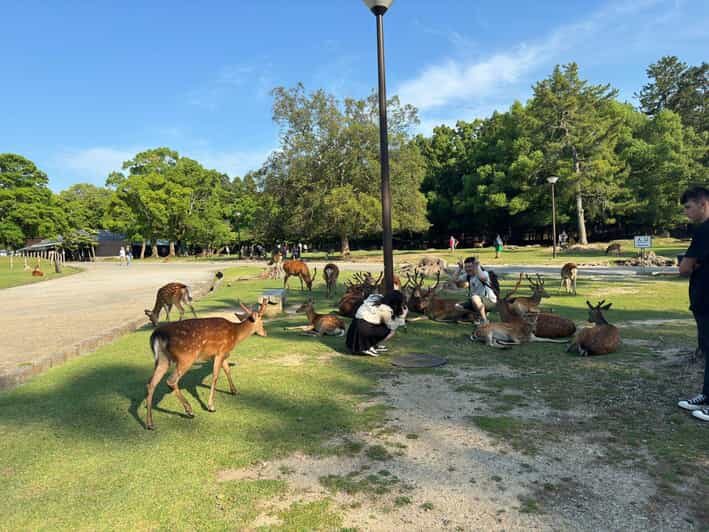
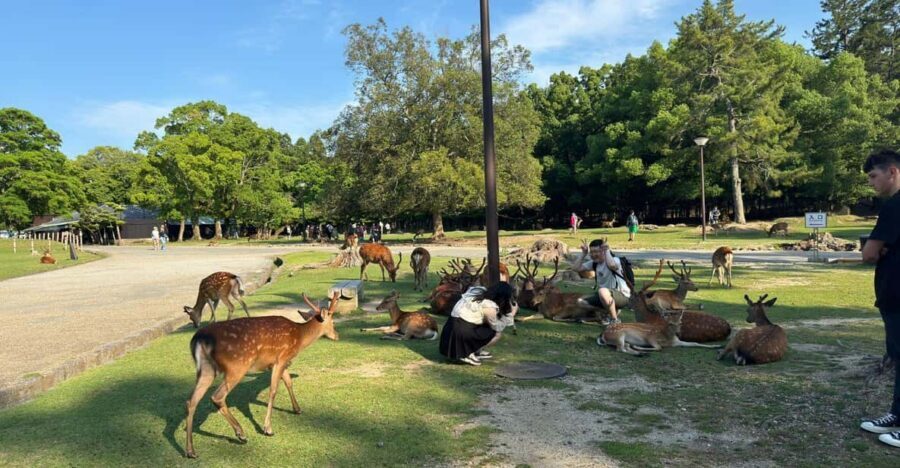
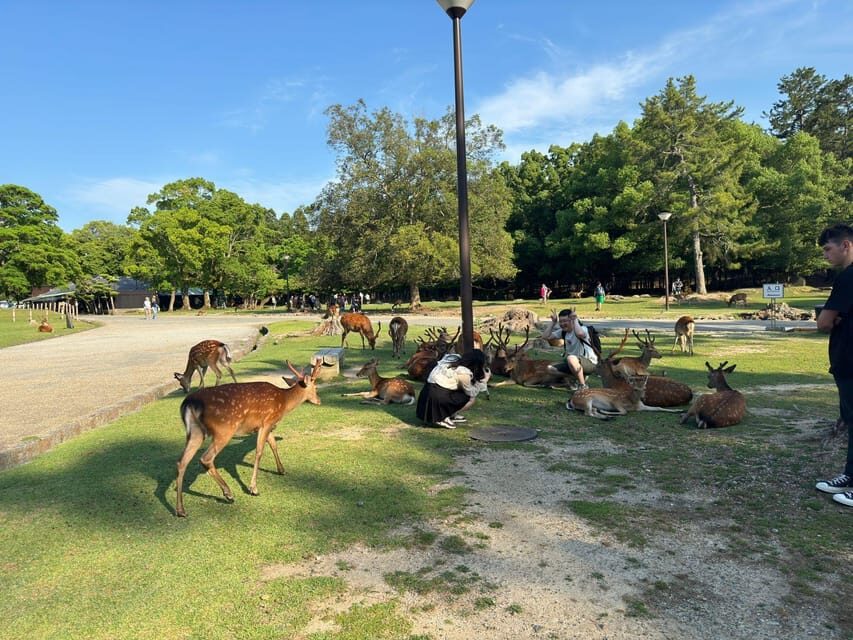
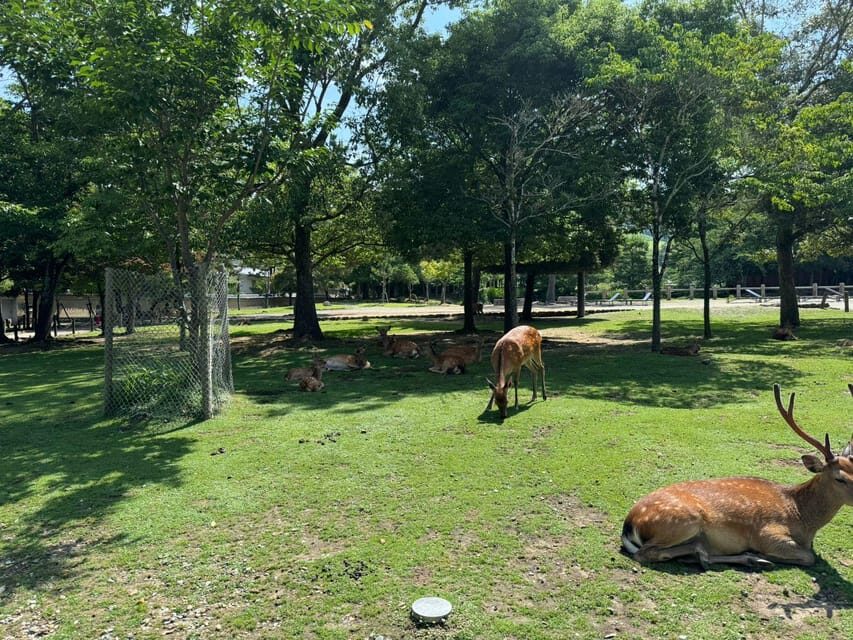
Then you shift from architecture to nature. Nara Park is where you meet the friendly, free-roaming deer, and the tour builds in a sightseeing/walk/self-guided window so you’re not stuck watching other people pass you by.
Here’s the smart way to enjoy this without turning it into chaos: move slowly, keep your balance, and give the deer space as you look around. Deer encounters can be unpredictable, and that’s part of the charm, but it’s still better to treat the park like a shared space, not a photo stage.
This is also one of the most praised elements of the experience—people clearly have fun with the deer moment when it’s given enough time to actually enjoy it.
A few more Osaka tours and experiences worth a look
Kasuga Taisha: lantern-lined calm and symbolism
Next up is Kasuga-taisha, known for its famous approach of lantern-lined paths. This stop is the right kind of contrast after Nara Park—less “instant spectacle,” more atmosphere and rhythm.
The shrine visit is listed as a walk-and-sightseeing segment, which is exactly how it should feel. If you rush, you’ll miss what makes this place special: the way the path creates a gradual shift from street noise into something more ritual and quiet.
Practical note: this portion still involves walking, so keep your shoes comfortable. If you’re traveling with anyone who has slower mobility, this is a point where pacing matters. A private driver can help you choose when to pause and when to move on.
Kofuku-ji and the Nara skyline you can’t miss
Then you head to Kōfuku-ji, where the highlights include the Five-Story Pagoda and the Eastern Golden Hall. This is one of those temple stops where you get “wow” moments at multiple angles, even if you’re not a dedicated architecture person.
Why I like this for a one-day itinerary: Kofuku-ji gives you variety. You’re not just looking at one big structure—you’re seeing temple iconography in a way that helps you understand why Nara is so central in Japan’s early Buddhist story.
If you’re the kind of traveler who likes to compare places across cities, Kofuku-ji is a good checkpoint. It gives you something visual to hold onto while you move from shrine to garden to old town streets later.
Naramachi and Yoshikien Garden: where the day slows down
After the heavier temple stops, the itinerary brings in Naramachi, described as a preserved Edo-period merchant district. This is the human-scale break. You can stroll, look at shopfront vibes, and get a sense of how a historic district feels when you’re walking it instead of just snapping photos from a bus window.
Don’t expect this to replace a full-day neighborhood exploration. Instead, think of it as seasoning—an in-between moment that makes the day feel less like a checklist.
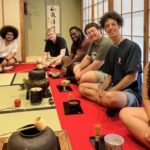
Then comes a welcome reset: Yoshikien Garden. This garden is described as a calm space with moss, ponds, and tea ceremony spaces. That combination matters. You’re getting nature and quiet after hours of walking through crowded temple areas.
For you, the garden time is one of the smartest uses of a limited schedule. It’s the kind of stop where you can stop “performing sightseeing” and just breathe. If you tend to get sensory overload in big cities, Yoshikien is a pressure release.
Heijo Palace Site Museum: the photo-stop anchor
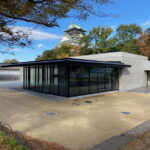
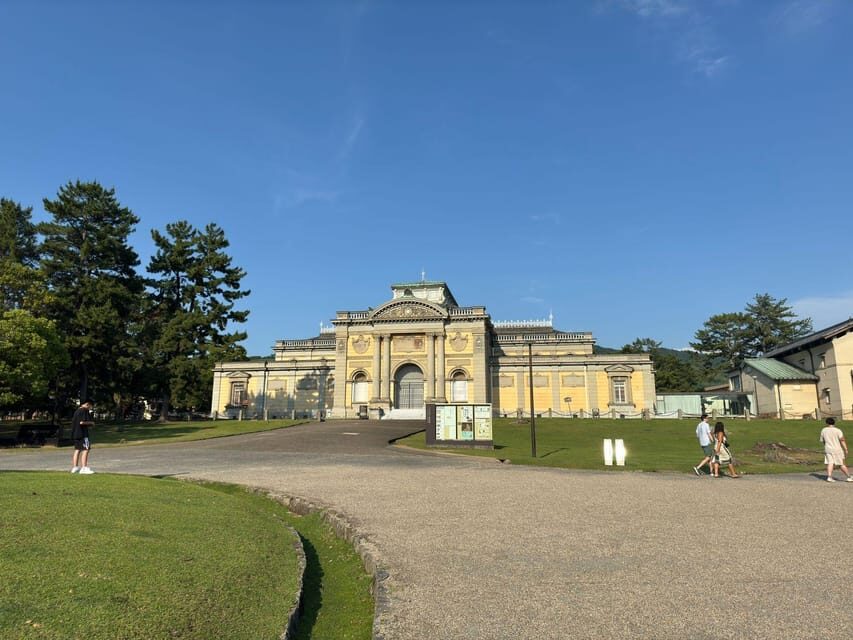
Near late afternoon, the plan includes the Heijo Palace Site Museum with a photo stop and a visit. Even if you don’t go super deep in the museum portion, the location ties the whole day together by connecting the dots to older Nara-era context.
This is also a “pace control” stop. Photo stops are often where you can pause without burning energy. If you’re feeling the day in your legs, this can be a good moment to catch your breath before your final ride back.
How the driver experience can make or break the day
This tour includes an English-speaking driver, and that alone improves the experience if you don’t want to manage directions and timing by yourself. The bigger point is what happens while you’re in the van.
One guest felt the day worked mostly as transportation, without much information about the sites. Another mentioned a driver named Charit as great and praised the stops. Those two comments together point to the same practical reality: the driver style can affect how informative the experience feels.
So here’s how to protect yourself and get value:
- Ask for a short explanation of each stop as you arrive, even if it’s just the main point you should notice.
- Use the van time to ask questions you can’t quickly answer from your own reading.
- If you want more structured history, be ready to prompt the driver with specific interests like Buddhist architecture, shrine traditions, or everyday life in historic Nara.
Because the listing doesn’t describe a dedicated guide service, you should assume your information will depend heavily on the driver’s communication approach. That doesn’t make the tour bad—it just means you should steer it a bit.
Who this private tour suits best
This is a strong fit if you:
- Want major Nara sights in one day without transit hassle.
- Travel with a group of up to six who prefer comfort over crowded public transport.
- Like having time to walk at your own pace, especially at Nara Park and the garden.
It’s less ideal if you:
- Are expecting a full-on guided lecture style of history at every stop.
- Need a very slow day with minimal walking. There’s a moderate walking load, and the schedule assumes you can handle temple grounds and walking streets.
Also, there’s a clear limitation noted: it’s not suitable for pregnant women and not suitable for people over 95 years. The tour is listed as wheelchair accessible, so if you’re bringing a wheelchair user, it’s worth confirming how the vehicle and stops will work for your specific mobility needs.
Things to plan for before you go
You’ll get the best experience if you prepare for a real walking day. Wear comfortable shoes and dress for the weather. If it’s hot or rainy, temple areas and parks can feel more intense, so layer smartly and carry what you need for comfort.
Meals aren’t included, so decide in advance how you want lunch handled. The itinerary suggests Japanese food at a local restaurant, but you’ll still be making your own call during the day.
Also, the experience includes no smoking and no alcohol or drugs, so you’re traveling in a clean, family-friendly format.
One more reality check: crowd flow matters. You’ll be going through high-interest sites like Todai-ji and Kasuga-taisha, so if you’re sensitive to crowds, aim to spend time where you can actually pause and look, not just stand and shuffle.
Should you book this Nara One Day Private Tour?
I’d book it if you want a comfortable, efficient one-day loop: hotel pickup/drop-off, private van, English-speaking driver, and key Nara sights grouped together so you can enjoy the deer, temples, and garden without transport stress.
I wouldn’t book it if you mainly want deep historical narration at every site. Since the driver’s information level seems variable (and one guest specifically said they expected more site context), you may end up depending on your own guidebook-style reading unless you’re comfortable asking questions on the fly.
FAQ
FAQ
What are the pickup locations?
You can choose between pickup from Osaka or Kyoto.
How long is the tour?
The tour duration is 10 hours.
Is this a private tour?
Yes. It’s a private group tour for up to 6 people.
What language is supported?
The driver speaks English.
What’s included in the price?
Included features are the air-conditioned vehicle, highway tax, parking fees, WiFi on board, private transportation, an English-speaking driver, and hotel pickup and hotel dropoff.
What isn’t included?
Meals and drinks aren’t included, and entrance fees and a guide are also not included.
Is it wheelchair accessible?
Yes, it’s listed as wheelchair accessible.
What’s the cancellation policy?
There is free cancellation up to 24 hours in advance for a full refund.