REVIEW · OSAKA
Nara Day Trip from Osaka with a Licensed Guide
Book on Viator →Operated by MY Travel Consulting · Bookable on Viator
Nara is a deer-and-temple contrast from big cities. With a national licensed English-speaking guide and hotel pickup from Osaka, this day trip strings together the highlights of Nara at a comfortable pace. It’s private, so you’re not stuck watching the same photos get snapped at the same angles as everyone else.
I love two things about this tour. First, you get hotel pickup plus train time planned for you, so the day feels low-stress. Second, you’re guided right into the moments that make Nara fun, like feeding the park deer and stepping through the major temple gates without guessing what matters.
One possible drawback: this is an 8-hour outing with a moderate fitness level, and lunch isn’t included. On hot days, you’ll want to pace yourself and plan for breaks—your guide can help with timing, but you’re still out all day.
In This Review
- Key things I’d book this for
- Why Nara Feels Different (Even If You’ve Done Kyoto)
- What You’re Paying for With a $319 Private Guided Day
- Osaka Station to Nara: The Train Part You Don’t Have to Stress
- Nara Park: Deer Encounters and Temples in the Same Breath
- Todai-ji Nandai Gate: A 25-Meter Wow Moment
- Todaiji Temple: Built in 752 and Still the Main Event
- Kasuga Grand Shrine: Shinto Atmosphere and Many Enshrined Gods
- Isuien Garden and the Borrowed-View Trick
- Guide Quality Makes the Day: Aki and Mark as Examples
- Practical Tips So Nara Doesn’t Feel Like a Marathon
- Who This Tour Is Perfect For (And Who Might Prefer Something Else)
- Should You Book This Nara Day Trip from Osaka?
- FAQ
- What is included in the tour price?
- Is hotel pickup available?
- How long is the Nara day trip?
- What stops are included in the itinerary?
- Do I need to buy tickets for temples and the garden?
- Is this tour private?
Key things I’d book this for
- Hotel pickup in Osaka reduces the hassle of getting to the station on your own
- Deer crackers at Nara Park turn a famous sight into a real experience
- Todai-ji highlights include the big Nandai Gate and the main temple built in 752
- Kasuga Grand Shrine gives you a strong Shinto feel with many enshrined gods
- Isuien Garden’s shakkei (borrowed scenery) shows off a classic Japanese garden trick
- Licensed guide interpretation keeps the stops readable and meaningful, not just scenic
Why Nara Feels Different (Even If You’ve Done Kyoto)
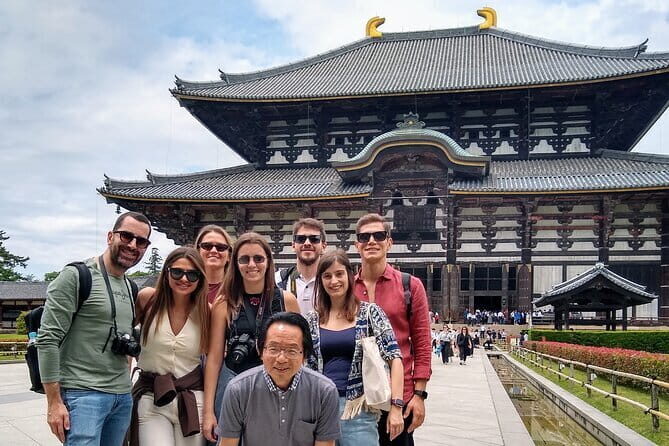
Nara has a quieter, older mood than Osaka’s energy and Kyoto’s crowds. You’re still seeing iconic Japan—temples, shrines, and ceremonial traditions—but the city’s scale and feel are different. This tour leans into that by choosing stops that shape how Nara is understood in Japan: Buddhism, Shinto, and the famous park atmosphere.
What also helps is the order. You start with the big park and temple entry points, then move into shrine and garden. By the time you’re at Isuien Garden, you’ve usually built momentum and also earned the slower pace.
And yes, the deer are a real part of the show here. On a guided day, you’re not just wandering with a map—you get simple guidance on how the park works and how to handle the animal encounters calmly.
You can also read our reviews of more guided tours in Osaka

What You’re Paying for With a $319 Private Guided Day
At $319 per person, this isn’t a budget day trip. But it also isn’t just a “ticket bundle.” You’re buying structured time with a national licensed guide, plus transportation and admissions.
Here’s the value math that matters to you:
- Hotel pickup + train fare means less logistics work for you and fewer chances to lose time.
- Admission fees are included for the stops listed, including Todaiji and Kasuga Taisha, plus the garden.
- You get a private format, meaning the pacing can match your group instead of a fixed crowd rhythm.
Lunch is not included, and that’s your main extra cost to budget for. Expect $10–20 per person for lunch on your own. For many people, that’s still reasonable compared with paying for transport, tickets, and a guide separately.
One more practical note: the tour is something people book fairly early—on average about 93 days in advance. That doesn’t automatically mean you should book super early, but it does mean being flexible last-minute may be harder.
Osaka Station to Nara: The Train Part You Don’t Have to Stress
The day starts with your guide meeting you at your hotel in Osaka. From there, you head to the train, departing from Osaka Station. This kind of start matters because it removes the most common friction point on day trips: finding the right platform, timing the transfer, and keeping everyone moving.
The train ride is part of the plan—so you’re not showing up in Nara already tired. The tour schedule keeps the whole day moving, and that helps when you want to hit multiple major landmarks without turning the day into a sprint.
You’ll also see a subtle advantage to guided interpretation here. Even before you reach the first big sight, your guide can set expectations about what you’re about to see and how to use your time once you get there.
Nara Park: Deer Encounters and Temples in the Same Breath
Nara Park covers a huge 660-hectare area, and that scale is part of why it feels like an actual place rather than a checklist stop. The deer roam freely, and that’s the reason the park is famous. You can buy special crackers and feed them, which turns a photo moment into a hands-on memory.
The sweet spot here is timing. If you arrive when it’s busy, you’ll feel the energy and see plenty of movement. If it’s calmer, you’ll get a better feel for the park’s everyday rhythm. Either way, your guide helps you avoid common missteps, like getting too close without thinking or trying to do everything at once.
In addition to the deer, Nara Park is a context anchor. It’s not just a field full of animals. It’s also where the main temple area and major walks connect, so it’s a natural “welcome” into the city’s temple and shrine world.
Todai-ji Nandai Gate: A 25-Meter Wow Moment
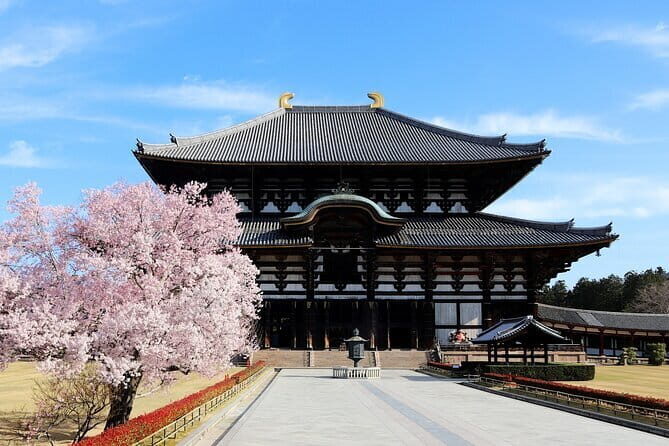
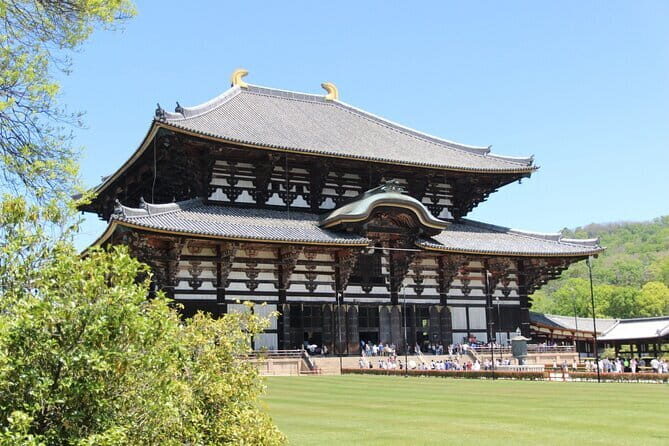
The tour’s Todaiji sequence starts with the Nandai Gate, a 25-meter-high structure. This is one of those spots that’s hard to understand from pictures. In person, you feel the size, especially with the guardian kings in dark alcoves on both sides of the gate.
Even if you’re not into architecture, the gate is a good way to reset your brain. You stop thinking like a visitor and start thinking like someone entering a major religious space. That’s the kind of shift a licensed guide interpretation can help with—giving you a reason to look instead of just telling you what’s there.
A quick note: this gate stop is shorter than some of the others, but it’s a “threshold” stop. It helps you appreciate what comes next inside the temple grounds.
A few more Osaka tours and experiences worth a look

Todaiji Temple: Built in 752 and Still the Main Event
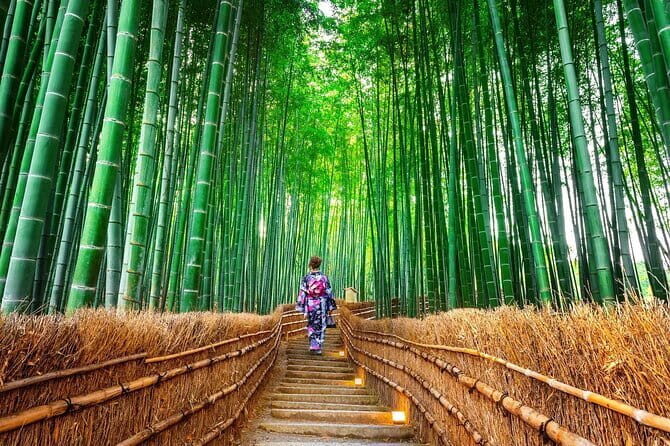
Next comes Todaiji Temple, one of Japan’s most historically important temple complexes. It was built in 752, and it became the head temple for Buddhist temples in Japan. That background matters, because it explains why this site is treated like a centerpiece rather than a single monument.
The time here is about 1 hour 30 minutes, which is long enough to see the major areas without feeling rushed. If you’re the type who likes to pause and absorb details (or you have kids who need a moment to process what they’re seeing), that extra time is a gift.
The main advantage of the tour format is that you’re not wandering and hoping you’re seeing the “right things.” Your guide keeps you moving in a logical order through the temple spaces that define the site.
Kasuga Grand Shrine: Shinto Atmosphere and Many Enshrined Gods
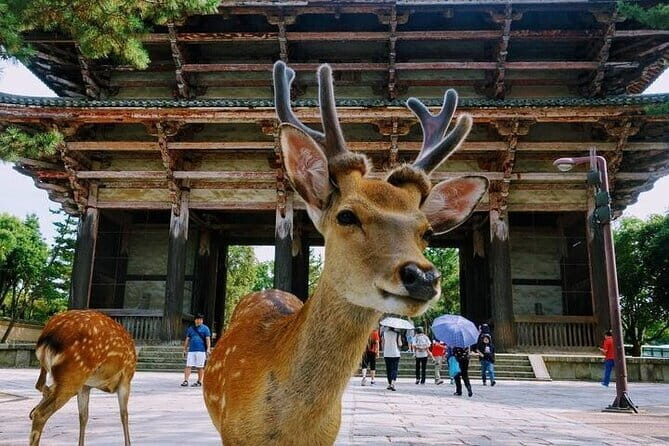
After Todaiji, you shift from Buddhist temple grounds into a very different spiritual world at Kasuga Grand Shrine (Kasuga Taisha). This shrine is considered one of the most sacred in Japan, and it enshrines numerous gods. You’ll see a mix of locals and tourists, which is a good sign: it’s not just a staged attraction.
This stop takes about 2 hours, and that length is meaningful. Shrines often work best when you’re not rushing. Kasuga Taisha can be especially rewarding when you slow down and watch how people move through the space.
What I like about having this as part of a guided day is that the shrine stops aren’t just “look at the gate.” Your guide can connect what you’re seeing to why it’s treated with reverence, so the time feels intentional.
Isuien Garden and the Borrowed-View Trick
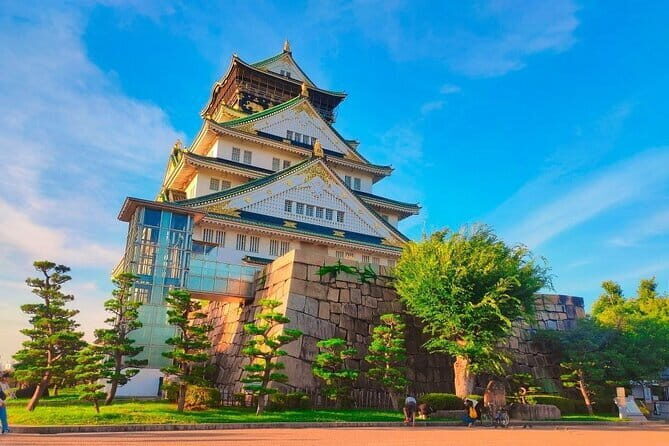
The last major stop is Isuien Garden, known for shakkei, or borrowed scenery. This is the classic Japanese garden idea where the surrounding landscape—here, including Mt. Wakakusa—is worked into the garden view as if it belongs to the composition.
On a day trip, gardens can be easy to skim past. But this one is set late enough that you usually feel ready for a slower rhythm. The time is about 30 minutes, so it’s enough to get the point of shakkei without turning it into an endurance test.
Your guide’s context matters here. If you know what you’re looking for, you’ll notice the garden’s designed sightlines and how your perspective changes as you move. Even for people who think they’re not “garden people,” shakkei is one of those techniques that turns a view into a story.
Guide Quality Makes the Day: Aki and Mark as Examples
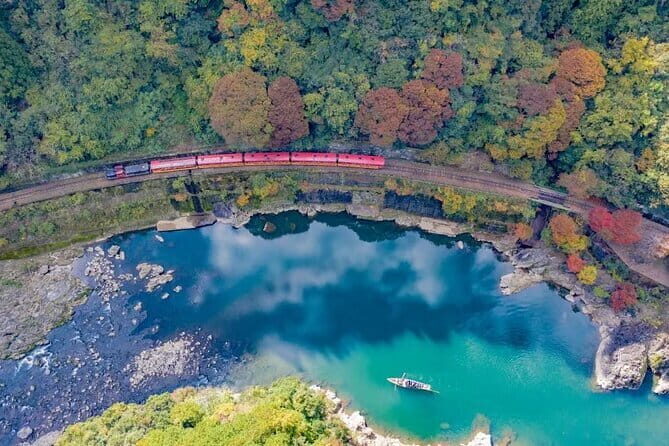
The experience is built around a licensed guide interpreter, and the difference shows in how smooth the day feels. In past trips, guides like Aki stood out for being kind and patient with families, including giving fun, helpful facts that made stops easier to enjoy. Another guide, Mark, was noted for being knowledgeable with added insights and for maintaining a flexible approach on a hot day.
Even when guides differ, the pattern is consistent: you get a friendly, organized day where you spend less time figuring things out and more time actually looking.
And because this is private—only your group participates—you’re also more likely to get answers tailored to your pace and interests, whether that means spending a little longer near the deer or asking questions while you walk between major religious sites.
Practical Tips So Nara Doesn’t Feel Like a Marathon
This tour is smooth, but it’s still a day in Japan with walking, heat, and crowds at key moments. Here’s how you’ll make it feel easier:
- Wear comfortable shoes. You’ll be on your feet through parks, gates, temple grounds, shrine areas, and garden paths.
- Bring something for warm weather. There’s no guarantee the day will be cool, and one review specifically mentioned a very hot day being handled well with good guidance.
- Plan for lunch on your own. With lunch running $10–20, you don’t want to be hungry and rushed at midday.
- If you want those deer cracker moments, listen to your guide first. Deer feeding sounds simple, but doing it thoughtfully is the difference between fun and chaos.
- Keep expectations realistic. You’re seeing major highlights in one day, not living in Nara for a week.
The tour lists a moderate fitness level, so if you have mobility limitations, you should ask directly how the pace works for your group. The itinerary can also shift due to weather, which is normal for outdoor-heavy sightseeing.
Who This Tour Is Perfect For (And Who Might Prefer Something Else)
This Nara day trip works best if you want:
- A guided, structured route from Osaka
- Major icons in one day: Nara Park, Todai-ji, Kasuga Grand Shrine, and Isuien Garden
- Fewer logistics headaches, thanks to hotel pickup and public transport fees being included
Families often like it because the route is clear and the guide can be patient and upbeat. Couples and history-and-culture focused visitors also tend to enjoy the mix of Buddhism, Shinto, and a garden technique lesson.
If you already know Nara well and you want total freedom to wander, you might prefer doing it independently. But if you’d rather spend your energy on what you’re seeing—not on figuring out routes and entry points—this guided day is a strong fit.
Should You Book This Nara Day Trip from Osaka?
If you’re aiming for a well-paced highlight day, I’d say yes. This tour is built around the big, memorable Nara experiences: free-roaming deer at the park, the dramatic scale of Todaiji’s gate and temple complex, the Shinto mood of Kasuga Taisha, and the garden perspective trick at Isuien Garden.
It’s also priced like a real guided experience, not a cheap group ride. You’re paying for admissions, public transportation, and a licensed guide interpreter, plus hotel pickup. For a first-time visitor, that bundle usually saves both time and mental energy.
I’d think twice only if your group is very sensitive to a full day out, or if you strongly prefer slow, self-guided wandering without set timing. Otherwise, this is the kind of day trip that turns Nara from a name you’ve heard into a place you actually remember.
FAQ
What is included in the tour price?
The price includes a national licensed English-speaking guide, public transportation fees, hotel pickup, and the admission fees for the listed stops.
Is hotel pickup available?
Yes. Pickup is offered from your hotel in Osaka, and you’ll meet your guide there before heading to the train.
How long is the Nara day trip?
It runs for about 8 hours (approx.).
What stops are included in the itinerary?
The tour includes Nara Park, Todaiji Nandai Gate, Todaiji Temple, Kasuga Grand Shrine, and Isuien Garden, with training travel between Osaka and Nara.
Do I need to buy tickets for temples and the garden?
No. Admission fees for the included stops are listed as included in the tour.
Is this tour private?
Yes. It’s a private tour/activity, and only your group participates.