REVIEW · TOKYO
Private Tokyo Tour with Licensed Guide & Vehicle (Max 15 persons)
Book on Viator →Operated by Japan Guide Agency · Bookable on Viator
Tokyo feels less confusing with a driver.
This 6-hour private tour is interesting because you trade the subway maze for hotel pickup and a custom plan built around what you actually want to see. I especially like the chance to get photos at Tokyo’s big icons without spending half the day figuring out routes, and I love that the itinerary can be shaped around your interests instead of forcing a fixed checklist. One drawback to plan for: with only about 6 hours, even the best stops can feel a bit quick, especially on busy days like Asakusa.
What really seals it for me is the human factor: you’re not just riding around with a map—you’re learning while you go. Guides like Yoshi, Koji, and Coco show up with practical context and pacing, and you can feel the difference when the day is adjusted for your group (including mixed ages and special needs). Still, the tour moves in short chunks, so if your top priority is long, slow wandering, you’ll want to pair this with a bit of free time later.
In This Review
- Key points before you go
- Why a private car makes Tokyo sightseeing easier
- The licensed guide experience: what you’re paying for
- How the customizable 3–4 stop plan works in practice
- Imperial Palace: stepping into Edo-era atmosphere
- Takeshita Street: Harajuku fashion and quick shopping wins
- Senso-ji Temple and Asakusa: old Tokyo plus street-food time
- Kappabashi Street: utensils, plastic food models, and souvenirs
- Meiji Jingu Shrine: Shinto calm in the heart of the city
- Tsukishima Monjya Street: a different kind of Tokyo food stop
- Ginza and high-end shopping, plus a classic pearl stop
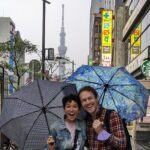
- Shibuya Crossing and Hachiko: organized chaos you can actually enjoy
- Akihabara: anime, tech, and gachapon time
- Yanaka Ginza shopping street: retro Tokyo and stray-cat charm
- Ueno Park: quick culture sampling in a big green space
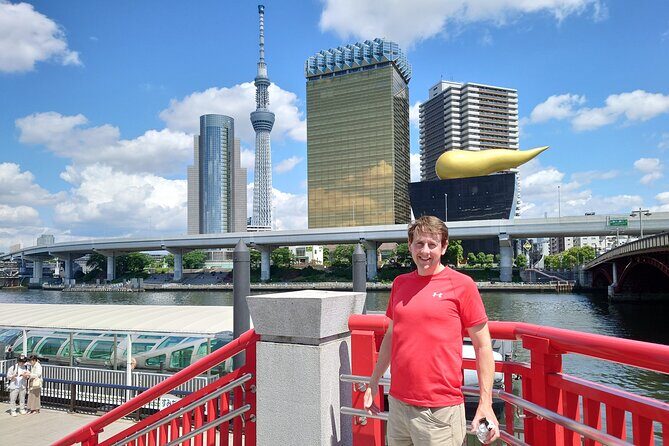
- Tokyo Tower: main deck views, not the top deck
- Tsukiji Fish Market: old-school food energy and a chance to buy something
- Making the day fit your group: timing, priorities, and smoother walking
- Price and value: is $553.58 a good deal?
- Should you book this private Tokyo tour?
- FAQ
- Is this tour private for just my group?
- How many people can be in the vehicle?
- Does the tour include hotel pickup and drop-off?
- How many stops can we choose for our 6-hour day?
- Are entrance fees included at every stop?
- What part of Tokyo Tower is included?
- Is lunch included?
- Can I bring a service animal?
- What child seats are available?
Key points before you go
- Private car = less stress: skip transfers and backtracking while still hitting top sights
- Licensed English-speaking guide: you get explanations and on-the-fly recommendations
- Custom 3–4 main sites: build a day around food, shopping, history, or a blend
- Stops are timed well for first-timers: lots of variety without trying to do everything
- Admission isn’t uniform: some places are free, others require separate entry fees
Why a private car makes Tokyo sightseeing easier
Tokyo’s public transit is excellent, but it can feel like a test—tight connections, multiple train lines, and stations that don’t always line up with what you want to do next. This tour replaces that friction with a private vehicle and convenient hotel pickup and drop-off, so the day starts moving immediately.
That matters more than it sounds. When you’re short on time, you don’t just lose minutes—you lose energy. Having a driver handle traffic and navigation lets you focus on the fun part: stepping out for photos, shopping, and quick walks where you actually want to be.
Also, since the group is limited (up to 15 people), you’re not stuck with the big-bus rhythm. Your guide can adjust the day so everyone stays comfortable—especially if you’ve got a mix of walkers, shoppers, and people who just want to sit and take it all in for a bit.
You can also read our reviews of more guided tours in Tokyo

The licensed guide experience: what you’re paying for
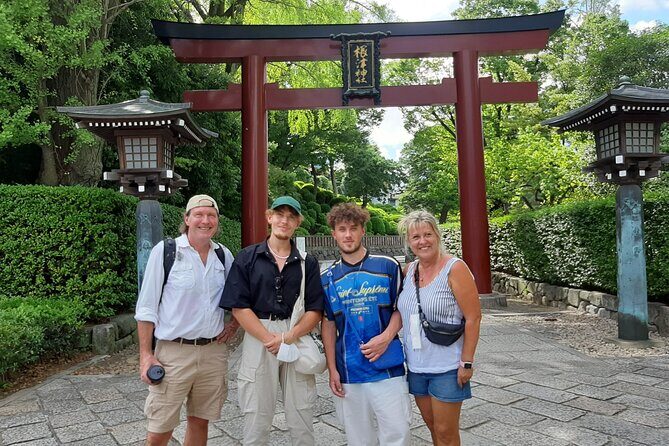
You’re paying for more than transportation. You’re buying a licensed local English-speaking guide who can connect dots between places that otherwise feel like disconnected postcards.
In real-world tours, this tends to show up in small ways: a guide steering you to the right entrance, explaining what you’re looking at in plain language, and shaping the itinerary as the day unfolds. From the way guides like Taku shared materials like flip charts and prepared handouts, you can expect clear explanations—often with visuals—to help you understand Shinto versus Buddhist sites, why neighborhoods look the way they do, and what the sights meant historically.
And pace matters. Some days you’ll want to browse shopping streets longer. Other days you’ll want the quick highlights plus strategic photo stops. A good guide will treat those requests as normal, not as a problem.
How the customizable 3–4 stop plan works in practice
The structure is designed around a customizable tour of your choice of 3–4 sites from the Tokyo highlight menu. That’s the sweet spot for a 6-hour day: enough time to actually enjoy each stop, without racing across the city like you’re chasing checkmarks.
Here’s how I’d think about choosing your 3–4:
- If you’re a first-timer: pick one “old Tokyo” stop (like Senso-ji), one “nature/calm” stop (Meiji Jingu), and one “modern city” stop (Shibuya Crossing or Akihabara).
- If you care about food and shopping: balance a temple with a market or utensil district (Tsukiji, Kappabashi), then add one shopping neighborhood like Harajuku, Ginza, or Yanaka Ginza.
- If your group is mixed: choose places with short walking loops and easier drop-offs—then let the guide handle crowd flow.
Note the timing built into the experience: most stops are about 30 minutes, with shorter time allocated at some locations. That means you should treat each stop as a focused visit, not a full exploration.
Imperial Palace: stepping into Edo-era atmosphere
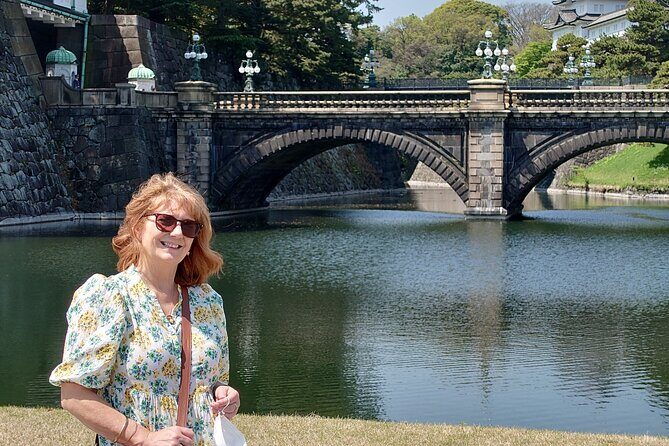
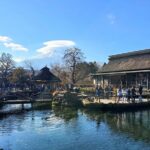
A stop at Imperial Palace (East Gardens area) gives you a strong sense of Tokyo’s layers. You’re standing in the center of a city that looks ultra-modern from many angles, but this area ties back to the feeling of Edo Period Tokyo.
What I like here is the combination of atmosphere and open space. Even when the city is loud elsewhere, the garden setting helps you reset. The tour time is about 30 minutes, and the entry is free—so it’s a good anchor for your day, especially if you’re trying to mix classic and contemporary Tokyo.
Watch-outs: this is still a popular, central destination. If your group hates lines, your guide can usually steer the flow. But with only a half hour, I’d prioritize the highlights you most care about rather than trying to see everything.
Takeshita Street: Harajuku fashion and quick shopping wins
Next up is the neon-and-youth side of Tokyo: Takeshita Street in Harajuku. If you want kawaii fashion in a concentrated dose, this is where you’ll feel it fast.
Your time here is about 30 minutes, and admission is free, which makes it ideal for a quick browse-and-buy stop. I’d use the time for:
- snapping photos of the storefront energy
- checking out fashion items and accessories you can’t easily find at home
- picking up small souvenirs that are easy to carry
The drawback isn’t the tour—it’s the neighborhood. Harajuku gets crowded. For many people, it’s part of the fun. If your group prefers calmer shopping, you’ll likely still enjoy the vibe, but you may want to keep expectations realistic about walking comfort.
You can also read our reviews of more private tours in Tokyo


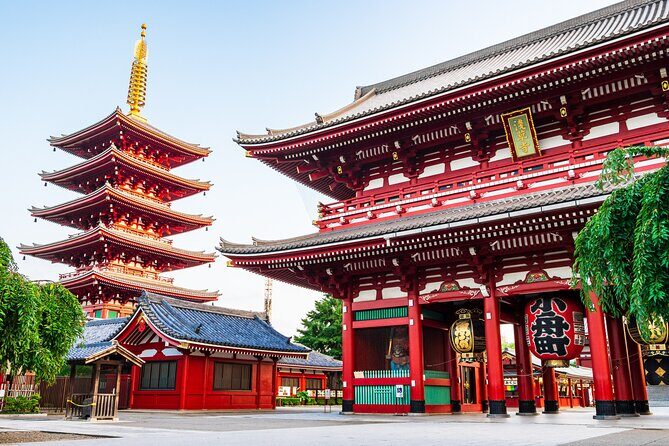
Senso-ji Temple and Asakusa: old Tokyo plus street-food time
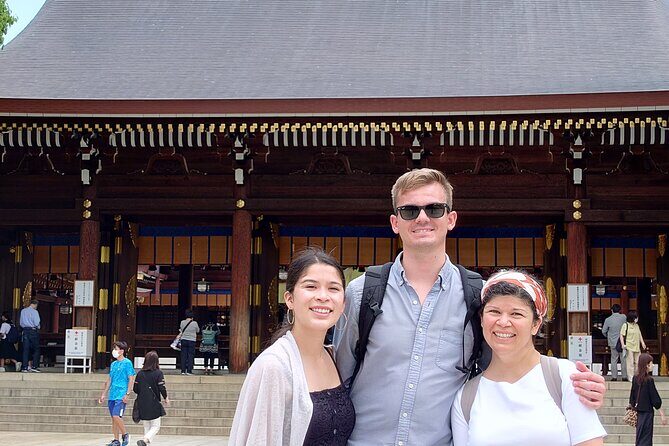
Senso-ji Temple is one of those stops that earns its fame. The tour time is about 30 minutes, and entry is listed as free, so you’re spending your money on time with a guide rather than ticket fees.
What makes this stop special is the immediate contrast: temple atmosphere right next to street-level snacks and shopping. There’s specific food the tour highlights—like dango (small mochi-like sweets) and agemanju (deep-fried sweet bean-filled mochi). If you want to taste Tokyo’s old-school street-food culture without doing the research yourself, this is a practical place to do it.
Plan for crowds. Even with a guide, you’ll be moving in a flow of people. The upside is that seeing Senso-ji with context makes it more than a photo stop—you understand what you’re looking at as you pass through.
Kappabashi Street: utensils, plastic food models, and souvenirs
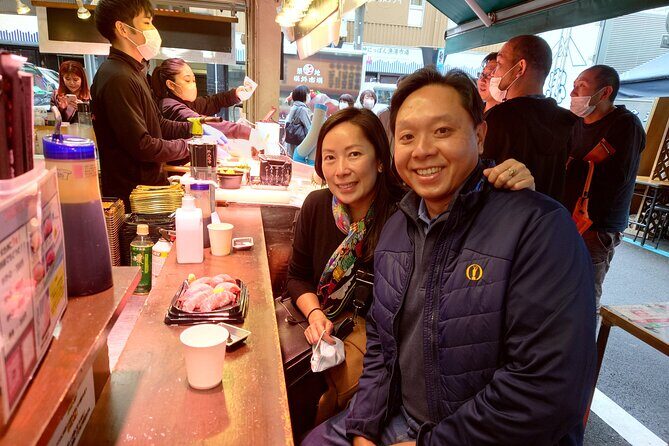
If you love the visual side of Japanese craft, don’t skip Kappabashi Street (Kappabashi Dogugai). This area is packed with cooking tools and chef-style supplies, but the real standout is the plastic sample food models that shops display like art.
The tour gives you about 30 minutes here and notes admission is free. This is also a smart shopping stop because:
- you can browse quickly and still find great items
- the keychain-sized food models are easy, light souvenirs
- you leave with something very Tokyo, not just another generic postcard
One consideration: it’s a shop-focused district, so if your group isn’t into cooking gear or small tchotchkes, you might want to treat Kappabashi as optional and spend your “must-see” slot elsewhere.
Meiji Jingu Shrine: Shinto calm in the heart of the city
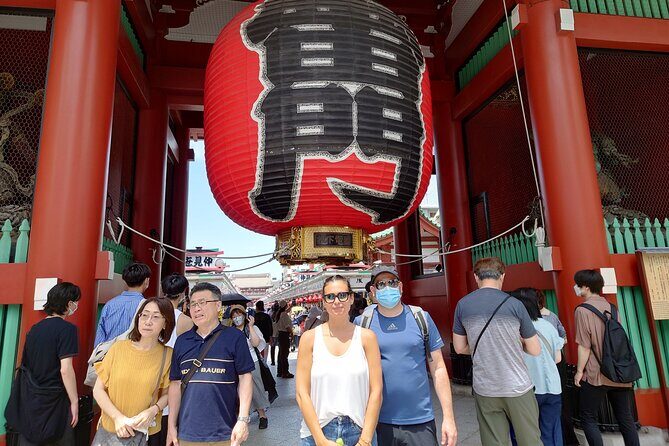
If you’ve got even a little interest in religion and how people actually live alongside tradition, Meiji Jingu Shrine is a great pivot point. The setting—ancient trees, quiet grounds—gives you a calmer Tokyo reset after busier streets.
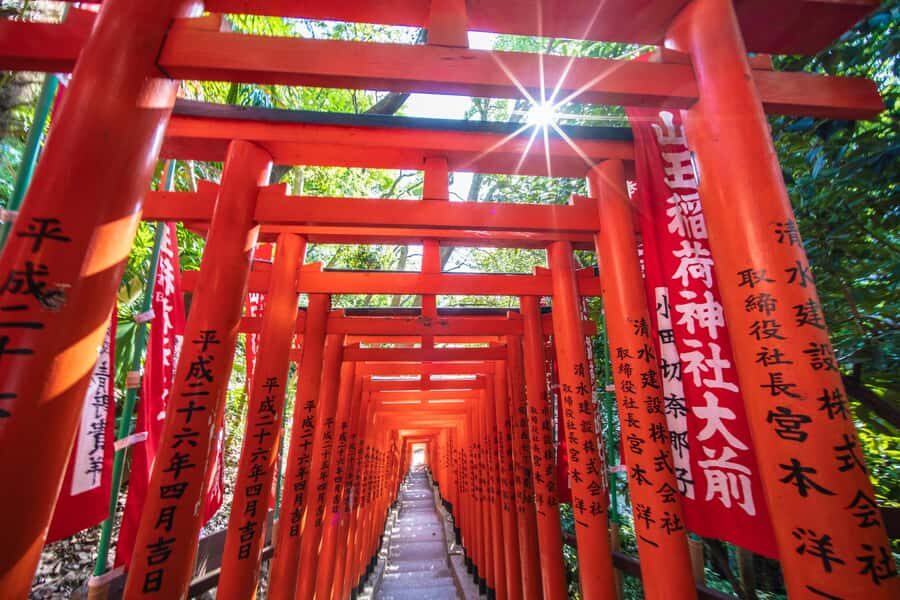
The tour time is about 30 minutes. Unlike some earlier stops, the entry is listed as not included, so you’ll likely need to budget a separate ticket (or at least have small cash ready).
This is also a strong pick for groups that want photos without the crush of the most central commercial areas. The shrine isn’t just pretty; it’s a place where the meaning comes through if your guide explains what Shinto practices look like and why the space feels the way it does.
Tsukishima Monjya Street: a different kind of Tokyo food stop
Tsukishima Monjya Street is a fun choice if you want Tokyo flavor that feels distinct from the standard sushi-and-ramen tourist loop. The tour highlights monjya—Tokyo-style savory, often cooked right at the table in a way that’s more interactive than some other foods.
This stop runs about 30 minutes and admission is free. Since lunch isn’t included in the tour package, this is the sort of location where the guide recommendation can really help. You’ll get a better chance of ordering confidently and not overthinking menus mid-tour.
The only real drawback: because this is very food-oriented, it works best when you actually want to eat rather than just browse.
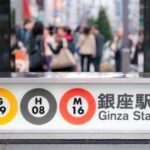
Ginza and high-end shopping, plus a classic pearl stop
Ginza is Tokyo at its polished, department-store best. If your idea of shopping includes higher-end brands, Ginza is a straightforward “yes.”
You’ll get about 30 minutes, and admission is free. The tour also calls out Mikimoto for pearls, which can be a meaningful souvenir even if you just stop in for a look.
I like Ginza as a mid-day recharge because it’s structured. You’re less likely to feel lost, and the guide can help you choose what fits your budget.
Caveat: if your group prefers street-level bargain shopping, Ginza can feel a little too refined. In that case, swap it with a neighborhood like Akihabara or Yanaka Ginza where the vibe is more casual.
Shibuya Crossing and Hachiko: organized chaos you can actually enjoy
Shibuya Crossing is famous for a reason: it’s a “happens-at-once” intersection where people move in multiple directions in an orderly surge. The tour also notes the statue of Hachiko, the loyal shiba dog.
Time here is about 30 minutes, with admission listed as free. This is a perfect stop for:
- getting your bearings in modern Tokyo
- photos that show real city energy
- a quick culture moment that’s instantly recognizable
One drawback to plan for: crowds here can be intense. The big win is having a guide telling you where to stand so you’re not wandering aimlessly while strangers flow around you.
Akihabara: anime, tech, and gachapon time
If your Tokyo trip includes an interest in geek culture, Akihabara is the place you’ll recognize immediately. The tour frames it around anime fans, tech curiosity, and gachapon (capsule toys).
You’ll have about 30 minutes, admission free. This is a short, high-signal stop that works well if you want a taste rather than a deep collector’s hunt.
What I appreciate: it’s a neighborhood where the guide can help you find what you’re actually trying to buy without turning it into a shopping detour that eats the day.
Yanaka Ginza shopping street: retro Tokyo and stray-cat charm
Yanaka Ginza feels like a time capsule compared with many of Tokyo’s newer areas. The tour highlights a retro shopping street and even mentions stray cats in the area. It’s also noted for famous croquettes, which makes it a natural bridge between browsing and food.
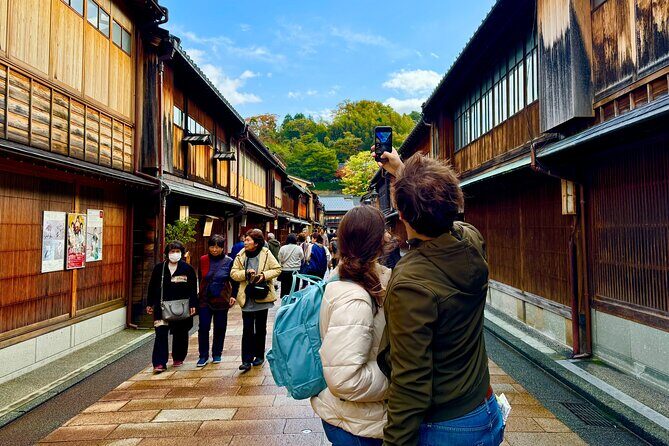
You get about 30 minutes, and admission is free. I like Yanaka Ginza for travelers who want texture—small streets, local shops, and a slower tempo than the mega-neighborhoods.
If your group hates animal sightings or prefers perfectly polished streets, you’ll want to keep expectations realistic. For most people, though, the cat sightings add personality.
Ueno Park: quick culture sampling in a big green space
Ueno Park is huge and packed—museums, a Toshogu Shrine, Shinobazu Pond, and more. The tour gives about 10 minutes, and admission is not included (so ticketed attractions inside may require separate payment).
This is one of those stops where your guide choice matters. In only 10 minutes, you won’t “do Ueno.” Instead, this works best as a brief introduction—especially if you’re also deciding later if you want to return on your own.
The tour also notes Ueno Park’s reputation as a cherry blossom party spot, so if your timing overlaps spring, it can add extra meaning.
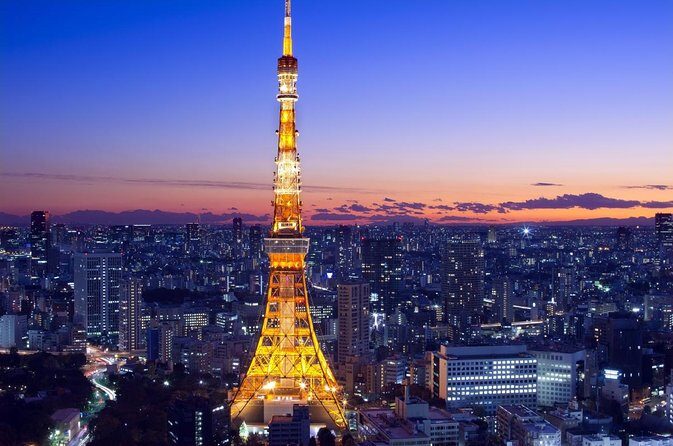
Tokyo Tower: main deck views, not the top deck
No list of Tokyo highlights is complete without a skyline moment, and Tokyo Tower is a classic. The tour specifies access only up to the main deck—the top deck is not included.
Time is about 30 minutes, and admission is not included. If you care mostly about great city views and don’t need the highest level, this stop offers good value because you’re not paying for the full premium experience.
The key practical point: get your best photo plan early in the visit. Lines and elevator timing can affect how much you actually enjoy once you’re inside.
Tsukiji Fish Market: old-school food energy and a chance to buy something
Tsukiji Fish Market is described as Japan’s old fish market, full of unique food choices that locals and tourists come for. The tour allots 30 minutes, and admission is listed as free.
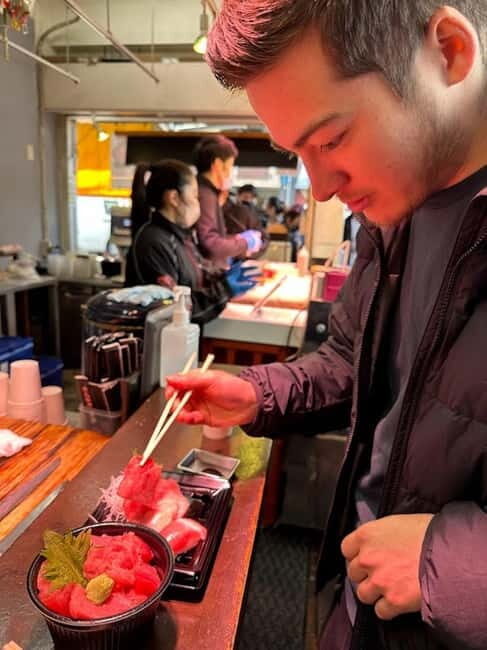
I like Tsukiji for the senses: stalls, smells, and the sense that food is happening right in front of you. The tour also encourages purchasing something while you’re there, both for the experience and to support vendors.
One consideration: this is a market vibe, not a sit-down meal situation. If your group wants a calm, quiet cultural site, Tsukiji may feel busy. If you want to snack and wander, it’s a strong fit.
Making the day fit your group: timing, priorities, and smoother walking
Here’s what I’d do to get the most from 6 hours like this:
- Choose your “must” early. Pick 3–4 stops that match your group’s mood: one classic site, one shopping/food stop, and one “modern Tokyo” moment.
- Tell your guide what kind of photos you want. Do you want wide skyline shots, street-level energy, or calm garden images?
- Build a realistic pace. This tour is designed for short visits. If you want deeper exploration, plan to return later or add free time after.
- Use the guide for practical decisions. If you’re trying to eat something specific (like monjya) or shop for a particular type of souvenir, ask early so you’re not rushing at the end.
- If you need extra support, ask directly. The tour notes limited car seats/boosters, and rear-facing car seats aren’t available. Also, one real example in the tour history shows guides taking wheelchair groups to accessible drop-off areas and helping with entrances and tickets—so it’s worth communicating needs ahead of time.
Price and value: is $553.58 a good deal?
This tour is priced at $553.58 per group (up to 4), and the experience itself is private with a vehicle that can handle up to 15 people. That means the value can look very different depending on how you’re traveling.
Here’s the value logic I use:
- If you’re a group of 4, the cost per person drops fast, and the tour starts to look like a smart upgrade over figuring out metro routes while also paying for taxis all day.
- If you’re traveling as a larger group, your best “value” comes from having one licensed guide and one vehicle working together—less chaos, more coordination, and shorter walking distances between stops.
The hidden cost this tour saves you is time and stress. Tokyo is doable on your own, but it’s not always pleasant when your schedule is tight. With hotel pickup and a driver, you’re buying back your energy so you can enjoy the stops themselves.
So yes, it’s not a cheap day tour. But it’s the kind of spend that can make Tokyo feel easier on day one.
Should you book this private Tokyo tour?
Book it if:
- you want a first-time overview without wrestling the metro
- your group includes mixed ages or mixed interests (history plus shopping plus food works well here)
- you like the idea of a licensed guide shaping the day based on what you care about most
Skip it (or plan differently) if:
- you want long, unhurried visits at a few sites only
- your group hates crowds and doesn’t handle quick transitions well
- you’re expecting every stop to feel “fully explored” in 30 minutes each
If your goal is to get oriented fast and still come away with photos, food moments, and real context, this is a strong choice.
FAQ
Is this tour private for just my group?
Yes. It’s a private tour/activity, and only your group participates.
How many people can be in the vehicle?
The private tour notes groups up to 15 persons.
Does the tour include hotel pickup and drop-off?
Yes. Pickup and drop-off are offered in Tokyo.
How many stops can we choose for our 6-hour day?
The tour is described as customizable, with 3–4 sites chosen from the provided set of Tokyo highlights.
Are entrance fees included at every stop?
Not always. Some stops are listed as admission ticket free (like Imperial Palace and Senso-ji Temple), while others are not included (like Meiji Jingu Shrine, Ueno Park, and Tokyo Tower).
What part of Tokyo Tower is included?
The tour specifies access up to the main deck only. The top deck is not included.
Is lunch included?
No. Lunch and other personal expenses are not included.
Can I bring a service animal?
Yes. Service animals are allowed.
What child seats are available?
There are only a limited number of car seats and booster seats, and rear-facing car seats are not available. You must contact the provider directly if you need them.