REVIEW · TOKYO
Tokyo: Private Shinto Shrines Tour by Car with Local Guide
Book on GetYourGuide →Operated by O2 Japan Travel · Bookable on GetYourGuide
Meiji Shrine feels like it belongs to another world. This private, half-day car tour gives you four major Tokyo shrines with an English-speaking guide to explain the meaning and the etiquette. I love that you cover four sacred sites without wasting time on transit, and I like that the guide helps you do the rituals correctly, including goshuin stamp know-how.
The main thing to consider is simple: it is a half-day plan, so you’ll want to move at the guide’s pace and wear shoes that handle walking on shrine grounds, steps, and stone paths.
In This Review
- Key Points to Know Before You Go
- Why This Tokyo Shrine Route Works So Well in One Half-Day
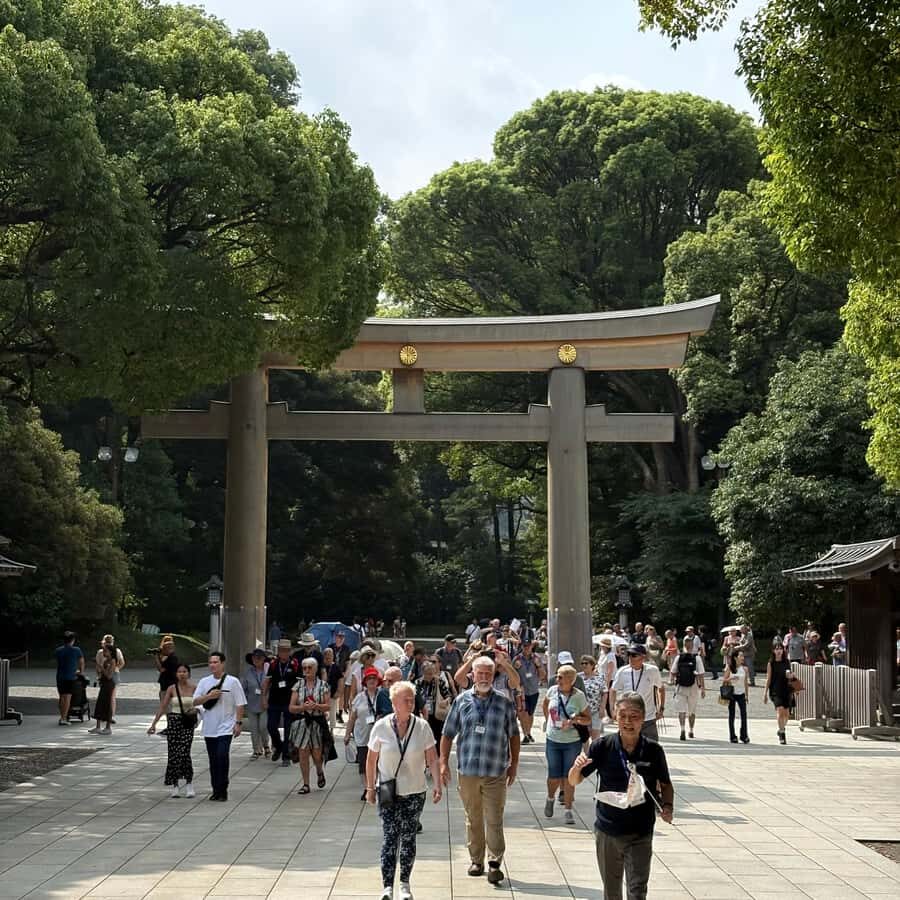
- Meiji Shrine: A Forest Pause Tucked Into Central Tokyo
- Hie Shrine and Its Red Torii Tunnel: Fortune and Relationship Wishes
- Tokyo Daijingu: A Love-Focused Shrine for Romantic Happiness
- Kanda Myojin: Blessings for Entrepreneurs and Tech People
- The Optional Koami Jinja Stop for Extra Luck and Protection
- Private Car Comfort and the Value of an English Guide
- Goshuin Stamps: Your Ritual Keepsake, Not Just a Souvenir
- Price and What $248 Per Group Actually Buys You
- What to Wear, Bring, and Do at Shinto Shrines
- Who This Tour Suits Best
- Should You Book This Private Shinto Shrines Tour?
- FAQ
- What shrines are included on the tour?
- How many shrines do you visit and how long is the tour?
- Is the tour private, and do you travel by car?
- Do you get hotel pickup and drop-off?
- Is the guide English-speaking?
- Does the tour help with goshuin (sacred stamps)?
- What should I bring and what rules should I follow?
Key Points to Know Before You Go
- Hotel pickup by car: You get door-to-door convenience instead of public-transport juggling
- Four shrines in about half a day: A tight route that still feels coherent
- English-speaking local guide: Explanations of history plus practical prayer etiquette
- Goshuin stamp assistance: Help collecting sacred stamps for a real keepsake
- Love, fortune, and business blessings: Each shrine has a clear theme
- Optional extra stop if time allows: You might add a side shrine like Koami Jinja
Why This Tokyo Shrine Route Works So Well in One Half-Day
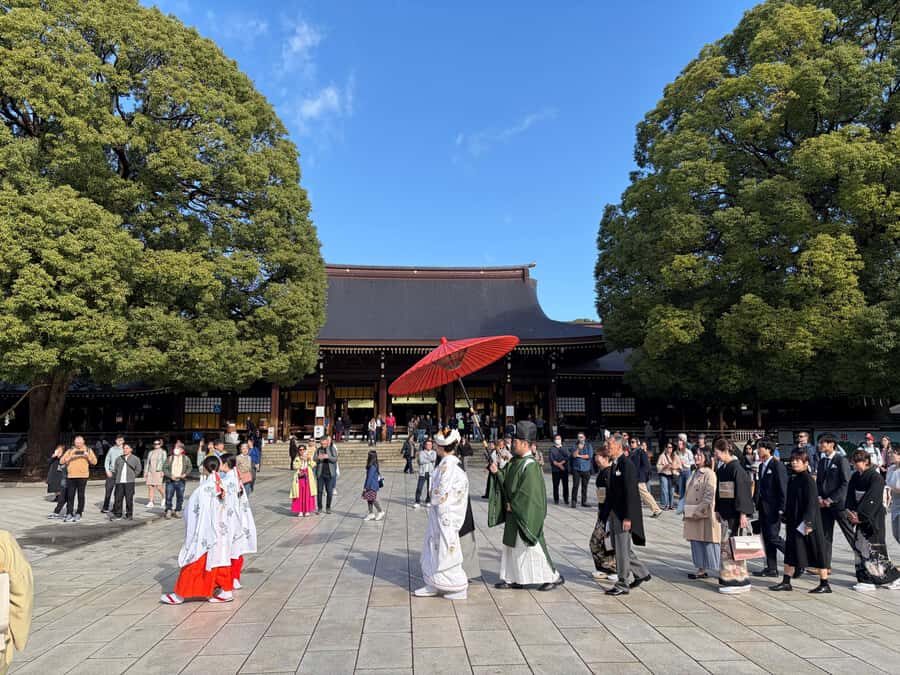
Tokyo’s shrine scene can be overwhelming. There are torii gates everywhere, and if you don’t know the basic rhythm of Shinto prayer, it’s easy to rush through and miss what you came for.
This tour solves that with a private car route and a guide who keeps the stops logical. You start with Meiji Shrine’s calm, shift to Hie Shrine’s red-gate fortune energy, then move into Tokyo Daijingu for romance prayers, and finish at Kanda Myojin with blessings tied to work and commerce. The result is not just sightseeing. It’s a sequence of intentions, like setting your mind in different directions one stop at a time.
And yes, you’ll get the real-world value of convenience: air-conditioned transport, hotel pickup and drop-off, and someone handling the timing so you aren’t stressing about trains, lines, or getting lost between districts.
You can also read our reviews of more guided tours in Tokyo


Meiji Shrine: A Forest Pause Tucked Into Central Tokyo
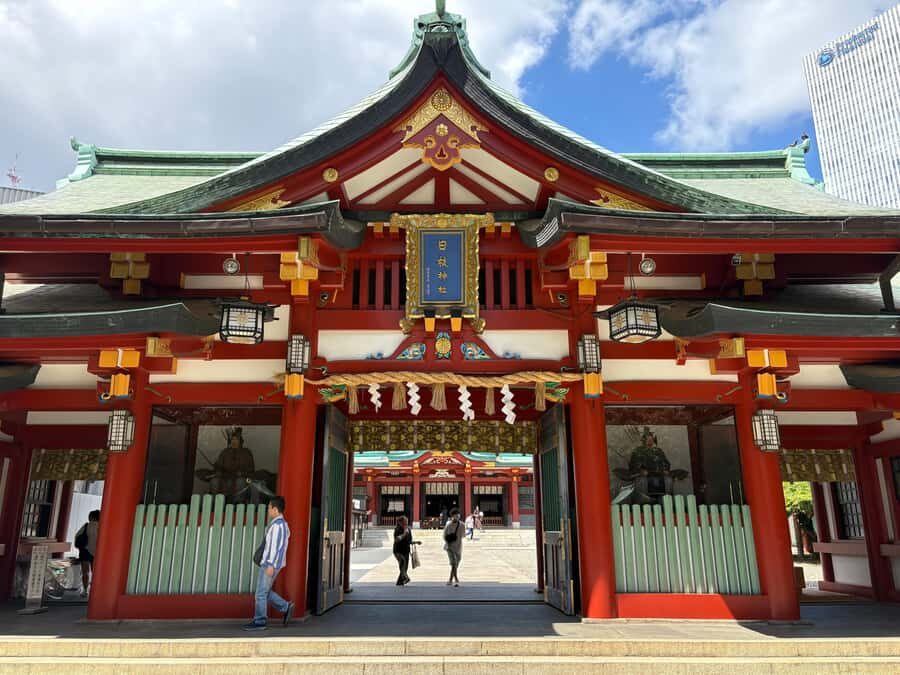
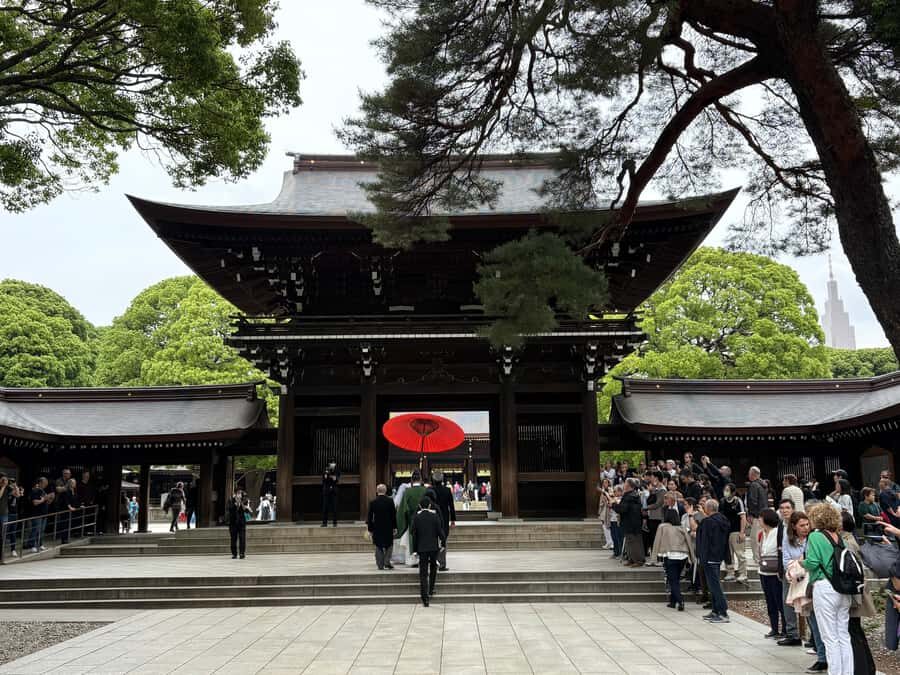
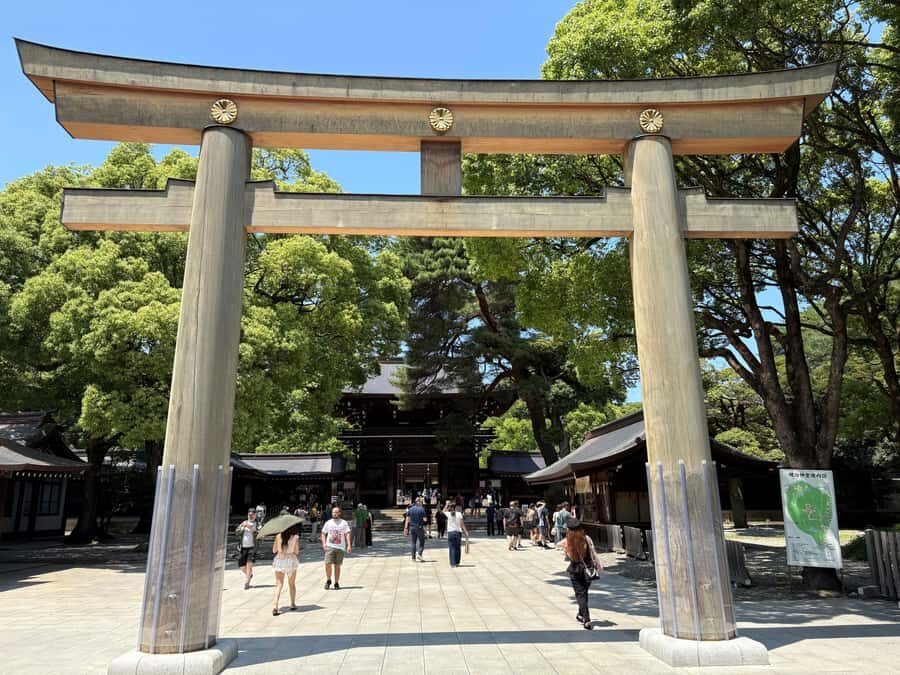
Meiji Shrine is where the noise of Tokyo turns into quiet. It sits in a large, green area that feels far from the city grid, and that setting matters. When you approach shrines that are meant for reflection, the surroundings help you get in the right headspace fast.
Here, you connect to the legacy of Emperor Meiji, one of the reasons this shrine is so important to Japanese spiritual life. The guide’s role is especially useful on this first stop: you’ll learn what you’re supposed to do, what you’re supposed to notice, and how to keep your actions respectful.
Practical tip: plan to walk slowly through the approach and give yourself a moment at the main shrine area. If you treat Meiji like a quick photo stop, you’ll miss the point. If you treat it like a reset, you’ll feel the difference.
Hie Shrine and Its Red Torii Tunnel: Fortune and Relationship Wishes
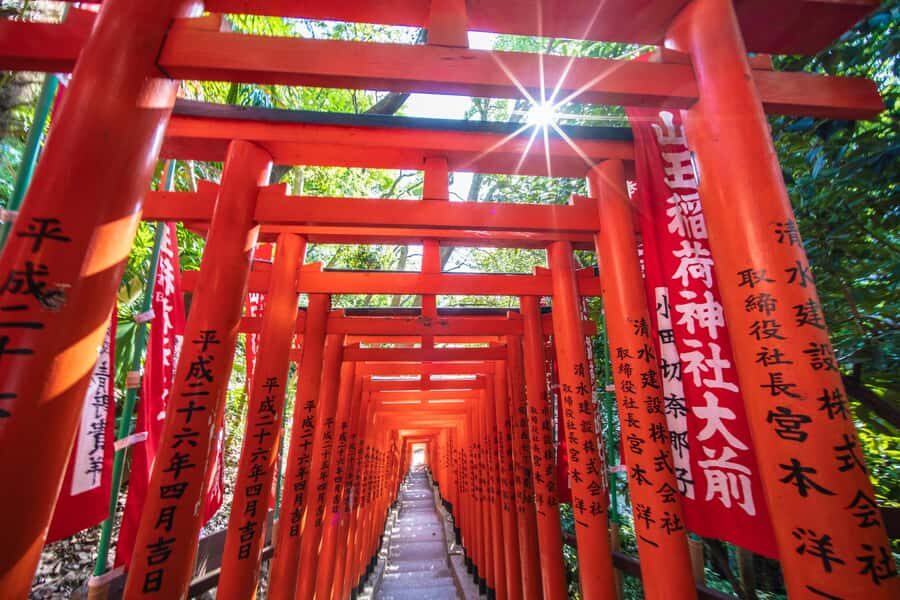
Next up is Hie Shrine, famous for its tunnel of bright red torii gates. Even if you’ve seen torii gates before, this one tends to hit differently because of the tight, repeated rhythm of the gates. It creates a physical feeling of moving through a space that’s meant for prayer.
This is a shrine strongly associated with good fortune and lasting relationships. So while you’re walking through the gates, you’re not just passing a landmark. You’re participating in a tradition where people come with specific wishes.
One detail that helps: the guide will point out highlights and explain what to do during the prayer steps. That means you’re less likely to do it wrong, and more likely to understand what you’re doing when you offer your prayer.
If you’re traveling as a couple, Hie is an easy place to slow down. If you’re traveling solo, it still works well because it gives your mind a clear target: steadier luck and steadier bonds.
Tokyo Daijingu: A Love-Focused Shrine for Romantic Happiness
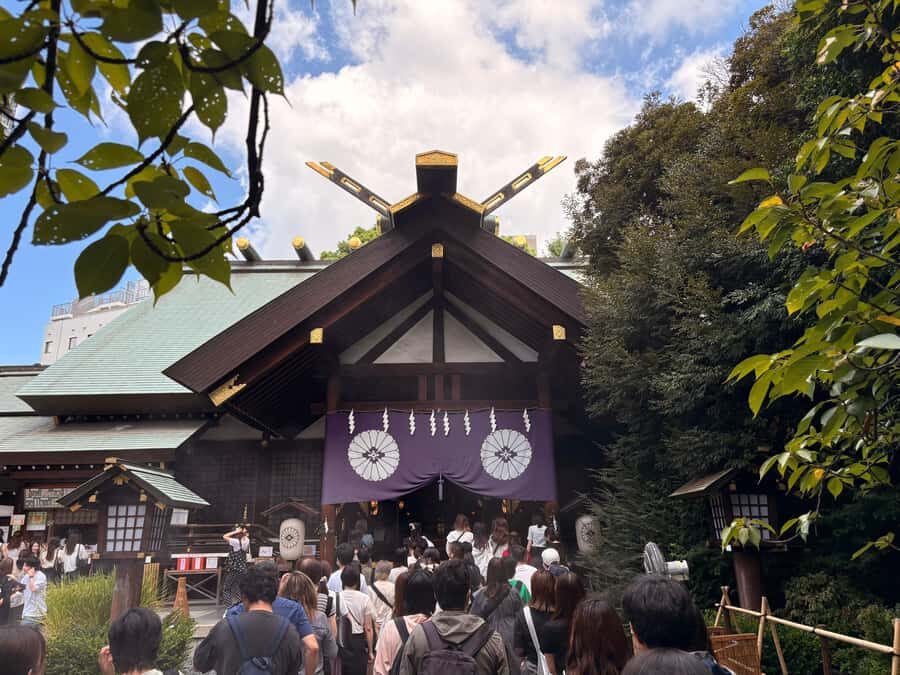
Tokyo Daijingu is known as one of the top love shrines in the city. That reputation isn’t just marketing; people come with the specific intent of romantic happiness, which shapes the mood of the place.
At this stop, you’ll likely notice how prayer here feels more personal. You’re not trying to cover everything under the sun. You’re focusing on one theme—love—and the guide’s explanations help translate the meaning of that theme into something you can actually apply while you’re there.
Also, this stop is where goshuin matters. If you’re collecting stamps, you’ll be more motivated to pay attention because each shrine’s stamp and setting can become a keepsake tied to an intention.
A small drawback: if you don’t like doing ritual steps, Tokyo Daijingu may feel more structured than you’re used to. On the upside, the guide’s coaching makes the steps straightforward rather than mysterious.
Kanda Myojin: Blessings for Entrepreneurs and Tech People
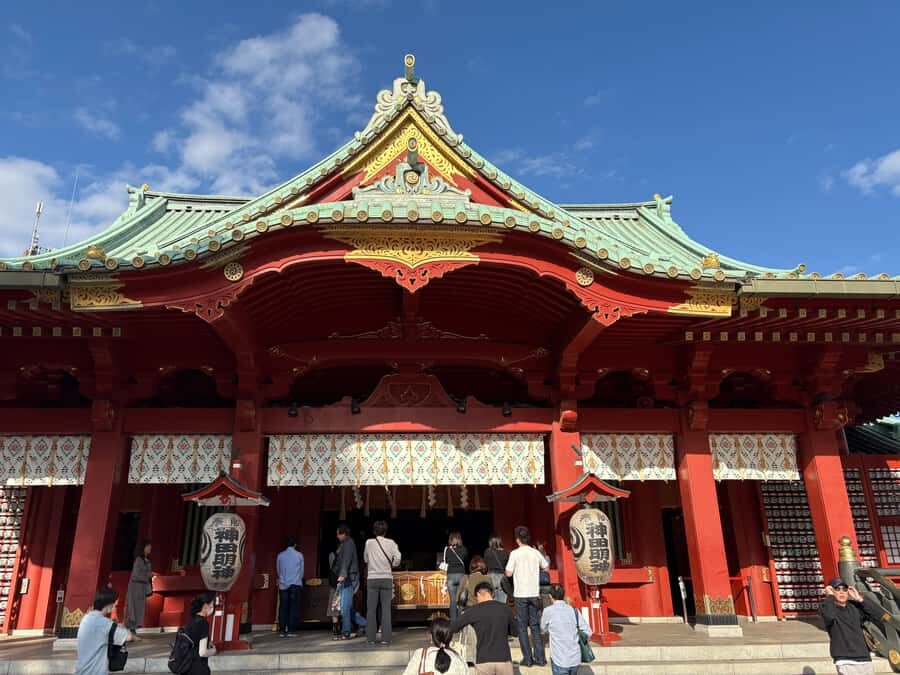
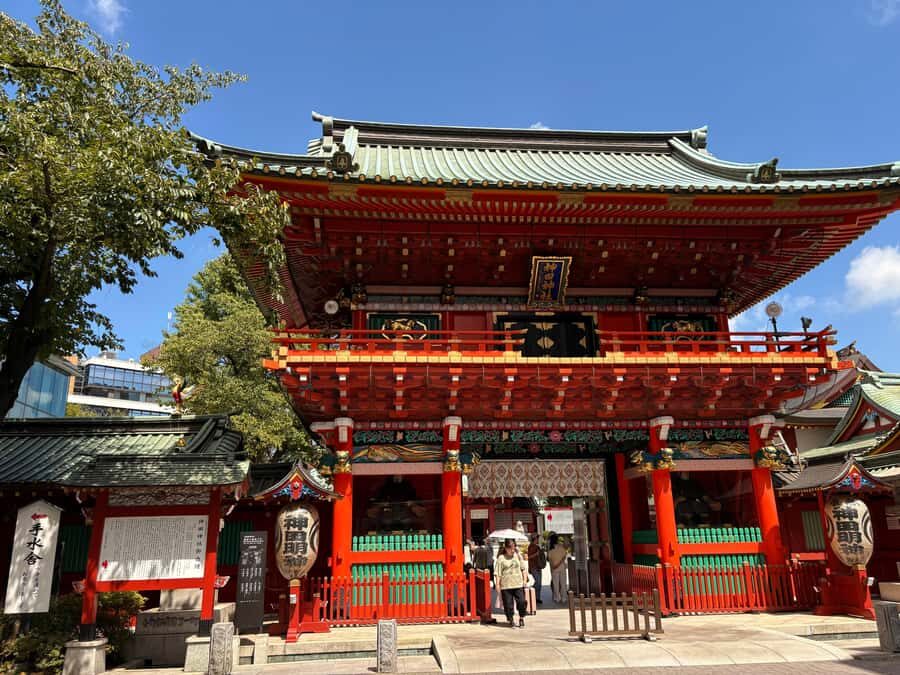
Kanda Myojin has a lively reputation, and it’s especially loved by people connected to business and innovation, including entrepreneurs and tech innovators. That focus makes the shrine feel relevant for modern visitors. It’s not only for history lovers—it’s for people trying to make things happen in the present.
This is the stop where many guests shift from general wishing to practical wishing. You may find yourself thinking: new projects, smoother operations, safer decisions, better protection in your day-to-day work.
The guide helps here too, because Shinto etiquette isn’t complicated, but it is specific. When someone explains the proper way to make a Shinto prayer, you don’t have to guess. You also avoid the awkward moments where you wonder if your actions are off.
If you’ve been planning your trip as a reset after a busy schedule, finishing at Kanda Myojin can feel like a clean landing: spiritual energy plus momentum for what’s next.
You can also read our reviews of more private tours in Tokyo



The Optional Koami Jinja Stop for Extra Luck and Protection
If your timing allows, the itinerary may include Koami Jinja. This small shrine is known for good luck and protection, and it gained extra attention because it survived earthquakes and wartime bombings. People attach real meaning to that kind of survival story.
Because Koami Jinja is smaller than the four main stops, it can feel more intimate. That can be a plus if you like quieter prayer spaces rather than spectacle. It’s also a good add-on if you want an extra layer to your intentions: not just love or fortune, but protection.
Don’t assume it’s guaranteed. It’s framed as a depends-on-time kind of stop. The benefit is that it gives your tour a chance to match your priorities on the day.
Private Car Comfort and the Value of an English Guide
This tour is private, so you aren’t stuck with strangers’ timing. You also get air-conditioned transport, which matters in Tokyo, especially if your half-day overlaps hot or rainy weather.
The best part, though, is how the guide turns shrine etiquette from confusing into simple. You’ll learn the basics of how to behave, when to perform the steps, and what the shrine is about. That’s what makes the experience feel cultural rather than just scenic.
In one review, the guide’s name was Oishi, and people praised his professionalism, helpful protocol explanations, and even his entertaining storytelling. Another detail I like: the same guide also worked to accommodate a request to visit Asakusa Shrine even though it wasn’t in the original plan. That suggests the tour can be flexible when there’s room in the schedule.
So if there’s a specific shrine you care about, it’s worth asking. Just keep expectations realistic for time and routing.
Goshuin Stamps: Your Ritual Keepsake, Not Just a Souvenir
Goshuin are more than “cool stamps.” They’re part of the Shinto shrine visit culture, and collecting them is a tangible way to remember where you prayed and what you hoped for.
This tour includes goshuin collection assistance, which is one of the smartest inclusions. If you’ve never collected stamps before, this can prevent the common headaches—like not knowing where to go, what to say, or how to handle your stamp book. It also helps you avoid wasting time figuring it out on your own while everyone else moves on.
From a review, I also learned a practical note: you can get stamps in all the shrines for 500 yen. That’s useful for budgeting, and it supports the idea that this isn’t an overly expensive add-on.
Bring the stamina to enjoy the moment. When you’re focused on stamps, it’s easier to notice details you’d otherwise skip—like where the prayer steps happen, or how each shrine’s atmosphere differs.
Price and What $248 Per Group Actually Buys You
At $248 per group (up to 3 people), this is not the cheapest way to do shrines in Tokyo. But the value depends on how you travel.
If you’re a solo traveler or a couple, you’re paying for convenience: hotel pickup, private car, an English guide, and the time you save by not connecting between multiple shrine areas. If you’re traveling in a small group, the cost spreads out and the math gets easier.
Also, consider what you’re buying besides transport. A private guide isn’t just narration. It’s real help with etiquette and goshuin collection. That kind of support often makes the difference between a quick checklist trip and a meaningful cultural experience.
Then there’s the schedule benefit. You’re doing four major shrines in about half a day. If you tried to DIY it, you’d spend more mental energy coordinating trains, walking time, and arrival timing. You might still see the places—but you’d likely spend less time understanding what you’re seeing.
What to Wear, Bring, and Do at Shinto Shrines
This is a walking-in-public-spaces type of outing. You’ll want comfortable shoes for stone paths, stairs, and the general ground that shrine areas tend to have.
Plan to keep your behavior respectful. No smoking is stated as not allowed, and that’s a good reminder to stay mindful of shrine rules in general. You’ll also follow the guide’s instructions for prayer steps, which makes the visit smoother.
If you’re collecting goshuin, you’ll also want to be patient. Stamps take time, and it’s better to take them calmly than rush and miss instructions.
One more smart approach: don’t over-plan your photos. I’ve found that the best shrine memories come from paying attention first, then photographing second.
Who This Tour Suits Best
This is ideal if you want spirituality without the logistics stress. It’s a great match for:
- Couples chasing a romantic-focused shrine day
- Solo travelers who want someone to explain what they’re doing
- Small groups who value comfort, timing, and English guidance
- Busy people on a tight schedule who still want a proper shrine experience
It also works well if you’re the kind of traveler who likes structure. The itinerary gives your day a clear flow: calm, fortune, love, then business-minded protection.
If you’re the type who wants to roam with no plan, you might feel constrained by a fixed order. But even then, the private nature helps, because your guide can adjust within reason.
Should You Book This Private Shinto Shrines Tour?
I think this is worth booking if your priority is a respectful, guided, time-efficient shrine circuit. You get hotel pickup, private transport, four key shrines, English explanations, and goshuin assistance—those are meaningful benefits, not fluff.
I’d hesitate if you’re on a strict budget or you genuinely enjoy figuring out etiquette on your own. DIY can be fine in Tokyo, but you’ll need to do some homework about Shinto prayer steps and shrine behavior.
If you go, my advice is simple: show up with comfortable shoes, ask your guide if there’s room for an extra shrine stop based on your interests, and treat the rituals as part of the experience—not an obstacle.
FAQ
What shrines are included on the tour?
The tour includes Meiji Shrine, Hie Shrine, Tokyo Daijingu, and Kanda Myojin. There may also be an optional stop at Koami Jinja if time permits.
How many shrines do you visit and how long is the tour?
You visit four of Tokyo’s most sacred shrines in about half a day.
Is the tour private, and do you travel by car?
Yes. It’s a private guided tour by car, with an air-conditioned vehicle.
Do you get hotel pickup and drop-off?
Yes. Hotel pickup and drop-off are included.
Is the guide English-speaking?
Yes. The tour includes an English-speaking local guide.
Does the tour help with goshuin (sacred stamps)?
Yes. Goshuin collection assistance is included.
What should I bring and what rules should I follow?
Bring comfortable shoes for walking on shrine grounds. Smoking is not allowed. Lunch is not included.