REVIEW · TOKYO
Tokyo: City Tour B
Book on GetYourGuide →Operated by NIPONEANDO · Bookable on GetYourGuide
Tokyo’s neighborhoods change fast. This Spanish tour strings them together in one long, logical day. You start with a quiet shrine visit, then jump into trend streets, then end at Shibuya’s famous crossing—so you get the full contrast in a single run.
What I like most is the way the guide keeps things close and friendly, not distant and scripted. And I also appreciate the tour’s practical add-ons: you get tips and recommendations so you can keep enjoying the trip after the group moves on.
One thing to watch: the schedule packs a lot in. You’ll see a lot of areas, but the “number of stops” can feel ambitious if you like to linger and take your time.
In This Review
- Key points at a glance
- A Spanish guide’s route through Tokyo’s biggest mood swings
- Where you meet and how the 8-hour plan actually feels
- The pace: built for “see a lot,” not “slow travel”
- Meiji Shrine at Yoyogi Park: calm start, real context
- What to pay attention to
- Potential drawback
- Takeshita Street in Harajuku: trend-spotting with a time capsule feel
- How to make the most of the stop
- Consideration
- Akihabara: the geek-and-pop-culture district (and why the lunch break helps)
- Why the lunch break is a smart design choice
- What to watch
- Ginza to Tokyo Bay: polished downtown views without the stress
- Practical tip
- Odaiba: modern waterfront energy before the Shibuya finale
- What you’ll likely get out of this stop
- Shibuya Scramble Crossing and Hachiko: end where Tokyo becomes a movie
- How to enjoy your last minutes
- Skip-the-line entry and eco-friendly approach: where you save time (and effort)
- Price and value: what $96 buys (and what it doesn’t)
- The kind of traveler this tour suits best
- Guide factor: why Ismael’s style matters
- Should you book Tokyo City Tour B?
- FAQ
- What language is the Tokyo City Tour B guide?
- How long is the tour?
- Where is the meeting point?
- Is hotel pickup included?
- Does the tour include transportation and train tickets?
- Is food included in the price?
- Is there a skip-the-line option?
- Can I bring luggage or large bags?
- Is the tour wheelchair accessible?
- Can I cancel my booking for a full refund?
Key points at a glance
- Spanish live guide: You’ll get the story and the “how to see it” advice in Spanish.
- Smart mix of old and new: shrine traditions, trend streets, tech-pop culture, then modern waterfront Tokyo.
- Skip-the-line entry: you use a separate entrance to save time at the main visit.
- Lunch/break time included: there’s a dedicated break for lunch in Akihabara.
- Eco-friendly approach: the experience is positioned as environmentally mindful.
- Ends at Shibuya Scramble Crossing: you finish where Tokyo is most cinematic.
A Spanish guide’s route through Tokyo’s biggest mood swings
This is a classic “Tokyo overview” day, but with a big advantage: it’s in Spanish, led live by a guide who keeps a close, friendly pace. That matters because Tokyo can be confusing when you’re doing it alone—especially when you’re switching from culture sites to shopping streets to train segments.
The route also has a smart rhythm. You start with meaning (Meiji Shrine), move into youth trends (Harajuku), then go nerdy and playful (Akihabara). After that you shift toward polished downtown Tokyo (Ginza), head to the waterfront (Tokyo Bay area / Odaiba), and finish with the high-energy city symbol (Shibuya crossing and Hachiko).
If you want a tour that gives you context, not just photos, this fits well. The guide’s role isn’t only to point. It’s also to help you understand what you’re seeing and how to follow up later.
You can also read our reviews of more city tours in Tokyo

Where you meet and how the 8-hour plan actually feels
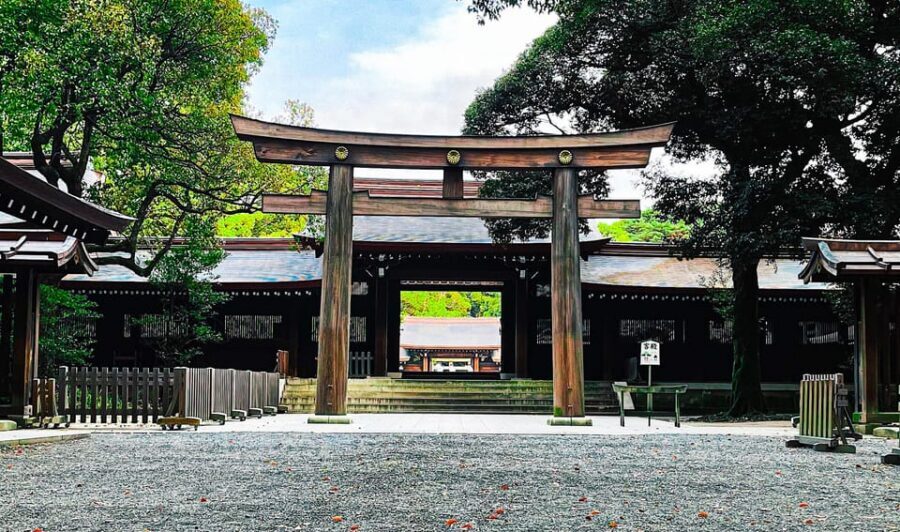
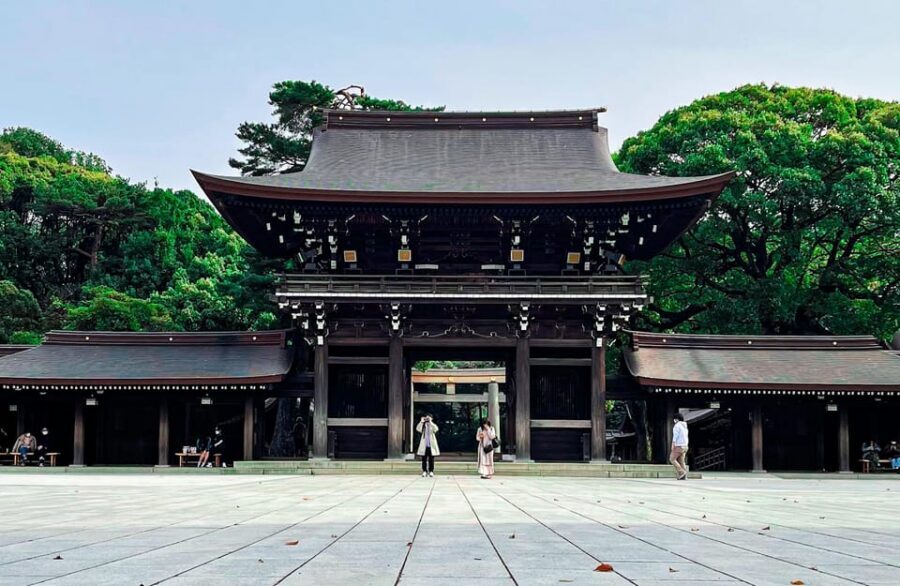
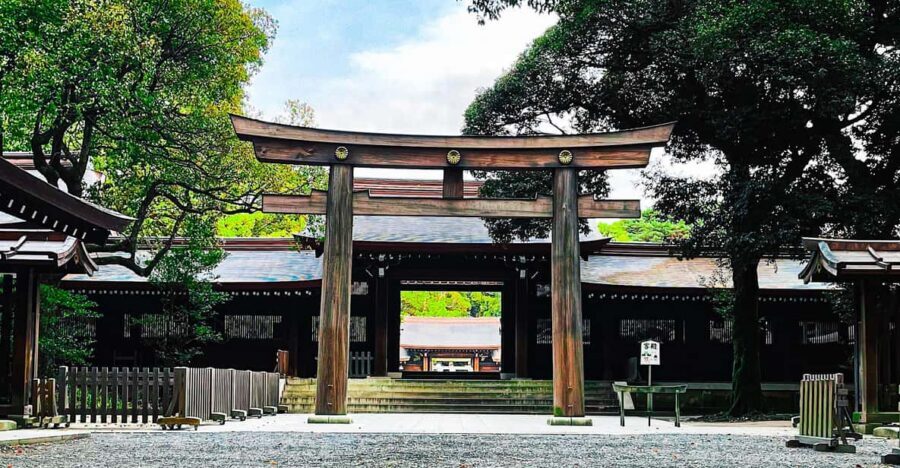
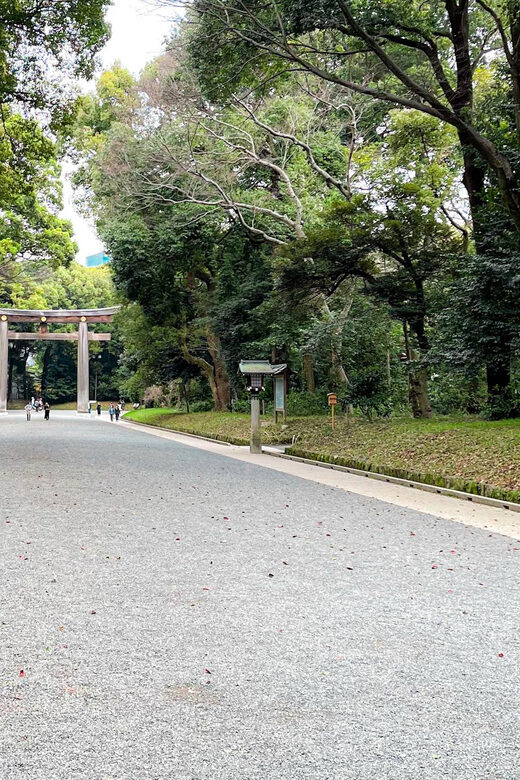
You’ll meet at the entrance area of Yoyogi Park, in front of the large wooden torii gate/arch. The guide waits with a name tag showing NIPONEANDO at the West Exit of Harajuku Station. Arrive about 5 minutes early so you’re not chasing the group.
The tour runs about 8 hours and uses public transport for the transfers (and yes, you should expect train changes along the way). There are also several “walking + train” transitions, so you get movement without feeling trapped in one neighborhood all day.
Important practical note: you can’t bring luggage or large bags. Also, it’s not listed as suitable for hearing-impaired people. On the plus side, it is wheelchair accessible.
The pace: built for “see a lot,” not “slow travel”
Based on the structure, you’ll have guided time at each major stop plus one lunch/break window. That’s great if you like an organized day. If you prefer to roam and linger, plan to treat this as your “first pass” through Tokyo, then go back later under your own steam.
Meiji Shrine at Yoyogi Park: calm start, real context
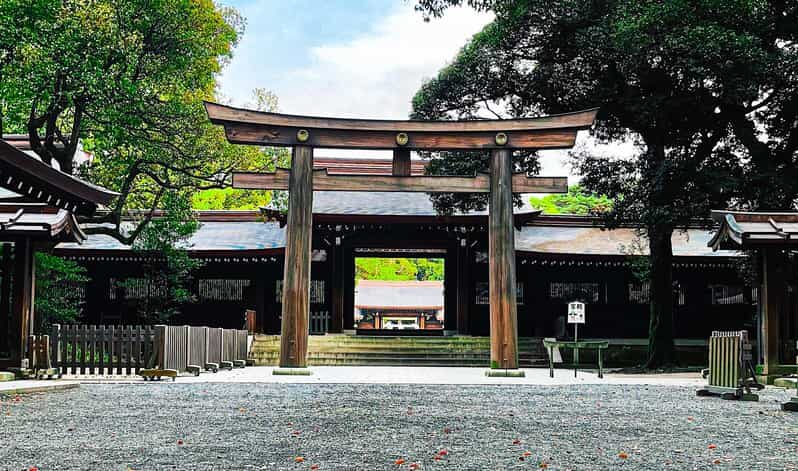
You begin at Yoyogi Park, then head to Meiji Shrine for a guided visit of about 1.5 hours. This is the right opening move. Before you hit streets filled with fashion and electronics, you get a chance to reset in a place tied to Japan’s modernization story.
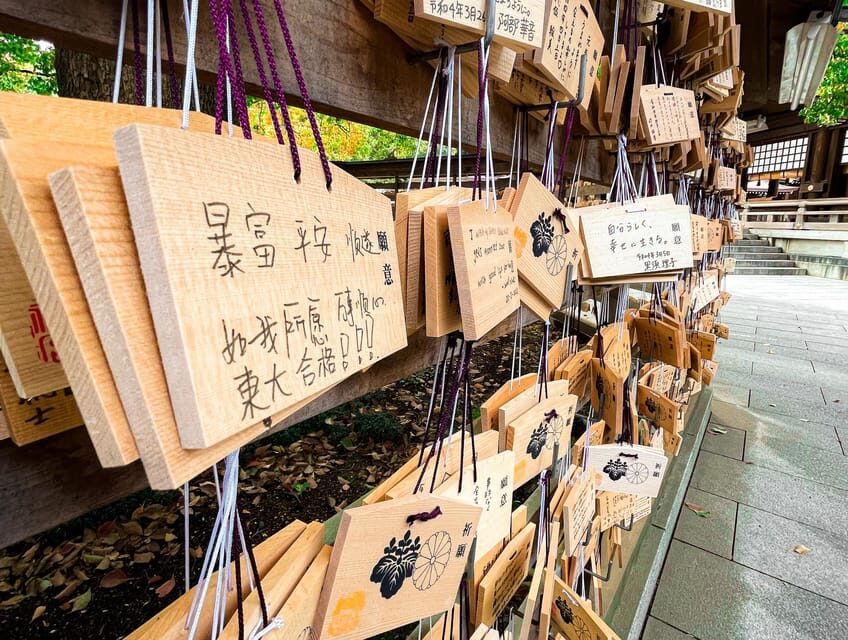
Meiji Shrine is dedicated to the emperor who helped end Japan’s feudal era. You’ll understand why the site is respected, why people come to pray, and how the space works as a cultural checkpoint. Even if you’ve seen shrine photos before, a guided explanation can turn “pretty gates and trees” into something you actually understand.
What to pay attention to
- Watch how the path and entrances guide foot traffic. This affects how you experience the shrine grounds.
- Take a moment before the tour “moves on” mentally—this stop is designed to set the tone for the day.






Potential drawback
The tour starts right away, so if you’re late to meet-up, you’ll feel it immediately. Show up on time.
Takeshita Street in Harajuku: trend-spotting with a time capsule feel
Next up: Takeshita Street in Harajuku, with a guided visit of around 40 minutes. This street is known as a birthplace of trends. But what you’ll get from the guide is the “why” behind the reputation, not just the fact that it’s full of youth fashion.
In a single block, Takeshita can feel like Tokyo’s fast-fashion and snack culture mashed together. You’ll see the kinds of looks and products that made Harajuku a go-to name for decades. The guide’s job here is to help you read the street like a clue trail.
How to make the most of the stop
- Keep your eyes moving. This street is more about impressions than “one must-see thing.”
- If you want specific shops or photo angles, use the guide’s tips to save time rather than wandering randomly.
Consideration
Forty minutes goes quickly in a place like this. If you like slow shopping, treat this as a taste—and plan a longer self-guided return later.
Akihabara: the geek-and-pop-culture district (and why the lunch break helps)
Then you roll into Akihabara, typically with about 80 minutes of guided time, plus a 70-minute break for lunch later in the same area. Akihabara is one of those districts where your eyes keep finding new details—electronics, collectibles, pop culture references, and storefront energy.
The tour calls it a tech-savvy, geek pop culture district, and that’s accurate. The value here is that the guide helps you connect what you’re seeing to the culture of the area. It’s not only shopping; it’s also a window into how modern fandom and technology blend in Tokyo.
Why the lunch break is a smart design choice
Many city tours cram “sights only” and leave you hungry with no plan. Here, you get a built-in break window in Akihabara. That means you can:
- eat without rushing through menus while trying to keep up with the group,
- recharge before the tour moves on to Ginza and the waterfront,
- and use the time to buy a small item if you want one.
What to watch
Akihabara is popular. If you like quiet streets, you might find it crowded. Still, the guided time helps you focus so you’re not just standing in line everywhere.
Ginza to Tokyo Bay: polished downtown views without the stress
After Akihabara, you head to Ginza, the luxury district, with about 40 minutes guided. Ginza is the “show” part of Tokyo—wide streets, polished storefronts, and a sense of money and modern retail. The fun is how quickly Tokyo flips from the playful, fandom-heavy energy of Akihabara to the sleek, downtown style of Ginza.
Then you continue toward Tokyo Bay, with the tour framing this as the next big contrast. This shift matters because it changes what your photos look like and what the city feels like. One minute you’re inside a shopping rhythm; the next you’re heading toward open views.
Practical tip
If you want good photos, keep moving. This kind of area gives you views, but people stop suddenly for pictures. The guided pacing is helpful because it reduces wandering and helps you catch the right moments.
Odaiba: modern waterfront energy before the Shibuya finale
Next is Odaiba, with about 1 hour of guided time. Odaiba is a strong “modern Tokyo” contrast—set up for wide views and citywide modern scenes. It’s also a good transition between neighborhoods because it feels different from both Ginza and Shibuya.
From a tour perspective, Odaiba gives you a change of pace. You’re not stuck in a shop-and-street loop. You’re in an area where the scale of Tokyo becomes easier to understand.
What you’ll likely get out of this stop
- A “modern” viewpoint to balance out the shrine and trend neighborhoods.
- More space to walk and regroup before you hit the finale.
Shibuya Scramble Crossing and Hachiko: end where Tokyo becomes a movie
You finish in Shibuya, with a guided visit of about 20 minutes, ending at Shibuya Scramble Crossing. You’ll also see the Hachiko dog statue, one of the most recognizable meeting points in Tokyo.
This finish location is smart. Shibuya is the neighborhood that many first-timers associate with Tokyo’s energy. Ending here means you get your big finale without having to do a long “return to hotel” journey while you’re still tired.
How to enjoy your last minutes
Use the final stop to do two things:
- Get your photos at the crossing if that’s your priority.
- Then, once the tour ends, use the area as a jump-off point for your own dinner plan.
Shibuya has everything nearby, so you’ll have options.
Skip-the-line entry and eco-friendly approach: where you save time (and effort)
The tour includes skip the line through a separate entrance. That’s a real time saver, especially on a day when you’re moving across multiple neighborhoods. When you’re on public transport, delays compound. Anything that reduces waiting helps the whole schedule feel smoother.
The experience also positions itself as eco-friendly. You won’t necessarily see an “eco” sign on the ground at every stop, but the eco angle usually lines up with how the tour handles routing and logistics. In practice, it suggests the tour isn’t only focused on maximum sightseeing—it’s also thinking about the footprint.
Price and value: what $96 buys (and what it doesn’t)
At $96 per person for an ~8-hour day, the price is in the “organized Tokyo day” category. What you’re paying for is the Spanish live guide, the structured route across key districts, and the benefit of skip-the-line handling. Add in that you’re also getting tips and recommendations to extend the trip after the tour ends, and the value becomes clearer.
Here’s what’s not included:
- Transportation (listed as ¥1,160)
- Food and drink
That means you should budget extra for trains and meals. Still, this structure can work out well if you want to avoid planning every transfer yourself. Tokyo’s train network is great, but learning it takes time. This tour buys you time back.
If you’re traveling with a partner or small group and you’re choosing private options, you may also want to compare hotel pickup add-ons versus meeting points. Pickup is optional and is included if you add a supplement or select the Private Tour option.
The kind of traveler this tour suits best
This tour fits best if you:
- want a Spanish guided overview of Tokyo’s major districts in one day,
- like a friendly guide who explains rather than just walks,
- enjoy contrast: shrine tradition, trend streets, pop-tech culture, luxury downtown, modern waterfront, then Shibuya’s iconic finish.
It’s less ideal if you:
- hate packed itineraries or long days,
- need extra quiet time,
- or want to travel slowly without switching neighborhoods multiple times.
One more note that comes straight from real feedback: the itinerary can feel a bit ambitious if you’re the type who wants to linger. That doesn’t make it “bad.” It just means you should set expectations correctly.
Guide factor: why Ismael’s style matters
A standout detail in the feedback is the guide Ismael—described as very nice, enthusiastic, and a good facilitator. That’s exactly the kind of guide you want on a day like this. Tokyo isn’t only about where you go; it’s also about how you understand what those places mean in real life.
A high-energy, helpful guide can keep the tour from turning into a checklist. It can also help you get practical info—how to move through areas, what to focus on, and where to spend your attention.
Should you book Tokyo City Tour B?
I’d book it if you want a guided, Spanish-language “Tokyo sampler” that hits the big names without making you plan every step. The combination of Meiji Shrine + Harajuku + Akihabara + Ginza + Tokyo Bay/Odaiba + Shibuya is efficient, and the lunch/break structure helps keep it from feeling like a pure sprint.
Skip it if you’re the slow-travel type. If you prefer long stays, fewer stops, and lots of wandering without a schedule, you’ll likely want a smaller, more flexible plan instead.
FAQ
What language is the Tokyo City Tour B guide?
The tour guide provides a live tour in Spanish.
How long is the tour?
The duration is 8 hours.
Where is the meeting point?
You meet in front of the large wooden torii gate/arch at the entrance to Yoyogi Park (West Exit of Harajuku Station). The guide will be waiting with a name tag indicating NIPONEANDO.
Is hotel pickup included?
Hotel pickup is optional. It’s included if you add a supplement or select the Private Tour option.
Does the tour include transportation and train tickets?
No. Transportation is not included, and the listed amount is ¥1,160.
Is food included in the price?
No. Food and drink are not included. There is a lunch/break time during the tour, though.
Is there a skip-the-line option?
Yes. The tour includes skip the line via a separate entrance.
Can I bring luggage or large bags?
No. Luggage or large bags are not allowed.
Is the tour wheelchair accessible?
Yes. The tour is listed as wheelchair accessible.
Can I cancel my booking for a full refund?
Yes. Free cancellation is available up to 24 hours in advance for a full refund.