REVIEW · TOKYO
Tokyo Morning Small Group Tour
Book on Viator →Operated by Tourist Japan · Bookable on Viator
Morning Tokyo beats the crowd rush. This 9:00 am walk pulls you from Tokyo Station into the quiet Imperial Palace Outer Gardens, then keeps moving through five major sights in one smooth morning. I like that each of the big stops lists free admission tickets, so the value is clear up front.
I also like the small-group feel, capped at 15, with time to ask questions as you go from Nijubashi Bridge toward Asakusa and Senso-ji. Some guides (like Seiji and Aki) are described as friendly and strong on storytelling, which matters when you only have a half-day.
The catch: it’s a steady walking tour, and the moderate-fitness note is real. With about 30 minutes per stop, the pace is purposeful; if you want slow, lecture-style explanations, plan to ask questions early and wear good shoes.
In This Review
- Key highlights at a glance
- Tokyo Morning: a tight half-day plan that actually works
- Meeting at Tokyo Station (Marunouchi North Exit) and getting your bearings fast
- Imperial Palace Outer Gardens: calm, open space, and a quick culture reset
- Nijubashi Bridge: a classic view without the guessing
- Asakusa in the morning: street life, not just landmarks
- Senso-ji Temple: quick orientation in a place everyone wants to see
- Nakamise-dori (Kaminarimon): souvenirs with the right timing
- Price and value: what $59 really covers in Tokyo
- The walking reality: moderate fitness, comfy shoes, and good pacing
- Small-group size: why max 15 matters more than it sounds
- Who should book this Tokyo Morning tour—and who might skip it
- Should you book Tourist Japan’s Tokyo Morning Small Group Tour?
- FAQ
- Where is the meeting point?
- What time does the tour start?
- How long is the Tokyo Morning Small Group Tour?
- How much does it cost?
- Where does the tour end?
- What’s included in the tour?
- Are meals included?
- Is admission free for the stops?
- How big is the group?
- What happens if the weather is poor?
- Do I get a mobile ticket?
Key highlights at a glance
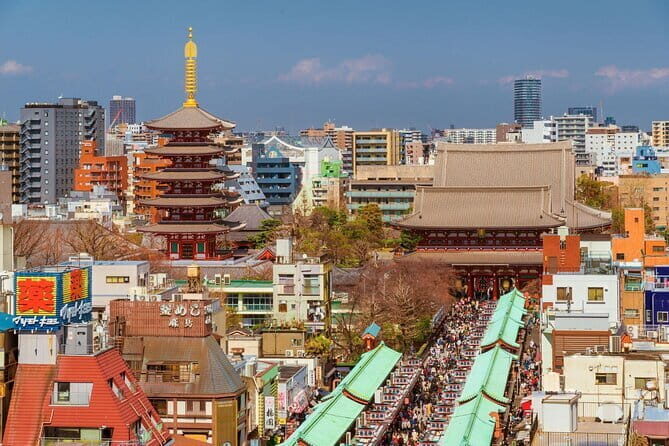
- Starts at Tokyo Station and finishes near Senso-ji, so you don’t fight cross-town logistics
- Imperial Palace Outer Gardens early on for a calmer feel than later in the day
- Nijubashi Bridge photo time with an easy, guided look at what you’re actually seeing
- Asakusa morning streets plus Senso-ji temple time to understand the place fast
- Nakamise-dori shopping built in, so souvenirs come while you’re already in the right area
- Small group max 15 for better guidance and less crowd pressure
Tokyo Morning: a tight half-day plan that actually works
Tokyo can be overwhelming at first light. This tour helps by turning the morning into a simple route: you start at Tokyo Station, you move west-ish toward the Imperial area, then east into Asakusa, and you end at Senso-ji. In about three hours, you cover the headline sights without spending half your trip figuring out trains and exits.
The timing is also smart. A 9:00 am start gives you a better chance at calmer streets, especially around the temples and major gateways. You’ll still see lots of people—this is Tokyo—but you’re not stepping into the heaviest midday crush.
Price-wise, $59 doesn’t buy you fancy extras. It buys you something more useful in Japan: a guide who can point out what matters and help you connect the dots while you’re walking. And because the major stops list free admission tickets, you’re not hit with a surprise pile of entry fees mid-morning. That alone makes the math feel fair.
A few more Tokyo tours and experiences worth a look

Meeting at Tokyo Station (Marunouchi North Exit) and getting your bearings fast
Your tour begins at Tokyo Station, Marunouchi-Kitaguchi (Marunouchi North Exit). That’s a great choice because it’s a major hub with clear signage, so you can arrive using whatever line fits your day. Also, starting at Tokyo Station tends to reduce the awkward part of Tokyo sightseeing: showing up, wondering where your group is, and losing time before you even begin.
This tour uses a mobile ticket, which is convenient if you prefer keeping everything on your phone. Since the meeting point is near public transportation, it’s usually easier to reposition if you miss the first 10 minutes—though you should still aim to arrive early.
One practical tip: Japan mornings can be chilly or damp depending on season. Dress in layers. You’ll walk a lot, and outdoor time adds up quickly.
Imperial Palace Outer Gardens: calm, open space, and a quick culture reset
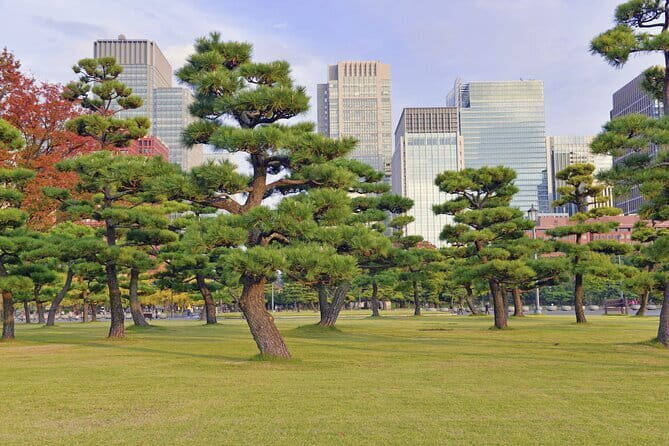
The first stop is the Imperial Palace Outer Gardens, with free entry. Even if you’re not into formal gardens, I like this part because it’s a reset. You come in from busy city energy, then you step into a more open, quieter space. The effect is immediate: your brain stops sprinting.
You’ll have about 30 minutes here. That’s not long enough to treat it like a whole-day garden visit, but it’s perfect for orientation. The guide’s job is to help you see the place beyond just trees and paths—how the grounds fit into the area, what views people aim for, and what you should notice as you walk.
What to watch for: this is an outdoor stop. If the weather is bad, you’ll feel it. If it’s dry and clear, it’s a great spot for relaxed photos and a slower pace before the more crowded areas later.
Nijubashi Bridge: a classic view without the guessing

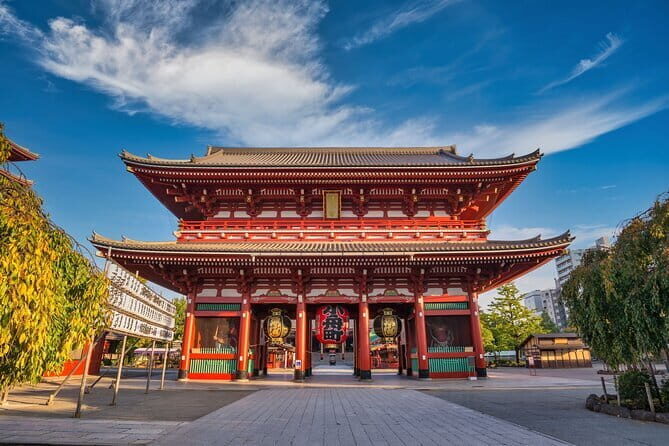
Next up is Nijubashi Bridge. This is one of those Tokyo icons that looks straightforward on a postcard—then you get there and realize the details are what make it satisfying. From the guide, you should get clarity on what you’re looking at and why this bridge matters in the broader scene.
You’ll have another 30-minute window, which is enough to do two things well: (1) look around and find a view angle that suits your photos, and (2) understand the context so it doesn’t feel like you just showed up for a quick snap.
Timing helps here too. Early in the morning tends to mean fewer people jostling for the same viewpoint. Still, expect some crowding when you get close—Nijubashi is famous for a reason. The tour keeps it manageable because you’re not wandering alone, trying to figure out where the best sightline is.
Asakusa in the morning: street life, not just landmarks

Then the tour shifts into Asakusa, another area where it’s easy to get lost in the details if you’re on your own. Here you get a guided 30-minute block to explore the neighborhood without wasting time trying to decide what’s important.
Asakusa works best in the morning because you get a mix: people are out and about, shops are opening, and the streets feel active but not maxed out. The guide’s pacing matters here. The best moments in Asakusa aren’t always the biggest buildings. It’s the small street scenes—signs, corners, the flow of people moving toward Senso-ji.
From what’s been shared about this tour with guides like Seiji and Aki, the common theme is that they focus on how people actually move and experience these places. That turns a short visit into something more like a stroll with local context, not a checklist.
Watch-outs: because you only get about half an hour, you’ll need to balance browsing with staying close to the group. If you drift for long periods, you’ll lose the rhythm—and the guide will be trying to keep everyone on schedule.






Senso-ji Temple: quick orientation in a place everyone wants to see
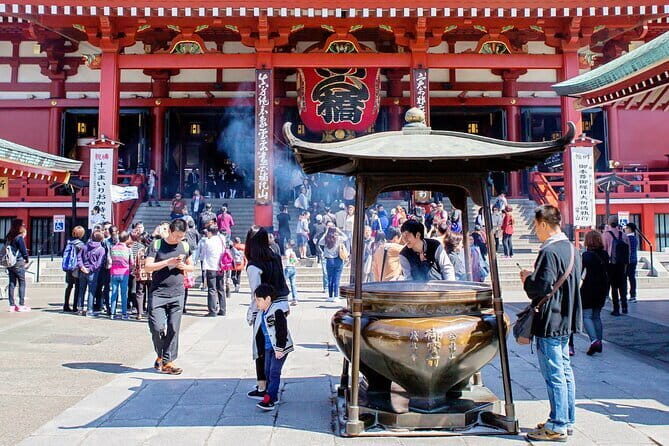
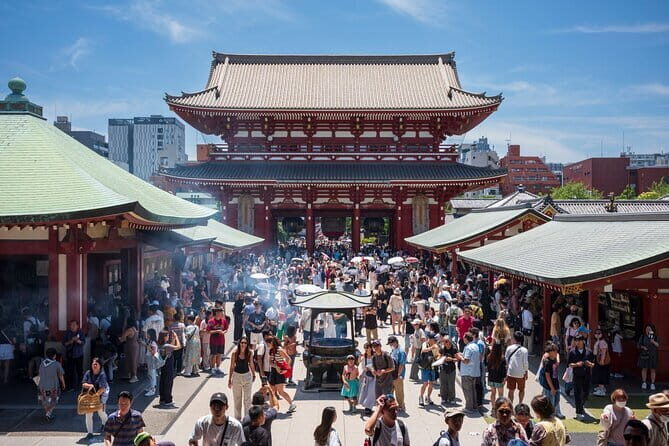
You’ll then head to Senso-ji Temple, again with about 30 minutes. This is the core stop for many first-time visitors, and it’s also where a guide can make the biggest difference. Without guidance, it’s easy to experience Senso-ji as a sea of people and landmarks. With guidance, it feels more like you’re understanding what the space is for and why it’s arranged the way it is.
In a short tour window, your main goal is to:
- get oriented in the main temple area
- notice the big visual features and how visitors move through the space
- learn a few key points so it feels meaningful, not random
This is also a stop where the crowd can spike. If you’re the type who gets stressed by people, go with the flow and use the guide’s timing cues. Your time should be enough to see what you came for without turning it into a frantic sprint.
Also, since meals are not included, you might want to plan a snack or breakfast strategy before the tour starts. You’ll be close to food options afterward, and you’ll likely want to grab something in the Asakusa area once you finish.
Nakamise-dori (Kaminarimon): souvenirs with the right timing
The last major stop is Nakamise Shopping Street, specifically near Kaminarimon. This is where the tour turns practical: you’re finishing your sightseeing and moving into browsing mode while you’re already in the right place.
You’ll have about 30 minutes here, which is just enough time to:
- sample a few treats if you want them (meals aren’t included, but snacks are a common idea)
- buy small, easy souvenirs without turning it into a shopping marathon
- enjoy the atmosphere around the big gateway area
Nakamise is a shopping street that can eat time if you let it. The guided time limit is actually a benefit. It helps you keep your spending and decision-making under control. You can do what matters—pick a few items you genuinely want—then get out without buyer’s remorse.
If you care about shopping bargains, go in with a rough budget before you start looking. Tokyo offers plenty, and Nakamise is geared for quick impulse buys.
Price and value: what $59 really covers in Tokyo
$59 for about three hours, a small group (max 15), and a guide is not a bad deal in Tokyo. Here’s why it adds up:
- You’re paying for direction, not just walking. Tokyo signage, exits, and local context can be tricky if you’re moving fast.
- Free-entry stops reduce your total out-of-pocket. The tour lists free admission tickets for the major sights.
- You save planning time. On your own, you might spend time deciding which exits to use, how to connect the route, and how long each area deserves.
- You end where you want to be next. Finishing near Senso-ji means you’re set up to continue your day in Asakusa without retracing steps.
Is it perfect value? It’s value-shaped. If you want deep, slow explanations and you love sitting and absorbing facts, three hours can feel short. If you want a smart morning route that hits the highlights with context, this price feels reasonable.
The walking reality: moderate fitness, comfy shoes, and good pacing
This tour asks for moderate physical fitness level. That doesn’t mean it’s strenuous hiking. It does mean you should assume steady walking and standing time.
Here’s how I’d prepare:
- wear comfortable shoes you can stand in for 90+ minutes total
- bring a small water bottle (drinks aren’t included)
- consider layers for Japan’s morning weather swings
Pace is part of the design. Each stop is about 30 minutes. That means you get to see a lot, but you won’t have hours to sink into one location. The trade-off is that you leave with a coherent picture of the area instead of just a handful of disconnected photos.
One note for expectations: there can be differences between guides, and the quality of the morning can hinge on how clearly the guide communicates. If you really care about storytelling and you like long explanations, come with curiosity and ask questions early. A good guide responds fast.
Small-group size: why max 15 matters more than it sounds
Max 15 travelers changes the experience more than you’d think. With smaller numbers, it’s easier for the guide to:
- keep everyone together without constant shuffling
- answer questions without repeating themselves to a huge crowd
- adjust pace if someone is slower or stops to take a photo
This is especially helpful on a route that mixes major landmarks with neighborhood streets. Asakusa and Senso-ji can get crowded. In a larger group, it’s easier to feel like you’re lost in the crowd. In a smaller one, you’re more likely to feel guided rather than pushed.
It also makes your morning feel friendlier. You’re not competing with other people for the guide’s attention.
Who should book this Tokyo Morning tour—and who might skip it
This tour is a strong fit if you:
- want a half-day plan that hits multiple Tokyo icons
- like guided walking because it helps you understand what you’re seeing
- prefer free-entry sights and clean route logic
- are okay with a steady pace and a few short stops
It might be less ideal if you:
- need lots of downtime or want long, slow visits
- get frustrated by crowds even at morning hours
- prefer museum-style learning over walking explanations
If you’re traveling solo, it can still work because it’s small-group guided. You’re not relying on other people to make your day. If you’re traveling with family, it may depend on how comfortable everyone is with walking and standing.
Should you book Tourist Japan’s Tokyo Morning Small Group Tour?
If your goal is a smart, efficient Tokyo morning that strings together Tokyo Station area sights with Imperial grounds and then lands you in Asakusa at Senso-ji, I think it’s worth your time. The biggest reason: you get a guided route with free-entry highlights, and you finish in a perfect neighborhood for continuing the day.
Book it if you like walking, photos, and understanding the main sights without spending hours on planning. Skip it if you want slow pacing and deep discussion at each stop.
FAQ
Where is the meeting point?
The tour starts at Tokyo Sta. Marunouchi-Kitaguchi (Marunouchi North Exit), 1 Chome-9 Marunouchi, Chiyoda City, Tokyo 100-0005, Japan.
What time does the tour start?
The tour start time is 9:00 am.
How long is the Tokyo Morning Small Group Tour?
It runs for about 3 hours.
How much does it cost?
The price is $59.00 per person.
Where does the tour end?
The tour ends at Sensō-ji, 2-chōme-3-1 Asakusa, Taito City, Tokyo 111-0032, Japan.
What’s included in the tour?
A hand-picked expert tour guide is included.
Are meals included?
No. Meals & drinks are not included.
Is admission free for the stops?
The tour lists free admission tickets for the Imperial Palace Outer Gardens, Nijubashi Bridge, Asakusa exploration, Senso-ji Temple, and Nakamise Shopping Street (Kaminarimon).
How big is the group?
The maximum group size is 15 travelers.
What happens if the weather is poor?
The experience requires good weather. If it’s canceled due to poor weather, you’ll be offered a different date or a full refund.
Do I get a mobile ticket?
Yes. The tour includes a mobile ticket.