REVIEW · TOKYO
Mt Fuji and Hakone Private Day Tour
Book on Viator →Operated by Milkyway Tours · Bookable on Viator
Skip the trains and just go. This private Mt Fuji and Hakone day tour works because it bundles major sights into one smooth 10-hour window, with hotel pickup and drop-off. I like the convenience of a private driver who handles timing and transfers, and I like how both routes mix classic viewpoints with cultural stops. One drawback to plan for: entrance fees and optional rides add up fast, and Fuji views can still depend on weather.
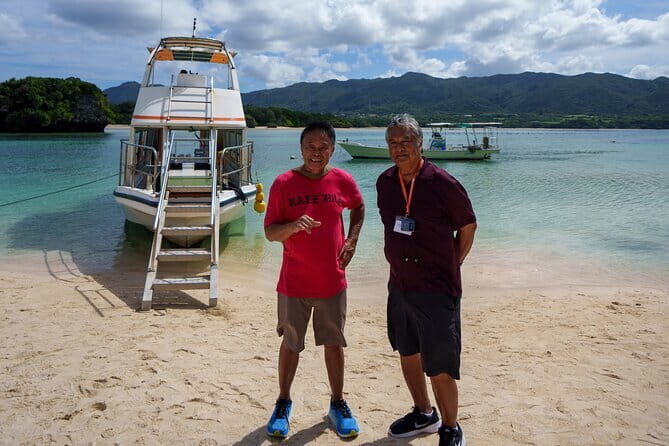
You’ll choose either the Mt Fuji itinerary or the Hakone itinerary, then follow a tight sequence of 1-hour stops designed to keep you moving without feeling rushed. I also like that the driver speaks English, and guides such as Ali and Rafay are known for being friendly and flexible with your priorities. The trade-off is simple: this is a full day out of Tokyo, so it’s best if you want structure and big sights over free wandering.
In This Review
- Key things to know before you go
- A smart choice: Mt Fuji route or Hakone route in one day
- Hotel pickup and the payoff of a private driver
- Mt Fuji itinerary: Chureito Pagoda, Kawaguchiko, and the ice cave
- Chureito Pagoda (free, 1 hour)
- Iyashi no sato (not included, ¥500, 1 hour)
- Lake Kawaguchiko (free, 1 hour)
- Oishi Park (free, 1 hour)
- Narusawa Ice Cave (not included, ¥1,100, 1 hour)
- What can go wrong on the Mt Fuji route
- Hakone itinerary: sky walk views, Hakone Shrine, and Lake Ashi
- Mishima Sky Walk (not included, ¥1,000, 1 hour)
- Hakone Shrine (free, 1 hour)
- Hakone Ropeway (not included, one-way ¥2,000, 1 hour)
- Lake Ashi (free, 1 hour)
- Hakone Open-Air Museum (not included, ¥2,000, 1 hour)
- Entrance fees and food: the budget you should expect
- Weather reality: planning for clouds, snow, and slippery roads
- Who should book this private day trip (and who shouldn’t)
- Should you book? My honest take
- FAQ
- What’s included in the price?
- How long is the tour?
- Can I choose between Mt Fuji and Hakone?
- Are entrance fees included?
- Is there a pickup from my Tokyo hotel?
- What if I need to cancel?
Key things to know before you go
- Two set itineraries: pick Mt Fuji or Hakone and hit major landmarks in one day
- Hotel-to-hotel time counts toward the 10-hour limit, so you’re not waiting around
- Driver flexibility: in snowy or foul-weather moments, your guide can reroute to keep the day useful
- Major sights are timeboxed at about 1 hour each, which helps you see more than you would solo
- Entrance fees are not included for several big-ticket stops like ropeway, museum, and ice cave
- Private group feel: you won’t be squeezed into a crowd or stuck with strangers’ pace
A smart choice: Mt Fuji route or Hakone route in one day
The tour is built around one key decision: you select either the Mt Fuji Area itinerary or the Hakone Area itinerary. That matters because you’re not trying to cram both regions together, which is what usually leads to long bus rides and missed viewpoints.
If your priority is the big Fuji framing shots, the Mt Fuji route is the play. You’ll start at Chureito Pagoda and then work your way through Lake Kawaguchiko and Oishi Park—two stops that exist for one reason: to give you multiple chances at that famous mountain-and-lake perspective. You also get a volcanic twist with Narusawa Ice Cave and a cultural pause at Iyashi no sato.
If your priority is dramatic, volcanic scenery and a more variety-heavy day, go Hakone. The route starts near Mishima with Mishima Sky Walk, then flows to Hakone Shrine, then up and across the steaming valleys via the Hakone Ropeway. It finishes with Lake Ashi and the Hakone Open-Air Museum, which adds art and museum calm to a day that otherwise runs on views and transport.
Either way, you’ll be on a private schedule for up to 10 hours (hotel pickup through hotel drop-off). That time window is tight enough to feel like a day trip should feel, not a half-day slog.
You can also read our reviews of more private tours in Tokyo

Hotel pickup and the payoff of a private driver
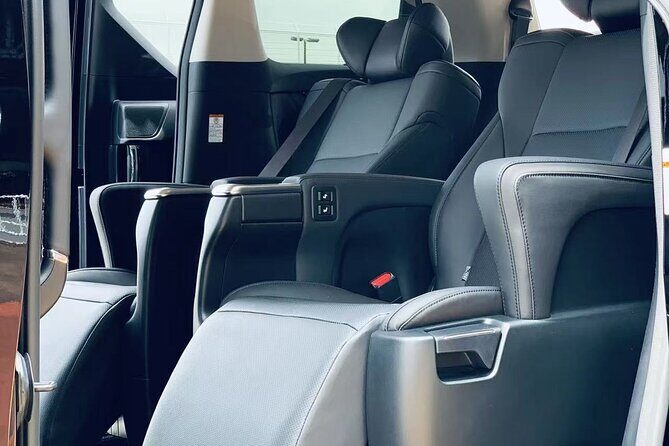
In Tokyo, the hardest part of a long day trip isn’t seeing the sights. It’s getting there, staying on schedule, and not burning hours on transfers. This tour tackles that head-on with hotel pickup and drop-off and private transportation.
What that means for you: you spend your energy on Fuji or Hakone, not on train platform math. You also avoid the common solo-traveler trap of arriving too late for the best light, or switching plans mid-day because trains don’t match your timing.
The driver is English-speaking, and the experience is designed to stay within the 10-hour window. If you run over, there’s an overtime charge of 5,000 yen per extra hour, after the 10 hours hotel to hotel time. That’s a normal rule for private driving days, and it’s a good reason to treat the itinerary order as your default plan.
One more practical note: the tour uses a mobile ticket, and you’ll get confirmation when you book. That’s helpful when you’re juggling multiple reservations in Japan.
Mt Fuji itinerary: Chureito Pagoda, Kawaguchiko, and the ice cave
If you pick the Mt Fuji option, expect a day built like a greatest-hits list—each stop is chosen because it gives you a different angle on the mountain and its surroundings.
Chureito Pagoda (free, 1 hour)
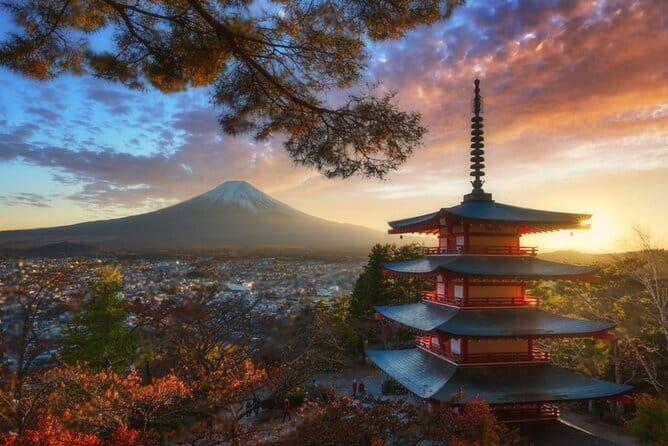
You begin at Chureito Pagoda, famous for that postcard view where Mt. Fuji lines up behind a five-storied pagoda. It’s short and sweet—about an hour—because the real value is the framing and the photo timing. Even when visibility is imperfect, it still delivers a very “Japan” moment.
Iyashi no sato (not included, ¥500, 1 hour)
Next is Iyashi no sato, a preserved village feel with thatched-roof houses. It’s more than a quick pit stop. This is where you slow down and get a sense of everyday culture in the area, rather than only chasing the mountain view.






Lake Kawaguchiko (free, 1 hour)
Then comes Lake Kawaguchiko, often chosen for its symmetry and reflective calm. You’ll have enough time to walk around a bit and find a few angles instead of just snapping and running.
Oishi Park (free, 1 hour)
Oishi Park follows, designed for seasonal color. The idea is simple: you get gardens plus a Fuji backdrop, which can make your photos look more layered than the usual plain viewpoint.
Narusawa Ice Cave (not included, ¥1,100, 1 hour)
Finally, there’s Narusawa Ice Cave—a volcanic cavern with preserved ice. It’s not a mountain-view stop. It’s a temperature-and-texture stop, which is exactly what makes the Mt Fuji day feel varied instead of repetitive.
What can go wrong on the Mt Fuji route
Your big risk is visibility. Even with perfect planning, clouds can blur or erase Fuji. In that case, you’ll still come away with a strong mix of pagoda views, village culture, lakeside walking, and that underground cave experience.
Hakone itinerary: sky walk views, Hakone Shrine, and Lake Ashi
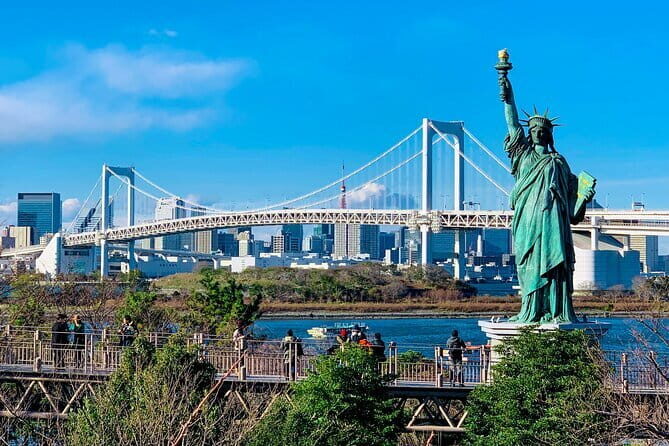
The Hakone option is a strong pick if you want volcanic drama plus a bit of calm and art.
Mishima Sky Walk (not included, ¥1,000, 1 hour)
The day starts with Mishima Sky Walk, known for a long suspension bridge feel. This stop leans into height and perspective. If you like views but want something more active than a traditional viewpoint, this works.
Hakone Shrine (free, 1 hour)
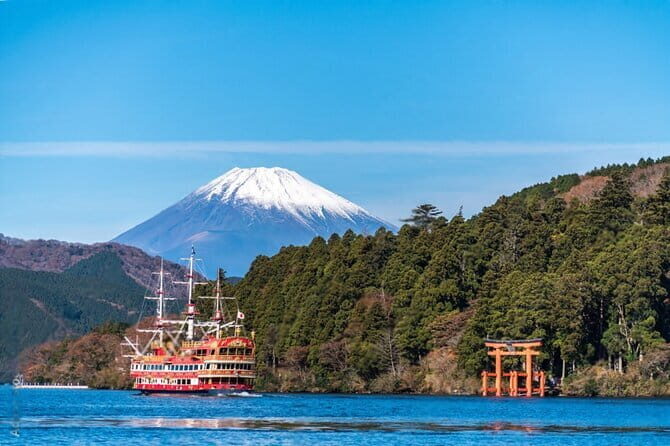
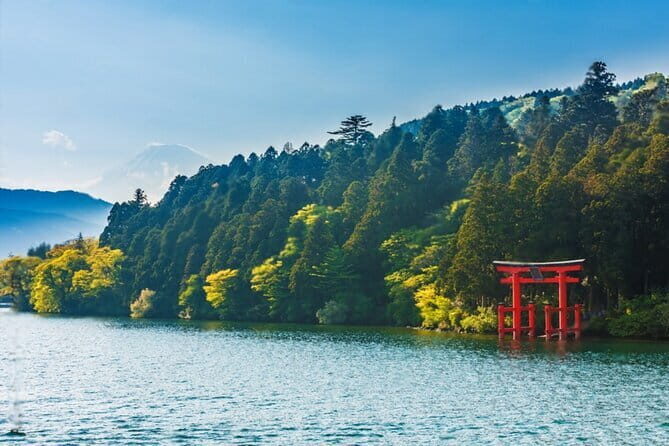
Next is Hakone Shrine, where the iconic torii gates rise from the water. It’s a visually satisfying stop that doesn’t demand you keep moving nonstop.
Hakone Ropeway (not included, one-way ¥2,000, 1 hour)
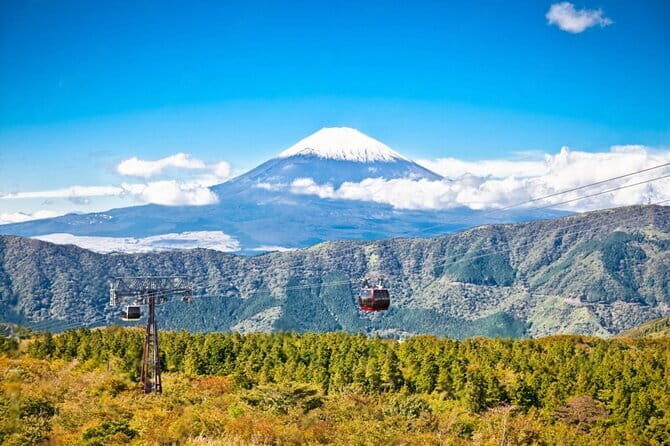
Then comes the Hakone Ropeway, a ride above volcanic valleys. It’s a major part of the experience because it gives you aerial viewpoints that you can’t easily replicate with ground transport.
One practical detail: the fee listed is for a one-way ride. So build that into your planning budget if you’re thinking in terms of total spending.
Lake Ashi (free, 1 hour)
After the ropeway, you head to Lake Ashi. You’ll sail aboard a vessel with panoramic views. In Japan, these boat rides often get described as pirate-ship style, and this one tends to be a highlight because you can relax while the scenery changes around you.
Hakone Open-Air Museum (not included, ¥2,000, 1 hour)
The day ends with the Hakone Open-Air Museum, built for art outdoors. This is a helpful counterbalance to the motion of ropeways, bridges, and boats. It also means the final stretch can feel quieter and more reflective, which is a nice way to avoid ending the day on pure sightseeing fatigue.
Entrance fees and food: the budget you should expect
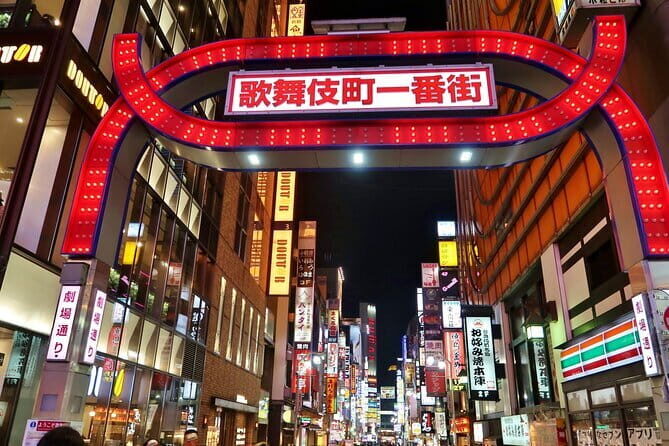
This tour price covers the private driver and transportation, plus an English-speaking guide/driving support. It does not cover food or the listed entrance fees for several stops.
Here’s how the costs typically shape up based on what you choose:
- Mt Fuji option:
- Iyashi no sato: ¥500
- Narusawa Ice Cave: ¥1,100
- Hakone option:
- Mishima Sky Walk: ¥1,000
- Hakone Ropeway one-way: ¥2,000
- Hakone Open-Air Museum: ¥2,000
That’s before any snacks, drinks, or meals. Food and drinks are not included, so you’ll want a plan: either eat near the sights you stop at, or bring small snacks if that works with your personal travel style.
Now, value. At $400.59 per group (up to 5), this can be a very good deal if you’re traveling as a small family or group. A private driver for two regions worth of driving time—plus a schedule that hits multiple landmarks—is exactly where a fixed-price day tour can feel cheaper than buying multiple tickets and then still paying for taxis when you’re behind schedule. The entrance fees are the trade, but at least you know them in advance.
Weather reality: planning for clouds, snow, and slippery roads

Japan’s weather can change fast, and Fuji days are especially sensitive to cloud cover. This is one of those tours where you get the benefit of a careful driver, not just a printed itinerary.
In winter-style conditions, roads can be slippery on mountain approaches. When that happens, the driver’s job becomes safety first—slow and steady—and the bigger plan becomes flexibility. If Fuji visibility drops or conditions are too rough, you may end up shifting your day toward indoor stops and back into Tokyo time instead of forcing a viewpoint that won’t deliver.
That’s the main reason I like the private setup. Public transport can keep going even when it’s a bad idea, but private driving lets the day respond to what’s actually happening outside your window.
Who should book this private day trip (and who shouldn’t)
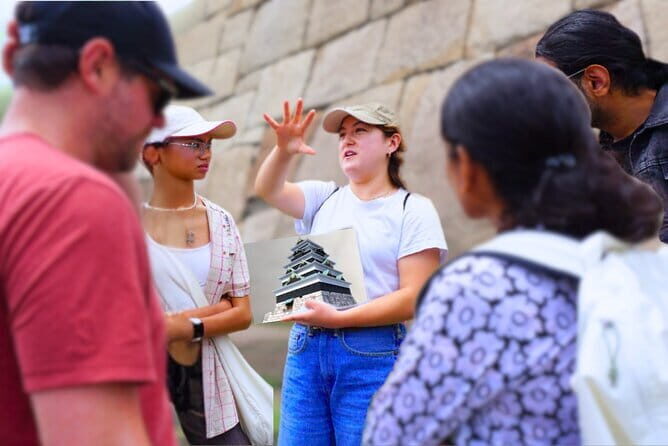
This is best for:
- Families and groups up to five who want a no-transfer day
- Travelers who have limited time in Tokyo and still want two of Japan’s big-name nature icons in a single trip
- People who prefer a structured route with clear stop order over building their own schedule
- Anyone who wants an English-speaking private driver to manage timing and logistics
It might not be ideal if:
- You want maximum freedom to wander off-route for long stretches
- You’re trying to keep costs super low. Entrance fees plus meals add up, especially on the Hakone side
- Your group hates the idea of committing to one itinerary (Mt Fuji or Hakone)
Also, the tour states that most travelers can participate. That’s a helpful sign if you’re not looking for a hardcore hike day, but you should still expect a full 10-hour outing.
Should you book? My honest take
I’d book this if you want a smooth day with hotel pickup, private transportation, and a tightly planned route. The biggest “yes” is simple: the tour saves you time and mental energy. You get multiple major stops without turning the day into a transit project.
I’d hesitate if your budget is very tight or you know you’ll skip paid attractions. The entrance fees for the ropeway, museum, ice cave, and sky walk aren’t included, so you’ll want to go in with eyes open.
If your travel dates are flexible and weather is a concern, private guiding still helps. Even when Fuji is shy, you’re not losing the whole day—you’re still getting a full, varied itinerary: pagoda, lakes, shrine, ropeway, art, and that dramatic boat ride on Lake Ashi.
FAQ
What’s included in the price?
The tour includes an English-speaking driver and private transportation. Food and drinks are not included, and several entrance fees listed per stop are also not included.
How long is the tour?
It runs for about 10 hours, and that total includes hotel to hotel time (pickup through drop-off).
Can I choose between Mt Fuji and Hakone?
Yes. You choose one itinerary: either the Mt Fuji Area day or the Hakone Area day.
Are entrance fees included?
No. Entrance fees are not included for some key stops, including Iyashi no sato, Narusawa Ice Cave, Mishima Sky Walk, the Hakone Ropeway (one-way), and the Hakone Open-Air Museum.
Is there a pickup from my Tokyo hotel?
The tour offers pickup and drop-off from your hotel in Tokyo.
What if I need to cancel?
You can cancel for a full refund if you cancel at least 24 hours before the experience’s start time. Cancellation within 24 hours is not refundable.