REVIEW · TOKYO
Tokyo: Pre Japan Planning Kit: Itineraries, Food & Survival
Book on GetYourGuide →Operated by Sunrise Adventure · Bookable on GetYourGuide
Tokyo is fun, but it can also be a planning mess. This kit turns that mess into a clear, self-guided game plan. I like the easy-to-follow itinerary PDFs and the food recommendations that are meant for real budgets. The main catch is simple: there is no live guide, so you’ll need to follow the plan on your own and make small adjustments as you go.
This is built by Nikolai & Kaho, a Norwegian and Japanese married couple who live in Tokyo and have worked as guides before starting Sunrise Adventure. You’ll get a Google Drive link with everything in downloadable form, so you can save it for offline use. If you’re the type who wants someone to answer questions in real time, you might find that limiting.
In This Review
- Key things I’d bet on before you buy
- A Self-Guided Tokyo Kit That Starts in Shinjuku
- What You Actually Get in the Planning Kit
- How the 1–4 Day Itineraries Work (and How to Use Them Well)
- A practical way to run each day
- Day-Style Breakdown: From Shinjuku Morning to Night Walking
- Starting in Shinjuku: get moving, then get oriented
- Breaks and photo stops: don’t skip them
- Meals, street food, and local snacks: plan with your stomach
- Shopping and sightseeing: mix them so you don’t burn out
- Night possibilities: the plan respects Tokyo’s 24-hour feel
- Restaurant Recommendations That Don’t Waste Your Time
- The Japanese Survival Card: Small, Smart, and Low-Stress
- Price and Value: What $20 per Group Buys You
- Who This Planning Kit Is Perfect For
- What to Expect After Booking (Delivery and Access)
- Should You Book This Tokyo Pre-Japan Planning Kit?
- FAQ
- Is there a meeting point?
- What do I receive after booking?
- When will I get the files?
- Is this for 1 day or multiple days?
- Where does the itinerary start?
- Is it self-guided?
- Do I get a live guide?
- Is the Japanese survival card printable?
- Can I access the materials offline?
- How much does it cost?
Key things I’d bet on before you buy
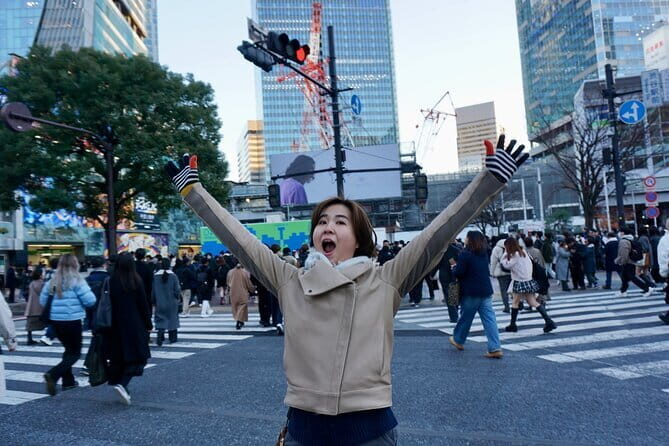
- PDF itineraries for 1–4 days that give you structure without locking you into a group schedule
- Shinjuku as the starting base, which makes Tokyo navigation feel more manageable
- Personal restaurant recommendations with an emphasis on affordable picks across different areas
- A printable Japanese survival card for everyday moments like asking, paying, and getting directions
- Digital delivery via Google Drive, so you can access the files anytime (and offline if you save them)
A Self-Guided Tokyo Kit That Starts in Shinjuku
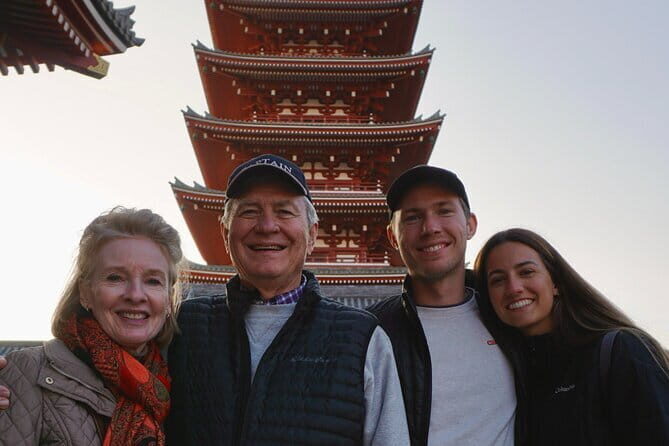
The kit is designed for you to start strong on day one, and it chooses Shinjuku as the anchor point. Shinjuku makes sense: it’s one of Tokyo’s biggest hubs, and starting there means you can reach a lot of the city without the day instantly turning into transit math.
You also don’t need to figure out a meeting spot. The only “location” you’re given is Shinjuku station as a reference point, with coordinates listed (35.6938253, 139.7033559). That’s a small detail, but it’s useful. It lets you plug the start into maps quickly, then go from there at your own pace.
You can also read our reviews of more food & drink experiences in Tokyo


What You Actually Get in the Planning Kit
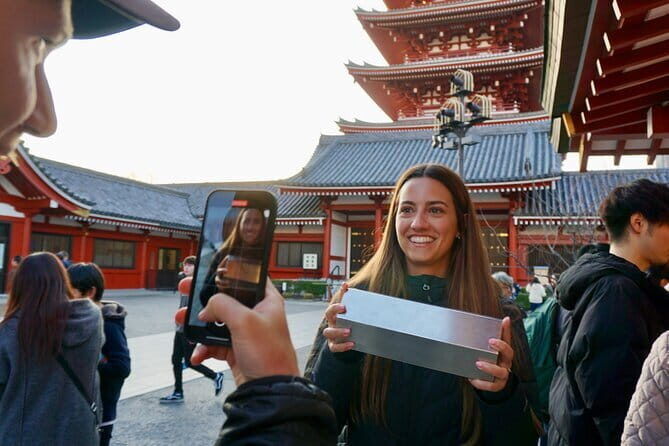
Think of this as three tools that work together.
First, you get 1–4 day Tokyo itinerary PDFs. These are structured “whole day routes” you can follow exactly, or tweak to match your energy level. The format is meant to help you stop guessing what to do next, especially if you’re the kind of person who hates decision fatigue.
Second, you get a Tokyo restaurant recommendation guide. The emphasis is on local places across Tokyo, with many options aimed at affordable travel. That matters because eating is where Tokyo planning often goes sideways: you can find a thousand places, but most lists don’t help you pick fast or stick to a budget.
Third, there’s the Japanese survival card. This is a little cheat sheet you can print as a small business card or keep on your phone. It’s built for everyday travel situations, with useful phrases and words you’ll want when things get practical—like when you need help, want to ask a question, or need basic communication to move smoothly.
How the 1–4 Day Itineraries Work (and How to Use Them Well)

The core promise is flexibility. These are self-guided routes, not a timed tour that waits for the slowest person in the group. You can follow the day route, then adjust based on weather, how long lines are, or how much you want to shop before dinner.
Here’s what the day structure looks like in the plan you’re given:
- Photo stops and sightseeing to build in “Tokyo moments” without you having to research constantly
- Break time, which sounds basic, but it’s actually what prevents the day from collapsing
- Meal blocks (breakfast, lunch, dinner) so you’re not stuck searching mid-cravings
- Street food, local snacks, and shopping, which helps you experience Tokyo through the stuff people actually do while walking around
- Free time so you can wander, take side streets, or recover if you overdid the walking
- Scenic views on the way and a “24 hours” mindset, which is Tokyo’s real superpower: your day doesn’t have to end at sunset
Your job is to use that structure as guardrails. If you decide to linger somewhere, you can. The kit is built so you’re not trapped in a strict itinerary timeline. The better you get at “choose, go, adjust,” the more Tokyo will feel like your trip and not a checklist.
A practical way to run each day
I’d treat the PDF route like this:
1) Do the morning plan until you’ve got your bearings.
2) Use lunch and snacks as a reset point.
3) Pick one shopping or street-food focus for the afternoon.
4) Keep dinner flexible, because Tokyo food can be better when you follow what smells good nearby.
That’s the value of planning this way: you still have direction, but you also keep spontaneity.
Day-Style Breakdown: From Shinjuku Morning to Night Walking
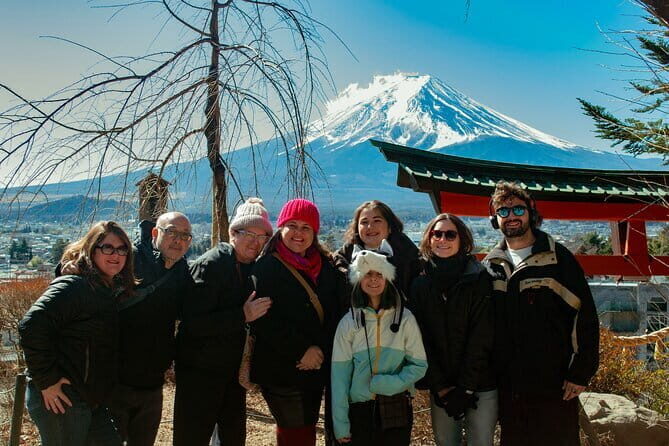
Even without listing every single attraction name, the plan gives you a clear “day recipe.” That’s actually great for first-timers. You know what kind of experiences you’ll have, and you can spread them across the city instead of trying to do everything in one frantic loop.
A few more Tokyo tours and experiences worth a look




Starting in Shinjuku: get moving, then get oriented
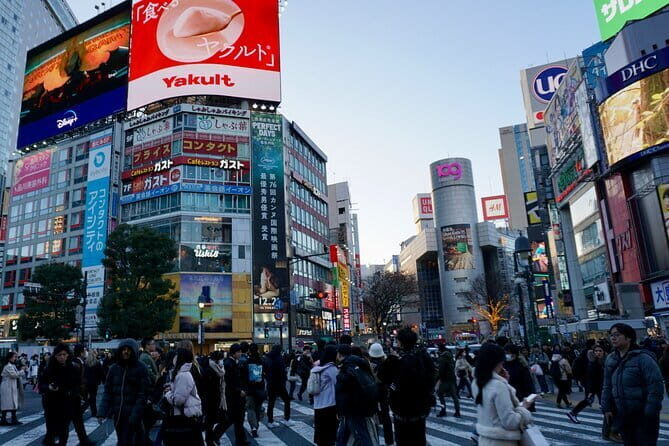
The day begins from Shinjuku City. If you’re landing and your energy is mixed, Shinjuku is ideal as a launchpad. You’ll already be near transit options, and the day’s walking parts can connect naturally.
A kit that starts here helps you avoid the classic first-day problem: picking one far neighborhood and then spending the whole day stuck in transit.
Breaks and photo stops: don’t skip them
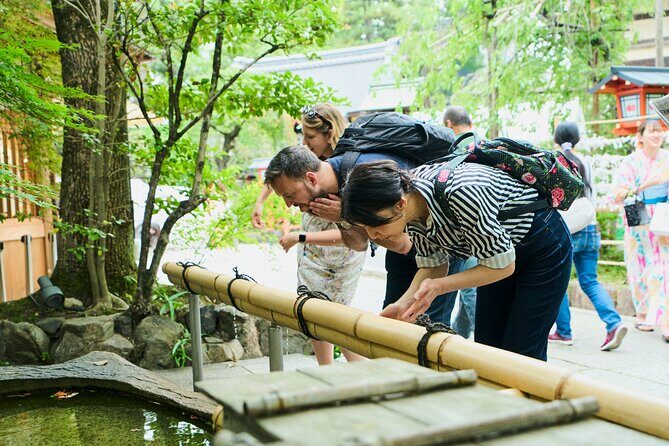
You’ll see built-in break time and photo stop moments. I like this because Tokyo can be visually intense. If your day plan doesn’t pause, you end up moving for hours without really seeing anything.
Use those moments to slow down, check maps, and decide if you want to cut ahead or circle back. This is where the “self-guided at your own pace” part becomes real.
Meals, street food, and local snacks: plan with your stomach
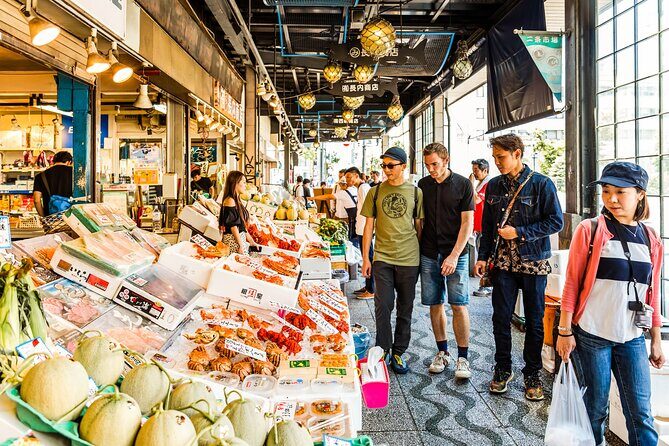
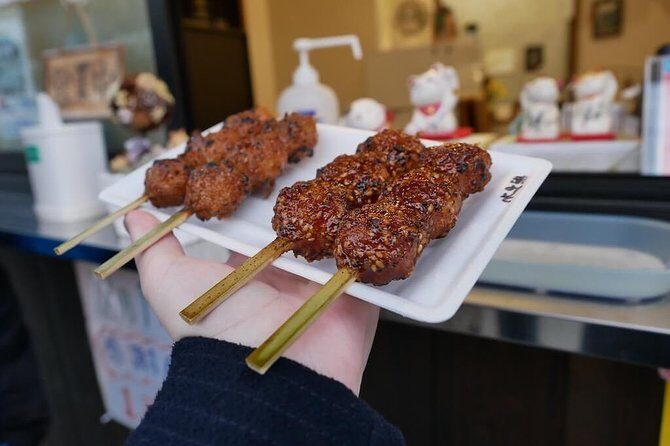
The route includes breakfast, lunch, dinner, plus street food and local snacks. That combination matters because Tokyo often rewards “small eating wins.” You don’t have to commit to one massive meal at the perfect time. You can snack while walking, then eat properly when it suits you.
If you’re price-sensitive, this structure helps too. You can eat affordably through the day, then save your bigger spend for whatever stands out to you.
Shopping and sightseeing: mix them so you don’t burn out
The plan includes shopping and sightseeing, plus walking and free time. I’d handle this as a rhythm: sightseeing tends to work best in smaller bursts, while shopping works best when you’re not rushing. The kit’s mix helps you avoid the trap of doing only one thing all day.
Night possibilities: the plan respects Tokyo’s 24-hour feel
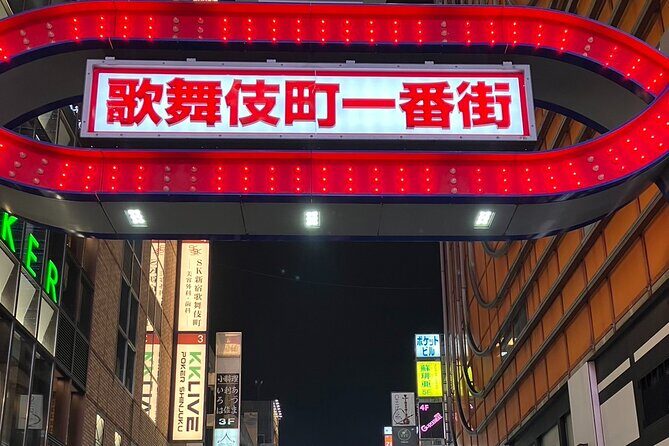
The itinerary mentions scenic views on the way (24 hours). Translation: the kit expects that you might still be out after dark, and you can keep moving at a Tokyo pace rather than treating nights like a hard stop.
For you, that means more flexibility. If you wake up later one day, you can shift some walking to evenings without the whole plan collapsing.
Restaurant Recommendations That Don’t Waste Your Time
The restaurant guide is one of the most valuable parts for me, mainly because it’s not just “here are famous places.” It’s a selection of food spots across Tokyo, and it leans toward affordable options.
Tokyo can be overwhelming on an empty stomach. A list helps, but only if it’s organized around the reality of travel: where you are, what you’re likely to want, and what won’t blow your budget.
So when you plan meals from this guide, you’re saving time and mental energy. You also get to taste Tokyo beyond the most obvious tourist lanes, because the recommendations are spread across areas instead of being one neighborhood repeat.
The Japanese Survival Card: Small, Smart, and Low-Stress
This is the “quietly brilliant” item.
You can print it into a small card, or keep it on your phone. Either way, it’s there for the everyday situations that normally derail confidence—simple questions, getting help, and trying to communicate when you don’t speak Japanese fluently.
I like that the survival card is focused on necessity. It’s not meant to turn you into a language student. It’s meant to keep your trip moving when you’re tired, hungry, or just want a straightforward answer.
Price and Value: What $20 per Group Buys You
At $20 per group up to 15, this is priced like a tool, not like an expensive guided day. The value comes from the fact that you’re buying time back.
You’re not paying for someone to walk next to you. You’re paying for:
- organized day planning (so you don’t spend hours researching),
- meal direction (so you don’t waste half a day eating decisions),
- and communication support via the survival card.
If you’re traveling with friends or family, the per-group pricing makes it easier to justify. Even as a solo traveler, it can still be good value if it helps you start your trip prepared and avoid the “I’ll plan later” spiral.
The only cost is your effort: you’ll do the walking and decision-making yourself.
Who This Planning Kit Is Perfect For
This kit is built for people who want structure but not a strict tour schedule.
It’s a strong fit if you:
- are a first-time visitor to Japan,
- want to prepare before you arrive,
- prefer flexibility over guided days,
- and like practical tools that you can use right away.
It’s also a good option if you’re the planner type in your group. The PDFs and food list mean you’re not constantly sending messages like Where should we eat now?
What to Expect After Booking (Delivery and Access)
This is a digital product only. There is no meeting point and no live guide.
After you book, you receive a private Google Drive link within 3 days. You can download the PDFs and save them on your phone or device for offline access. If you’re in a hurry, you can email and ask for faster delivery.
So the experience starts before you arrive. That’s the point: you get your materials in advance, then you use them on your actual trip days.
Should You Book This Tokyo Pre-Japan Planning Kit?
If you want help getting started fast, this kit is an easy yes.
Book it if you like clear structure, budget-aware food suggestions, and tools you can use on your own schedule. The survival card alone is the kind of thing you’ll be glad you packed, even if you only end up using it a few times.
Skip it if you know you’ll feel uncomfortable navigating without a live person to handle questions. This is self-guided by design. You’ll be relying on the PDFs and your own judgment.
If you’re okay with that trade-off, you’ll likely find it gives you exactly what most Tokyo first-timers need: less stress, better direction, and a trip that feels like yours from day one.
FAQ
Is there a meeting point?
No. There is no meeting point or in-person activity included.
What do I receive after booking?
You receive a private Google Drive link that contains downloadable PDFs, plus access delivered by email.
When will I get the files?
You’ll get the Google Drive access within 3 days. The kit may take 1–3 business days to be sent, and you can request faster delivery by emailing.
Is this for 1 day or multiple days?
It includes itineraries for 1–4 days, and the experience is described with a 4-day duration window.
Where does the itinerary start?
It lists Shinjuku City as the starting point, with Shinjuku station as the reference location (coordinates are provided).
Is it self-guided?
Yes. The kit is completely self-guided and meant to be used at your own pace.
Do I get a live guide?
No. There is no live guide, and all information is provided in English for independent use.
Is the Japanese survival card printable?
Yes. It’s designed to be printable and also mobile-friendly.
Can I access the materials offline?
Yes. You can save the files to your phone or device so they’re available offline.
How much does it cost?
The price is $20 per group, up to 15 people.