REVIEW · HIROSHIMA
Historical Hiroshima GPS App Walking Tour Mobile Game
Book on Viator →Operated by Leplace - interactive self-guided app tours · Bookable on Viator
A phone turns remembrance into a walk. This Hiroshima GPS app walking tour uses your smartphone to guide you between major memorial sights, with a mix of quiet history and puzzle-style discovery. It starts at the Hiroshima Peace Memorial Museum (1-2 Nakajimachō) and ends at Shukkeien Garden (2-11 Kaminoborichō), turning a straightforward sightseeing route into a guided-by-your-screen experience.
I like that the tour is fully self-guided, so you can pause, take a breather, and jump back in later without feeling rushed. I also like the simple promise of flexibility: you can start at any hour during the day window shown for the experience, and you are not stuck with one rigid group schedule.
The biggest consideration is app reliability and device compatibility. If the Leplace app fails to install or connect when you are in Japan, you may end up doing the sights on your own rather than following the GPS prompts.
In This Review
- Key things to know before you go
- How the Leplace GPS tour actually plays on your phone
- Entering Hiroshima’s remembrance zone at Peace Memorial Museum
- Children’s Monument and the Atomic Bomb Dome area
- Where the tour’s mid-route story fits: castles, gardens, and memorials
- Finishing at Shukkeien Garden (and why the ending works)
- Price and value: is $13.61 worth it?
- Practical timing: start windows and how long 1–2 hours really is
- Your best setup for a smooth day (especially if you’re nervous about apps)
- Who this walking app tour fits best
- When to book: the decision checklist
- FAQ
- Where does the tour start and end?
- How long does the tour take?
- Is this a guided tour with a person?
- Do I need to install a mobile app?
- Can I start whenever I want?
- Is it a private experience?
- How much does it cost?
- What if I need to cancel?
- Is it near public transportation?
Key things to know before you go
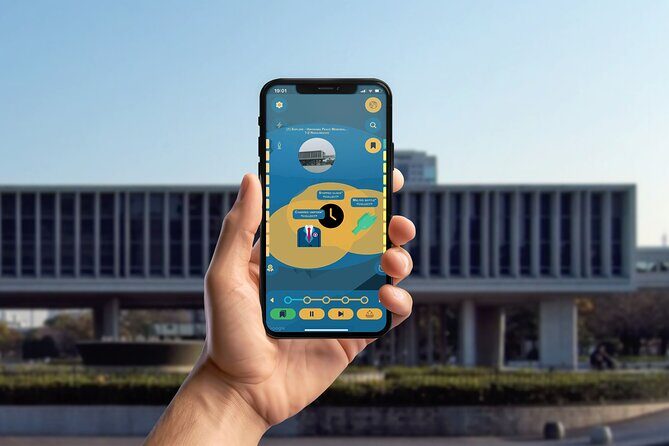
- GPS-enabled route from Hiroshima Peace Memorial Museum to Shukkeien Garden
- Puzzle-style prompts that push you to look around, not just walk
- Mobile ticket format, so everything runs through your phone
- Start anytime within the listed daily hours, and you can take breaks
- Private experience where only your group participates
How the Leplace GPS tour actually plays on your phone
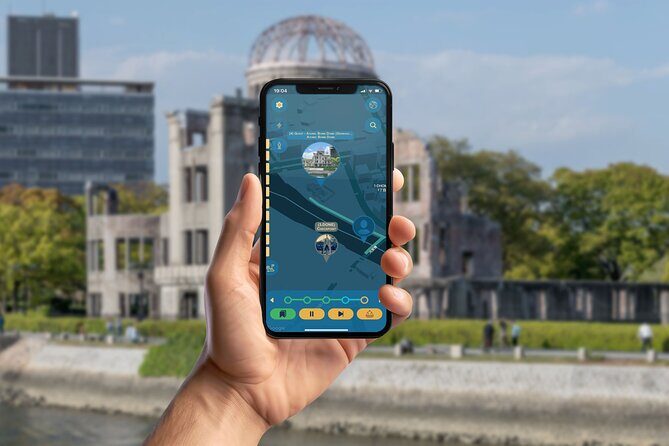
This isn’t a classic audio guide where you press play and follow along. You’re using a mobile app from Leplace to move step-by-step through Hiroshima, with GPS bringing each stop into view. In plain terms: your phone becomes your navigator and your guide, and you respond by solving what the app asks you to do at each point.
Because it’s self-guided, your timing is in your hands. The experience is listed as about 1 to 2 hours, which is a realistic window if you walk at a steady pace, spend a few minutes at each checkpoint, and complete the puzzle prompts without getting stuck on one screen for too long.
You’ll also want to plan for the experience style shift. A memorial tour can be heavy, and puzzle checks can feel odd if you are in a very reflective mood. On the other hand, I’ve found that small tasks can help you stay oriented and reduce the stress of figuring out what to see next. The trick is to keep the tone respectful and use the prompts as a way to slow down, not as a game you power through.
You can also read our reviews of more walking tours in Hiroshima



Entering Hiroshima’s remembrance zone at Peace Memorial Museum
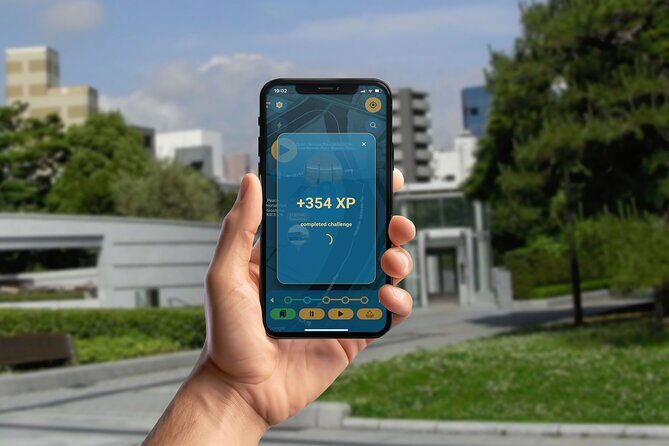
The route begins at Hiroshima Peace Memorial Museum (1-2 Nakajimachō, Naka Ward). For most people, this is the emotional anchor of a Hiroshima visit: you’ll be starting where the story is explained most directly, before you scatter out to other landmark memorials.
Starting here also makes practical sense. The museum area is an easy place to orient yourself, and you can treat the tour like a “guided walking plan” that extends beyond indoor exhibits. Once you step outside, the app’s job is to keep you moving through the next meaningful stops without needing a human guide to direct you.
A small planning tip: think about how much time you want to spend inside the museum itself. This experience is listed as 1 to 2 hours total, so if you also do a deep museum visit before starting the app, you’ll stretch the tour well past the estimate. If your goal is mainly the walk route and landmark points, you can keep the museum time shorter and let the app focus on the outdoor memorial sequence.
Children’s Monument and the Atomic Bomb Dome area
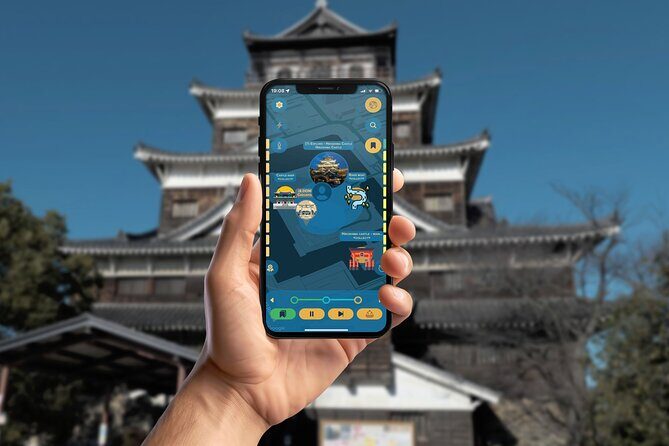
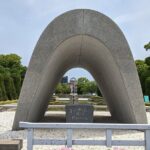
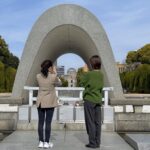
The tour overview specifically calls out a visit to the Children’s Monument and the Atomic Bomb Dome—two of the most recognizable parts of the Hiroshima memorial landscape.
Even without an in-person guide, you’ll get value from the way a GPS app forces attention to location. The app can nudge you to stop where the memorial message is strongest, rather than just taking photos from the nearest convenient spot. That matters around the Atomic Bomb Dome, where the sight can be overwhelming and your brain wants to skim. A prompt can help you slow down and actually look.
The Children’s Monument connection is also important. It shifts the emotional focus in a way that most one-stop photo journeys miss. You’re going from broad historical context into a more human, age-focused remembrance. If the app is working, this is where the “walking + reflecting” combo feels most powerful: you’re not only seeing a landmark, you’re moving through a sequence that changes tone.
Real-world drawback: if your app is lagging or your GPS keeps losing the signal, it can make a solemn area feel frustrating. Plan to give yourself a little patience here. If you’re prone to tech stress, consider starting earlier in the day, when you have more time to troubleshoot.
Where the tour’s mid-route story fits: castles, gardens, and memorials
Beyond the big names, the tour describes a blend of ancient castles, tranquil gardens, and modern memorials. The end point being Shukkeien Garden gives you a big clue about the overall arc: memorial intensity up front, then a calmer finish that lets you see Hiroshima as a living city, not only a place of tragedy.
That matters for how you experience the whole day. A walking tour that ends in a garden can feel like a natural emotional release after heavy indoor context. It also adds variety—so you aren’t spending the entire route in one emotional register. Instead, you’re likely to get at least a little of Hiroshima’s everyday visual rhythm: stone, trees, pathways, and city-side atmosphere.
Because the tour is self-guided, you’ll likely have moments where you’re doing more than walking between famous sights. The app’s puzzle-style tasks can turn these in-between streets into something closer to discovery mode. Just don’t let the puzzle energy bully your pace. If you find yourself rushing to finish the next step, slow down and skip a checkpoint if you need to.
Finishing at Shukkeien Garden (and why the ending works)
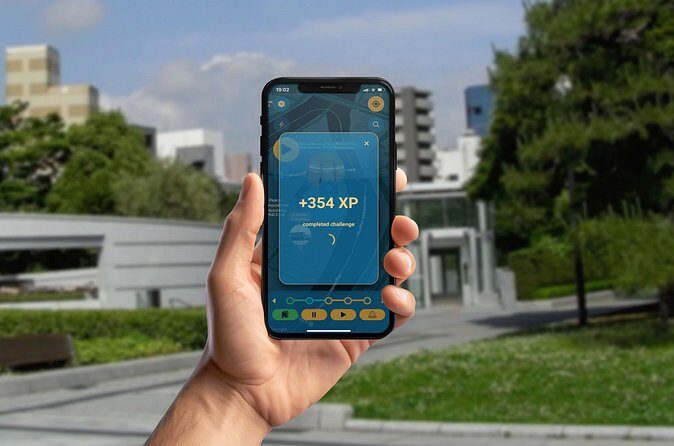
The experience ends at Shukkeien Garden (2-11 Kaminoborichō, Naka Ward). This is a strong finish location because it gives you a visual counterpoint: you can shift from memorials into a space designed for quiet attention.
Even if you only spend a portion of your time at Shukkeien, it can still change the tone of your day. Memorial tourism can sometimes feel like it drains all the color out of a city. A garden ending helps restore the sense of place and time—the idea that Hiroshima is still here, still growing, still made of beautiful spaces for people to walk through.
If you’re short on time, you can treat Shukkeien as your decompression stop rather than a full garden deep-dive. Your app route is listed as 1 to 2 hours total, so consider keeping your post-tour garden time flexible depending on how you feel.
You can also read our reviews of more historical tours in Hiroshima



Price and value: is $13.61 worth it?
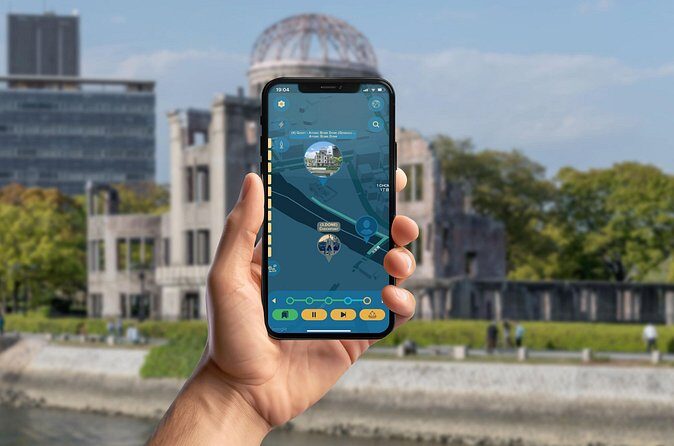
At $13.61 per person, this tour sits in the low-to-mid range for a phone-based self-guided experience. On paper, that price buys you three things: structured checkpoints, a mobile app that prompts you along the way, and the freedom to start and pause when you want.
Here’s the honest value test: the tour is only “worth it” if the app works smoothly on your device in Japan. If it does, you’ll get a guided-feeling walk without paying for a physical guide, and the GPS prompts can reduce the mental load of planning. That can be especially helpful if you’re trying to fit Hiroshima memorials into a tight itinerary.
If the app doesn’t work, the value drops fast. This is not a guided tour with a fallback person waiting nearby. Your best case is you can still see the big landmarks, but you lose the puzzle prompts and the step-by-step structure that you paid for.
So I’d treat the price like this: it’s a fair deal if your phone plays nice. It’s a risky deal if you hate depending on an app to function exactly right.
Practical timing: start windows and how long 1–2 hours really is
The experience lists operating hours as 8:00 AM to 8:00 PM for the timeframe shown. While the tour itself says you can start at any hour, that window is still your reality check. If you start late, you may feel rushed reaching checkpoints and then finishing at Shukkeien.
Also, the route is described as 1 to 2 hours. In real life, that means you should plan for some buffering time:
- a few minutes to read prompts and move between spots
- brief stops for the Children’s Monument and Atomic Bomb Dome area
- time to end at Shukkeien without sprinting
If your group includes someone who moves slowly, double the buffer. This is a walking tour, even though it’s self-paced.
Your best setup for a smooth day (especially if you’re nervous about apps)
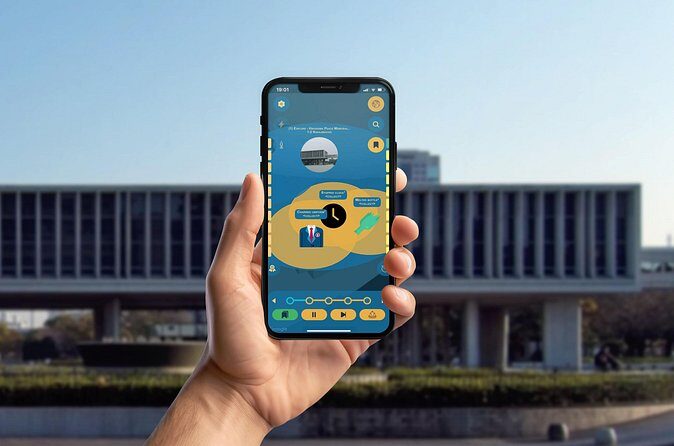
Because this is a smartphone-dependent experience, I think your “success strategy” is simple: prepare early, test once, and keep a plan B.
Do this before you leave for Hiroshima:
- Install the required Leplace app using the instructions you receive by email.
- Make sure you understand how the mobile ticket works on your device.
- Have your phone fully charged and bring a way to top up.
Once you arrive:
- Give yourself extra time for the first checkpoint. The early steps matter because they confirm that the app can find you and the route is loading correctly.
- If GPS seems off, don’t keep smashing buttons. Pause, check permissions, and restart the flow if the app allows it.
And have a gentle backup mindset: if the app fails, you can still visit the key sights on your own. The tour is built around recognizable landmarks, so you’re not totally stuck. But you won’t get the puzzle or step prompts that give this experience its structure.
Who this walking app tour fits best
This experience is best for people who:
- enjoy self-guided city walking and don’t need a human guide
- are comfortable using GPS and solving prompts on their phone
- want a structured route that hits major Hiroshima memorial landmarks
- travel as a private group and prefer flexible timing
It may not be a great fit if you:
- rely on accessibility features that a phone-based experience can complicate
- want something ultra-low-tech
- need absolute certainty that a mobile app will work flawlessly with your specific phone model
The tour data also notes it is not recommended for visually impaired people, seniors over 80, or anyone with impaired mobility. If you fall into those categories, it’s worth considering a different format, ideally one with more human support and fewer tech dependencies.
When to book: the decision checklist
Book this Hiroshima GPS app walking tour if you’re comfortable with tech and you want a flexible, low-cost way to hit the biggest memorial stops and then end in a calm garden setting.
Skip it if you know you struggle with app setup, dislike troubleshooting on travel days, or need a guaranteed, guided experience. For some people, the whole point is the GPS-based prompts; if that piece fails, the tour becomes more of a concept than a solution.
If you do book, arrive with a little patience and a lot of battery life. This is a respectful route through heavy places—so your main goal is to keep the experience steady, not to win the puzzle.
FAQ
Where does the tour start and end?
It starts at Hiroshima Peace Memorial Museum, 1-2 Nakajimachō, Naka Ward, Hiroshima, and it ends at Shukkeien Garden, 2-11 Kaminoborichō, Naka Ward, Hiroshima.
How long does the tour take?
The experience is listed as about 1 to 2 hours.
Is this a guided tour with a person?
No. It is a self-guided walking tour using a mobile app, so there is no physical tour guide included.
Do I need to install a mobile app?
Yes. You’ll need to install the mobile app, and instructions are provided in your confirmation email.
Can I start whenever I want?
Yes. The tour is described as having full flexibility, so you can start at any hour, and you can take breaks and resume later. The listed operating hours are 8:00 AM to 8:00 PM.
Is it a private experience?
Yes. It is described as private, meaning only your group participates.
How much does it cost?
The price is $13.61 per person.
What if I need to cancel?
Free cancellation is available. You can cancel up to 24 hours in advance for a full refund, based on the local time of the experience.
Is it near public transportation?
Yes, the tour is listed as being near public transportation.