REVIEW · KAMAKURA
Kamakura Zen: Great Buddha, Nature, Bamboo & Samurai Culture
Book on GetYourGuide →Operated by ShogunTours · Bookable on GetYourGuide
Kamakura feels calmer than you expect. This 4-hour walk links samurai culture with Zen quiet, from the Great Buddha at Kōtoku-in to the peaceful hush of a bamboo forest. I particularly like the way the stops are paced for real looking time, and I love that you finish with Komachidori Street for easy snacks and shopping. The main thing to plan for is walking: you’ll do some stairs and uneven temple ground, and the itinerary is fixed.
The best part is the guide. In past groups, the English guide Deen has been praised for staying personable, taking his time, and explaining how these places connect to Japanese culture (not just reciting facts). You’re also not stuck wrestling with your camera, because photos are included.
In This Review
- Key things I’d watch for on this Kamakura tour
- Why Kamakura’s samurai spirit pairs well with Zen temples
- Meeting at Kamakura Station and keeping the day smooth
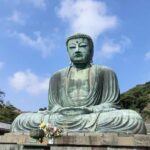
- Kōtoku-in and the Great Buddha: your first big wow in 30 minutes
- Hase-dera’s Kannon statue, Zen gardens, and Benzaiten’s cave
- Hokokuji bamboo forest: where the day gets cooler and quieter
- Tsurugaoka Hachimangu: samurai culture in a major shrine setting
- Komachidori Street finish: snacks, souvenirs, and old-town momentum
- Price and what makes this $64, 4-hour tour feel like value
- Pace, walking, and who will enjoy this most
- Should you book this Kamakura Zen and samurai tour?
- FAQ
- Where does the tour start?
- How long is the tour?
- What stops are included?
- What’s included in the price?
- What is not included?
- Is the matcha tea experience optional?
- What should I bring?
- Will the tour run in bad weather?
Key things I’d watch for on this Kamakura tour
- Great Buddha at Kōtoku-in: the big landmark that sets the tone fast, without feeling rushed
- Hase-dera’s Kannon + Benzaiten’s cave: Zen gardens plus a spiritual side trip
- Hokokuji bamboo forest calm: a cool, quiet break from the city pace
- Tsurugaoka Hachimangu for samurai roots: warrior-era culture in a major shrine setting
- Komachidori Street finish: practical, low-effort snacks and souvenirs at the end
Why Kamakura’s samurai spirit pairs well with Zen temples
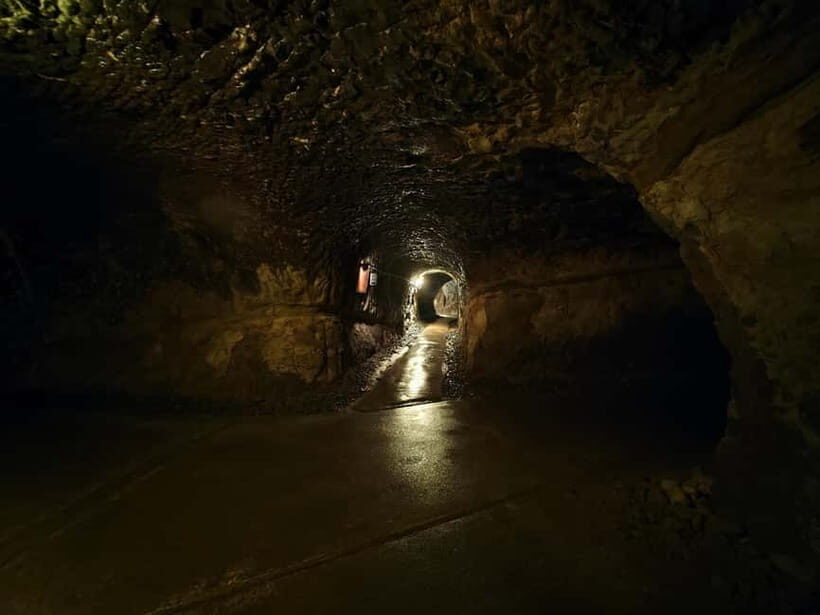
Kamakura is famous for two things that can feel worlds apart: the warrior past and the quieter side of Japan. What makes this tour work is the order. You start with major spiritual landmarks, then you shift gears into shrine culture tied to samurai life, and you end in a classic old-town street where you can keep the day feeling human-scale.
For you, that matters because you’re not just ticking off famous names. You’re moving through different moods: awe, serenity, warrior atmosphere, then everyday Kamakura energy. And since it’s only about four hours, it’s a good match if you’re also planning to spend time elsewhere in Yokohama or Tokyo.
You can also read our reviews of more tours and experiences in Kamakura.

Meeting at Kamakura Station and keeping the day smooth
The tour meets at the Kamakura City Tourist Information Center at the East Exit of Kamakura Station. After you go through the ticket gates, turn left, and you should see the center right ahead.
Arrive about 10 minutes early. That buffer helps you stay calm while you match up with the group and get your bearings fast. Bring comfortable shoes—there’s walking and some stairs. Also pack water and have a bit of cash, because you’ll want options on Komachidori Street and you may need cash for things like local purchases.
Weather matters too. The tour runs rain or shine, so plan for wet paths or heat depending on the season. A small umbrella and sunscreen go a long way.
Kōtoku-in and the Great Buddha: your first big wow in 30 minutes
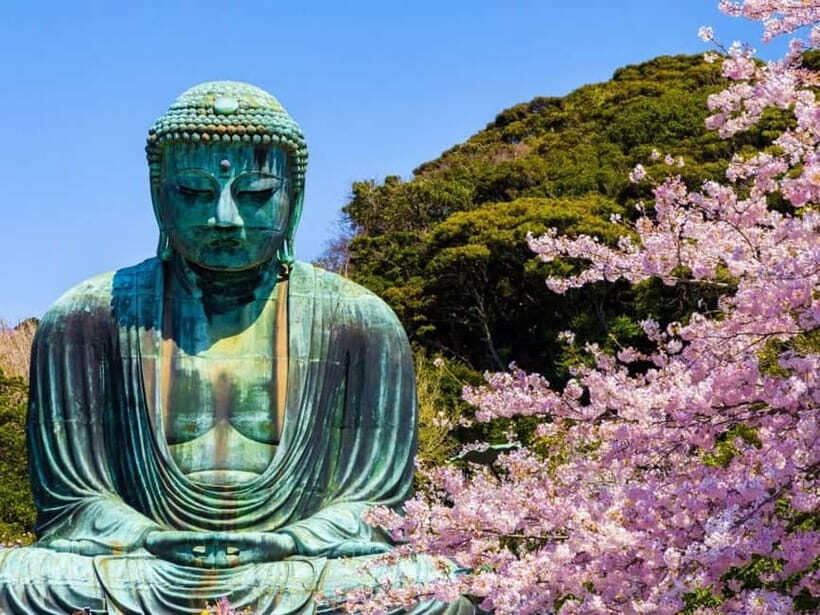
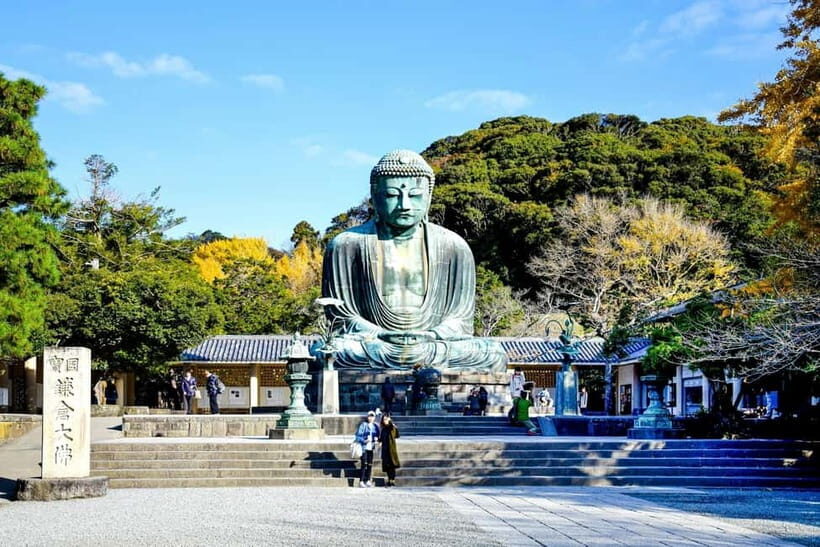
Kōtoku-in is the start of the show, and it’s a smart one. The star is Kamakura’s Great Buddha, the landmark that instantly tells you you’re in the right place. Even in a short visit window, this kind of site does something helpful: it slows your brain down. Your eyes start scanning the Buddha and the surrounding layout, and your mind stops chasing the next photo angle.
In a tour like this, the value is time efficiency. Thirty minutes at Kōtoku-in is enough to see it properly without turning it into a sprint. You’ll also get a quick reset before moving into temple gardens where the mood becomes more inward.
Practical note: temple grounds can be uneven and sometimes slippery, so comfortable grip matters. If you’re the type who likes to stop and read or look closely, this is one of the spots where you’ll appreciate not being rushed.
Hase-dera’s Kannon statue, Zen gardens, and Benzaiten’s cave
Next comes Hase-dera, where the tone softens. You’ll spend around 45 minutes here, which is a good length for a temple with multiple “worlds” inside it.
Three things define this stop:
- The Kannon statue at Hase-dera: elegant and central, and a strong visual anchor for the whole area
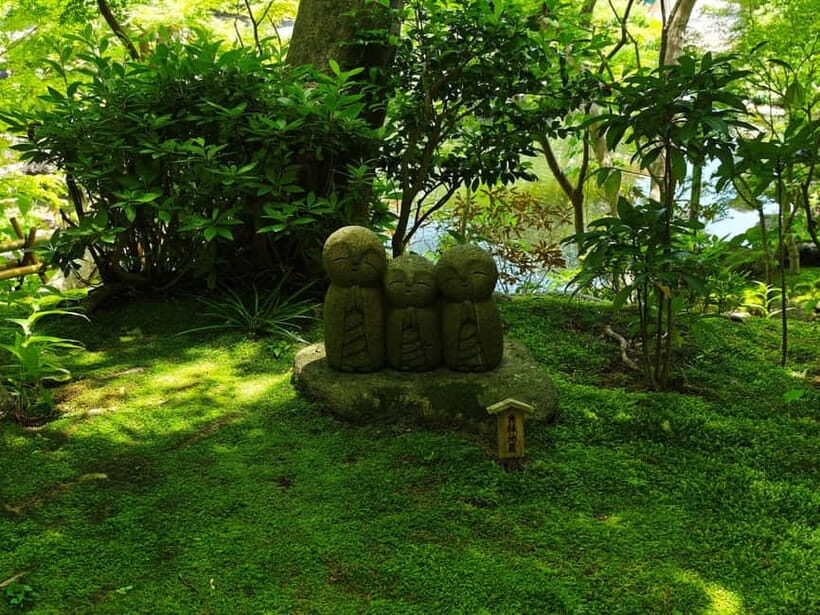
- Tranquil gardens and calming Zen spaces: the kind of environment where walking feels quieter
- Benzaiten’s cave: a more unusual side element that adds variety beyond the main hall
What I like about including Hase-dera right after Kōtoku-in is that it gives you contrast. The Great Buddha is about scale and presence. Hase-dera is about atmosphere—small paths, composed spaces, and places where you can slow down for a minute without feeling out of place.
Drawback to consider: if you’re sensitive to stairs or longer walks on foot, Hase-dera can feel like the point where your legs start to notice the day. It’s still totally doable, but it’s why good shoes and a steady pace matter.
Hokokuji bamboo forest: where the day gets cooler and quieter
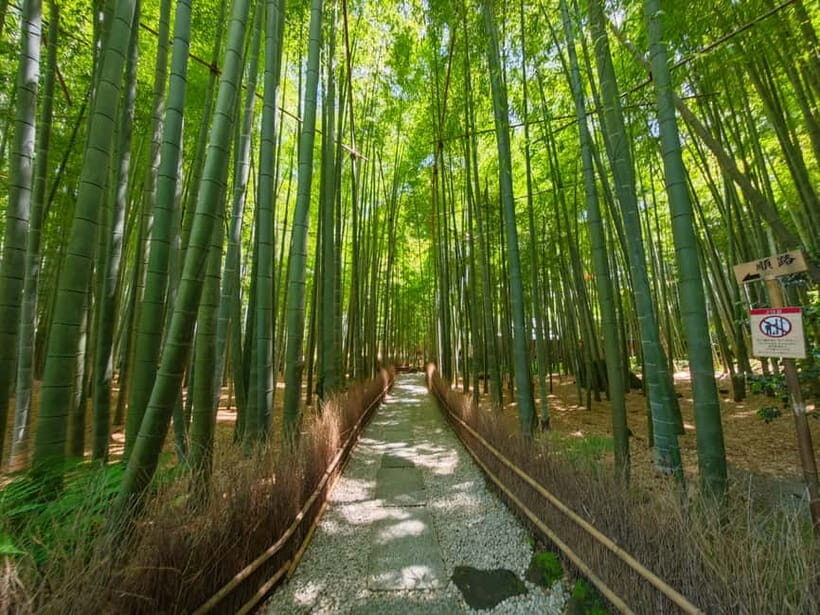
Then you shift into one of the most soothing experiences in the whole route: the Hokokuji bamboo forest. You’ll have about 30 minutes here, and that timing is ideal. Long enough to feel the change in sound and air, not so long that you’re stuck waiting for the group.
The bamboo grove is the main event, but the tour also includes a matcha moment. A matcha tea experience is available here as an optional add-on, and it’s not just a drink stop. The experience is tied to the setting, which is part of why people enjoy it even when they’re unsure about matcha.
If you’re on the fence, here’s the practical way to think about it: take the tea as a chance to slow down and absorb the environment, not as a test of your taste buds. In past groups, Deen has recommended the tea experience, and the overall feeling was that the location and calm setting make it worth it.
Plan for this stop to feel like a reset button. After shrine visuals and city movement, bamboo calm can make everything else easier to enjoy.
Tsurugaoka Hachimangu: samurai culture in a major shrine setting
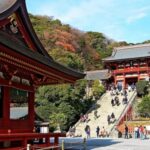
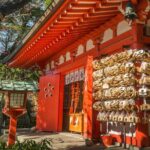
After the bamboo quiet, the tour heads to Tsurugaoka Hachimangu, with about 30 minutes at the shrine.
This stop matters because it connects you to Kamakura’s warrior-era identity. The shrine is described as the heart of Kamakura’s warrior past, and that idea helps you look at the place differently. It’s not only about architecture or photos. It’s about understanding why this town became tied to samurai power in the first place.
I also like how the rhythm works here. You’ve just spent time in Zen calm. Now you’re moving into a more formal, culturally charged setting. For your brain, that contrast helps the day stay interesting instead of becoming a blur of religious sites.
The main consideration is energy management. If you’re tired from earlier walking, take your time. You don’t need to rush through this one to enjoy it.
Komachidori Street finish: snacks, souvenirs, and old-town momentum
You’ll end the tour on Komachidori Street, with about 30 minutes to shop and snack. This is a practical ending, because it turns the day into something you can enjoy right away rather than ending on a quiet, temple-only note.
Komachidori Street is the kind of old-town shopping lane where you can:
- grab local snacks on the way out
- browse souvenirs without committing to a big purchase
- soak up the everyday Kamakura feel after the cultural stops
If you’re hungry, this is where you can make it easy. And if you happened to meet a guide like Deen in a past group, he’s been known to offer helpful lunch and afternoon suggestions too. If your guide offers ideas, take them. They’re usually tailored to what’s nearby and what makes sense for the rest of your day.
Price and what makes this $64, 4-hour tour feel like value
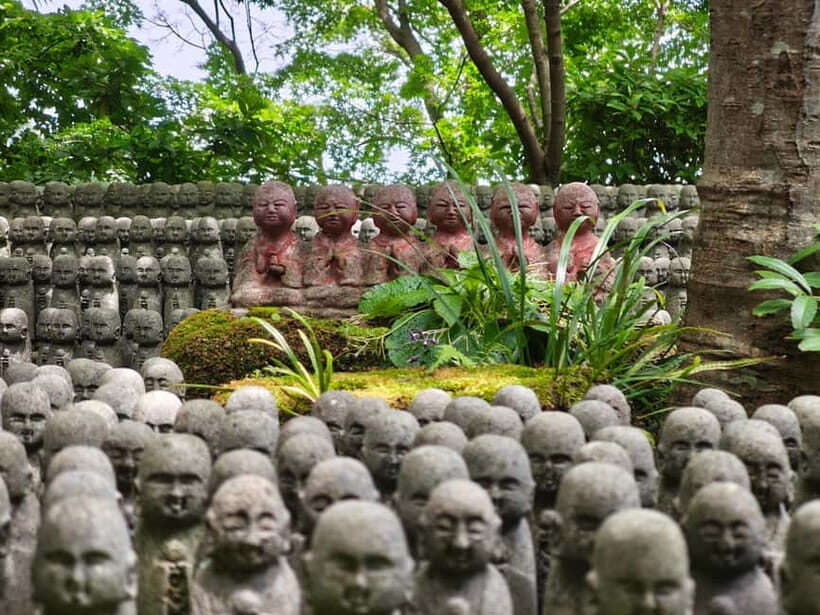
At $64 per person for about 4 hours, this tour’s value comes from what’s bundled—not from the headline number.
Included items that matter:
- entry tickets to all temples and shrines
- a friendly local expert guide (English)
- photos taken for you
- matcha tea experience is optional
What’s not included:
- transportation costs (train/bus fare to/from and during the tour)
- personal expenses like meals, snacks, drinks, and souvenirs
Here’s the value logic in plain terms. If you try to do this on your own, you’d spend time planning routes, paying separate admission fees, and juggling the logistics of getting from spot to spot. Paying for a guided route that handles the sequence, covers admissions, and includes photos can be cheaper than it sounds, because your time and stress are part of the cost.
Also, photos included is a small detail that turns into a real benefit. It reduces the annoying pause where one person becomes the camera operator.
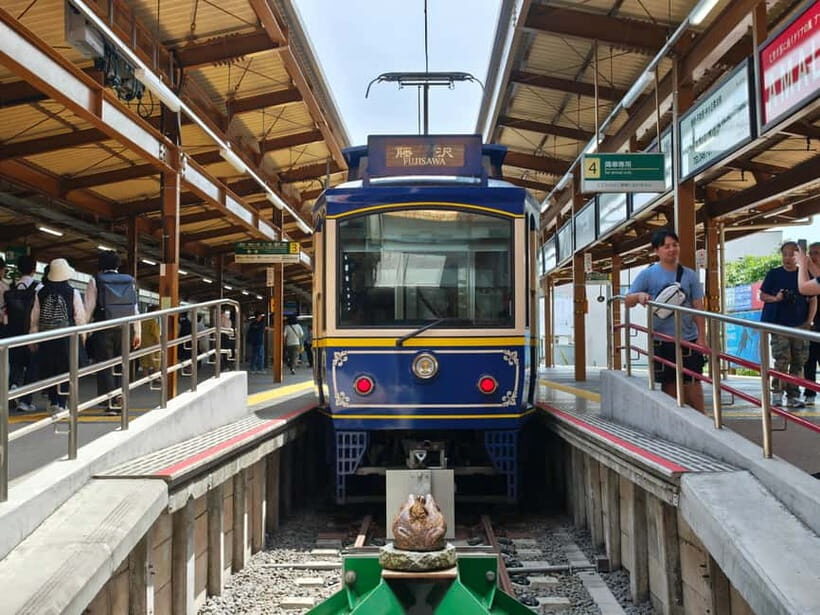
Just remember to budget extra for local transportation rides during the day. The tour schedule uses bus/coach and tram segments, and transportation is specifically listed as not included.
Pace, walking, and who will enjoy this most
This tour is built for people who like a mix:
- nature and quiet temple time
- samurai culture in a shrine setting
- easy shopping and snacks at the end
It’s also a smart fit for first-time visitors to Kamakura who want the major highlights without turning the day into a self-guided puzzle.
Who should consider other options:
- wheelchair users (not suitable)
- anyone who struggles with stairs or uneven temple paths
- people who hate fixed itineraries (this one has a set route and timing)
If you like walking but want it manageable, this is a sweet spot. If you want a fully relaxed day with no stairs at all, you’ll likely feel the physical part more than you want.
Should you book this Kamakura Zen and samurai tour?
Yes—if you want a four-hour introduction that balances Great Buddha, Zen temples, bamboo calm, and shrine culture without you doing the route math. I’d book it if you’re the type who enjoys atmosphere as much as sights, and you like finishing with practical time on Komachidori Street.
Skip it if you need a very slow pace, want total freedom to change stops, or you can’t do stairs and temple-ground walking.
If you do book, pack comfy shoes and water, arrive on time at the East Exit tourist center, and be ready to let the guide set the rhythm. It’s a solid way to get a real feel for Kamakura’s two faces: warrior spirit and quiet Zen.
FAQ
Where does the tour start?
The meeting point is the Kamakura City Tourist Information Center at the East Exit of Kamakura Station, located just ahead after you pass through the ticket gate.
How long is the tour?
The tour duration is 4 hours.
What stops are included?
You’ll visit Kōtoku-in (Great Buddha), Hase-dera (including its Kannon statue and Benzaiten’s cave), Hokokuji Bamboo Forest, Tsurugaoka Hachimangu, and end at Komachidori Street.
What’s included in the price?
Entry tickets to all temples and shrines are included, along with an English live guide, photos taken for you, and an optional matcha tea experience at the bamboo forest.
What is not included?
Transportation costs (train/bus fare to and from and during the tour) and personal expenses like meals, snacks, drinks, and souvenirs are not included.
Is the matcha tea experience optional?
Yes. The matcha tea experience at the bamboo forest is listed as optional.
What should I bring?
Bring comfortable shoes, water, and cash.
Will the tour run in bad weather?
Yes. The tour runs rain or shine, so it’s smart to bring appropriate weather gear.