REVIEW · NAHA
Half-Day Snorkeling Trip to Kerama
Book on GetYourGuide →Operated by Jumbo Tours Co.Ltd. · Bookable on GetYourGuide
Kerama snorkels are a quick Naha escape. This 3-hour half-day trip takes you from Naha toward Kerama Blue, where coral and fish sightings are the main event, and the timing feels easy. I like the included snorkeling kit (including full-face masks) and the fact that safety rules are taken seriously with life jackets. The main drawback is that the snorkeling area and onboard format can feel limiting, especially if you hoped to roam freely or avoid extra sales pressure.
You’ll also be dealing with real-world logistics: meeting at Miegusuku Port, wearing swimwear under your clothes, and accepting that the crew is mostly Japanese. Some English support is built in, but the experience can vary depending on which staff member is on your boat.
That said, if you want a short, low-effort way to see Kerama’s underwater world without planning a complex day, this tour is a strong candidate.
In This Review
- Key things to know before you go
- Kerama Blue in 3 hours: what the tour format really delivers
- Getting to Miegusuku Port from Naha without stress
- What’s included for snorkeling (and why it matters)
- Safety rules: life jackets, no free diving, and who should skip it
- The onboard experience: crew guidance, language, and staying together
- Snorkeling spot expectations: coral, fish, and the feeling of a “small area”
- Optional add-ons: banana boating, jet skiing, and sea turtle time
- Comfort and comfort complaints: diesel smell, smoking zones, and big-group admin
- Price and value: why $54 can feel fair, or frustrating
- Who this Kerama snorkeling trip fits best
- Should you book the Half-Day Snorkeling Trip to Kerama?
- FAQ
- FAQ
- How long is the snorkeling tour?
- How much does it cost?
- Where do I meet for the tour?
- Do I need to bring snorkeling gear?
- What should I bring?
- Are meals included?
- Is hotel pickup included?
- Are life jackets required?
- Can children join?
- Is it suitable for non-swimmers?
- FAQ
- Is there an English option on the tour?
- Are optional activities available?
- What happens if marine conditions are bad?
- Is alcohol allowed?
Key things to know before you go
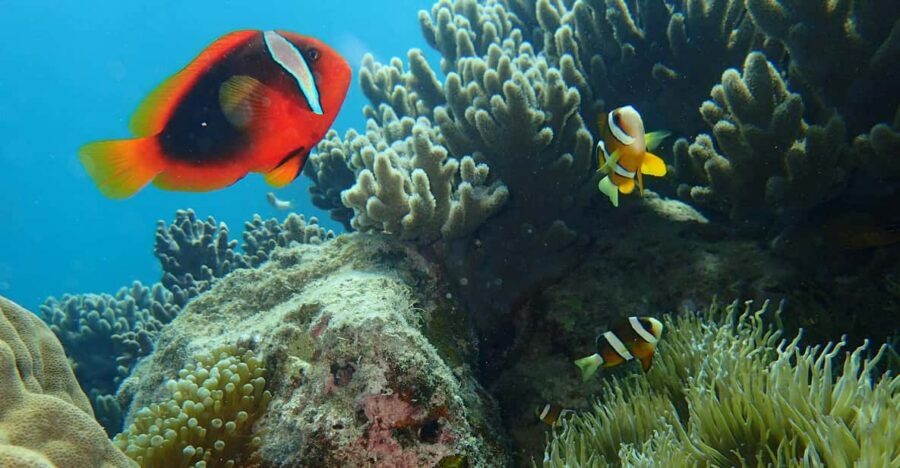
- Kerama Blue, fast: A relaxed 3-hour tour focused on one main snorkeling stretch.
- Full-face masks included: A wider view helps, especially if you’re new to snorkeling.
- Life jackets are required in the sea: Safety first, even if it feels a little bulky.
- Extras are optional but sold onboard: You may feel upsell pressure and cash can be involved for add-ons.
- Not a self-guided snorkel: You stay close to the group/boat for safety and control.
- Japan-first crew language: English instructions may be provided, but day-to-day clarity can differ.
Kerama Blue in 3 hours: what the tour format really delivers
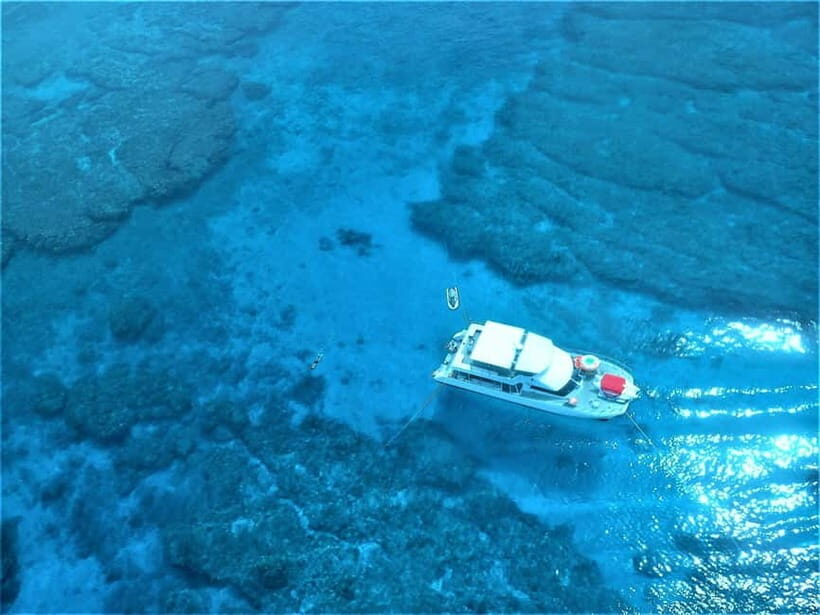
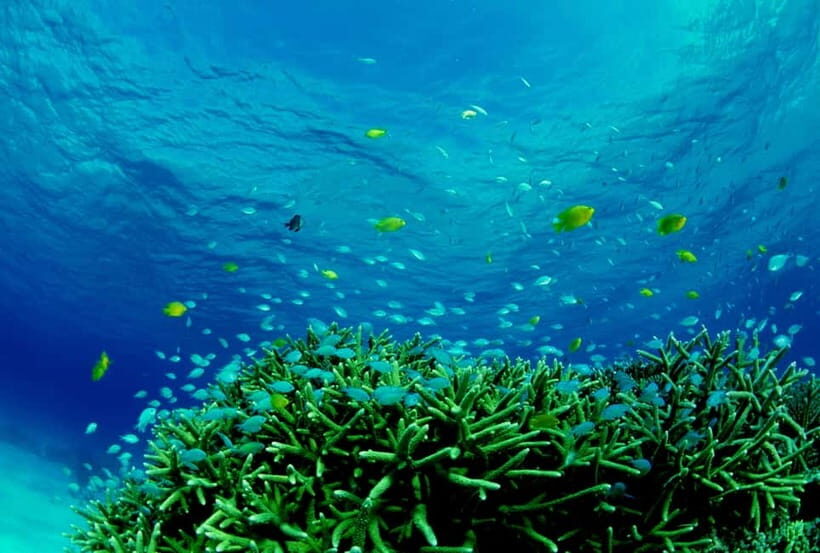
This is a short-and-simple snorkeling outing. You board a cruiser-style boat in Naha City and head for the Kerama area with the whole trip designed to be doable in one half-day block. The headline is Kerama Blue—clear water, coral habitat, and schools of fish—without turning your day into a long logistics puzzle.
The schedule is built around a single focus: getting you in the water for long enough to see what matters. That’s why this format tends to work best for first-timers. If you’re experienced, you may still appreciate it, but you’ll want to manage expectations about how much control you have once you’re on the water.
A practical note: this isn’t described as a free-roam snorkeling adventure. You’re guided, kept together, and guided again. If you like to drift far off on your own, this tour is unlikely to match that style.
You can also read our reviews of more snorkeling tours in Naha
Getting to Miegusuku Port from Naha without stress
Meeting point is Miegusuku Port. If you’re driving, the instructions make it a bit easier: put Naha Beachside Hotel into your GPS, go until you see it on your right, then continue straight to the parking lot.
There’s also a parking fee for rental-car arrivals: 500 yen per vehicle charged at the Mie Castle Port parking lot. This matters if you’re traveling as a group in one car, because it’s an extra cost you’ll want to factor into your total day budget.
One small but important operational tip: the tour asks you to wear your swimwear underneath your clothes and meet accordingly. That’s not just convenience—it speeds up the whole boarding process and reduces that last-minute scramble where people forget towels or extra clothes.
What’s included for snorkeling (and why it matters)
Included in the price is the boat fare, all snorkeling equipment, life jackets, and insurance. That bundle is a big part of the value at $54 per person, because a lot of “cheap” snorkeling days in other places end up charging extra for gear or safety basics.
The equipment package includes snorkeling masks, and the info specifically calls out full-face masks, which give you a broader field of view. If you’ve ever had water pop in behind a standard snorkel mask, you’ll likely like the idea of a wider, more comfortable setup—especially when you’re trying to focus on fish and coral rather than on your breathing.
Life jackets are also included, and the safety rules are clear: when entering the sea, you’re expected to wear the life jacket. This is a safety choice, and it changes the feel of the water a little. Some people dislike the bulk. But it generally helps everyone stay buoyant and easier for staff to keep track of.
Safety rules: life jackets, no free diving, and who should skip it
This tour is safety-managed. A key rule is a strict ban on free diving (snorkeling without equipment). You’ll enter the water wearing your gear, and you’ll keep it structured.
The list of who can’t participate is also detailed. People who are pregnant, under the influence of alcohol, or dealing with epilepsy, heart problems, or respiratory conditions should not join. The same goes for anyone with a medical history such as tuberculosis, pneumonia, or spontaneous pneumothorax. Non-swimmers are also not suitable, and the tour isn’t geared for wheelchair users or people who are visually or hearing impaired.
If you’re on the fence, treat this list like a checklist. If something is even slightly relevant, ask your provider before booking. Water-based tours are fun, but they aren’t the place to gamble with a safety mismatch.
Also pay attention to the alcohol rule. Participation isn’t allowed if you’re hungover or intoxicated. That’s not just for safety of the person—it helps keep everyone else comfortable on a moving boat.
The onboard experience: crew guidance, language, and staying together
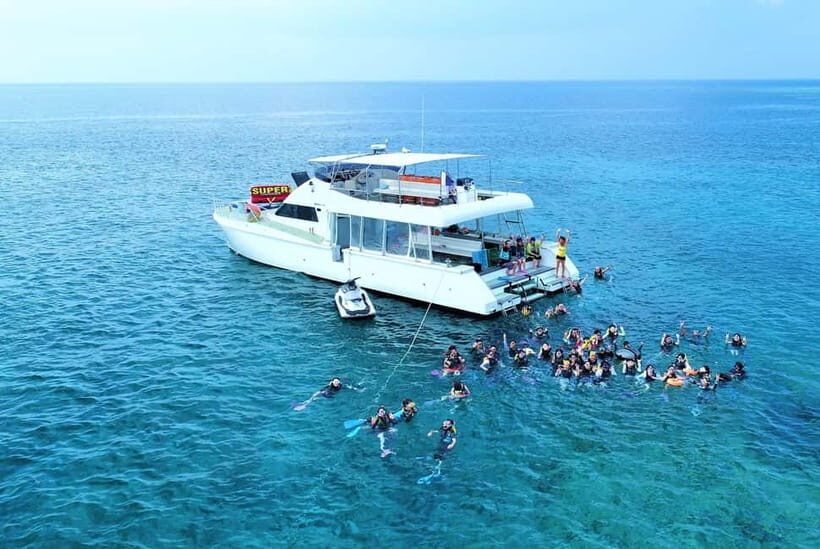
Your snorkeling experience depends heavily on how the crew runs the day. This provider is Japanese-language based, so your experience is affected by whether your boat group gets the kind of English support you’re hoping for.
The good part: there are indications that English instructions can be prepared so you understand what to do during the swim. The safety-focused “stay with us” structure also helps. People often feel more secure when staff keep the group close, especially if you’re new to snorkeling.
The tricky part: not every boat moment is guaranteed to be smooth in English. Some staff may understand English, while others may focus on Japanese explanations only. If you don’t read Japanese, plan to rely on pictures, simple instructions, and the universal cues like where to put your hands, when to enter, and when to exit.
One more reality check: you should expect to stay near the boat and not treat this like an independent snorkeling session. If you’re the type who wants to roam off and explore alone, you might feel constrained.
A few more Naha tours and experiences worth a look
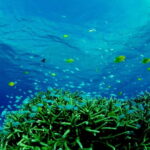
Snorkeling spot expectations: coral, fish, and the feeling of a “small area”
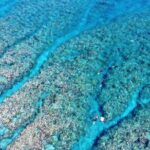
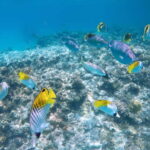
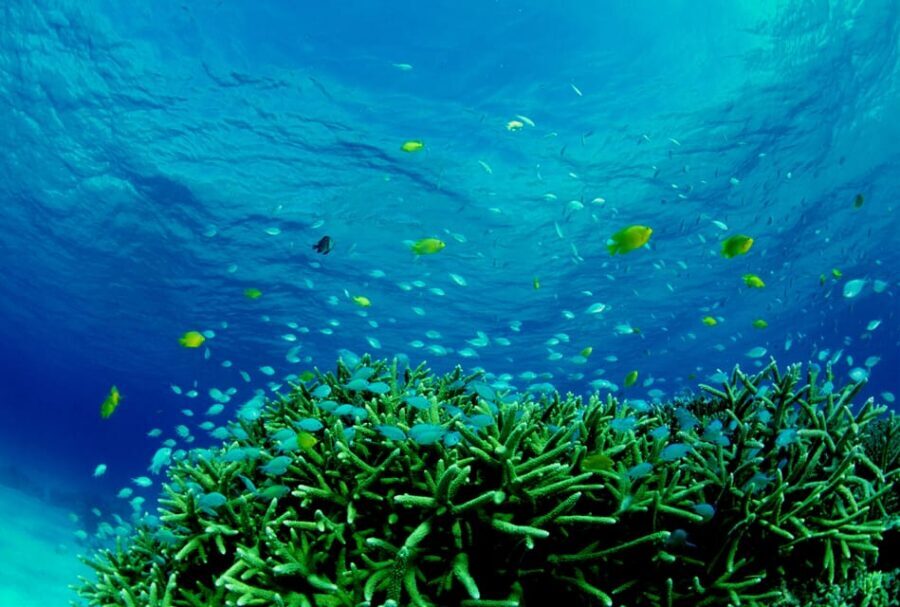
The main goal is to see coral and tropical fish in Kerama Blue. That’s the part you should prioritize when deciding if this tour fits your goals. The water conditions are described as crystal clear, and the snorkeling concept is built around a single stop that’s long enough to appreciate the reef environment.
That said, the snorkeling zone can feel limited to some participants. In a guided, controlled tour, the “where you can go” area is often chosen for safety and for keeping the group together. If you’re hoping to get down and explore far from the staff line, you may end up feeling like you’re snorkeling higher above the coral than you wanted.
Another practical detail: you’ll be wearing a life jacket, and that can affect how your body floats. Some people adapt quickly. Others feel that it changes the way they hover and look around. If you’re sensitive to gear discomfort, this is one area where you should mentally prepare.
Optional add-ons: banana boating, jet skiing, and sea turtle time
The tour lists optional activities like banana boating, jet skiing, or Sea Turtle Exploration. Those are extras meant to turn a short half-day into a more action-heavy outing.
The key value question is not whether these exist. It’s how they’re handled. Some participants report feeling pushed to purchase additional services and that extras may be paid for with cash rather than in an easy online checkout. If you want only snorkeling, decide in advance that you’ll pass on add-ons and stick to it.
If you do want add-ons, consider timing and energy. Jet skiing and banana boats can be fun, but they also add motion and potential choppiness when you’re already on a boat. If seasickness is an issue for you, keep it simple: focus on snorkeling and let the rest be optional.
Comfort and comfort complaints: diesel smell, smoking zones, and big-group admin
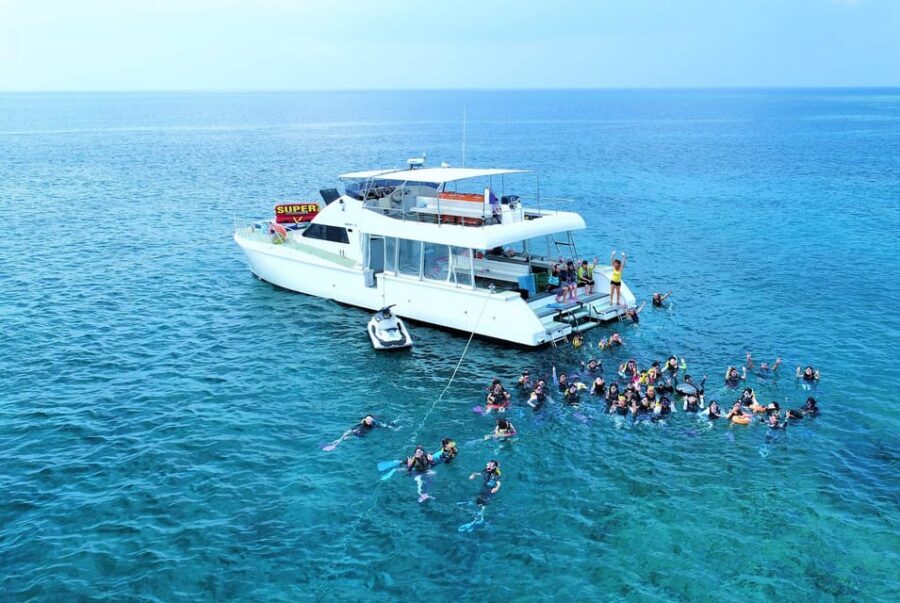
This is where the experience can split into two stories: the underwater story (often praised) and the boat story (often mixed).
One complaint is about engine fuel smell. Diesel odor was described as strong enough to cause nausea at times. That doesn’t mean the trip will be nauseating every time. But it does mean you should bring your own motion-comfort plan—especially if you’re prone to sea sickness.
Another point is smoking. A participant with a smoking allergy reported limited places to avoid tobacco on the upper deck and pressure to move seats even when the smoking policy wasn’t allowed during the return. If smoke sensitivity is a concern for you, try to choose where you sit and be ready for the reality that boat deck areas can get smoky fast.
Finally, group size and administrative time can be an issue. Some people expected a small group but found a larger crowd, which slowed the process. On the bright side, the tour still tended to set off on time for most departures.
Price and value: why $54 can feel fair, or frustrating
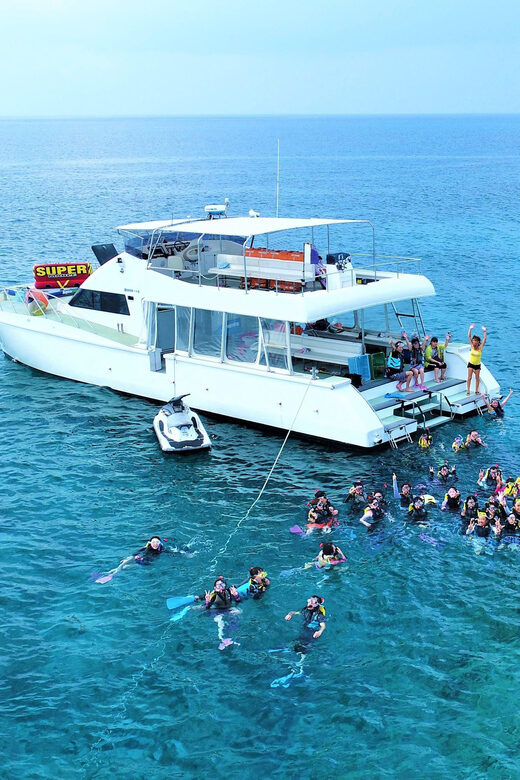
At $54 per person, you’re paying for a bundled package: boat transfer, snorkeling equipment, life jacket, and insurance. That can be excellent value compared with piecing together separate rentals, transport, and safety gear.
But value depends on your priorities. If your priority is coral-and-fish snorkeling with minimal planning, this half-day structure is practical. You get a short trip that doesn’t eat your whole day in Okinawa.
If your priority is freedom—snorkeling at your own pace, exploring without staying close to the boat, avoiding onboard sales pressure, and having everything clearly explained in English—then the same $54 can feel less attractive. The tour’s guided nature and the expectation of structured snorkeling are part of the package, even if some people find those parts annoying.
So here’s the straight advice: book it if you want a simple, safe, guided snorkeling block. Skip it or ask questions first if you need lots of personal space, English-led detail, or freedom to wander.
Who this Kerama snorkeling trip fits best
This tour is a great match for:
- Beginners who want full gear and a crew that keeps you together.
- Late risers or people who don’t want a full-day excursion.
- Casual snorkelers who mainly want to see fish, coral, and the Kerama water without complex planning.
It’s likely a poor match for:
- People who must snorkel independently and hate being kept close to the boat.
- Non-swimmers, anyone with relevant medical limits, or those who don’t tolerate safety gear like life jackets.
- People with strong sensitivity to smoking, diesel odor, or boat motion.
Should you book the Half-Day Snorkeling Trip to Kerama?
I’d book it if you want a short, structured way to reach Kerama Blue from Naha and you’re comfortable with guided snorkeling rules. The included equipment and safety setup make it easier than doing it all yourself, and the half-day timing is practical.
I would hesitate if you’re sensitive to onboard comfort issues like fuel smell, smoke exposure, or you strongly dislike sales pressure for add-ons. Also think twice if English support is a must-have for you; language support can be helpful, but it isn’t guaranteed the same way for everyone.
FAQ
FAQ
How long is the snorkeling tour?
The tour is about 3 hours total.
How much does it cost?
The price is $54 per person.
Where do I meet for the tour?
The meeting point is Miegusuku Port. If you drive, you can use Naha Beachside Hotel in your GPS and continue straight to the parking lot.
Do I need to bring snorkeling gear?
No. All necessary snorkeling equipment is included, along with life jackets.
What should I bring?
Bring swimwear, a towel, and a change of clothes.
Are meals included?
No. Meals and drinks are not included.
Is hotel pickup included?
No. Hotel pickup and drop-off are not included.
Are life jackets required?
Yes. For safety, when you enter the sea you must wear a life jacket.
Can children join?
No. The tour is not suitable for children under 6 years.
Is it suitable for non-swimmers?
No. It is not suitable for non-swimmers.
FAQ
Is there an English option on the tour?
The tour language is Japanese, but English instructions may be prepared. How smoothly English is handled can vary.
Are optional activities available?
Yes. Optional add-ons listed include banana boating, jet skiing, and sea turtle exploration.
What happens if marine conditions are bad?
The tour may be altered or canceled due to marine conditions, and you’ll be informed as soon as possible.
Is alcohol allowed?
No. Alcohol and drugs are not allowed, and participation isn’t allowed if you’re intoxicated or hungover.