REVIEW · TOKYO
Private Ueno Park Architecture Tour
Book on GetYourGuide →Operated by Showcase Tokyo Architecture Tours · Bookable on GetYourGuide
Ueno Park turns Tokyo architecture into an easy walk. I like how this tour strings together modern Japanese design from the late 1800s to today, without making it feel like a textbook. I also love the built-in structure: you start at a major landmark, then move stop-by-stop through key buildings, including Tokyo National Museum. One thing to consider is that 3.5 hours can feel tight if you stop often to read details or want extra time inside museums.
You’ll meet your guide in front of the National Museum of Western Art, a Le Corbusier–designed showpiece that UNESCO recognized in 2016. From there, you’ll visit Tokyo Bunka Kaikan, the International Library of Children’s Literature, and several Tokyo National Museum buildings that reflect different eras. If you choose the night option, the same architecture can look completely different, which is a fun bonus. The tour ends back at the meeting point, so you don’t need to plan logistics on your feet.
In This Review
- Key points I’d plan around
- Le Corbusier to Meiji-era echoes in one park walk
- Price and logistics that actually matter (so you don’t overspend)
- Meet-up at the National Museum of Western Art: the Le Corbusier anchor
- What to look for at this stop
- Special note if you visit during closure
- Tokyo Bunka Kaikan: Maekawa’s respect for his mentor, in plain sight
- Why this stop is worth your time
- International Library of Children’s Literature: preservation plus a new arch annex
- What to notice as you walk around
- Tokyo National Museum stops: four buildings, four architectural eras (1908–1999)
- How to make the most of it
- What if you can’t go inside?
- Night tours: same buildings, different mood and angles
- How 3.5 hours feels on the ground (and how to plan your day)
- Why the route feels different from typical Tokyo shopping streets
- Who should book this private architecture tour
- Should you book? (My straight recommendation)
- FAQ
- Where does the tour start and end?
- How long is the Private Ueno Park Architecture Tour?
- How much does it cost?
- What’s included in the price?
- What’s not included?
- What language is the tour guide?
- Can I visit the National Museum of Western Art during the stated closure period?
- Is this tour private?
- Is there free cancellation?
- Is there a night option?
Key points I’d plan around
- Le Corbusier first, not last: the tour starts at his National Museum of Western Art, so the pace and context are set immediately.
- Maekawa’s mentor story in real buildings: Tokyo Bunka Kaikan connects to Kunio Maekawa’s respect for Le Corbusier through design choices you can see.
- Children’s library renovations you can actually notice: you’ll focus on preservation, renovation work, and a new arch-shaped annex.
- Tokyo National Museum’s architectural time ladder: you’ll look at Hyokei-kan, Hon-kan, Toyo-kan, and the Gallery of Horyuji Treasure across eras from 1908 to 1999.
- Night viewing for different angles: the same masterpieces can feel calmer and more dramatic after dark.
- A private, question-friendly guide: your group stays small, and your guide can answer your questions as you go.
Le Corbusier to Meiji-era echoes in one park walk
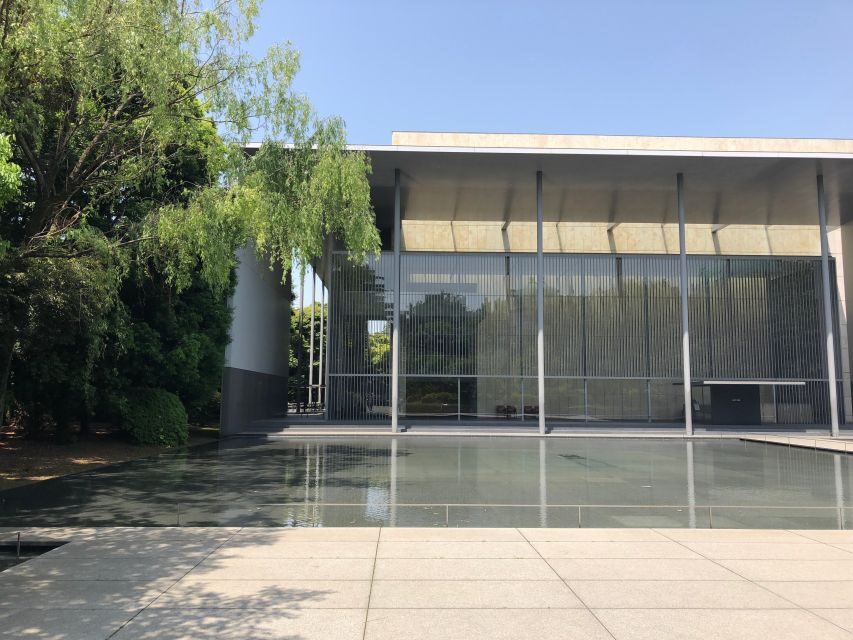
Ueno Park is one of those Tokyo places where “park” is the easy label. In practice, it’s an organized cluster of museums and cultural buildings, and that makes it ideal for an architecture-focused tour. The best part of this experience is that you get a guided route that links modern design history across time, so you’re not just taking photos of pretty facades—you’re learning what the buildings are trying to do.
Two things stand out to me. First, you start at the National Museum of Western Art, so the big-picture theme lands fast: modernism in Japan has a clear international conversation. Second, your guide ties the stops together so you understand why each building matters, not just what it looks like. The tour also includes a drinks break, which sounds small, but it helps when you’re walking and watching details for hours.
You can also read our reviews of more private tours in Tokyo



Price and logistics that actually matter (so you don’t overspend)
At $158 per person for about 3.5 hours, this isn’t a “cheap and casual” outing. It’s priced like a private architecture tour, with a real guide and museum admission built in. For me, the value comes from what’s included: you get an English-speaking guide, admission fee to Tokyo National Museum, and a break with drinks.
What’s not included is hotel pickup and drop-off, so you’ll want to plan to arrive at the meeting point on your own. The route also ends back at the start, which is convenient. If you’re staying in the Ueno/Okachimachi area, you’ll likely feel like you’re simply walking between a handful of major landmarks.
Meet-up at the National Museum of Western Art: the Le Corbusier anchor
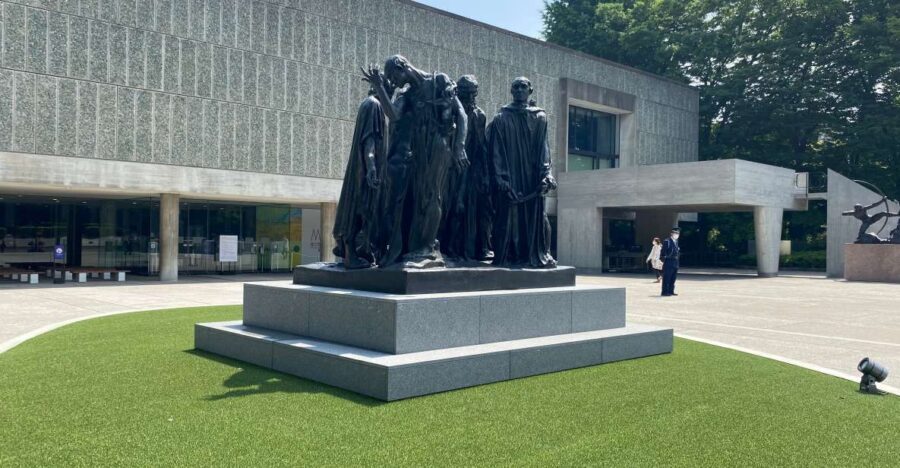
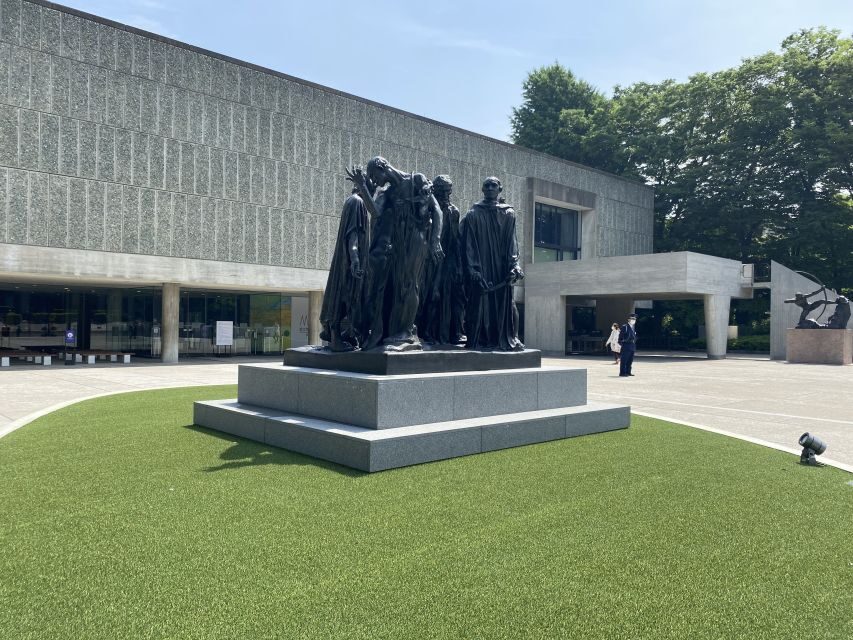
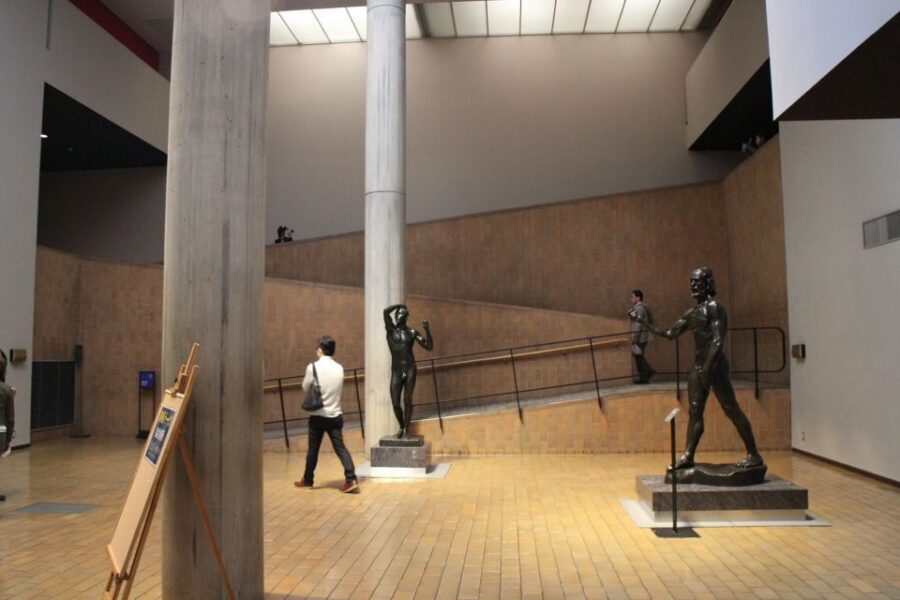
Your tour begins right in front of the National Museum of Western Art at Uenokōen (Uenokōen 7-7, Taitō-ku). This is a smart choice because it’s the headline stop: Le Corbusier–designed architecture, with UNESCO World Cultural Heritage recognition in 2016 for its modern architectural value.
If you care about the “why” behind architecture, this first stop helps you read the rest of the tour. You’re not just visiting buildings in a random order. You’re starting from a known modernist landmark, then using the next buildings to understand how Japanese architects responded to that influence.
What to look for at this stop
You’ll spend time orienting yourself here before moving on. The guide’s job is to help you connect features you can see to architectural intent—especially helpful if you don’t have formal design training. Even if you’re more into art museums than architecture, you’ll still get something useful: a framework for noticing structure, proportion, and how buildings shape the way people move through space.
Special note if you visit during closure
There’s an important scheduling caveat: from 23 Jan 2023 to 28 Feb 2023, the National Museum of Western Art is closed. During that period, the tour won’t go inside, but guidance is provided outside. If you’re traveling in a similar window in the future, it’s worth double-checking museum schedules so you’re not surprised by an outdoor-only experience.






Tokyo Bunka Kaikan: Maekawa’s respect for his mentor, in plain sight
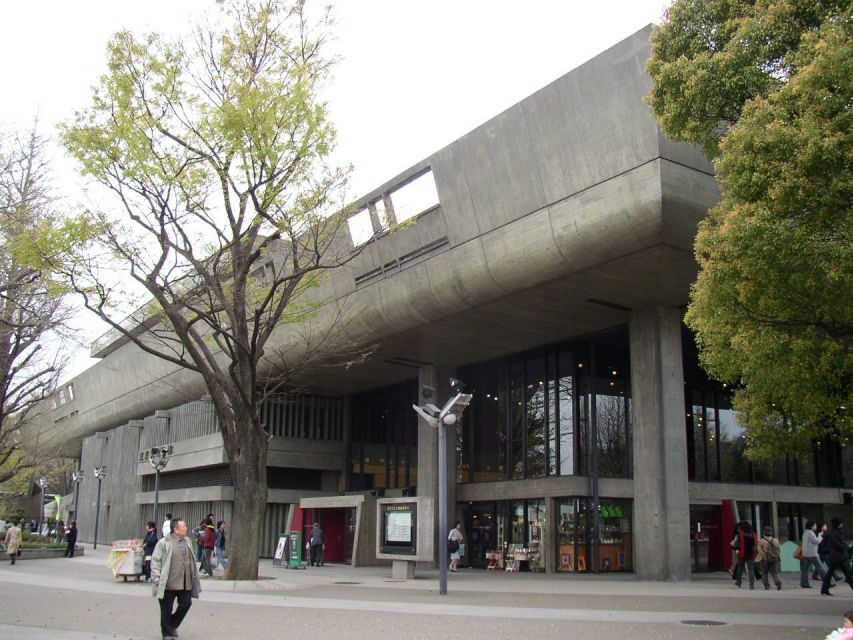
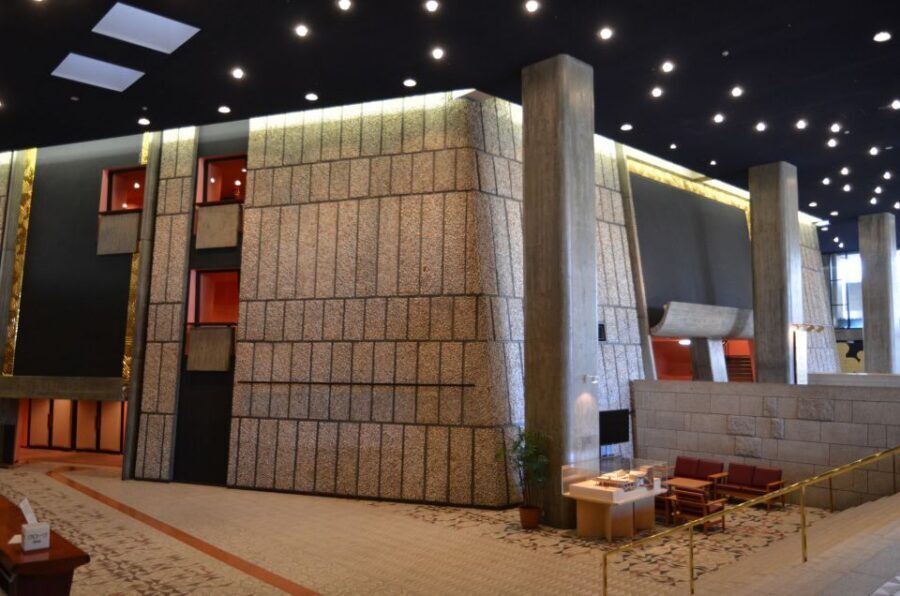
After Le Corbusier, the tour moves to Tokyo Bunka Kaikan, designed by Kunio Maekawa. It’s located just opposite the Le Corbusier museum, which makes the comparison effortless. You’re effectively standing in a design conversation across continents and years.
Maekawa is one of the key names in this story, and this stop is where that storyline becomes physical. Tokyo Bunka Kaikan is described as being designed by one of Le Corbusier’s local apprentices, and the tour specifically frames it as an expression of respect for his mentor. That phrasing matters because it hints that this isn’t imitation for imitation’s sake. It’s influence filtered through a Japanese architect’s approach.
Why this stop is worth your time
This is the moment when the tour feels most like “architecture history,” not just museum-hopping. If you’ve ever wondered how international ideas get transformed locally, this is a good place to find clues. The building gives you something to compare immediately with what you just saw across the street.
Also, because the locations are close, you don’t lose your attention on transit. That keeps your mental focus on architectural details—the stuff you’re actually here for.
International Library of Children’s Literature: preservation plus a new arch annex
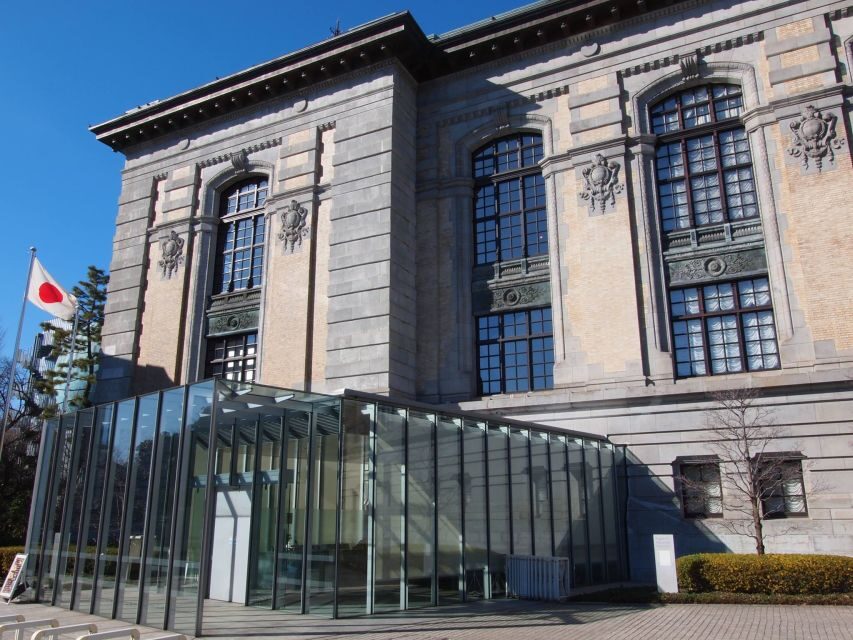
Next up is the International Library of Children’s Literature, a stop that breaks the pattern of visiting only large museum institutions. It adds a different flavor to the tour: you get a close look at how cultural spaces are maintained, updated, and expanded.
This is where the guide focuses on the practical side of architecture. You’ll observe preservation and renovation work, plus a new arch-shaped annex building. That combination is interesting because it shows a real architectural question modern cities face: how do you keep older structures meaningful while giving them new capacity and function?
What to notice as you walk around
Pay attention to how the renovations relate to older parts. The tour is aimed at helping you see continuity versus change—where new work complements existing design, and where it intentionally contrasts. If you only think of architecture as something built from scratch, this stop adds an important counterpoint.
It also gives your eyes a reset. By the time you reach the larger museum buildings at Tokyo National Museum, you’re better prepared to see how era-specific styles show up in massing, materials, and layout.
Tokyo National Museum stops: four buildings, four architectural eras (1908–1999)
The final major site is Tokyo National Museum, where you can admire four distinct architectural works:
- Hyokei-kan
- Hon-kan
- Toyo-kan
- Gallery of Horyuji Treasure
Here’s the tour’s payoff if you like clear historical structure. These buildings reflect different eras of background between 1908 and 1999, and the guide helps you connect each building to what its time period was dealing with. Even without a deep architecture degree, you’ll likely find this easier than studying a timeline from a book, because you’re seeing the physical differences lined up in one area.
How to make the most of it
Since the included admission covers Tokyo National Museum, this is where you’ll want to slow down mentally. I’d treat these as separate “chapters,” not one big compound. The names alone can help you keep track, but the guide’s job is to make the eras understandable through building choices.
Also, at the end of the tour, you can explore the collections at your own pace. That’s a nice balance: you get guided context first, then freedom afterward.
What if you can’t go inside?
If your dates overlap the closure period mentioned earlier for the National Museum of Western Art, that affects the first stop only. The Tokyo National Museum visit is still part of the standard plan, since admission is included. Still, always check museum hours before your day so you’re not planning around locked doors.
Night tours: same buildings, different mood and angles
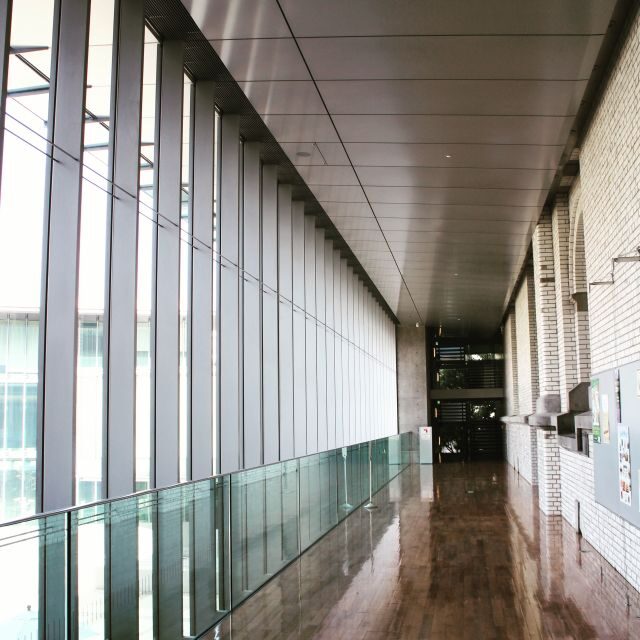
One of the highlights listed for this experience is the option to take the tour at night. I like this idea because architecture often looks different after dark. Daylight emphasizes form and texture; night lighting can emphasize edges, rhythm, and how buildings sit in open space.
If you choose evening, expect the tour to feel more cinematic. You may also find it easier to focus on lines and silhouettes, because bright daytime details can sometimes distract from proportion and structure. The best use of a night tour is when you’re comfortable moving around at a slower pace and you want atmosphere as part of the learning.
How 3.5 hours feels on the ground (and how to plan your day)
This tour is 3.5 hours, which is both a strength and the main drawback. The strength is that it’s long enough to connect multiple sites: Le Corbusier, Maekawa, a children’s literature library, and Tokyo National Museum’s key buildings. The drawback is that you might feel you want more time at one stop—especially if you enjoy reading plaques, taking photos, or you’re the type to linger at entrances.
You’ll spend time at each location, moving through the park in a structured order. There’s also a break time with drinks, which helps keep the pacing comfortable. In other words, it’s not a marathon march with no reset.
Practical tip: plan your other commitments with buffer time after the tour. Even if the itinerary ends back at the meeting point, you may decide to extend your museum time since you’ll have context once you’re inside.
Why the route feels different from typical Tokyo shopping streets
It’s easy to think Tokyo equals shopping streets and crowds. This tour steers you away from that idea in a helpful way. Instead of time spent in retail lanes, you’re focused on buildings—how they work, how they’re arranged, and how design reflects cultural priorities.
That matters for value. If you’ve already done mainstream neighborhoods, this is a way to get something more specific and less repetitive. It’s also a better fit if you like structure and design over quick impulse stops.
Who should book this private architecture tour
This is a great fit if any of these sound like you:
- You want an architecture-focused walk without planning a route yourself.
- You like modern design history and want it tied to real Tokyo buildings.
- You prefer a private format where you can ask questions and adjust your pace.
- You’re visiting Ueno Park anyway and want a guided “meaningful order” for what to see.
It also suits first-time private tour takers. In reviews, people specifically mentioned enjoying their first private tour and praising how well the guide communicated in excellent English while answering questions. One guide name came up clearly: Mari. People described Mari as warm and funny, and they highlighted her experience and passion for Ueno’s architecture, plus her ability to keep the tour fun while still covering a lot.
If you’re traveling with family, the stops include the International Library of Children’s Literature, so it can feel less strictly museum-only. That said, the core is architecture and museum buildings, so it’s still best for adults and older kids who enjoy structured sightseeing.
Should you book? (My straight recommendation)
If you want an architecture tour that covers real landmarks in a tight 3.5-hour loop, I think you should book. The starting point at the Le Corbusier National Museum of Western Art gives you instant context, and the route keeps building that context through Maekawa’s Tokyo Bunka Kaikan, the library’s renovation and arch annex, and Tokyo National Museum’s four era-linked buildings.
I’d only hesitate if you hate structured tours or you’re the type who needs a long time inside each museum. In that case, you might feel rushed. But if you’re happy with a guided “what you’re seeing and why it matters” approach, this private format is a strong value.
FAQ
Where does the tour start and end?
The tour starts in front of the National Museum of Western Art (Uenokōen 7-7, Taitō-ku, Tōkyō-to 110-0007, Japan) and ends back at the meeting point.
How long is the Private Ueno Park Architecture Tour?
The duration is 3.5 hours.
How much does it cost?
The price is $158 per person.
What’s included in the price?
Included: admission fee to Tokyo National Museum, an English-speaking guide, and a break time with drinks.
What’s not included?
Not included: hotel pickup and drop-off.
What language is the tour guide?
The tour offers a live guide in Japanese and English, and the included guide is English-speaking.
Can I visit the National Museum of Western Art during the stated closure period?
From 23 Jan 2023 to 28 Feb 2023, it will be closed, so the tour can’t visit inside. Guidance will be given outside during that time.
Is this tour private?
Yes, it’s a private group.
Is there free cancellation?
Yes, there is free cancellation up to 24 hours in advance for a full refund.
Is there a night option?
The tour can be taken at night, which lets you appreciate the architectural masterpieces from a different perspective.