REVIEW · TOKYO
Shibuya: Pachinko Gaming Experience
Book on GetYourGuide →Operated by Horizon GK · Bookable on GetYourGuide
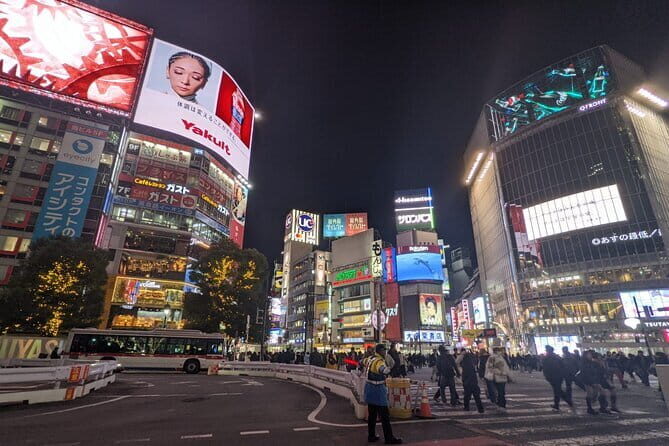
Shibuya lights hit different once you learn the game. This one-hour, small-group tour shows you pachinko culture right where it’s loud, fast, and very Japanese. You’ll get the basics plus the why behind the machines.
I like two things right away: the guide support is practical, with English explanations, translation and interpretation, and real time for questions. And since the group is capped at 3, you’re not stuck watching from the back row. People also describe guides as patient, including one named Ing who stayed upbeat when learning starts paying off.
One thing to plan for: the $19 price covers the tour and guidance, not your pachinko spending. You’ll also handle drinks yourself, and the activity isn’t suitable for kids under 18.
In This Review
- Key things to know before you go
- Finding the Tour Fast: Hachikō, the Lottery Booth, and the Blue Tablet
- Why Pachinko in Shibuya Feels Like More Than a Game
- One Hour, Up to 3 People: How the Group Size Shapes Your Experience
- Step-by-Step Rules Help: From Balls to Launching
- Inside the Parlor: Lights, Noise, and Learning Etiquette
- Pachinko History, Explained in Human Terms
- Cost Reality Check: Is $19 Worth It for a First Pachinko Try?
- Who This Tour Suits Best (And Who Might Feel Out of Place)
- How to Make the Most of Your 1-Hour Session
- Should You Book This Shibuya Pachinko Experience?
- FAQ
- Where is the meeting point?
- How early should I arrive?
- What happens if the guide doesn’t show up?
- How long is the tour?
- Is the pachinko gaming fee included?
- Does the tour include translation or interpretation?
- Is the tour suitable for kids?
- Is it wheelchair accessible?
Key things to know before you go
- Meet at Hachikō, right side near the lottery ticket booth, in front of it with a blue tablet.
- One hour total with a live English guide, limited to 3 participants.
- Learn how to buy balls, launch them, and follow the game rules with help so you don’t get stuck.
- Get context on pachinko’s arc from early 20th-century pinball-style ideas to today’s machines.
- The pachinko fee and drinks are on you, so budget a little extra.
Finding the Tour Fast: Hachikō, the Lottery Booth, and the Blue Tablet
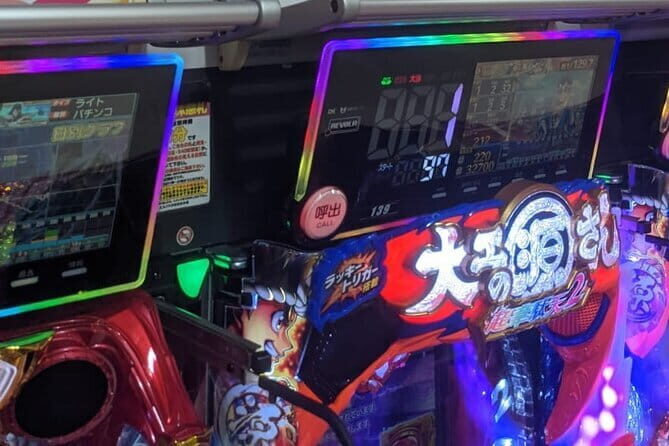
Your best friend here is being early and specific. Meet your guide near the Hachikō Memorial Statue, on the right side. Right next to it you’ll see a lottery ticket booth, and the guide will wait in front of that booth.
Look for the blue tablet. That’s your visual cue if the crowd makes everything blend together. I’d aim to arrive about 5 minutes early so you’re calm, not hunting for a person with a blue screen while Shibuya does its thing.
If the guide doesn’t appear, the instructions say to treat it as a no-show after 20 minutes, and to contact them directly if you’re lost. That matters because this tour is short—only 1 hour—so you don’t want to lose time at the start.
You can also read our reviews of more tours and experiences in Tokyo.



Why Pachinko in Shibuya Feels Like More Than a Game
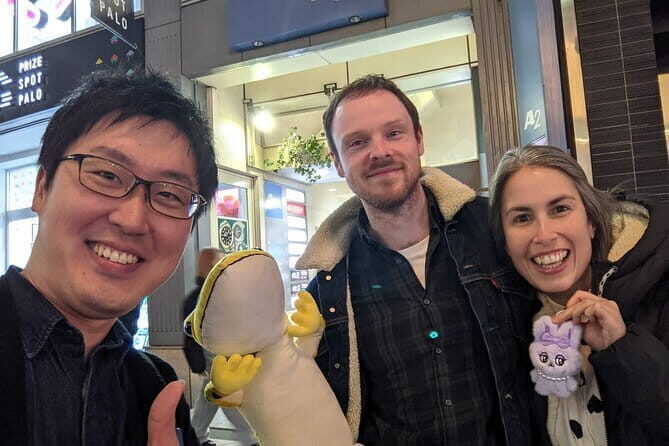
Pachinko is a game, yes—but it’s also a social habit and a slice of Japanese pop culture you can’t fully understand from a quick photo.
This tour gives you two angles at once. First, you get the game basics: you’ll learn what you’re doing and why. Second, you get a sense of where the game fits in daily life. As you walk through Shibuya, you’ll see how pachinko parlors have become a real part of subculture—not just a tourist stop.
You’ll also get history context, in plain language. Pachinko traces back to the early 20th century, originally inspired by Western pinball-style ideas. Over the years, it evolved into the modern experience you see today: mechanical roots mixed with today’s machine design and lights.
That history isn’t there to bore you. It helps you interpret what you’re seeing when you’re standing inside a parlor—why the machines look like they do, and why the culture around them stayed strong for nearly a century.
One Hour, Up to 3 People: How the Group Size Shapes Your Experience
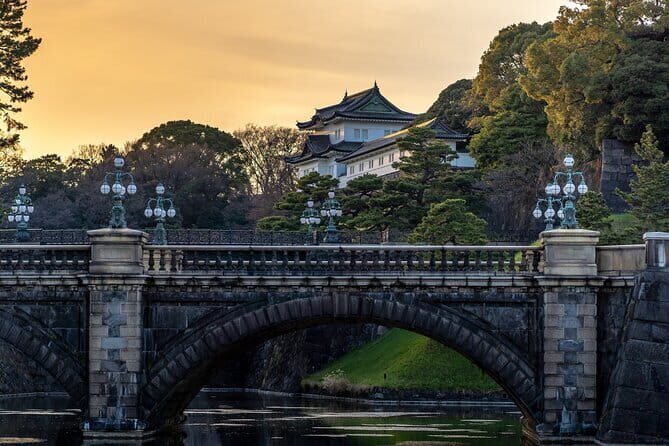
This is the kind of tour where group size changes the whole vibe.
With a max of 3 participants and a live English guide, you’ll have room to ask the questions that usually pop up when you’re trying something new. That’s a big deal with pachinko, because the environment is fast, noisy, and full of controls you might not recognize.
The tour is designed to prevent the most common first-timer stress: looking uncertain while others keep playing. In practice, that means you’ll be guided through the rules and key steps before you’re left alone with the machine.
It also means pacing stays human. One review noted there was enough time for questions. That lines up with what a small group format is good at: nobody gets rushed out of confusion.
Step-by-Step Rules Help: From Balls to Launching
Once you’re inside a pachinko parlor, the tour shifts from context to hands-on instruction.
You’ll learn the core setup:
- purchasing your first set of metal balls
- understanding how the machine expects you to launch them
- following the game’s basic flow as the play starts
And you won’t just be pointed at a machine and told good luck. The guide provides rules explanations and help with translation and interpretation, so you can actually connect what the machine is doing to what you’re doing.
You’ll also receive tips aimed at improving your chances—specifically guidance on aiming for a jackpot and how to maximize your winnings. I’d treat this as coaching, not a guarantee. Pachinko is still a game of outcomes, and machines are designed to keep things entertaining rather than perfectly predictable. But getting the basics right early is exactly how you avoid wasting money on random button pushing.
Practical mindset you’ll want:
- set a personal limit before you start
- focus on learning the motion and timing first
- don’t chase frustration; follow the guide’s advice and adjust once
That keeps the experience fun instead of stressful.
Inside the Parlor: Lights, Noise, and Learning Etiquette
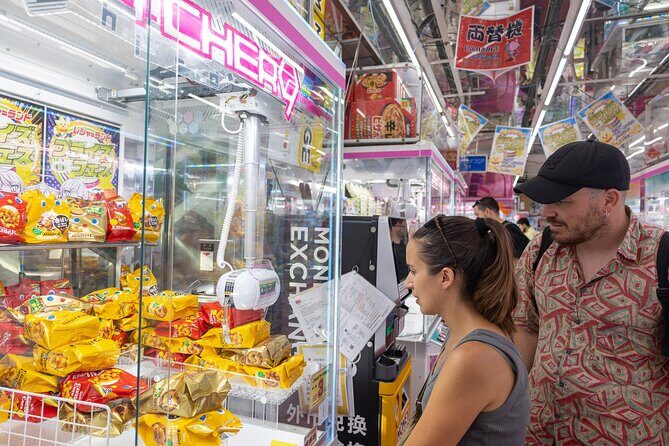
Pachinko parlors are a sensory event. Expect bright lights, constant sound, and machines moving in different rhythms.
This is where the tour’s goal—avoid embarrassing playing—becomes more than a funny line. If you’ve never used the controls before, it’s easy to look lost. The guide helps you get your bearings quickly, so you can play without standing around.
There’s also a cultural element: you’re not just in a room of gamblers. People treat the parlor like entertainment, and the machines are their focus. So it helps to play with a calm, orderly approach: pay attention to what the machine is showing, wait for the moment the game asks for your action, and keep your area clear.
One review called out how the people were positive and patient. That’s good news for you. If you ask questions and move step-by-step, you’re less likely to feel like you’re getting in the way.
If you want to get the most from this part, listen to the guide’s instruction once, then watch what your machine is doing while you practice. That short loop—listen, try, confirm—usually saves money and confusion.






Pachinko History, Explained in Human Terms
The history segment is brief, but it’s useful because it gives you context for what pachinko means in Japan.
You’ll hear that pachinko originated in the early 20th century and grew from a pinball-like concept. Then, over time, it transformed into a modern, high-tech experience—complete with today’s flashy machine designs.
Why does that matter for you? Because it changes how you interpret the parlor.
- You’re not just looking at a game; you’re seeing a long-running Japanese entertainment tradition.
- You’re not just learning controls; you’re learning how a culture adopted and upgraded a familiar idea.
When you understand that arc, you tend to enjoy the machine more. You stop viewing it as a complicated mystery and start treating it like an interface with a story behind it.
Cost Reality Check: Is $19 Worth It for a First Pachinko Try?
Let’s talk value honestly.
The tour is $19 per person for 1 hour. What you’re paying for is:
- a guided introduction to pachinko
- explanation of the rules
- translation and interpretation
- help so you don’t feel lost while starting
What’s not included:
- the pachinko gaming fee
- drinks
That means your final cost depends on how long you play and what you spend once you’re at the machine. If you’re new, you may want to budget extra so you can practice the basics without feeling you’re burning money.
Here’s where the math often works in your favor: if you’ve never played, the cost of figuring it out alone can easily exceed the difference between “trying” and “actually understanding.” A guide compresses that learning curve. You get confidence faster, and you’re more likely to have a good first session.
Also, the small group size is part of the value. If there were 10 people, you might wait your turn. With up to 3, you’re usually close enough to get help when you need it.
Who This Tour Suits Best (And Who Might Feel Out of Place)
This is a good fit if:
- you want a first-time-friendly pachinko introduction
- you care about Japanese subculture beyond quick sightseeing
- you prefer small groups where questions are welcome
- you want an English guide for rules and interpretation
It’s not suitable for children under 18, so plan for an adult experience.
Wheelchair accessibility is listed, which is helpful if you’re traveling with mobility needs. The activity length is short, so you’re not committing to a long endurance event—just an hour of focused instruction and play.
How to Make the Most of Your 1-Hour Session
Because the tour is only an hour, you’ll get more out of it if you show up ready.
Here’s what helps most:
- arrive on time at Hachikō so you don’t compress your learning
- listen to the guide once, then practice using their step-by-step guidance
- ask your questions early, not after you’re already frustrated at the machine
- decide in advance how you want to spend your gaming fee so you don’t lose track of your budget
From the feedback, guides are described as clear and optimistic when learning goes well. That matches the tour’s structure: learning rules, giving tips, then letting you apply them with support close by. With the right mindset, you’ll leave feeling like you understand what you watched and played.
Should You Book This Shibuya Pachinko Experience?
I’d book it if you’re:
- curious about pachinko culture and want the rules explained clearly
- okay paying the extra pachinko gaming fee separately
- traveling with a small-group preference (max 3 keeps it personal)
Skip or rethink it if you’re:
- expecting the $19 to cover your actual playing budget
- traveling as a kid (this isn’t suitable under 18)
- the type who can’t reliably meet on time. The tour is short, and the meet-up is specific: Hachikō right side by the lottery ticket booth, with the guide holding a blue tablet.
If you want Shibuya to feel like more than scenery—if you want to understand the game behind the flashing lights—this is a straightforward way to do it with real help in your language.
FAQ
Where is the meeting point?
Meet near the Hachikō Memorial Statue on the right side, in front of the lottery ticket booth. The guide will be holding a blue tablet.
How early should I arrive?
Please arrive about 5 minutes before the tour start time.
What happens if the guide doesn’t show up?
If the guide has not appeared after 20 minutes, it’s treated as a no-show. If you get lost, contact the provider directly.
How long is the tour?
The tour lasts 1 hour.
Is the pachinko gaming fee included?
No. The pachinko gaming fee is not included in the $19 price.
Does the tour include translation or interpretation?
Yes. Translation and interpretation are included.
Is the tour suitable for kids?
No. It’s not suitable for children under 18.
Is it wheelchair accessible?
Yes, wheelchair accessibility is listed.