REVIEW · NAHA
Naha Makishi Public Market : Sushi making experience
Book on GetYourGuide →Operated by RYUKYU-MONO · Bookable on GetYourGuide
A sushi lesson with a market walk? That’s the best part. This class in Naha’s Makishi Public Market takes you from fresh fish counters to rolling your own sushi, then sitting down to eat it with the group. I especially liked how the food felt tied to the place you’re standing in, not like a generic cooking demo.
You also get a hands-on lesson focused on technique, and you finish by eating what you made. The one drawback to keep in mind is the price: at $161 per person, it can feel steep unless you’re genuinely excited about learning and eating a full sushi set, not just watching.
In This Review
- Key Things to Know Before You Go
- Makishi Public Market: Why This Sushi Class Starts With Fish
- Two Sessions in Naha: Choosing the 11:00 or 17:00 Slot
- Meeting Point: Find the Class on the 3rd Floor
- Inside the Market Tour: What You’ll Look For
- Sushi Making Lesson: Real Technique, Not Just Assembly
- The 8-Piece Sushi Plate and Okinawan Extras
- Sake and Beer: Optional Drinks, Real Social Energy
- Value and Price: Is $161 Worth It?
- Rules and Practical Stuff That Keeps It Smooth
- Who Should Book This Sushi Making Class
- Should You Book This Tour?
- FAQ
- Where do I meet for the sushi making experience?
- How long is the experience?
- What time slots are available?
- What’s included in the price?
- Are sake or beer included?
- Do they provide aprons for sushi making?
- Is this suitable for vegetarians or vegans?
Key Things to Know Before You Go
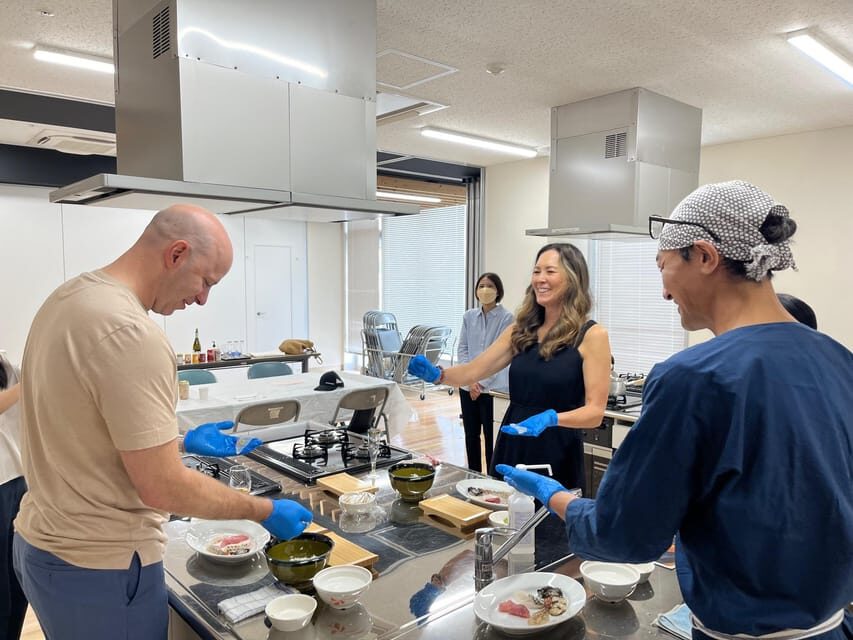
- Market-first format: you start by touring the fresh fish stores that supply the ingredients
- Hands-on sushi rolling: you make your own sushi, not just assemble a pre-made plate
- A real eat-together moment: you dine afterward with other participants
- 8 pieces of sushi included: plus red soup stock, gari, and green tea
- Optional drinks for grown-ups: sake and beer are sold separately for an extra fee
- English or Chinese support: one interpreter is assigned per event, and the class is wheelchair accessible
Makishi Public Market: Why This Sushi Class Starts With Fish
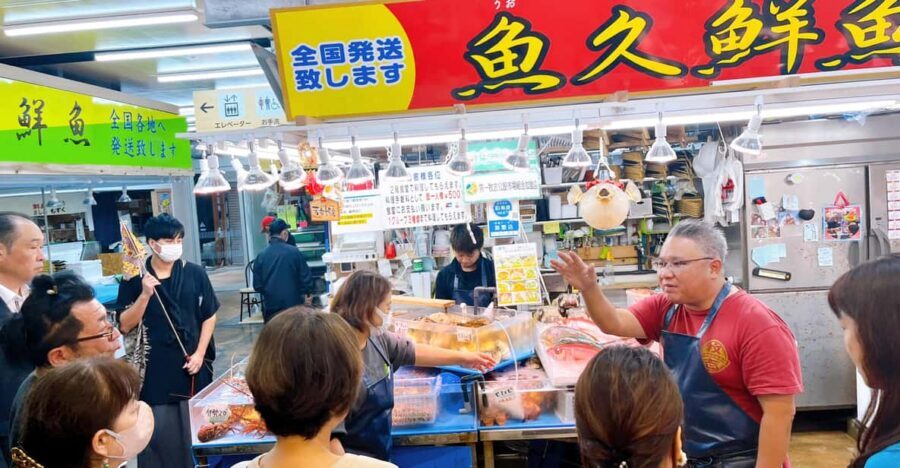
If you’ve ever taken a sushi class that starts at a kitchen bench, you know the feeling: it can seem disconnected from how sushi actually comes to your plate. Here, you begin in Makishi Public Market, where the key ingredients are being sold in real time. That changes everything.
You don’t just learn how to form sushi. You learn what you’re forming in the first place. You’ll see fresh fish for sale at the market counters used for the sushi set, so when your instructor talks technique, it lands faster. You’re not guessing. You’re connecting flavors to what you just looked at.
It’s also just a fun way to experience Naha. This is one of the few chances to combine a food market walk with a structured class built around Okinawan ingredients and sushi-making basics.
The vibe stays practical. You’re not being asked to memorize culinary theory. You’re learning how to handle ingredients and create the pieces you’ll eat next.
You can also read our reviews of more shopping tours in Naha
Two Sessions in Naha: Choosing the 11:00 or 17:00 Slot
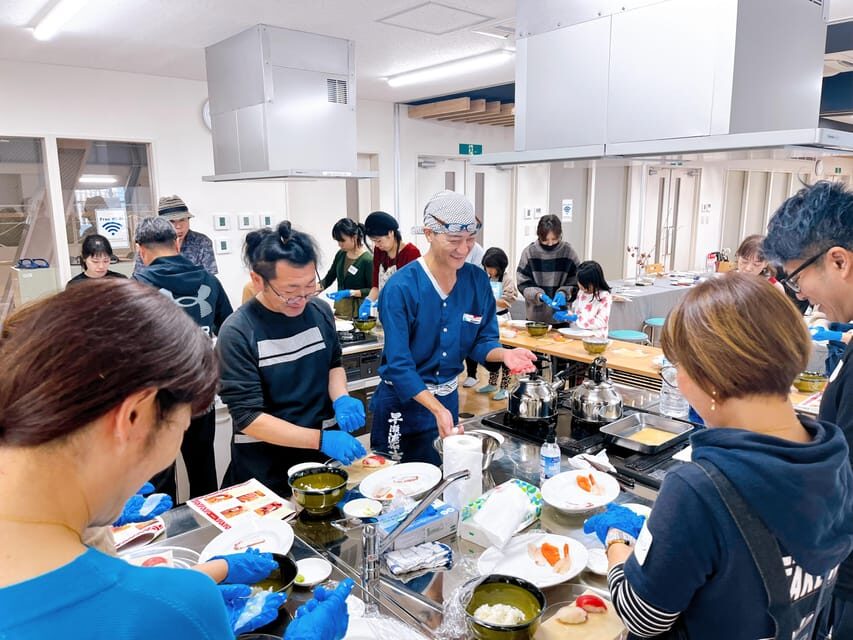
This experience runs every day, with two start times. Choose the one that fits your day and your appetite.
Morning session
- Reception around 11:00–11:30
- Market tour 11:30–12:00
- Sushi making 12:00–12:45
- Eating 12:45–14:00
Evening session
- Reception around 17:00–17:30
- Market tour 17:30–18:00
- Sushi making 18:00–18:45
- Eating 18:45–20:00
Both versions keep you busy for about 150 minutes total. The difference is the timing of the market tour and the mood of the meal. Morning tends to feel more daytime-light and quick. Evening can be more relaxed if you’re already exploring Naha later in the day.
If you’re worried about getting hungry between activities, the evening slot may be better for you. You’ll make sushi and eat afterward without much dead time.
Meeting Point: Find the Class on the 3rd Floor
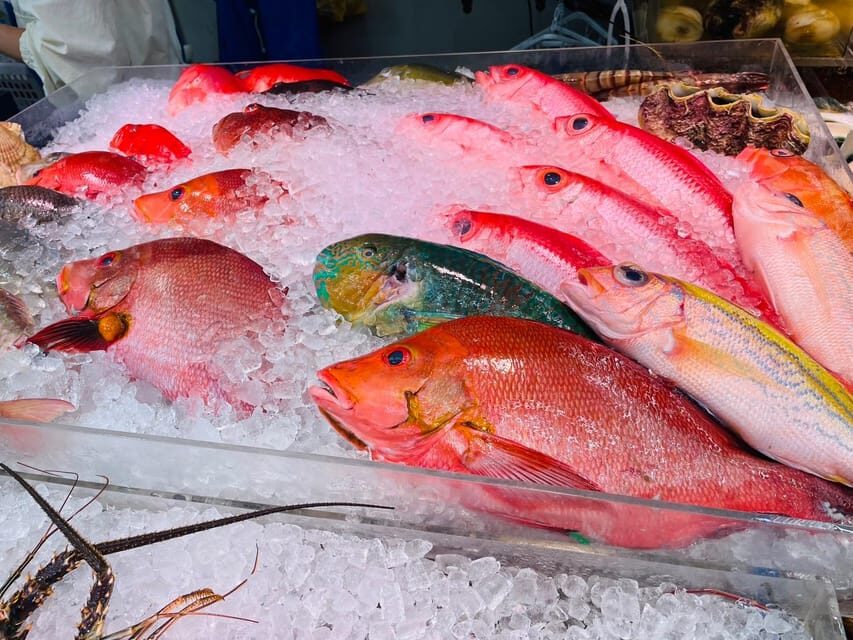
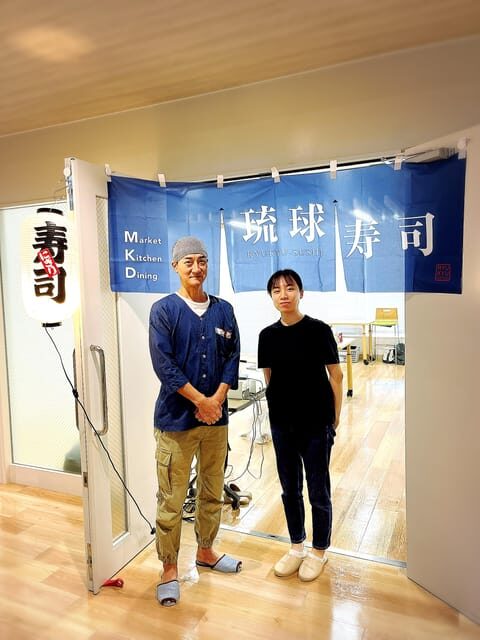
Meet at the 3rd floor of Makishi Public Market. That’s the key detail that saves you time and stress. Markets can be a maze, and you don’t want to burn your class minutes searching for the right hallway.
Once you’re there, reception starts about 30 minutes before the main activities. Plan to arrive about 10 minutes early, so you’re not rushing when the group gathers.
No fancy mystery here. Just get to the 3rd floor, check in, then join the group as the market tour starts.
Inside the Market Tour: What You’ll Look For
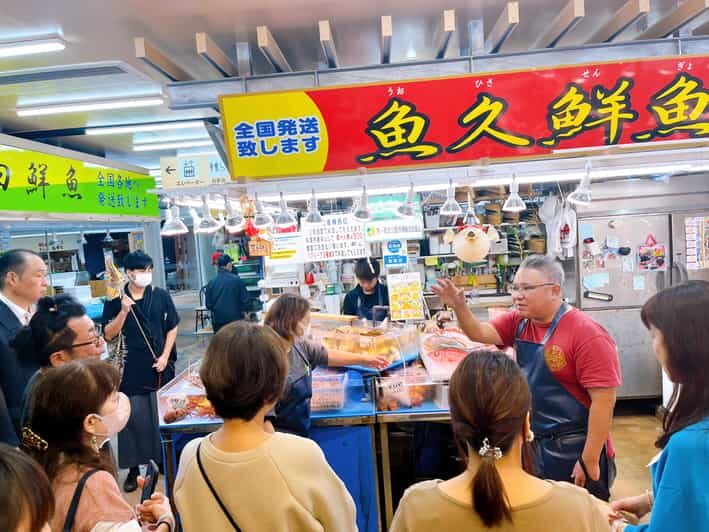
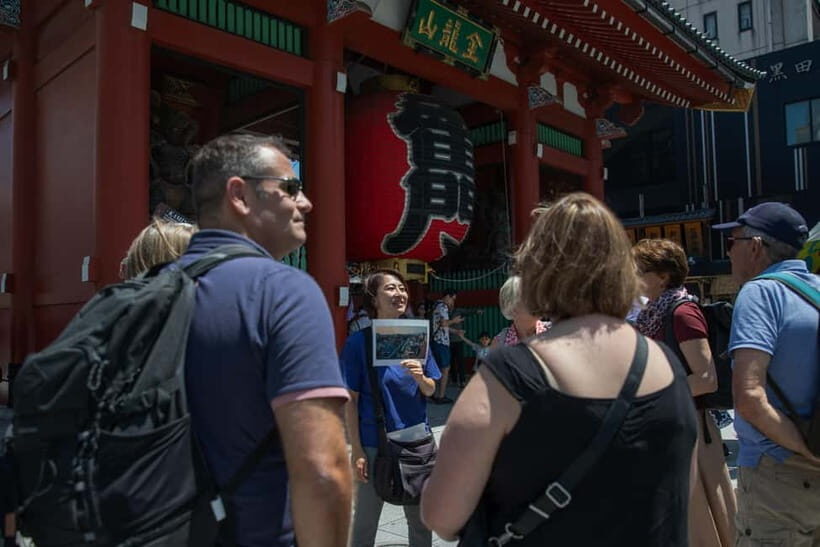
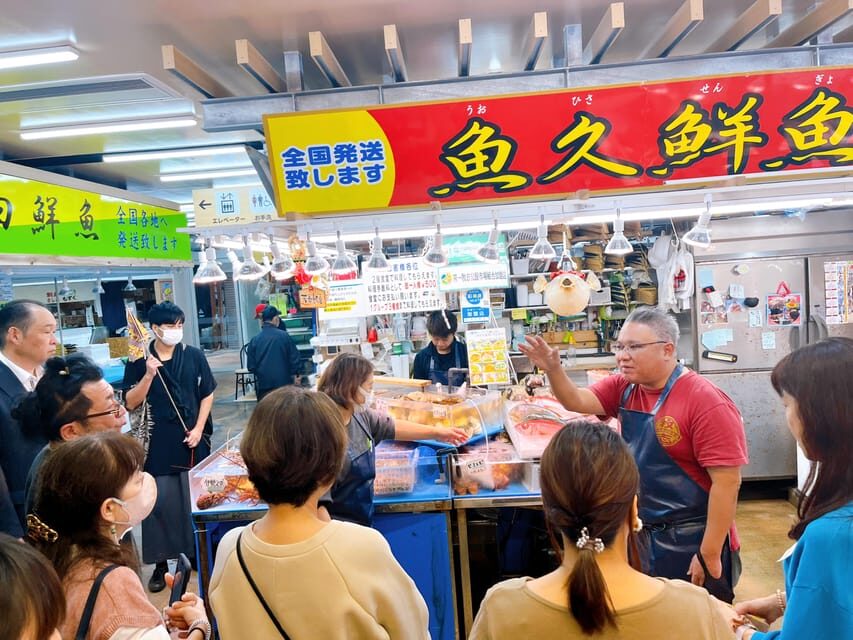
The market tour is short—about 30 minutes—but it’s purposeful. Your guide’s focus is on the fresh fish stores where the sushi ingredients come from. This is the moment where the class earns its value.
What I think you’ll appreciate most is that the tour isn’t just sightseeing. You’re seeing ingredients in the context of how they’ll be used. You’ll also be learning along the way, with an interpreter on hand if you’re choosing English or Chinese support.
A practical tip: wear shoes you don’t mind walking in. You’ll be moving through a market environment with normal people traffic. You don’t need hiking gear, but you do want comfortable footing for 30 minutes plus any time you spend finding the meeting room.
Also, expect that what you see can vary. Sushi ingredients can change depending on the season, so you might notice that the exact fish variety is not identical to what you’ve seen in sushi photos online.
Sushi Making Lesson: Real Technique, Not Just Assembly
After the market tour, you shift into the lesson. This is the part that makes the class more than a meal.
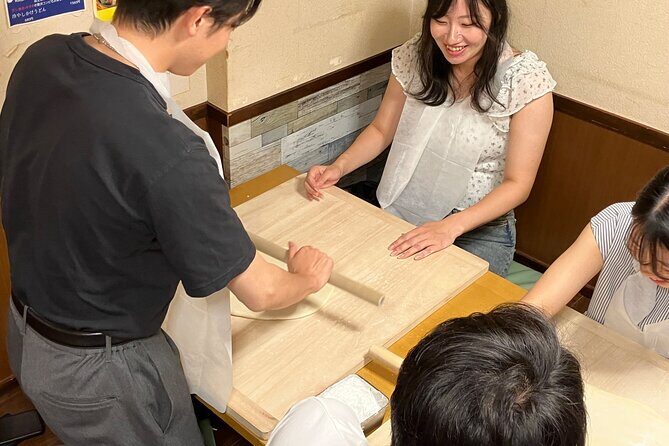
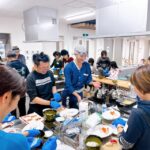
You’ll learn how to make sushi from your instructor, and you’ll actually produce your own sushi pieces. That “do it yourself” element matters. Sushi-making is mostly about control—rice handling, shaping, balance, and clean execution. Even if you don’t become a sushi pro by the end, you’ll likely leave with a better sense of what makes sushi sushi.
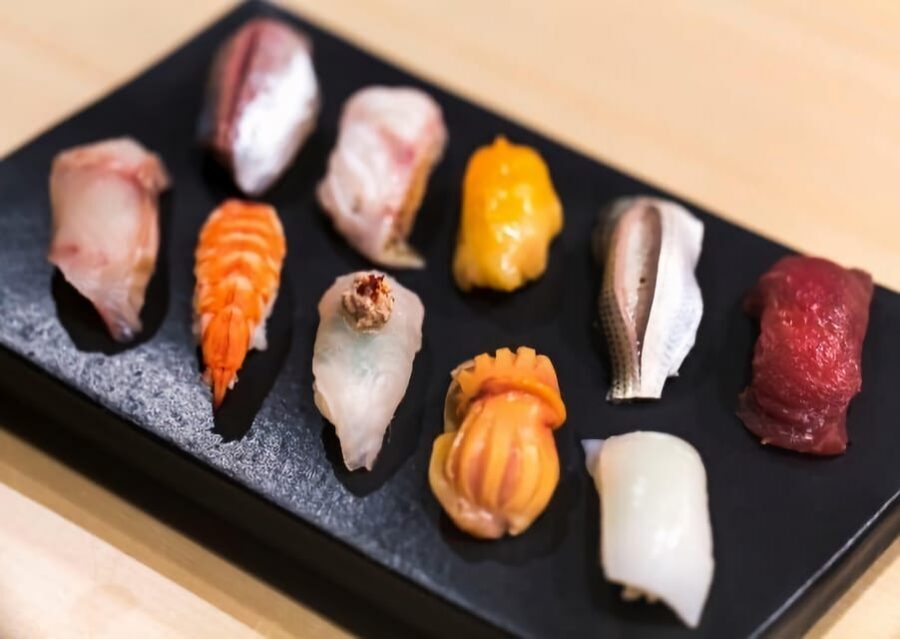
The class includes 8 pieces of sushi, and the menu can vary. You may see options such as:
- mibai
- red machi
- irabucha
- stew machi
- local bonito
- local tuna
- kubushimi
- salmon
You might notice the list leans into what’s available locally. That’s a big reason this works well in Okinawa: you’re not chasing imported substitutes. You’re working with what the market is sourcing.
Another practical note: aprons to use when making sushi are not provided. If you have one you like, bring it. If you don’t, don’t panic—you’ll still be able to participate—but it’s good to wear clothing you don’t mind getting a little messy during food prep.






The 8-Piece Sushi Plate and Okinawan Extras
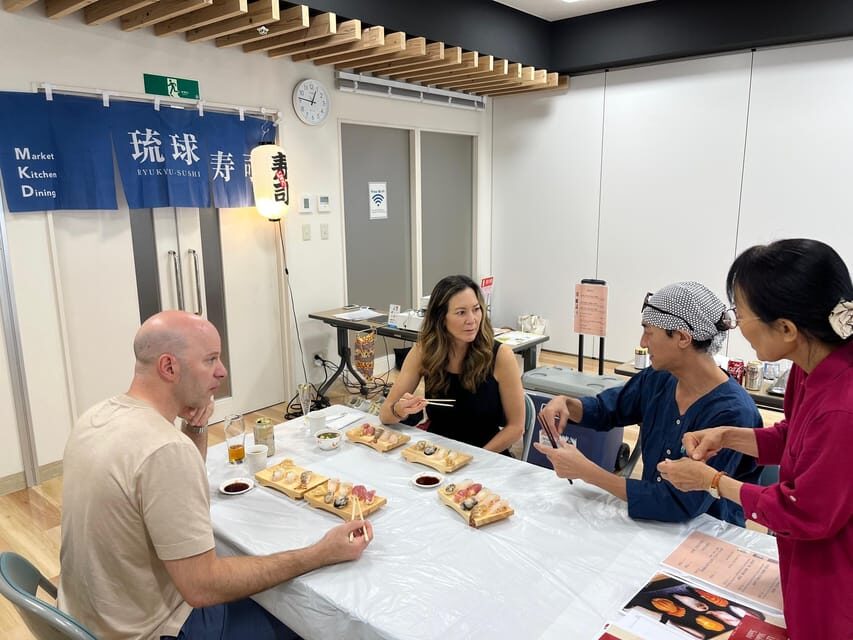
Once you finish making the sushi, you eat what you made with the event participants. This is one of those “small” details that people underrate. Eating the results right away means you can ask questions while the technique is still fresh.
In addition to the 8 pieces of sushi, the meal includes:
- red soup stock
- gari
- green tea
Those extras are part of the value because they round out the set. They also help you understand how sushi is served as a meal, not just a snack.
You’ll also receive an original tenugui towel, which is a nice souvenir that doesn’t feel like clutter. It’s the kind of item you can actually use.
If you’re the type who enjoys learning through eating, this format is a good fit. You’ll go from “hands are moving” to “now I taste what I shaped.”
Sake and Beer: Optional Drinks, Real Social Energy
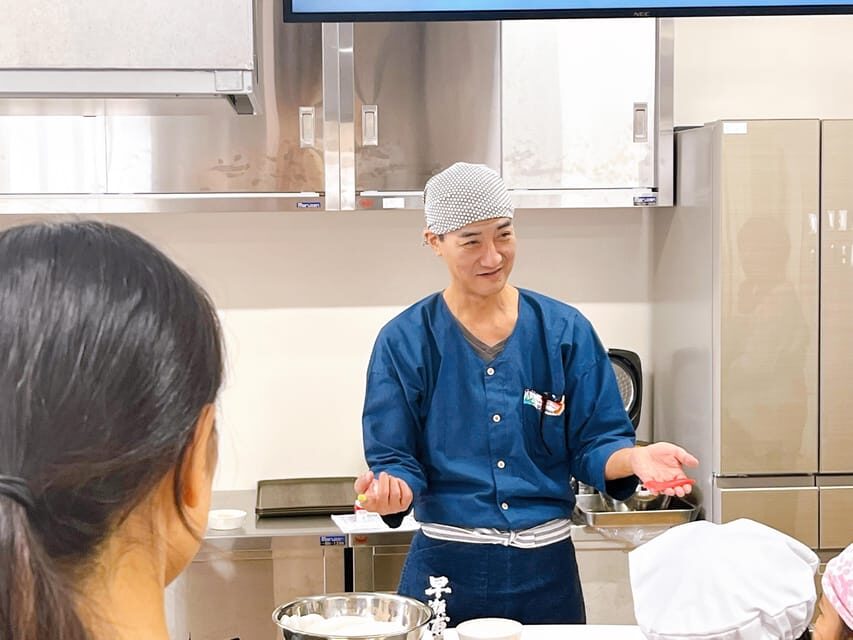
This class is built for conversation as much as technique. The group includes participants from different countries, and you’ll have an interpreter support (English or Chinese) to help communication.
Sake and beer are sold separately for an additional fee, so you can keep it non-alcoholic if you prefer. Either way, the meal part tends to feel more social than classroom-like.
If you’re traveling solo, this is a strong choice. Food classes can become awkward if you’re just sitting there. Here, you’re making something together, then eating together—an easy way to break the ice.
If you do drink, keep it sensible. The experience doesn’t allow intoxication, so this is more about adding to the vibe than turning it into a party.
Value and Price: Is $161 Worth It?
Let’s talk about the big number: $161 per person.
At first glance, it’s easy to think of it as “just a sushi workshop.” But the value comes from the package:
- a market tour tied to fresh fish used in your sushi
- an instructor-led hands-on sushi making session
- a full included meal with 8 pieces of sushi
- red soup stock, gari, and green tea
- an included souvenir (tenugui towel)
- interpreter support for English/Chinese communication
What’s not included matters, too:
- sake/beer are extra
- aprons are not provided
So the question becomes: are you buying a meal plus instruction, or just “food”? If you genuinely want to learn how sushi is made and understand the ingredient sourcing, the price can make sense. If you’re only after a casual tasting, you might feel like it’s too much.
One honest consideration: the cost is fixed per person, so families and groups may end up feeling it more than couples. Still, if you want an experience that’s more “hands-on + local market” than “eat and leave,” this has a strong argument.
Rules and Practical Stuff That Keeps It Smooth
This class runs like a real workshop, with common-sense boundaries. You’re expected to avoid:
- smoking
- intoxication
- littering
- making noise
- nudity
Those rules keep the space comfortable and respectful for everyone, especially in a market-adjacent setting.
Also remember:
- completely advance reservations are required (so don’t assume walk-in)
- the event can be canceled if there aren’t enough participants (minimum 4)
- group size caps at 20 per event
That small-group limit is part of the value. With a class this hands-on, fewer people usually means more attention and less waiting.
Who Should Book This Sushi Making Class
I’d point this toward you if you want:
- a market-connected food experience in Naha
- hands-on instruction where you actually make and eat sushi
- an activity with interpreter support in English or Chinese
- a group meal that doesn’t feel awkward
It also works for families. Children can participate, so it’s not limited to adult-only tourism.
But it’s not a good match if:
- you’re vegan or vegetarian (the experience is not suitable for those dietary styles)
If you’re picky about seafood, this one might be hit-or-miss based on the seasonal sushi lineup. Since ingredients can change, ask about what’s included when you reserve if you’re concerned.
Should You Book This Tour?
Book it if you want a sushi class that starts with real ingredients in Makishi Public Market and ends with a meal you made yourself. The hands-on learning, interpreter support, and included sushi set add up better than many “just eat sushi” experiences.
Skip it if you’re looking for a low-cost snack, or if the price feels hard to justify for you. Also skip if vegan or vegetarian, since the experience isn’t designed for that.
If you’re aiming for a memorable Okinawa food day—part market, part craft, part meal—this is a strong option. Just go in ready to get a little hands-on, and you’ll get a lot more out of it.
FAQ
Where do I meet for the sushi making experience?
Meet on the 3rd floor of Makishi Public Market.
How long is the experience?
The duration is 150 minutes.
What time slots are available?
It runs twice daily: one starting at 11:00 and another starting at 17:00.
What’s included in the price?
You get a market tour, sushi making instruction, and a meal that includes 8 pieces of sushi plus red soup stock, gari, and green tea. You also receive an original tenugui towel.
Are sake or beer included?
No. Sake and beer can be purchased separately for an additional fee.
Do they provide aprons for sushi making?
No, aprons are not provided.
Is this suitable for vegetarians or vegans?
No. It’s not suitable for vegans or vegetarians.