REVIEW · NAHA
Sushi Making Experience Class in Naha Makishi Public Market
Book on Viator →Operated by 琉球 握り寿司体験 at那覇公設市場 · Bookable on Viator
A sushi class that starts at a fish market is my kind of plan. This one takes you through Naha’s Makishi Public Market, then into a hands-on workshop where you turn fresh Okinawan ingredients into the sushi you’ll actually eat. I like that it’s built around real market shopping, not just a demo kitchen. You’ll also get a bonus tenugui towel from RYUKYUMONO.
Two things I really liked: you get to make sushi using Okinawan fish you find at Makishi, and the class ends with everyone eating the 8 pieces they created. One possible drawback: it’s a tight 2 hours 30 minutes, and sushi ingredients can change by season, so you won’t be able to count on seeing the exact fish list every day.
In This Review
- Key Points to Know Before You Go
- Why Makishi Public Market Is the Perfect Sushi Classroom
- Market Tour to Reception: How the Flow Works in Real Time
- The Fish Tour: What You’ll See at Makishi and What to Look For
- Sushi-Making Workshop: Your Hands-On Skills for a Full 8-Piece Set
- What You’ll Eat: 8 Pieces Plus Red Soup Stock, Gari, and Green Tea
- Drinks, Age Limits, and the Easy Pairing Option
- Value and Price: Is $164.72 Worth It?
- Group Size, Comfort, and Small Details That Matter
- Who This Sushi Class Fits Best (and Who Might Skip It)
- Should You Book the Naha Makishi Sushi Making Experience?
- FAQ
- How long is the sushi making experience?
- What’s included in the price?
- Do I get to eat what I make?
- Are sake or beer included?
- Is there an age limit for alcohol?
- Do I need to bring an apron?
Key Points to Know Before You Go
- Makishi Public Market first: You shop for ingredients right where Okinawa fish is sold.
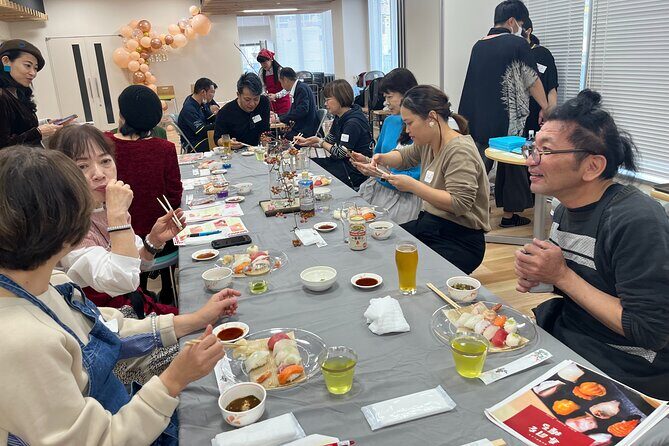
- You make and eat your own sushi: Your meal is part of the class, not a separate restaurant stop.
- A set of 8 pieces: Expect a mix like local bonito, local tuna, salmon, and other seasonal options.
- Red soup stock, gari, and green tea included: The meal isn’t just sushi on its own.
- Alcohol is optional: Sake and beer are available for an added fee, with a minimum age of 18.
Why Makishi Public Market Is the Perfect Sushi Classroom
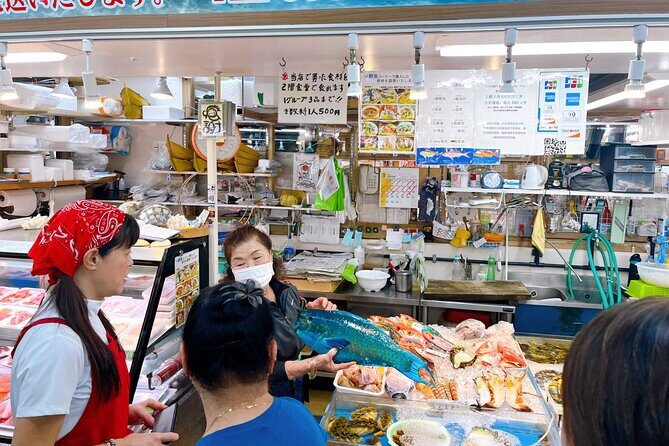
Makishi Public Market has the right energy for a cooking class. This is where you can see Okinawan food in motion, from the stalls to the people buying for dinner. The class uses that momentum in a smart way: you’re learning sushi while you’re still surrounded by the ingredients that make Okinawan seafood different.
What I like most is that the lesson isn’t floating in a vacuum. You’re guided through the fish stores where the sushi ingredients come from, so the skills you learn later actually connect to what you saw earlier. It’s not just learning technique. It’s learning ingredient logic.
And Okinawa has its own seafood identity. Even if you usually eat standard nigiri at home, you’ll likely recognize the overall sushi idea while noticing differences in what’s available and how it’s used. That makes the experience feel like Okinawa, not a copy-paste version of a Tokyo class.
You can also read our reviews of more shopping tours in Naha
Market Tour to Reception: How the Flow Works in Real Time
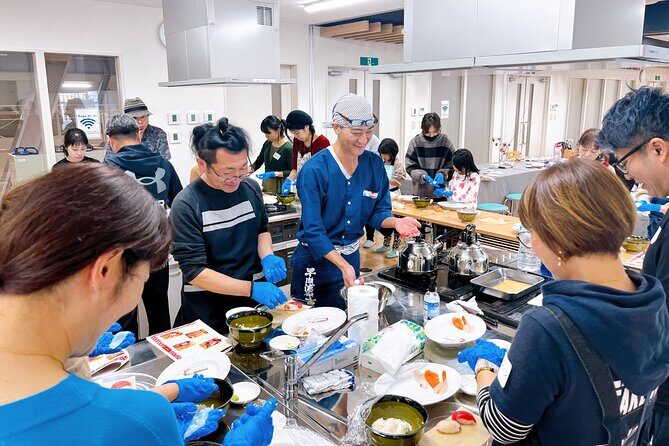
The day moves in a clear sequence: reception, then a market tour, then sushi-making, and finally you eat what you made. It’s built for a group pace, so you’re not stuck waiting around for long breaks.
The tour timing matters. At 2 hours 30 minutes total, you’ll have enough time to learn and practice, but you won’t have the kind of slow, wandering experience where you lose your focus. That’s good news if you like structure and quick progress.
Also, the group size cap is 20 people. Smaller than you might expect for a cooking activity in a busy market, which helps with instruction during hands-on time. If you’ve ever joined a class where you can’t hear instructions, this setup is more likely to feel manageable.
One practical detail: this uses a mobile ticket, and it meets back at the start point at Makishi Public Market. That keeps the logistics simple when you’re juggling your Okinawa itinerary.
The Fish Tour: What You’ll See at Makishi and What to Look For
The market portion is where the experience becomes more than just cooking. You’ll spend time at Makishi Public Market learning about the fresh fish used for sushi. The class focuses on Okinawan ingredients, and the fish variety can shift depending on what’s in season.
You might see options like Mibai, red machi, irabucha, stew machi, local bonito, local tuna, kubushimi, or salmon. Even if you’re not fishing-nerdy, that list helps you understand what you’re tasting later. You’ll also be able to connect the fish you see in the stalls to the final set of sushi pieces.
When you’re in a fish market, it’s easy to get overwhelmed. So here’s how I’d approach it during this part of the class:
- Pay attention to what the instructor points out as suitable for sushi.
- Notice that the menu isn’t one fixed script; it adjusts with seasonal sourcing.
- Ask quick questions if something looks unfamiliar. The class is designed to teach you what to do next.
One small note: you’re buying into a menu that may change. If you’re traveling with a strong fish preference, be ready for the ingredient list to be adjusted for the day.
Sushi-Making Workshop: Your Hands-On Skills for a Full 8-Piece Set
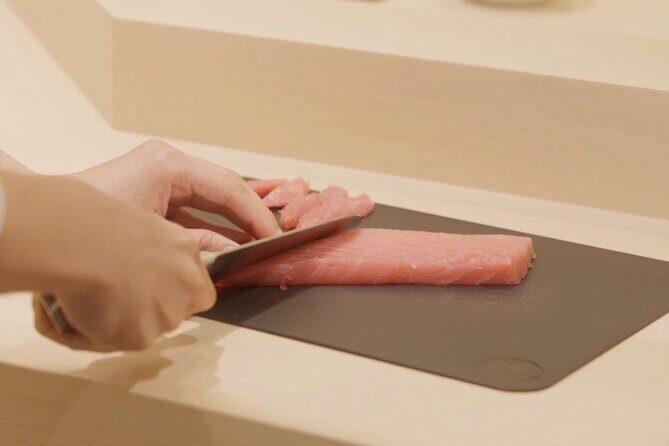
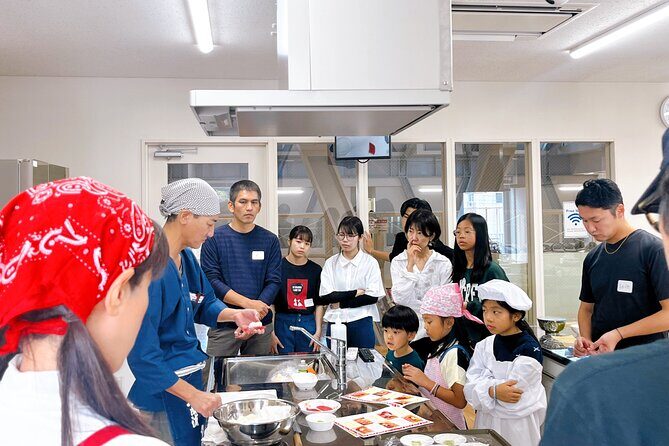
After the market tour, you’ll get instruction for making sushi and then make your own set. The class is set up so you can actually produce dinner-quality sushi, not just watch someone else work.
You’ll make 8 pieces of sushi, and the exact ingredients can vary by season. The mix is typically drawn from the same Okinawan options you encountered earlier. That makes your sushi feel cohesive, like one meal rather than random bites.
The process is also where an interpreter (and clear teaching) becomes valuable. In the class experience, language support helps you follow the steps instead of guessing. I like that because sushi isn’t hard, but it is detail-heavy. The difference between a smooth bite and a disappointing one can be tiny: how you handle the fish, how you portion, and how you finish the piece.
You’ll have a good chance to practice at your own pace during the making stage. And from the class tone, it’s clear the instructor style is built around patience and keeping people moving. If you’ve never made sushi before, this is the kind of environment where you’re less likely to feel rushed.
One more practical reality: it’s only 2 hours 30 minutes total. So focus on learning the technique the instructor is emphasizing, not trying to be perfect on every piece. The goal is to finish with a meal you enjoy, and that’s exactly what you’ll do.
What You’ll Eat: 8 Pieces Plus Red Soup Stock, Gari, and Green Tea
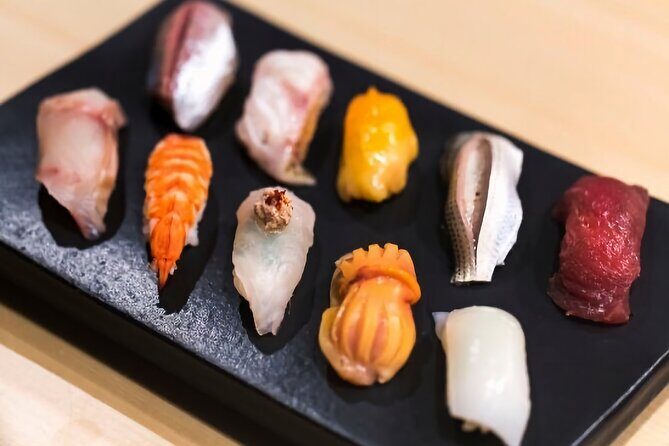
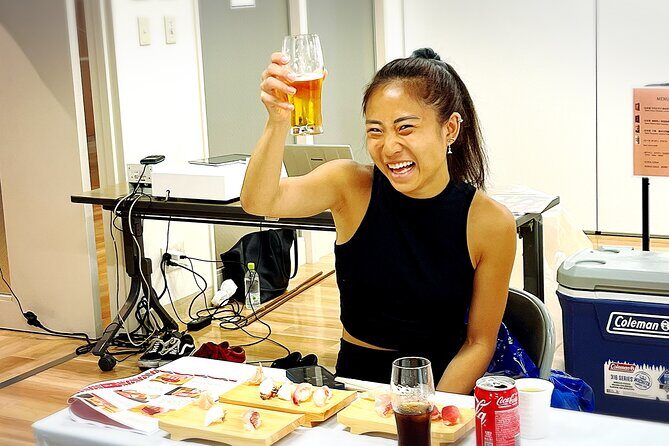
You don’t just make sushi for the photo. Everyone eats the sushi they made themselves. That turns the class into a full meal experience and not a snack-sized workshop.
Along with your sushi, you’ll get:
- Red soup stock
- Gari
- Green tea
This matters more than it sounds. Soup stock gives you a warm, savory reset between bites. Gari helps clean your palate so each new piece tastes distinct. Green tea rounds out the meal without turning it into a heavy, dessert-like finish.
And because you’re eating what you made, you also get a clearer sense of what worked. Some pieces might come out prettier than others. That’s normal. The meal is still yours, and you get to taste the result right away.
The class also offers an additional chance to pair food with drinks. Sake and beer are sold separately for an added fee. Sake starts around 1,000 yen, and beer around 500 yen, so you can decide if you want a casual pairing or just stick to the included tea.






Drinks, Age Limits, and the Easy Pairing Option
If you plan to drink, plan it early in your group mindset. The minimum drinking age is 18 years old, and alcohol is not included in the base price. You’re meant to add it if you want.
I like that the setup gives you options. If you’re driving or you don’t drink, you still get a complete meal with green tea and soup stock. If you do want sake, you can add it without feeling like you paid for something you didn’t want.
Also, because it’s optional and priced separately, you can keep your budget in check. Just remember that the yen pricing means the final total can rise if your group orders multiple drinks.
Value and Price: Is $164.72 Worth It?
At $164.72 per person, this isn’t the cheapest activity in Okinawa. But the price starts to make sense when you look at what’s included and how much of the food experience is built in.
What you’re getting for the base cost:
- All fees and taxes
- Use of the galley (the working kitchen setup is included in the experience)
- A RYUKYUMONO tenugui towel bonus
- The full sushi experience: market tour, making sushi, and eating it
- 8 pieces of sushi plus red soup stock, gari, and green tea
Then there are add-ons:
- Alcoholic beverages for an extra fee (sake and beer)
- No aprons provided, so you may want your own
The value question usually comes down to two things: meal quality and instruction quality. This class is structured around eating what you make, which tends to raise satisfaction compared with workshops where you only sample. And the market tour is not just a quick glance; it’s part of the learning flow, so you’re paying for the context too.
If you’re the kind of person who likes food with a story, this feels like money well spent. If you only want a very casual sushi snack, you can find cheaper options. But if you want a hands-on lesson tied to Okinawan ingredients, the cost feels more reasonable.
One additional consideration: the experience is non-refundable and cannot be changed, so lock in your plans carefully.
Group Size, Comfort, and Small Details That Matter
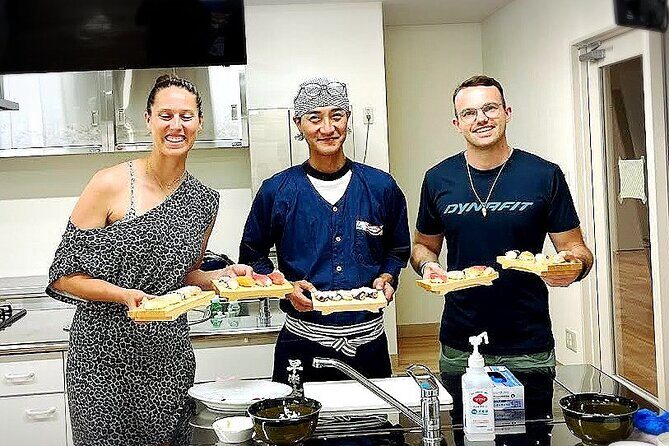
With a maximum of 20 travelers, the class is likely to feel more personal than a large factory-style group. That helps you get guidance during sushi-making.
You should also know what to bring:
- Aprons are not provided, so plan to wear something you can get a little food-safe messy.
- You’ll be near public transportation, but you still want to arrive on time so the market tour portion stays on schedule.
- The tour begins and ends at Makishi Public Market, which makes it easy to pair with nearby meals and walks.
Another small but real comfort point: in a market setting, you might be on your feet and moving between stalls. Wear shoes you can stand in, especially if your Okinawa days include lots of walking.
And if you want to blend in with the vibe, bring a curious attitude. The class uses the market as a classroom, so the best results come when you’re willing to look closely at what you’re seeing and learning.
Who This Sushi Class Fits Best (and Who Might Skip It)
This class is a great match if you:
- Like the idea of shopping for ingredients first, then cooking them
- Want a sushi skill you can understand and repeat later
- Enjoy Okinawan food culture beyond generic tourist dining
- Prefer a structured activity with a meal at the end
It also suits beginners. The overall teaching tone, plus language support, is built to help you follow steps without panic.
You might consider skipping if you:
- Hate time-bound activities and want lots of free roaming in a market
- Need a class with a specific ingredient you can guarantee will appear every time (season changes ingredients)
- Are allergic to many fish types (the ingredient list can vary, and you’d want to confirm specifics directly with the provider)
Should You Book the Naha Makishi Sushi Making Experience?
I think this is worth booking if you want a memorable food experience in Naha that connects sushi-making to Makishi Public Market. The fact that you make 8 pieces and then eat them as a real meal is a strong value driver. Add in the included soup stock, gari, and green tea, plus the tenugui towel bonus, and it feels like a complete package rather than a short gimmick.
Book it especially if you’re traveling with a small circle and want something hands-on that’s still culturally grounded. The market context is the secret sauce here. You’re not just learning how sushi is assembled. You’re learning where Okinawan sushi ingredients come from.
If your schedule is tight, it helps that it’s only 2 hours 30 minutes and ends right where it starts. Just remember the base price doesn’t include alcohol, aprons aren’t provided, and the ingredient lineup can shift with the season.
FAQ
How long is the sushi making experience?
The experience runs for about 2 hours 30 minutes.
What’s included in the price?
The price includes all fees and taxes, use of the galley, an original RYUKYUMONO tenugui towel, and the full class with market tour, sushi-making, and eating. You also get 8 pieces of sushi, plus red soup stock, gari, and green tea.
Do I get to eat what I make?
Yes. Everyone eats the sushi they made themselves.
Are sake or beer included?
No. Alcoholic beverages are sold separately. Sake starts around 1,000 yen and beer around 500 yen.
Is there an age limit for alcohol?
Yes. The minimum drinking age is 18.
Do I need to bring an apron?
Aprons are not provided, so if you want one, you should prepare it yourself.