REVIEW · NAHA
From Naha Scuba Diving Trip in Kerama(for certified divers)
Book on GetYourGuide →Operated by SEAKERS · Bookable on GetYourGuide
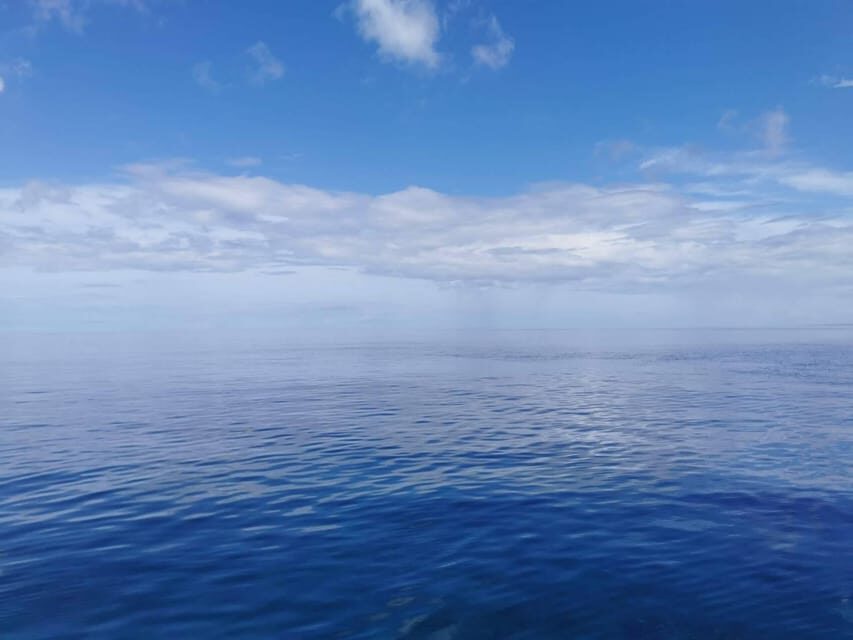
Kerama’s water turns blue fast.
This small-group SSI trip from Naha to Kerama National Park is built for comfort and control: you get English-led briefings, rented wetsuit/gear, and a smooth boat day with an award-winning center. I also love the free underwater photos, because you don’t have to fuss with cameras while you’re busy admiring turtles. One possible snag: the rented wetsuit might not zip easily for everyone, like it did for one guest who was fitted but not perfectly sized.
If you’re on Okinawa’s mainland, this is the kind of day that makes the trip feel bigger. You’re out on a speedboat, guided by instructors who can explain things clearly in English (with Japanese support), then you spend your morning and early afternoon underwater with a tight group. The only real “consideration” I’d flag is that the third underwater session is optional, so don’t plan your day assuming you’ll automatically get three.
In This Review
- Key Points I’d Plan Around
- From Your Door in Naha to the Kerama Islands Speedboat
- Small-Group Care: Why the Group Size Changes Everything
- The Underwater Plan: Two Included Sessions in Kerama National Park
- First session timing and what to expect
- Second session: same structure, different view
- Optional third session: worth it if you still have energy
- Lunch on the Boat: Build Your Own Simple Day
- Equipment Rental and Wetsuit Fit: One Real-World Watch-Out
- Underwater Photos and the End-of-Day Memory Backup
- The Price: What $206 Includes (and Why It Adds Up)
- What to Bring (So Your Day Doesn’t Get Annoying)
- Seasickness and Safety: The Trip Is Not for Every Body
- If Weather Turns: Backup Plan Without Extra Cost
- Should You Book This Kerama Day Trip?
- One last practical move
- FAQ
- How many underwater sessions are included?
- Is a third underwater session included?
- What does the price include?
- Do I need scuba certification?
- Is pickup from my hotel included?
- What time does the day usually start and end?
- What should I bring with me?
- Is lunch included?
- What happens if weather cancels the boat?
- Can I cancel and get a full refund?
Key Points I’d Plan Around
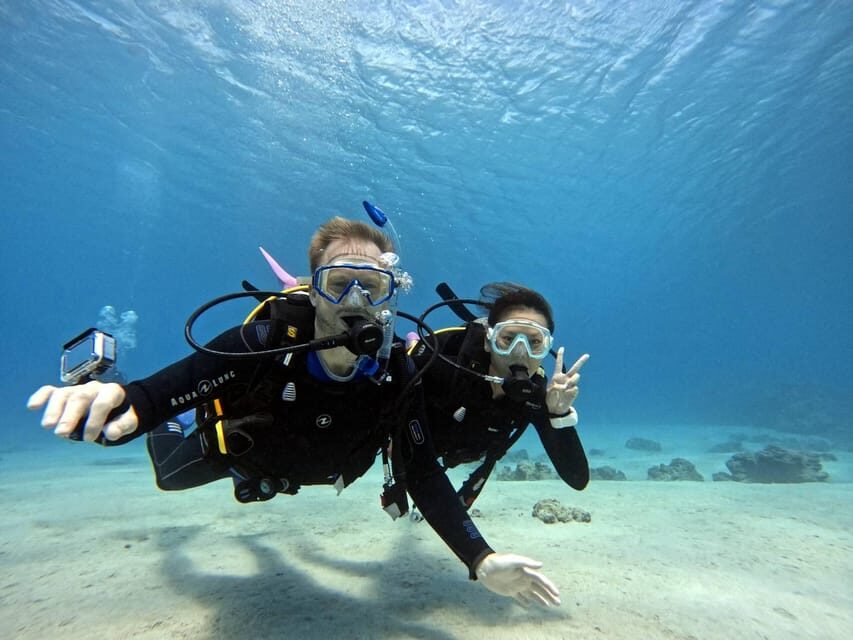
- Small-group size (max 4) makes briefings calmer and safety checks more personal
- English + Japanese instruction keeps the plan easy to follow, especially on gear and in-water steps
- Kerama National Park sites are the main draw, with standout visibility and lots of sea life
- Underwater photo inclusion means you leave with memories, not just stories
- Two sessions included with an optional third for extra cost in cash
From Your Door in Naha to the Kerama Islands Speedboat
The whole day starts with pickup, which is a big deal in Okinawa traffic. SEAKERS comes to your accommodation in the Naha area (with specific neighborhoods/hotel coverage), and the timing is tight. Plan to be outside at the exact pickup time—showing up late counts as a no-show—so set a real alarm.
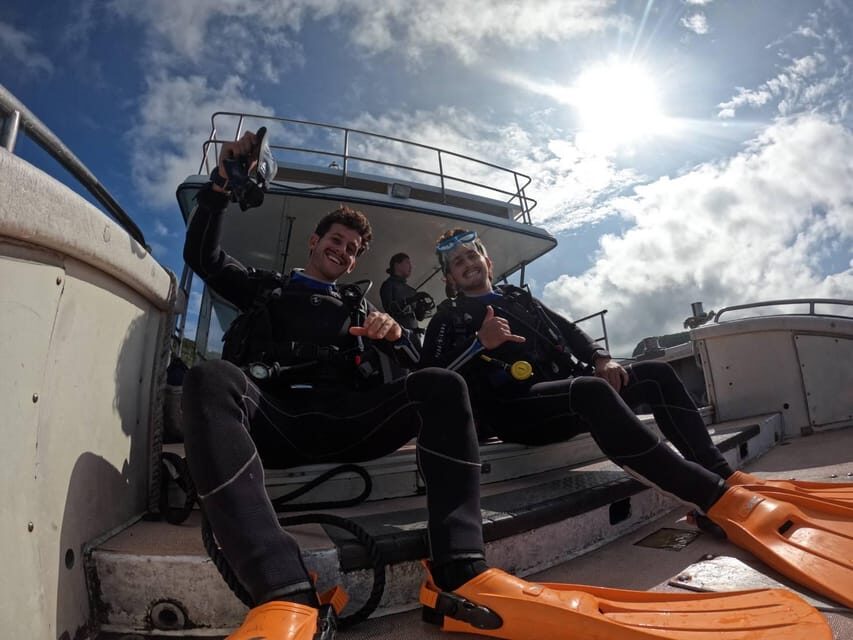
Once you meet up, you’ll assemble your rented gear and do a safety and readiness briefing. This is where a lot of trips either feel rushed or feel organized. Here, the pace tends to be methodical: you get checked, you get set up, and then you move as a group to the boat.
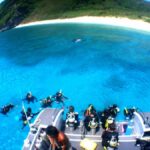
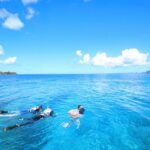
From Naha, it’s about an hour by speedboat toward Kerama. When the boat run feels easy and not chaotic, it usually means the crew has done this route a lot—and that matters once you’re hauling fins and trying not to become a seasickness statistic.
You can also read our reviews of more scuba diving tours in Naha
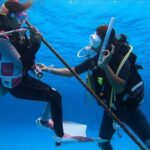

Small-Group Care: Why the Group Size Changes Everything
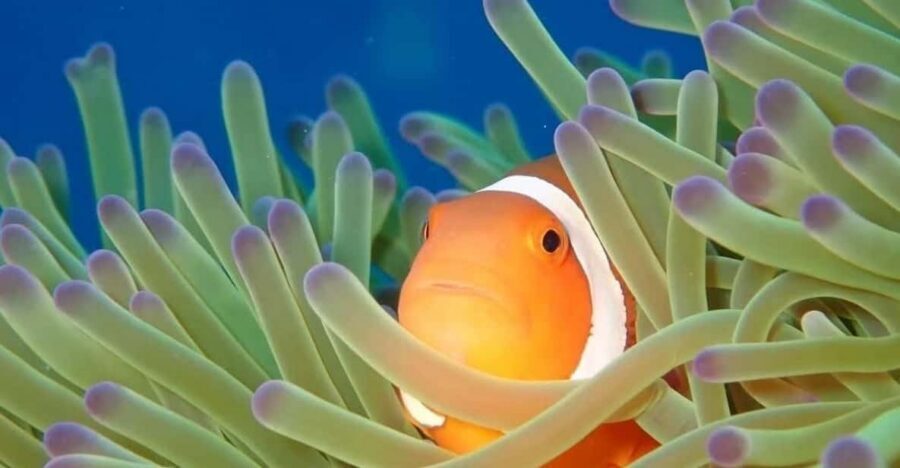
The trip is limited to four participants. That small number quietly improves almost everything: the briefing time, the attention during gear checks, and the overall vibe. With a bigger group, you often spend more time waiting than seeing. With this setup, you get more hands-on guidance and more time to get comfortable.
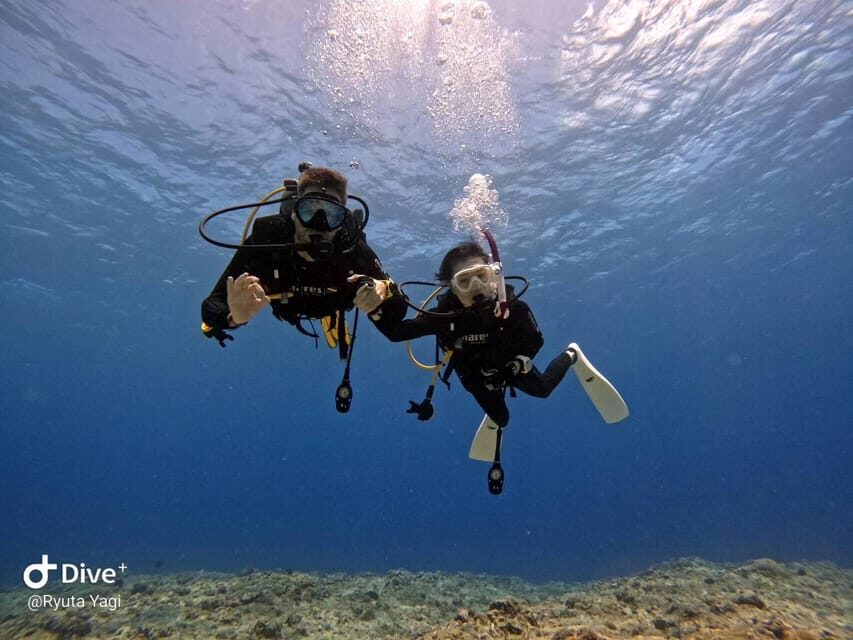
I also like that the instruction is led in English, with Japanese support. In real life, “English-speaking guide” can mean anything from confident to complicated. Here, multiple guides came through with clear, understandable explanations—one guide named Yun was specifically noted for easy-to-follow English. Another guide, Ryuta, was praised for being attentive and patient, and another guest mentioned Utah (spelling unclear) as accommodating and safety-minded.
That small-group + clear-language combo is especially helpful if you haven’t been in the water in a while. You’re not just getting told what to do—you’re getting reasons for it, in plain language.
The Underwater Plan: Two Included Sessions in Kerama National Park
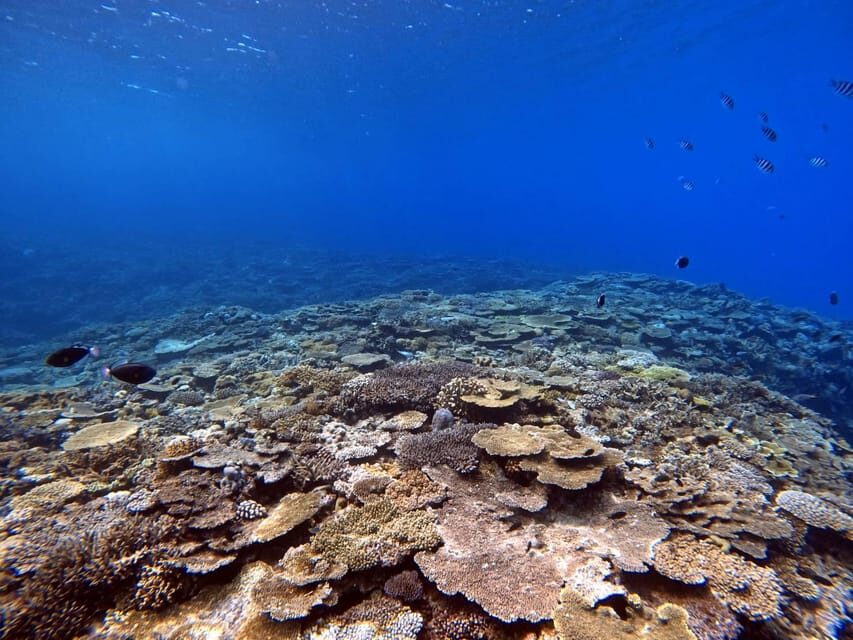
You’ll do two underwater sessions included, both in Kerama National Park, with a morning start and time to decompress on the boat between them.
First session timing and what to expect
The day is designed so you’re ready early: pickup around the mid–6:00 AM range, boat briefing and gear setup soon after, then departure. Your first underwater stop lands around the early morning window. That timing matters. Morning water conditions in many places are often calmer, and you’re less likely to feel rushed by the day.
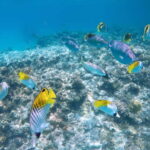
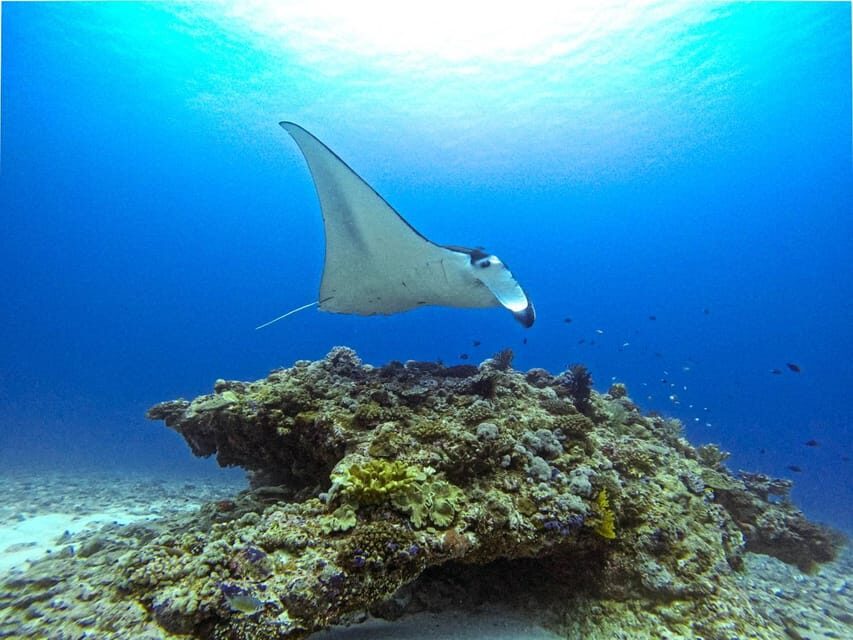
From what guests described, you may visit sites such as Nosaki, Doma, and Kameku (these names showed up in multiple accounts). The common thread: strong visibility, bright water color, and sea life close enough that you’re not just staring at coral from far away.
Second session: same structure, different view
Your second underwater session starts after a boat break and is still within Kerama National Park. This is where variety kicks in. Different site layouts can mean different marine neighborhoods—more reef, more open swim, more sheltered spots.
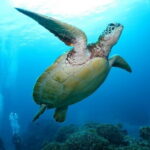
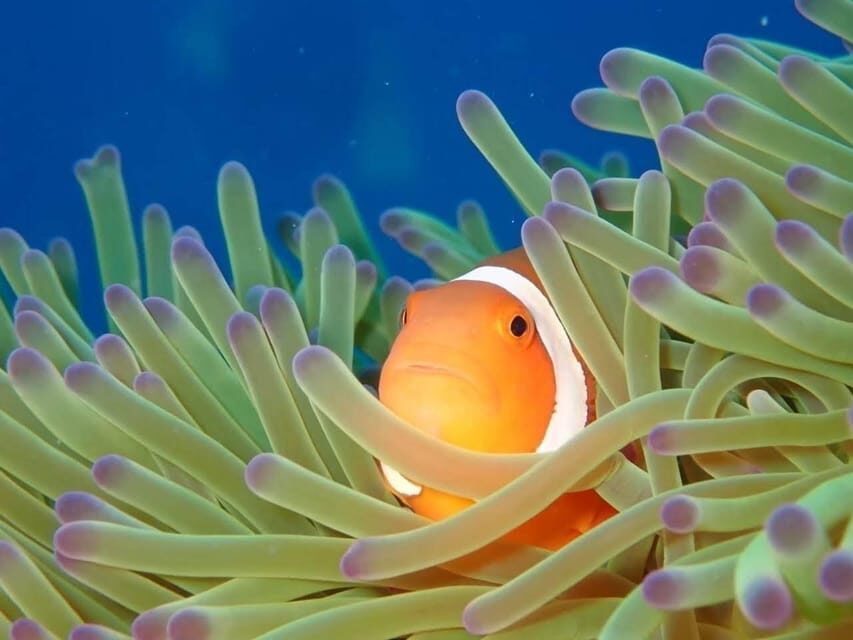
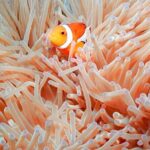
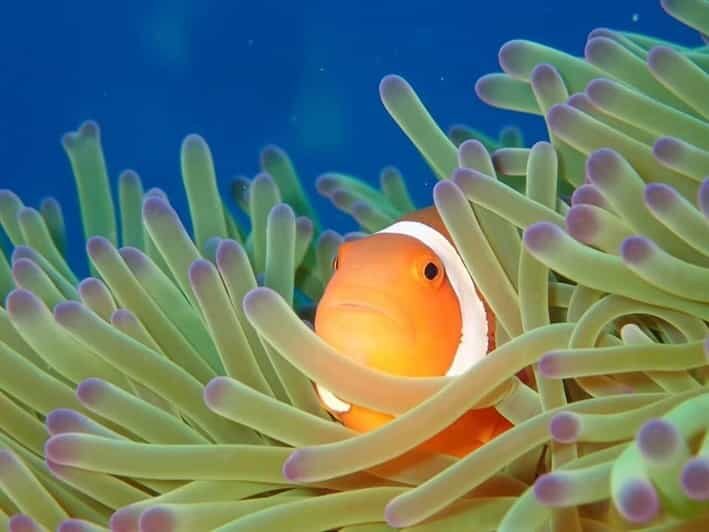
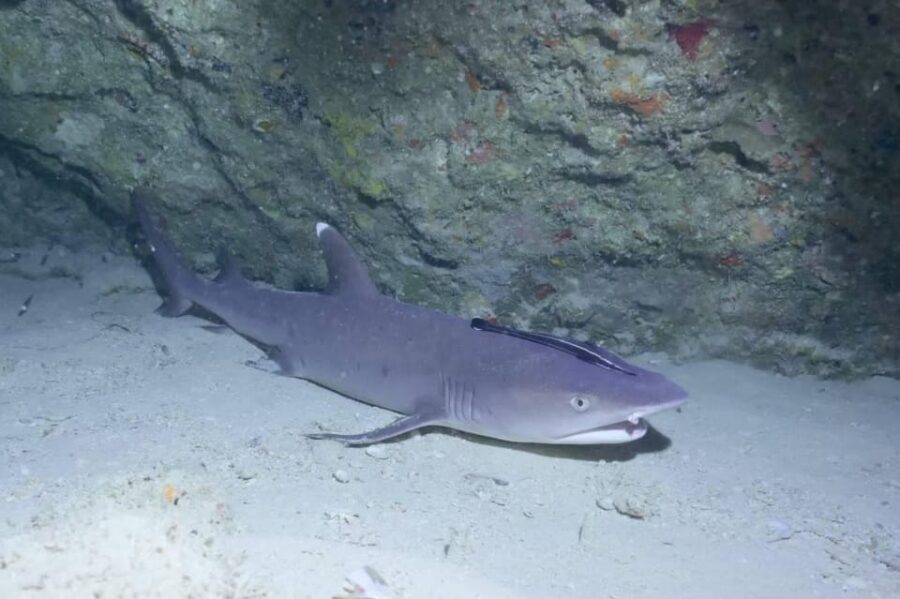
Again, guests highlighted sea turtles and lots of colorful fish. One person also mentioned watching a reef shark glide through the area. You should always keep expectations realistic (wildlife shows up when it shows up), but the area clearly has a strong track record.
Optional third session: worth it if you still have energy
Around early afternoon, there’s an optional add-on for a third underwater session. It costs 5,500 yen in cash. In practice, that means you can keep the day to two sessions if you want a slower pace—or add a third if you’re feeling good and you don’t want to go home with that should-have-done-it feeling.
Lunch on the Boat: Build Your Own Simple Day
You’ll have a lunch break on the boat (around late morning to early midday). The catch: lunch isn’t included. So bring a packed lunch and drinks.
I like this arrangement because it gives you control. You’re already investing a day’s energy, and waiting for food can turn into wasted time if you get hangry. Pack something easy to eat and eat it before you’re totally underwater-stretched.
Also bring what you’ll realistically need on deck: a towel (listed as your responsibility), flip-flops, and extra clothes for after. The boat day ends with a drop-off back to your accommodation, and you’ll want to get dry and warm fast.
Equipment Rental and Wetsuit Fit: One Real-World Watch-Out
Your equipment rental is included, which usually covers the essential kit you need for certification-level scuba. One guest’s comment is the most useful practical warning: their rented wetsuit fit well enough to wear, but it wouldn’t zip fully, likely due to sizing not matching their body shape.
Warm water helps you feel comfortable even if the wetsuit isn’t perfect, but it can still affect fit and comfort. So when you book, take sizing seriously. If you know wetsuits typically struggle around your chest or torso, say so clearly ahead of time.
If you’re bringing your own gear, the trip data doesn’t say it’s discouraged—so you might ask—but I’d still plan to rely on their rentals since it’s part of the value.
Underwater Photos and the End-of-Day Memory Backup
This is one of the best “leave with something” parts of the day. You get free underwater photos included. That’s already a win.
Some guests also described receiving edited photo/video shorts from the guide. Either way, the point is the same: you can focus on your buoyancy, your camera-free attention, and not worry about holding up a phone at the worst moment.
After the day, having visual proof helps you relive the best moments: turtle sightings, reef fish, and those occasional “how did that get there?” marine sightings.
The Price: What $206 Includes (and Why It Adds Up)
At $206 per person for an 8-hour day, this is not a $60 “see the water from the deck” excursion. But it’s also not priced like a private charter.
Here’s the value math that matters:
- Hotel pickup and drop-off (within designated areas) reduces hassle costs
- Boat ride to the Kerama Islands and back is a major expense on its own
- Two underwater sessions are included, not just one quick try
- Equipment rental is included, meaning you don’t need to hunt gear
- Insurance is included
- Underwater photos are included
Then you have a couple add-ons:
- an underwater computer option (listed as 1,500 yen in cash, or possibly free when you leave a positive review)
- an optional third session for 5,500 yen in cash
For me, the smart way to look at the cost is this: you’re paying for a full, structured day with guidance and safety, plus photos afterward. If you were to rent gear and pay for a boat trip on your own, the price gets harder to beat.
What to Bring (So Your Day Doesn’t Get Annoying)
Bring:
- a change of clothes
- towel
- food and drinks (packed lunch)
- flip-flops
- your scuba certification
Also note:
- oversize luggage isn’t allowed
- leave the big bags at home and travel light
You’ll spend time on a boat deck and in and out of gear. Being prepared makes you faster getting ready, and it keeps the group on schedule.
Seasickness and Safety: The Trip Is Not for Every Body
This experience includes safety screening. It’s not suitable for several groups, including children under 12, pregnant people, people with heart problems, people with epilepsy, and anyone with certain health constraints listed. It also flags frequent seasickness as a risk.
If you’re unsure, think realistically. The day starts early, rides a speedboat, and includes time on open water. Even if you’re a confident swimmer, the boat part still matters.
Also: you must have a valid scuba certification from a recognized organization. If you don’t have certification, this isn’t the day to fix that.
If Weather Turns: Backup Plan Without Extra Cost
Bad weather happens. When it does, the boat can be canceled. The good part is that they arrange an alternative underwater site at no extra cost if possible. If no suitable option works out, you get a full refund.
That’s the kind of policy that protects your time. You’re not paying and then stuck hoping they’ll find something. You’re paying for a guided plan with contingencies.
Should You Book This Kerama Day Trip?
If you’re a certified diver looking for Kerama National Park underwater time with small-group attention, I’d book it. The strongest reasons:
- English instruction and named guide strengths (Yun, Ryuta, and others you may be assigned)
- two sessions included with the option to add a third
- free underwater photos
- pickup and drop-off that makes the whole day easier than DIY
I’d skip it (or at least ask lots of questions first) if you:
- rely on very specific medical accommodations (the trip lists several restrictions)
- are extremely prone to seasickness
- know wetsuit sizing is likely to be a problem for you and you can’t get it adjusted
One last practical move
Pack light, bring a packed lunch, and treat pickup time like a flight boarding window. Do that, and this turns into a clean, well-run day with serious water time around Kerama’s marine life.
FAQ
How many underwater sessions are included?
Two underwater sessions are included in the base price.
Is a third underwater session included?
No. A third session is optional and costs 5,500 yen in cash.
What does the price include?
It includes round-trip boat transport to the Kerama Islands, two underwater sessions in Kerama National Park, scuba equipment rental, an experienced guide (English & Japanese), insurance, and free underwater photos.
Do I need scuba certification?
Yes. All participants must have a valid scuba diving certification from a recognized organization.
Is pickup from my hotel included?
Yes, hotel pick-up and drop-off are included within designated areas. The Naha city area has exclusions, and in Ginowan there are only specific hotels covered—so you’ll want to confirm your exact accommodation.
What time does the day usually start and end?
Pickup is around 6:45 AM, and the drop-off is typically around 3:30 PM, though timing can vary.
What should I bring with me?
Bring a change of clothes, towel, packed lunch and drinks, flip-flops, and your scuba certification.
Is lunch included?
No. Lunch is not included, so you should plan on bringing packed lunch.
What happens if weather cancels the boat?
If the boat is canceled due to bad weather, they arrange an alternative underwater site at no extra cost if possible. If no suitable option is available, you’ll receive a full refund.
Can I cancel and get a full refund?
You can cancel up to 24 hours in advance for a full refund.