REVIEW · NAHA
Afternoon Adventure: Okinawa Local Cycling with Spectacular Views
Book on Viator →Operated by Discovery Bicycle Tours Okinawa / e-CHARIty Naha · Bookable on Viator
Pedal Naha, then glide into Shuri. This afternoon route mixes street scenes, Ryukyu-era landmarks, and viewpoints you’ll actually have time to enjoy, all on an easy-to-handle e-bike system and guided small-group pacing. You’ll follow local routes that ordinary sightseeing plans often skip, with stops designed for history, culture, and good photo light.
I especially like the hands-on start: you meet near Makishi Monorail, get your bike quickly, and get safety guidance so you can relax and ride. I also like the small group size (up to 5), which makes it easier to ask questions and keep your rhythm—especially on the Shuri-area inclines.
One thing to consider: this tour depends on weather. If the precipitation chance is over 70% or conditions turn rough, the plan may change and you’ll be contacted the day before.
In This Review
- Key Highlights You’ll Feel During the Ride
- Why This Naha to Shuri Cycling Route Is Such Good Use of Time
- Meeting Near Makishi Monorail: Quick Start, Clear Safety
- Tsuboya Yachimun Dori: Pottery Streets With Ryukyu-Era Roots
- Passing Asato Shotengai and Old Neighborhood Streets
- Shrikinjocho Stone-Path Road: Shuri Castle Town on Foot-Feel Streets
- Shuri Castle Park and Shureimon Gate Photo Moments
- Shurisakiyamacho Viewpoint: Quick Stop, Big Payoff Over Naha City
- The Guides: What Makes This Ride Feel Personal
- Price and Value: Why $99.10 Can Be a Smart Deal
- What to Wear and Bring (So You Don’t Get Grumpy)
- Weather Rules: The One Reality Check
- Should You Book This Okinawa Cycling Tour?
- FAQ
- How long is the cycling tour?
- Where do I meet the guide and pick up the bike?
- Are bikes and helmets included?
- What sightseeing stops are included?
- Is there a good chance the tour changes due to weather?
- What should I bring for the ride?
- What about kids?
- What’s the group size limit?
Key Highlights You’ll Feel During the Ride
- E-bike assist for Shuri inclines: less strain, more time for looking around
- Makishi Monorail area start: convenient access and quick pick-up
- Tsuboya pottery lanes: a direct line to Ryukyu-era kiln history
- Shuri Castle town stone-path streets: cobbles, shrines, and temple-town charm
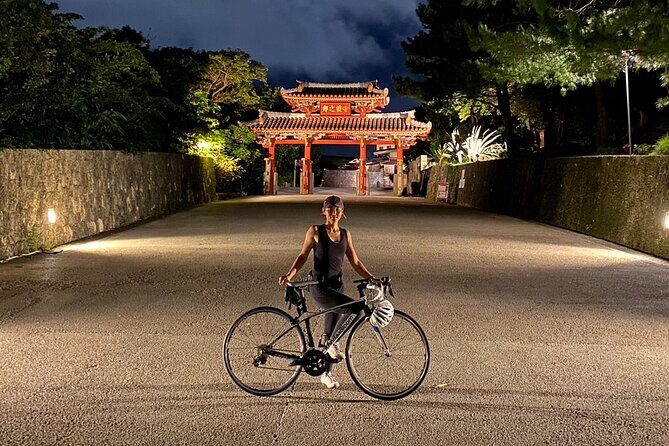
- Shureimon gate and illuminated stone walls: standout photo moments in the park
- Panoramic Naha city viewpoint: a short stop that pays off fast
Why This Naha to Shuri Cycling Route Is Such Good Use of Time
At $99.10 per person for about 3 hours 30 minutes, this tour is built for people who want more than a quick walk but don’t want a full-day commitment. You’re not stuck in one neighborhood. You get a practical sweep: Naha street life, a pottery district stop, then up into the Shuri Castle area with views over the city.
The pacing matters. A loop like this can feel long if the route is all steep hills and slow stops. Here, the e-bikes keep the climbing manageable, so you spend your energy on enjoying the sights—not surviving the ride.
Also, the group cap (maximum 5) is a real quality-of-life upgrade. With fewer people, the guide can slow down when someone wants to look closer at a shrine entrance or listen longer about an area’s past.
You can also read our reviews of more cycling tours in Naha


Meeting Near Makishi Monorail: Quick Start, Clear Safety
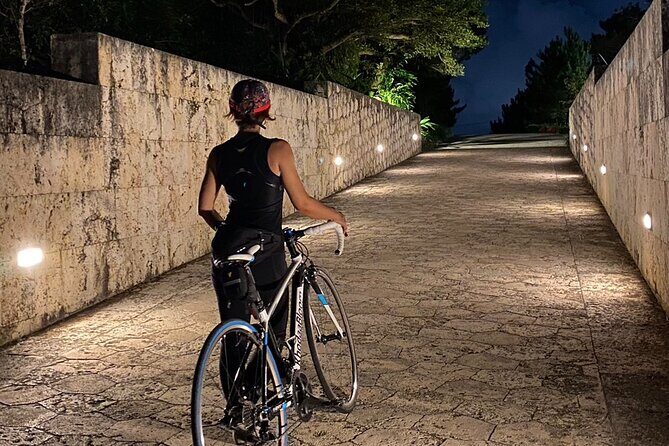
You’ll meet at 3-chōme-13-20 Makishi, Naha, and the shop is about a 1-minute walk from Makishi Monorail station. That means you can arrive without stress, even if you’re still figuring out how the station fits into your day.
Your first stop is basically your setup: pick up your bikes, get a briefing, and confirm everyone can ride safely. In the reviews, the helmets are noted as being more advanced than basic rentals—one detail that comes up is that helmets include microphones. That helps communication while you’re moving, which makes the whole group feel more coordinated.
What to do before you show up: wear comfortable shoes and keep your phone accessible. Since phone mounts and camera mounts aren’t included, plan to hold your device yourself or stash it in a pocket/bag where it’s easy to grab.
Tsuboya Yachimun Dori: Pottery Streets With Ryukyu-Era Roots
Tsuboya Yachimun Dori is where you slow down on purpose. This is the pottery area in Okinawa, and the name points you there: Yachimun relates to pottery in the Okinawan language. The area gathered kilns from scattered locations centuries ago, when the Ryukyu Kingdom consolidated them into one zone—about 300 years ago.
Why this stop works on a bike tour: you’re moving through the street texture, not just reading a plaque. You can notice workshop-style storefronts, the way small streets connect, and the sense that craft is part of the daily rhythm rather than a museum display.
Practical tip: keep an eye out for signs of ongoing craft activity. Even if you don’t buy anything, you’ll get a better sense of why this district is still known for pottery.
Passing Asato Shotengai and Old Neighborhood Streets
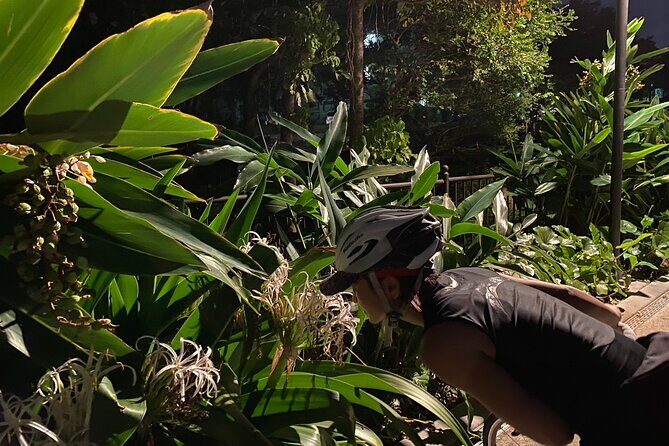
You’ll ride through the vicinity of Asato Shotengai. The area has a complicated past—once known as a red-light district—and it tends to switch moods later in the day, when izakayas and food spots become the center of attention.
Even if you only see it while riding, this kind of pass-by stop is useful. It gives you a sense of what Okinawa life looks like outside the most formal tourist corridors. It also helps you compare neighborhoods: Shuri is monumental and historic; Naha streets around Asato are everyday and social.
You’ll also pass by parts of Naha where a few traditional houses still remain. That’s a small detail, but it changes how you understand the city. You start to see Naha as layered, not replaced.
Shrikinjocho Stone-Path Road: Shuri Castle Town on Foot-Feel Streets
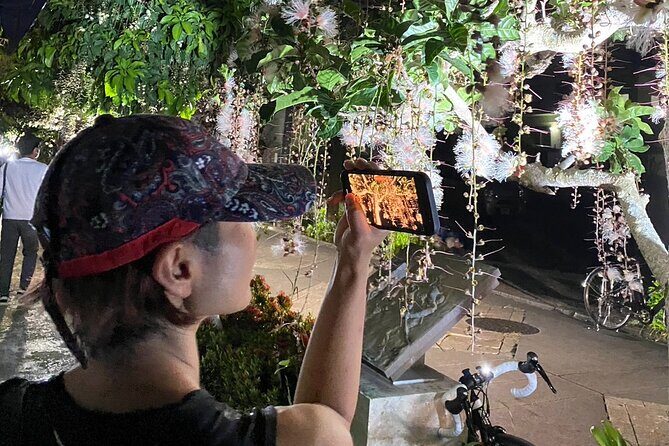
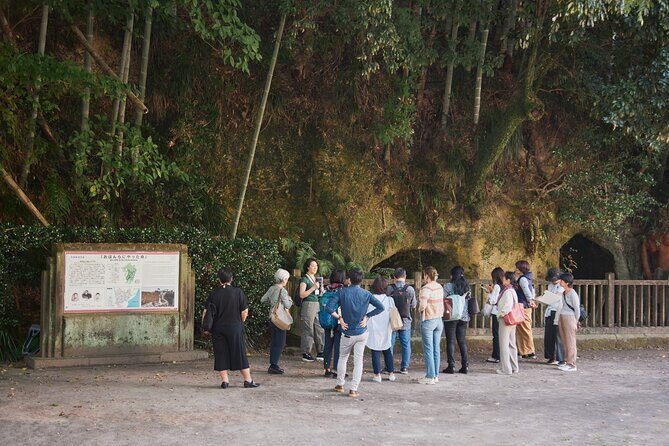
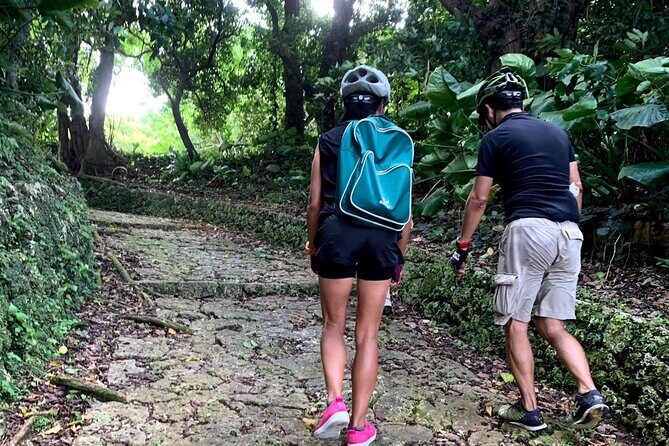
When the route brings you to Shrikinjocho Stone-Path Road, you feel the change. This is Shuri Castle town territory, tied to the Ryukyu Kingdom’s capital era. The streets have cobblestones, temples, and sacred shrines—enough texture that you can’t just ride through at speed.
The best part of this stop is the foot-pace feeling it creates. Even though you’re on a bicycle, the stone paths and shrine spaces naturally slow everyone down. You get time—about an hour at this point—to look at details and listen to context.
The trade-off: stone surfaces mean you should stay alert. Slow down when you see tight turns or uneven ground. The guides will manage the flow, but your job is simple: stay relaxed and let the pace match the street.






Shuri Castle Park and Shureimon Gate Photo Moments
Next comes Shuri Castle Park. This portion is more relaxed: you leisurely pass through the greenery and open areas while enjoying seasonal plants and the dramatic look of illuminated stone walls and the Shureimon gate area.
Even if your interest is mostly in views and photos, this stop has value beyond pictures. It gives you a sense of how the castle-town setting works—how open park space frames historic architecture and how the stonework catches light.
A practical note: if you’re coming later in the day, the park’s lighting style can make surfaces look extra photogenic. If you care about photos, bring a plan for quick shots—since camera mounts and phone holders aren’t included, you’ll want a way to stabilize your device fast.
Shurisakiyamacho Viewpoint: Quick Stop, Big Payoff Over Naha City

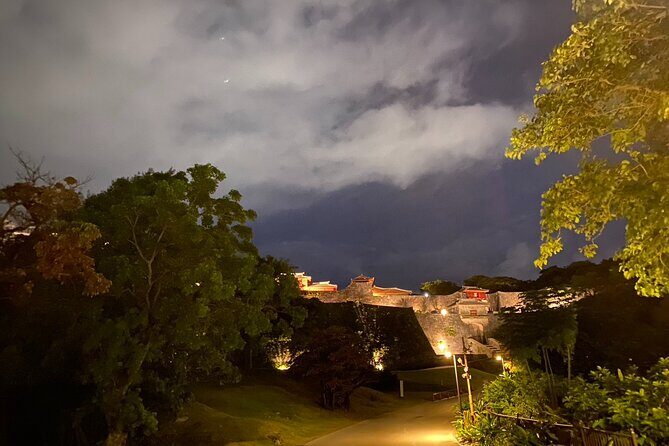
Your final main sightseeing moment is at Shurisakiyamacho. Your local guide takes you to a viewpoint with panoramic Naha City views, and the stop is short—about 20 minutes.
This is the kind of stop that works well at the end of a bike tour. You’ve already done the walking-feel parts of Shuri. Now you can sit, scan the city, and take a few clean photos without needing another long segment of navigation.
If you’re thinking about timing for best light: plan to enjoy the viewpoint as the day’s light changes. Some tours in this area can be spectacular close to sunset, and the general mood is the same even if your ride time isn’t right at dusk.
The Guides: What Makes This Ride Feel Personal

The biggest repeated theme in the experience is the guide quality. Names that show up in the operator’s own guide team include Hiro, Jojo, Aki, Tony, Maki, Rechi, Sammi, Stephen, and Aziz. You can expect the kind of guiding where the group stays moving but still gets meaningful details.
Here’s the practical difference: a good guide doesn’t just point. They help you understand why the place matters, and they keep the ride safe and smooth. In the reviews, guides are praised for friendliness, clear communication, and even humor—so don’t be surprised if you end up chatting while still learning.
If you want to get the most out of the tour, come with at least one question in mind. For example: ask what makes a pottery district special today versus centuries ago, or what to notice in Shuri besides the big buildings.
Price and Value: Why $99.10 Can Be a Smart Deal
Let’s talk value, not just cost. For $99.10, you get bicycle use, an installed cycling helmet, a cycling guide, and bike rental. You also get multiple included sightseeing stops that would otherwise require separate transport and time.
The math is especially favorable if you’d otherwise spend extra money on taxis to connect Naha to Shuri while also trying to handle bike logistics. This tour solves that by grouping the destinations into one guided run that fits into half a morning or afternoon block.
Also, the e-bike component isn’t just a bonus. In this route, assist is what keeps the experience enjoyable. Without it, Shuri-area climbs could turn into a fatigue problem. With e-bike assist, you can keep your attention on streets, shrines, and viewpoints.
What to Wear and Bring (So You Don’t Get Grumpy)
Bring something to wear if it gets colder in the evening. Even in warmer months, late-day rides can feel cooler, especially once you’re up in the Shuri area.
Because camera mounts and phone holders aren’t included, plan your own setup:
- hold your phone in a secure pocket or small bag, or
- use a strap system you already own.
On e-bikes, also expect easy handling, but still treat cobblestones and tight turns with respect. The helmet with microphone is designed to improve communication, yet your eyes still need to do the driving.
Weather Rules: The One Reality Check
This experience requires good weather. If precipitation probability exceeds 70% or there’s severe weather, the operator may change plans and contact you the day before. They may offer a different date or a full refund if the tour gets canceled due to poor weather.
So when you book, treat it like an outdoor ride: pick a day where you have backup time in your schedule.
Should You Book This Okinawa Cycling Tour?
I’d book it if you want a half-day plan that mixes everyday Naha, meaningful Shuri Castle area stops, and a city-view payoff, all with an e-bike that keeps energy for sightseeing. The small group size and the guide-led explanations are the difference between riding past places and actually understanding what you’re seeing.
Skip it (or at least think twice) if you strongly prefer quiet, self-paced wandering with no structured stops. This tour is built for movement and timing. It’s great for momentum. It’s not designed to be an all-day slow stroll.
If you’re visiting Naha and want a practical way to connect districts—without wrestling with transit—this is a solid choice.
FAQ
How long is the cycling tour?
It runs about 3 hours to 3 hours 30 minutes.
Where do I meet the guide and pick up the bike?
You meet at the shop near Makishi Monorail station at 3-chōme-13-20 Makishi, Naha. It’s about a 1-minute walk from Makishi Monorail.
Are bikes and helmets included?
Yes. You get bicycle use, a helmet (installed), bike rental, and a cycling guide.
What sightseeing stops are included?
The route includes Tsuboya Yachimun Dori, Shuri Castle town areas including Shrikinjocho Stone-Path Road, Shuri Castle Park, and a viewpoint at Shurisakiyamacho. You also pass through the vicinity of Asato Shotengai and local neighborhoods with traditional houses.
Is there a good chance the tour changes due to weather?
Yes. The tour requires good weather. If precipitation probability is high (over 70%) or severe conditions happen, plans may change and you’ll be contacted the day before.
What should I bring for the ride?
Wear comfortable clothes for cycling and bring something warmer for colder evening conditions. Phone/camera mounts are not included.
What about kids?
Children aged 1 to 5 can have a child seat attached to the parent’s bicycle, but you should consult the staff for details.
What’s the group size limit?
The tour has a maximum of 5 travelers.