REVIEW · HIROSHIMA
Full Day Hiroshima and Miyajima Bus Tour from Hiroshima
Book on Viator →Operated by JTB Global Marketing & Travel Inc. · Bookable on Viator
Hiroshima and Miyajima in one packed day hits hard. I love how this tour pairs UNESCO sights with a licensed English-speaking guide who keeps the day organized and understandable. I also like the built-in balance: a serene morning on Miyajima followed by the emotional weight of Hiroshima’s Peace Memorial Park and the Atomic Bomb Dome. One thing to plan for is the long day with no lunch included, so you’ll want to eat well on Miyajima and maybe carry snacks for the ride.
You start from Hotel Granvia Hiroshima around 10:10am, then return to Hiroshima Station late afternoon (about 6:00pm to 6:30pm). It’s a full-day format built around ferry time and walking, with a small-to-medium group size (max 40), and you’ll get a mobile ticket for smoother entry.
In This Review
- Key things worth knowing before you go
- Why this Hiroshima + Miyajima combo works so well
- From Hotel Granvia to the ferry: a smooth start, then real walking
- Itsukushima Shrine: what you’re actually seeing in that UNESCO hour
- Miyajima island time: lunch you control, animals you don’t
- A useful tip if you’re trying to do more than shrine photos
- Atomic Bomb Dome: 40 minutes to face a preserved ruin
- Hiroshima Peace Memorial Park + Museum: the emotional spine of the day
- What you’ll likely do with your time there
- How the guides shape your day (and what I’d do to hear them)
- Price and value: what you’re really paying for
- Who should book this and who should consider going solo
- Should you book Full Day Hiroshima and Miyajima Bus Tour?
- FAQ
- How long is the Hiroshima and Miyajima bus tour?
- Where does the tour start and what time?
- Where do you end the tour?
- Is lunch included?
- Are admissions included for the major stops?
- Will I need a ticket on my phone?
- What kind of guide language support is included?
- How big is the group?
- What is the cancellation window?
- Is there guidance for people traveling with a Japan Rail Pass?
Key things worth knowing before you go
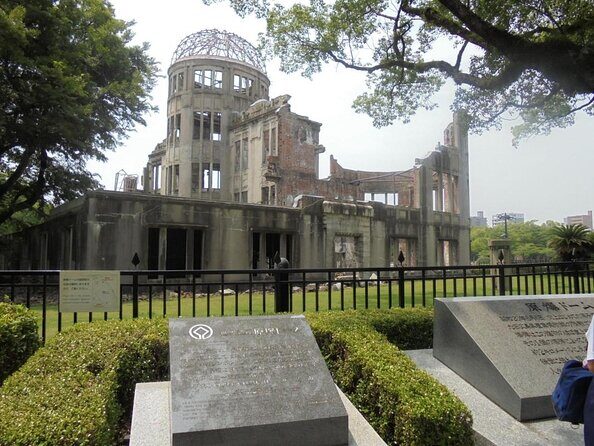
- Peace Memorial Park + Atomic Bomb Dome are included, so you don’t have to stitch together tickets and timing on your own
- Itsukushima Shrine (about 1 hour) is enough to see the signature tori gate look and get great photos if you pace yourself
- Miyajima lunch is on your own with plenty of local choices like oysters and Hiroshima-style okonomiyaki
- Ferry ride plus island animal sightings (monkeys and wild deer) make the transit part of the fun
- A licensed English guide means the history is explained clearly as you walk, not after the fact
- The day moves fast, so if you want to go deep on Mt. Misen or a long side trip, you may feel time pressure
Why this Hiroshima + Miyajima combo works so well
If you’re visiting Hiroshima for the first time, the hardest part is deciding what to prioritize when you don’t have many days. This tour makes that choice for you. You get Miyajima—famous for Itsukushima Shrine and the classic tori gate-in-the-sea look—then you head straight into Hiroshima’s Peace Memorial area, where the Atomic Bomb Dome and museum change how you see the world.
The value is not just “two places in one.” It’s the pacing and sequencing. Miyajima is visually striking and calm enough to reset your brain before you face Hiroshima’s history. Then the tour lands at Peace Memorial Park with time set aside for both the museum and the key monuments, so you’re not rushing through the most important parts.
A few more Hiroshima tours and experiences worth a look


From Hotel Granvia to the ferry: a smooth start, then real walking
The day begins at Hotel Granvia Hiroshima (start time 10:10am), and you travel in a comfortable, air-conditioned vehicle to reach the ferry area. The tour is designed to be easy to follow: you meet the group, board together, and move as a unit between major stops.
Two practical points matter here:
First, the bus is a coach-style setup, and seating isn’t assigned. That’s normal, but it does mean you’ll want to be strategic. If you’re sensitive to hearing, sit closer when the guide is speaking during walking time.
Second, the whole day is built around timed windows. Stop lengths are fairly clear: about an hour at Itsukushima Shrine, about an hour for Miyajima lunch/free time, 40 minutes at the Atomic Bomb Dome, and about an hour in the museum area. You’ll feel the momentum. If you like wandering slowly, this tour still works—but you’ll need to pick your pace in each stop.
Itsukushima Shrine: what you’re actually seeing in that UNESCO hour
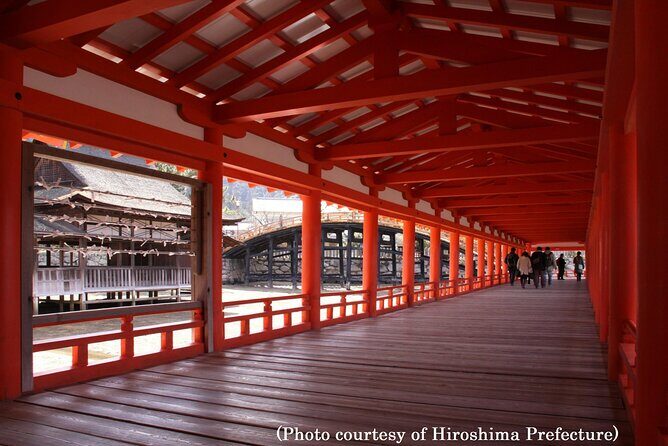
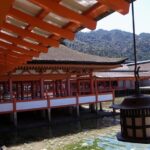
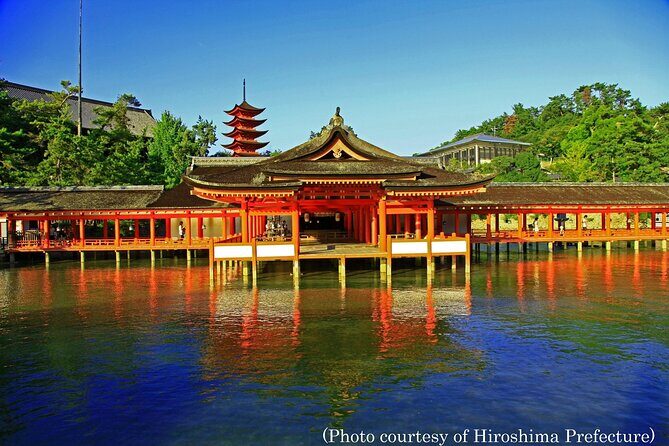
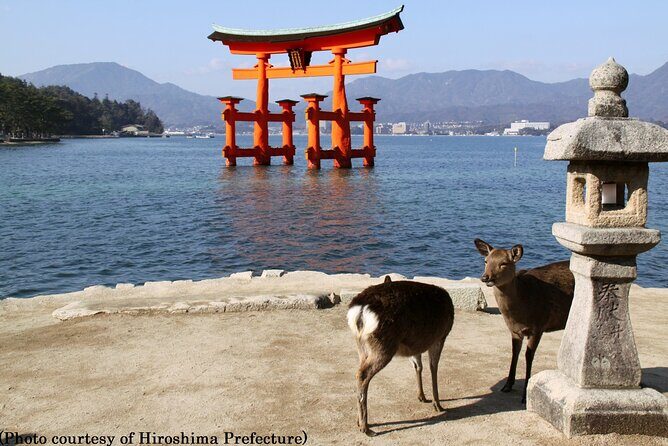
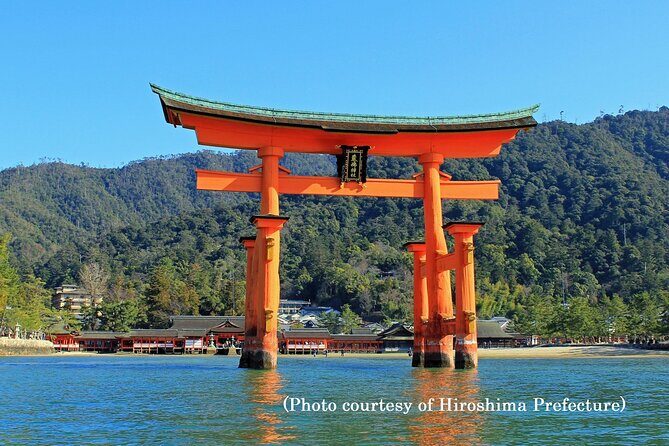
Itsukushima Shrine is the tour’s signature first stop, and it’s easy to see why. The shrine dates back to the 6th century and is known for its Shinden-zukuri style architecture, the kind associated with elite residences. The big visual draw is the tori gate effect that looks like it’s out over the water—because the shoreline relationship changes with tide.
What I like about having a guide here is simple: you don’t just snap photos, you understand what you’re looking at. The guide context helps you notice details—how the buildings are arranged, why the shrine’s setting matters, and what makes the site feel distinct from other shrines you might see later in Japan.
Time reality check: you get about 1 hour with this stop. That’s enough for the main shrine area and a solid photo circuit, but it’s not enough to treat Miyajima like a full-day hiking destination. If you’re also planning extra viewpoints, you may need to keep expectations realistic.
Miyajima island time: lunch you control, animals you don’t
After Itsukushima Shrine, you head into Miyajima itself. You get about an hour for lunch and free time. The tour doesn’t lock you into a set meal here, which is a plus. You can eat what you actually want rather than what the tour chose.
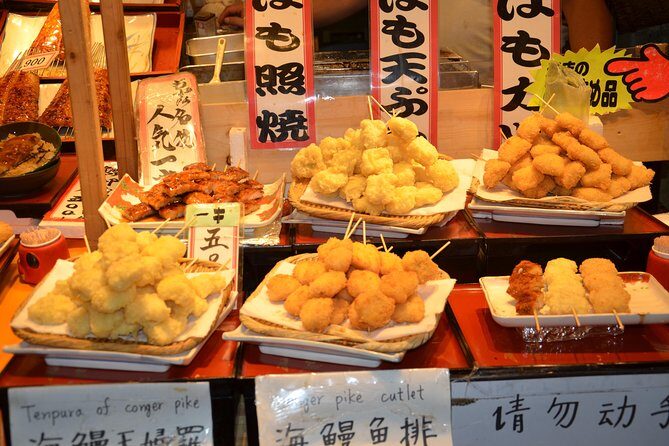
The food options highlighted for this region are classic Hiroshima-area hits: oysters, Hiroshima-style okonomiyaki, and conger eel rice bowl. You can find these across many shops on the island, so even if you arrive hungry and it’s crowded, you can usually find something quickly.
Then there’s the fun “bonus” side of Miyajima: you may spot monkeys and wild deer around the shrine area. It’s one of those moments where you realize the island isn’t just scenic—it’s alive. Just keep a little distance and watch where you step, especially in busy pedestrian areas.
A useful tip if you’re trying to do more than shrine photos
Some people hope to add additional Miyajima experiences like extra uphill sightseeing. With only an hour for this section, you might find it hard to fit in longer add-ons. If your priority is the shrine and an unhurried lunch, this tour hits the right balance. If your priority is full island exploration, plan to return on your own another day.

Atomic Bomb Dome: 40 minutes to face a preserved ruin
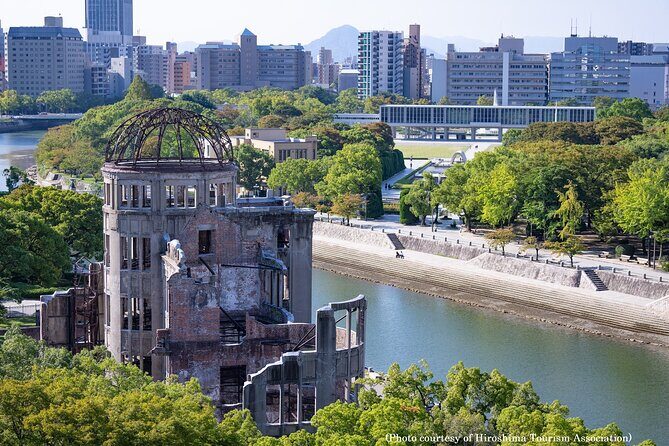
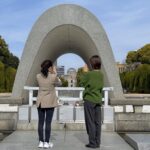
The Atomic Bomb Dome stop is short—about 40 minutes—but it carries an enormous purpose. It’s preserved as it was, in partial form, to promote peace and to remind the world about the atomic bombing during WWII.
This is where the tour’s design shows its respect. You’re not rushed straight from the ferry into a museum lecture. You’ve had time on Miyajima first, so when you arrive at the Dome, the contrast is real. And because the Dome is such a powerful visual, you can understand a lot with just a few minutes of guided framing and quiet attention.
A practical note: if you’re photographing, do it without turning the moment into a spectacle. This is one of those stops where people tend to move slower, and you’ll naturally feel the shift in the group.
Hiroshima Peace Memorial Park + Museum: the emotional spine of the day
Peace Memorial Park is where the tour focuses its most meaningful time. The park was established in 1949 after the Pacific War, and it’s visited by countless people as a symbol of peace. The Peace Memorial Museum on site adds depth—so you see both the visual monument area and the story behind it.
What you’ll likely do with your time there
You’ll spend about an hour in the museum area. That’s enough to read major exhibits and get the overall narrative, but it’s not a “read everything slowly” schedule. If you’re the type who likes to absorb details word-for-word, you may feel the time pressure. Still, even a focused visit here can be life-changing because the museum ties the monuments together into one coherent message.
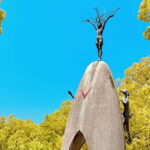
After (or within) the park visit, the tour includes key memorials. One major stop point is the Memorial Cenotaph for Atomic Bomb Victims, where names are listed. You’ll also see a monument for Korean Victims, which matters because it adds a broader layer to the human impact of the bombing.
This is not light sightseeing. It’s guided learning paired with space to reflect. The guide’s role is especially important here—someone who can explain without turning it into facts-only recitation. The best guides keep the atmosphere respectful and help you connect the history to the purpose of the site.
How the guides shape your day (and what I’d do to hear them)
This tour leans hard on the guide experience. The tour includes a national government licensed English guide interpreter, and you’ll feel the difference when the guide uses clear explanations at each stop and then keeps you moving at a pace that fits the allotted time windows.
From guide examples tied to this tour format, I’ve seen a few styles that can make a big difference:
- Masako was praised as kind and patient, with clear explanations and help capturing photos
- Tomoko stood out for clear check-ins using visuals and for high enthusiasm during the day’s learning moments
- Azusa was noted for helping people take great photos and for sharing history with humor
- Nob earned praise for staying effective even during tough weather
- Akko Watanabe was singled out for insights that extend beyond facts—Japanese customs and mannerisms came up in the guidance
- Taeko was praised for sharing personal family stories and managing a larger group during walks
Now the practical part: when you’re on a full coach, hearing can be inconsistent. If you find your guide’s voice is hard to catch, choose your seat early and stay closer to the group during walking portions. It’s a small move that can make the difference between a day you remember for the stories and a day that feels like you missed half the explanations.
Also consider weather. One review described a muggy day where the driver provided water bottles, which is a nice reminder to bring a little comfort gear—especially if you’re visiting in warmer months. Even a small fan and sunglasses can help you keep your energy for the walking parts.
Price and value: what you’re really paying for
At $152.54 per person, this isn’t a budget sightseeing ticket. But it is also not just paying for transportation between two famous spots.
Here’s what’s included, and why it matters:
- Licensed English guide interpreter (the biggest value driver on a history-heavy day)
- Miyajima visitor tax
- Admissions and transportation costs for the sites included on the tour
What’s not included:
- Lunch
- Any meals beyond what the tour itself provides (there’s no lunch package built in)
When I think about whether this price is worth it, I ask one question: would I pay the same money to coordinate all this alone? For many people, the answer is yes—because you’re not just buying entry tickets. You’re buying time saved, stress reduced, and context provided.
The best-case scenario is that the guide turns the day into a coherent story: why the tori gate matters, why the Dome was preserved, and why the cenotaph names and museum exhibits push the message toward peace.
Who should book this and who should consider going solo
This tour makes a lot of sense if:
- You’re short on time in Hiroshima and want both UNESCO highlights in one day
- You prefer having someone explain the meaning behind the sites instead of reading everything yourself
- You want a structured plan for the hardest emotional parts of Hiroshima
It may feel less ideal if:
- You want a long, slow day on Miyajima with extra uphill viewpoints. With about an hour on the island, you may feel rushed.
- You hate group schedules or you’re very sensitive to hearing a guide while walking in crowds.
- You’re the kind of traveler who wants to control every minute and every photo angle without regrouping.
If you’re on your first trip to the region, this tour is a strong “starter pack” that still leaves room to explore on your own later if you return.
Should you book Full Day Hiroshima and Miyajima Bus Tour?
I’d book it if you want the cleanest way to hit the big UNESCO moments with context, not just photos. The guide component is the heart of the value here, and the itinerary includes the sites most people come to Hiroshima for: the Peace Memorial area, the museum, and the Atomic Bomb Dome—plus the iconic Miyajima shrine experience.
I’d think twice only if your main goal is deep exploration of Miyajima beyond the shrine and quick lunch, or if you’re worried about hearing a guide in a group setting. In that case, you could still visit the sites independently, but you’d have to plan more and you’d lose the “why it matters” explanations that make this day land.
FAQ
How long is the Hiroshima and Miyajima bus tour?
It runs about 8 hours 20 minutes.
Where does the tour start and what time?
It starts at Hotel Granvia Hiroshima, with a start time of 10:10am.
Where do you end the tour?
The tour ends at Hiroshima Station, around 6:00pm to 6:30pm.
Is lunch included?
No. Lunch is not included, and you eat on your own during the Miyajima time.
Are admissions included for the major stops?
Yes. Admission fees are included for Itsukushima Shrine and the Hiroshima Peace Memorial Museum. The Atomic Bomb Dome stop notes free admission.
Will I need a ticket on my phone?
You’ll receive a mobile ticket.
What kind of guide language support is included?
A national government licensed English guide interpreter is included.
How big is the group?
The tour has a maximum of 40 travelers.
What is the cancellation window?
You can cancel for a full refund up to 24 hours in advance of the experience start time.
Is there guidance for people traveling with a Japan Rail Pass?
Yes. If you’re arriving from Kyoto or Shin-Osaka using a Shinkansen, you need to depart early enough to reach the meeting location on time. If you arrive late, you can’t join the tour.