REVIEW · NARA
Udon and Tempura Cooking Class in Nara
Book on Viator →Operated by 手打ちうどん&天ぷら料理教室 · Bookable on Viator
Udon feels easy until you make it. In Nara, you learn handmade udon from a local craftsman, then fry tempura with fresh vegetables and eat your own tempura udon while it’s hot. It’s practical, skill-focused, and tied directly to what people actually cook and eat here.
I like that the class is tightly structured: you use 100% Japanese wheat flour to knead, roll, and cut noodles, then you cook the tempura with locally sourced vegetables from Nara. You’ll also get a real payoff at the end because the meal is what you produced yourself, served as freshly made udon with freshly fried tempura.
One thing to consider: the session runs about 1 hour 30 minutes, so it’s not the kind of class where you sit back and watch for a long time. If you want a super relaxed pace, expect a bit of movement and concentration.
In This Review
- Key Things You’ll Notice in This Nara Udon and Tempura Class
- From Pickup to Hand-Washing: The Class Starts Before You Cook
- Handmade Udon With Japanese Wheat: What You Actually Learn
- Tempura Cooking With Nara Vegetables: Frying Skills You Can Use Again
- The Moment You Eat: Tempura Udon Made by You
- Price and Value: Is $53.33 Worth 90 Minutes of Cooking?
- Timing, Group Size, and How the Pace Feels
- Who This Udon and Tempura Class Suits Best
- A Quick Checklist Before You Go
- Should You Book This Udon and Tempura Cooking Class in Nara?
- FAQ
- How long is the udon and tempura cooking class in Nara?
- Is pickup included?
- What’s included in the price?
- Is alcohol included?
- How many people are in the group?
- Where does the class start and end?
- Can I cancel for a full refund?
Key Things You’ll Notice in This Nara Udon and Tempura Class
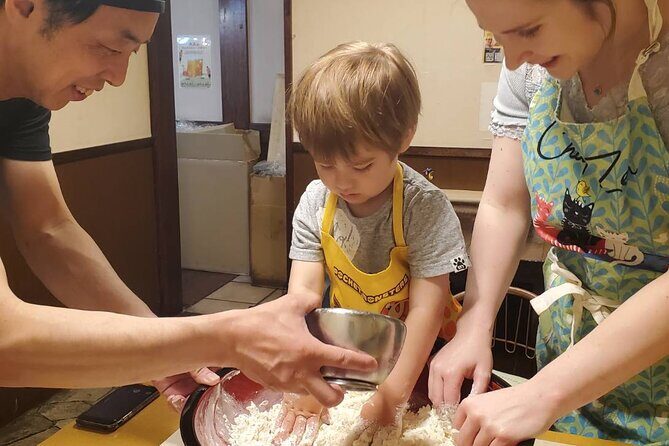
- Small group size (max 10) keeps the pace personal
- Pickup in an air-conditioned vehicle makes it easier to arrive on time
- 100% Japanese wheat flour for noodle-making, from knead to cut
- Nara vegetable tempura that you fry together with the chef
- You eat what you make: hot tempura on your own udon
- Optional local sake is available for an extra cost
From Pickup to Hand-Washing: The Class Starts Before You Cook
This experience is built around convenience and comfort from the first minute. If you select pickup, your host comes to fetch you by air-conditioned vehicle, which matters in Nara when the weather shifts and sidewalks start to feel longer than you planned.
You meet at リハビリデイサービスアイリス632-2 Hōrenchō, Nara, 630-8113, Japan, and the activity ends back at the meeting point. The whole flow is designed for an easy start and finish, and it’s also near public transportation if you prefer to handle the journey on your own.
One detail I really appreciated is how the class sets the tone once you arrive. You’ll be asked to wash your hands and remove your shoes before you start cooking. It’s simple, it keeps things tidy, and it signals that this is a working kitchen space, not a showroom.
You can also read our reviews of more cooking classes in Nara
Handmade Udon With Japanese Wheat: What You Actually Learn
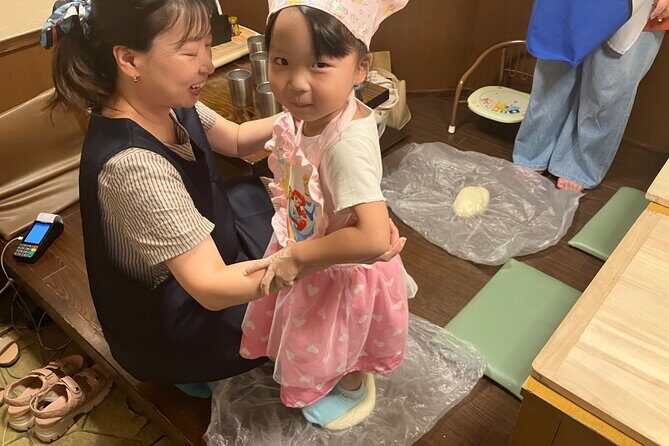
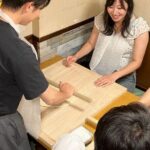
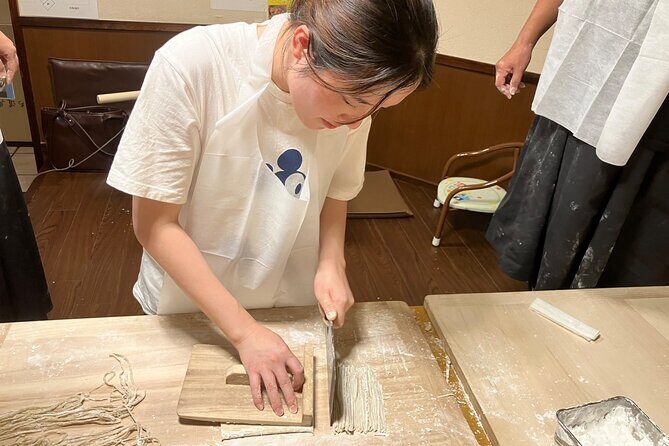
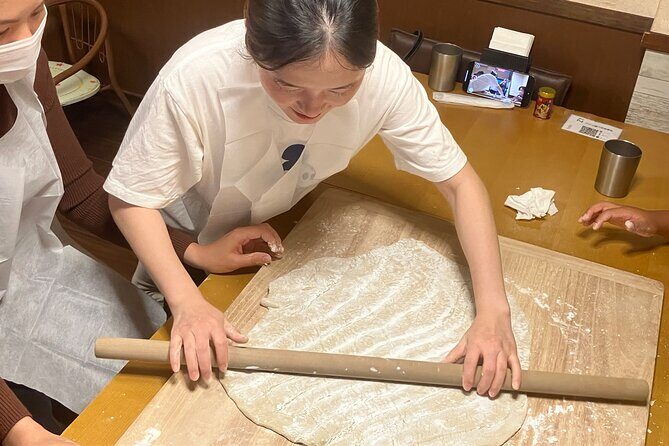
The core of the class is noodle-making, and you’re not just tasting your way through it. You’ll work directly with the dough made from Japanese wheat flour, learning the physical steps behind real udon.
The process you’ll practice includes:
- kneading the dough
- rolling it out
- cutting it into fresh noodles
Even without being a cooking pro, you’ll get the logic right away. Kneading builds the dough’s structure, rolling determines thickness and consistency, and cutting affects both texture and how the noodles behave later. You’ll likely notice how small changes show up immediately in the shape and feel.
Because this is a short class (about 1 hour 30 minutes), the teaching is efficient. You won’t get lost in theory, and you also won’t spend the whole time on one step. The goal is practical skill: you leave knowing what it took to make noodles from scratch, not just what they taste like on a plate.
Also, the instructor is a skilled craftsman based in Nara—Masakazu Sakaguchi is mentioned in the class’s own guest feedback. That matters because noodle-making is one of those arts where personal guidance helps. You’re more likely to get quick corrections in real time than with a hands-off demonstration.
Tempura Cooking With Nara Vegetables: Frying Skills You Can Use Again
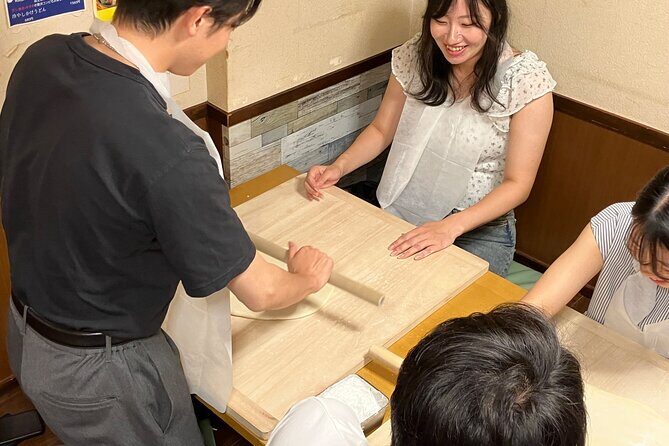
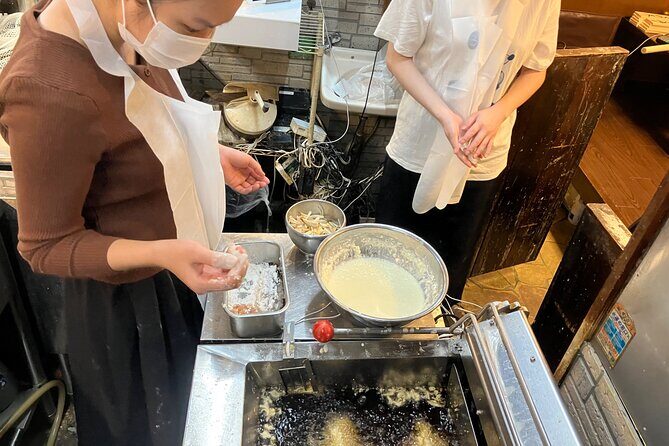
After the udon prep, the class shifts from dough work to the kitchen’s main performance: tempura frying. The ingredient focus here is local. You’ll use locally sourced vegetables from Nara, and you’ll fry them alongside the chef and then eat them hot and crispy.
Tempura has a way of rewarding attention. When frying is done well, the outside stays crisp while the inside keeps its character. When it isn’t, you end up with oil-heavy bites or soggy results. In this class format, you learn by doing, which is the fastest path to understanding how heat, timing, and handling affect the final texture.
One practical benefit: you’re not scrambling to source ingredients or figure out tools. The class includes all ingredients and cooking tools, so you can concentrate on technique. That also helps if you’re traveling light, since you don’t have to pack any special gear.
And because you’ll fry the tempura and then eat it soon after, you get the point of tempura: the crunch is part of the dish. If you’ve ever had tempura go lukewarm while you hunted for your seat, you’ll appreciate why this timing matters.
The Moment You Eat: Tempura Udon Made by You
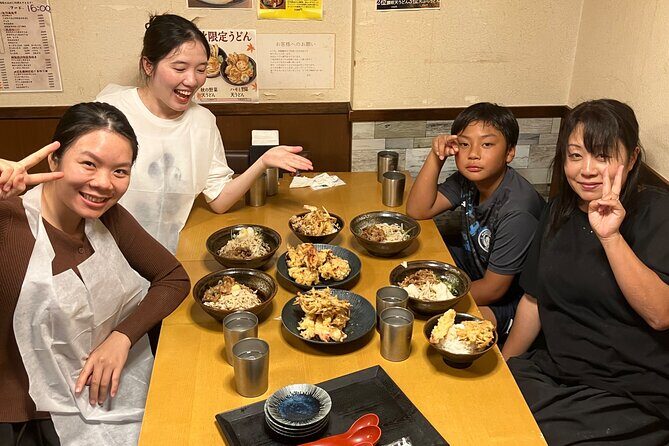
The highlight is the meal itself: you’ll savor your handmade udon served with freshly fried tempura. This is where the class becomes more than a craft lesson.
There’s a difference between eating udon you ordered and eating udon you made. When you cut the noodles yourself, you’re paying attention to thickness and size. When you fry the tempura yourself, you’re aware of how crispness works. Put together, the flavors feel more connected because your hands were part of the process.
You’ll likely notice how hot tempura changes the whole experience. Crispy edges and warm toppings tend to keep the dish from feeling flat, even if you’re not expecting a big sauce-heavy setup. In other words: even if you’re not a “foodie,” you’ll still understand why people treat freshly fried tempura like a special moment.
If you want to add a local touch, you can also order local Nara sake at an additional cost and toast with your meal. It’s optional, but it fits the spirit of the class: learning and then celebrating what you cooked.
Price and Value: Is $53.33 Worth 90 Minutes of Cooking?
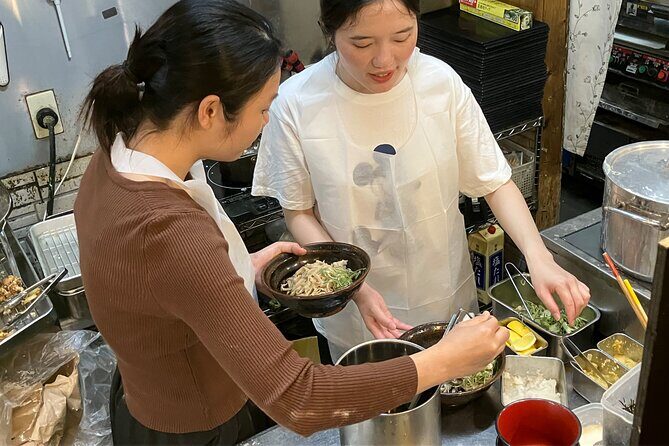
At $53.33 per person for about 1 hour 30 minutes, this sits in the “real activity” category rather than the “quick snack” category. The value comes from what’s included, not just the price number.
Here’s what you’re getting as part of the experience:
- pickup in an air-conditioned vehicle (when selected)
- meals included
- ingredients and cooking tools included
- guided instruction from a skilled craft professional
- a small group capped at 10 people
- a mobile ticket for check-in convenience
When cooking classes are done well, you’re paying for two things at once: technique coaching and a setup that removes friction. This one removes friction for you. You don’t have to buy ingredients, you don’t have to find the right kitchen tools, and you don’t have to figure out where the class happens or how to transport everything.
Also, short classes can feel rushed, but they can be perfect if you’re trying to fit Nara into a packed itinerary. You get a full hands-on culinary experience without needing half a day.
One more detail: the class is commonly booked about 15 days in advance on average. That usually means it’s a popular option, so if you have firm travel dates, it’s smart to lock it in rather than wait.
A few more Nara tours and experiences worth a look

Timing, Group Size, and How the Pace Feels
The group cap of 10 people changes the class feel. With fewer people, the instructor can explain adjustments and keep an eye on what you’re doing. For noodle-making and frying, that matters, because both require hands-on attention.
The session length also shapes your expectations. You’ll be moving from udon prep to tempura cooking to eating without much idle time. If you prefer “watch and learn” experiences, this might feel more work than you expect. But if you like the satisfaction of making something tangible—then the compact timing is a plus.
Because the activity is near public transportation, you also have flexibility. If pickup isn’t ideal for your schedule, you can likely build the class into your day without too much stress.
Who This Udon and Tempura Class Suits Best
This is a great match for you if:
- you want a hands-on Nara food experience rather than just eating out
- you like practical skills you can repeat later
- you enjoy Japanese comfort foods and want to understand how they’re built
- you prefer small-group settings with more direct attention
It’s also a good fit for couples or solo travelers. With a max of 10 people, you’re not getting lost in a huge crowd, and the class is social in a manageable way.
If your travel style is super relaxed and you hate schedules, consider whether you’re comfortable working within a short time window. The payoff is big, but it asks for focus while you knead, roll, cut, and fry.
A Quick Checklist Before You Go
You won’t need special supplies since ingredients and cooking tools are included. Still, plan for the classroom environment:
- Be ready for hand-washing and shoe removal.
- Wear shoes you can take off easily and put back on.
- Have your mobile ticket ready on your phone.
- If you want sake, know it’s available for an extra cost.
If you’re coordinating with an itinerary that includes Nara temples or museums earlier in the day, try to leave breathing room for travel time to the meeting point.
Should You Book This Udon and Tempura Cooking Class in Nara?
Book it if you want a food experience you can feel in your hands. The combination of handmade udon (Japanese wheat flour, knead/roll/cut) and tempura (Nara vegetables, cooked hot and crispy) is a complete mini-cooking story, and you finish by eating your own work.
Skip it (or at least reconsider) if you’re hoping for a long, slow class with lots of sitting around and minimal participation. This is active, it’s skill-based, and the best part is the meal you make quickly—so it pays to be ready to work.
If your main goal in Nara is to taste local life in a hands-on way, this is a strong choice.
FAQ
How long is the udon and tempura cooking class in Nara?
The class is about 1 hour 30 minutes.
Is pickup included?
Pickup is offered, and you’ll be picked up by car in an air-conditioned vehicle.
What’s included in the price?
Meals are included, and the class provides all ingredients and cooking tools.
Is alcohol included?
No. Alcoholic beverages, such as sake or beer, are not included. Local Nara sake can be purchased separately at an additional cost.
How many people are in the group?
The class has a maximum of 10 travelers.
Where does the class start and end?
It starts at リハビリデイサービスアイリス632-2 Hōrenchō, Nara, 630-8113, Japan and ends back at the meeting point.
Can I cancel for a full refund?
Yes. You can cancel for a full refund if you cancel at least 24 hours before the experience start time.